Hunting a Clover Plot at First Light
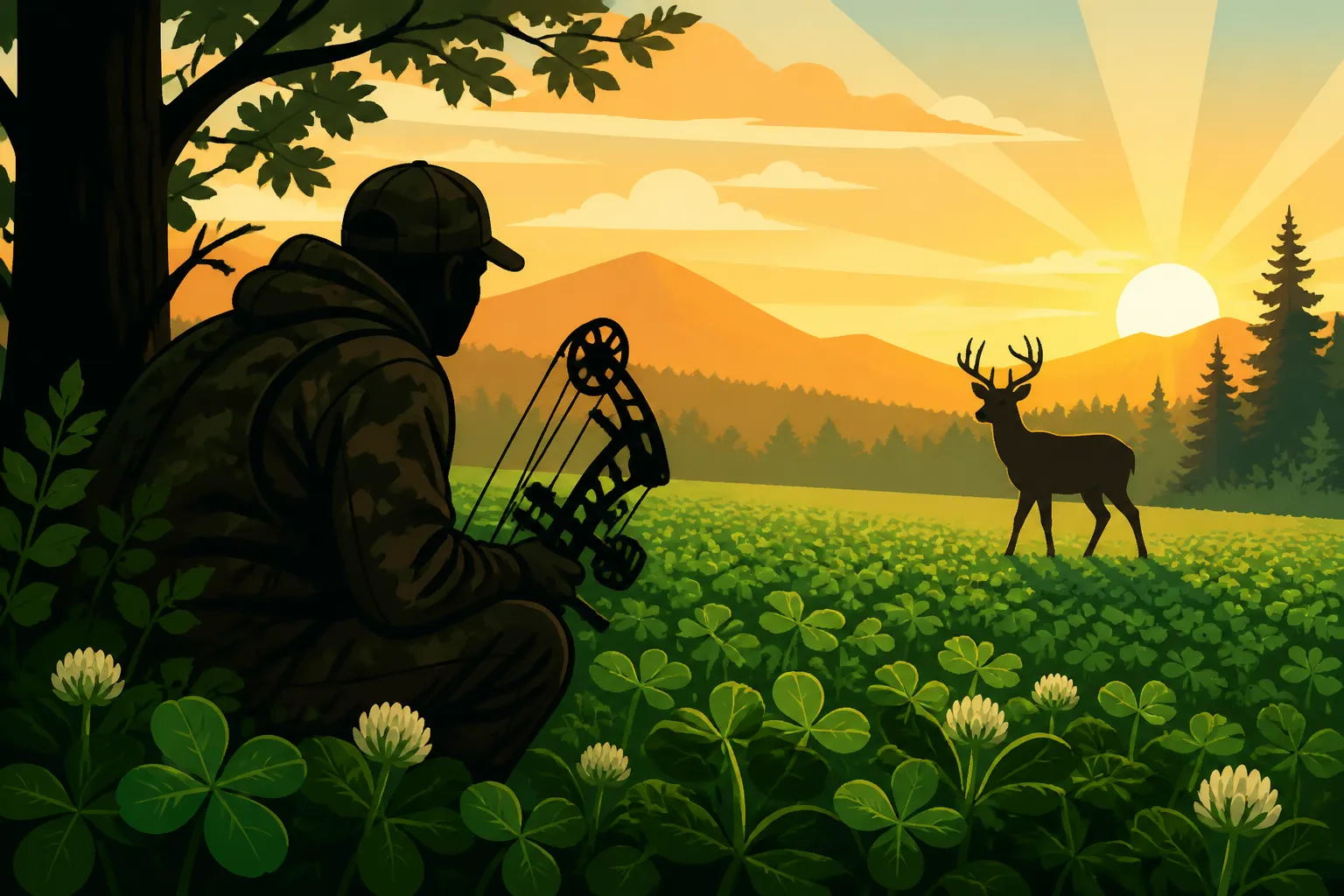
Hunting a productive clover plot at first light can be one of the most exciting — and often frustrating — experiences for a New Hampshire deer hunter. Those early morning hours, shrouded in dim light and heavy dew, hold immense promise as deer transition from nocturnal feeding back to their bedding areas. Yet, many of us have experienced the bitter disappointment of spooking deer on our way in, or watching them feed just out of range as the sun climbs, leaving us wondering how to truly capitalize on this prime opportunity. This guide is all about getting you in and set up effectively to intercept those wary whitetails feeding on clover when the woods are just starting to wake up.
Understanding Deer Movement Around Clover Plots at Dawn
Deer aren't just randomly wandering; their movements, especially around food sources, are often incredibly patterned. To successfully hunt a clover plot at first light, we need to think like a deer and understand why they are there and how they typically approach and leave.
Why Deer Favor Clover at First Light
Clover plots are absolute magnets for deer, and for good reason. It’s not just a tasty treat; it’s a nutritional powerhouse. During the late summer and early fall, when many natural forage options might be drying up or losing their nutritional punch, clover remains a lush, high-protein buffet. This makes it particularly attractive to deer that have been browsing all night and are looking for one last high-quality meal before settling into their daytime beds. Think of it as their equivalent of a hearty breakfast before a long nap. The cool, quiet hours of dawn offer them a sense of security, allowing them to linger in the relative openness of a plot a little longer than they might in broad daylight. They're trying to maximize their feed intake in a low-risk environment before the woods get too active.
Typical Entry and Exit Routes
Deer, especially older, wiser ones, are creatures of habit and efficiency. They'll use established trails and travel corridors that provide the most cover and the least amount of perceived risk to get from their bedding areas to their preferred feeding spots. These routes are often dictated by the topography and available cover—think along creek bottoms, subtle ridge lines, or the edges of dense softwood thickets. They rarely just sprint across an open field. Instead, they’ll skirt the edges, often pausing at a pinch point or a brushy finger that extends into the plot, testing the wind and their surroundings before fully committing. This is where your scouting really pays off. You need to identify these specific paths, and dedicated time in the woods beforehand, coupled with tools like trail cameras, is crucial. For instance, using a detailed mapping application to mark historical deer sign, rub lines, and scrapes can reveal these hidden highways. You can read more about how to effectively scout by checking out our guide on Scouting New Hampshire Public Land Before Season.
Strategic Setup for a First Light Hunt
Once you understand why deer are using a clover plot at dawn, the next step is figuring out how to intercept them without giving yourself away. This boils down to meticulous planning regarding wind, scent, and your exact position.
Wind Direction and Scent Control are Paramount
Let's be brutally honest: if your wind is blowing your scent directly into where the deer are approaching from, or worse, into their bedding area, you might as well stay home. Deer hunting, especially in the early morning stillness, is almost entirely a game of wind. Your scent is your biggest enemy. Even a slight whiff can send them crashing back into the timber, educating them to your presence and making them twice as wary for future hunts.
The challenge at dawn is that thermals can be tricky. As the night cools, heavier air sinks, often carrying your scent downhill. But as the sun rises and starts to warm the earth, those thermals will begin to lift, potentially swirling your scent in unpredictable ways. This upward movement can sometimes be your friend, carrying your scent over deer in a valley, but it can also betray you if the wind is swirling due to complex topography, something you'll often encounter while hunting the Wind and Thermals in Steep Granite Terrain in New Hampshire.
This means you need a meticulous scent control regimen. Showering with unscented soaps, washing your hunting clothes in scent-free detergent, storing them in airtight containers, and using scent-reducing sprays are all essential steps. But more importantly, you need to understand the prevailing wind and micro-thermals of your specific hunting spot on that particular morning. If the wind isn't right, don't hunt it. It’s better to wait for another day than to burn out a prime location.
Ideal Stand Placement and Approach Paths
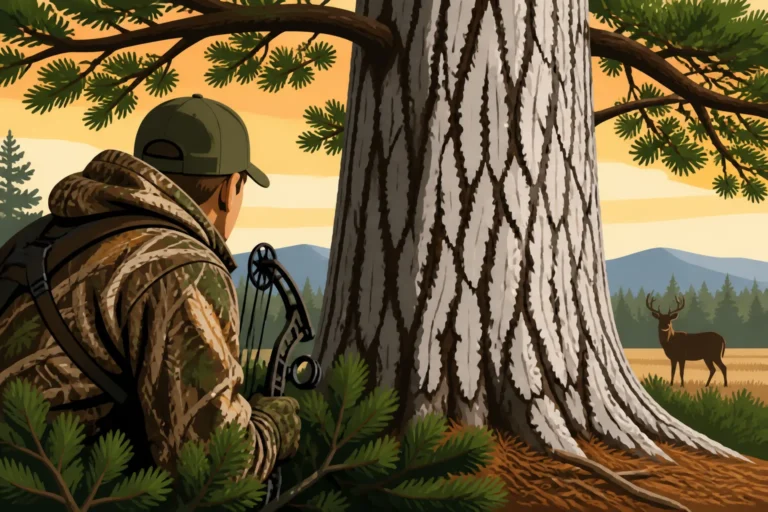
Your stand placement isn't just about getting a good shot angle; it's about remaining undetected from the moment you step foot in the woods until you climb out. For first light, you want to position yourself so that you're concealed by the low light and shadows. Think about where the sun will rise and place yourself accordingly to avoid being silhouetted. Sometimes, being slightly off the plot, along a funneling edge, can be more effective than being right on top of it, catching deer as they hesitate before entering.
Having multiple pre-scouted approach and exit routes to your stand is absolutely critical. Imagine you’ve found a perfect spot, but the only way in is across an open field, or worse, directly through a known deer travel corridor. That's a recipe for disaster. Your routes should offer maximum cover – dense woods, ditch lines, or even a creek bed – and ensure you can get to your stand without disturbing the area you plan to hunt. Many experienced hunters will even prune small branches or clear quiet paths months before the season to ensure a silent entry.
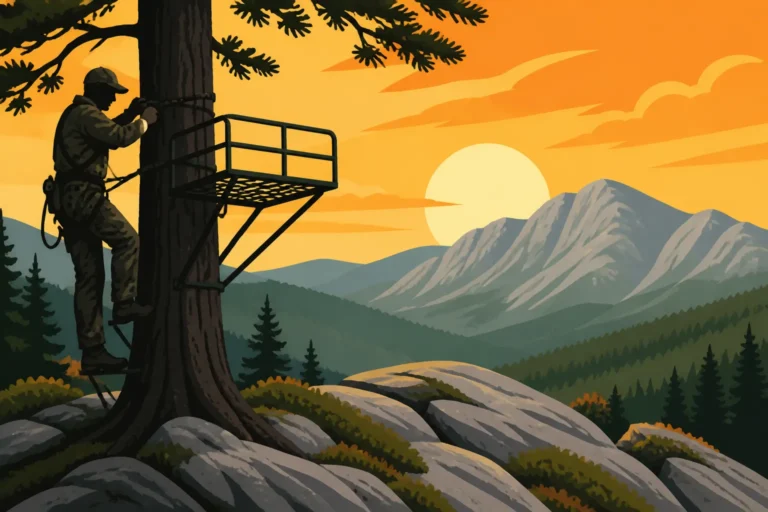
When considering your setup, think about whether an elevated stand or a ground blind is best for your situation. Elevated stands, like a treestand, offer several advantages: they get your scent up and away from deer, provide a broader view, and often allow for better shot angles over the plot. If you're looking to elevate your position, mastering Hanging a Stand on a Granite Ridge can be immensely helpful. On the flip side, a well-brushed-in ground blind provides exceptional concealment and protection from the elements, but demands even more stringent wind management since your scent is closer to the ground. For those considering the latter, learning about Using a Ground Blind on Public Land can offer some great insights. Many hunters use mapping software like GoHunt to mark potential stand locations and entry routes, even noting prevailing wind directions for each. This kind of detailed planning can make all the difference when you're slipping in under the cloak of pre-dawn darkness.
Execution: The First Light Patience Game
You’ve scouted, you’ve prepared, your scent is under control, and your stand is perfectly placed. Now comes the moment of truth: the actual hunt. Success here relies as much on patience and observation as it does on your initial setup.
Silent Entry and Waiting for Light
The single most important rule for a first-light hunt is this: be in your stand well before legal shooting light. I'm talking an hour, sometimes even more. This isn’t just about being ready when the deer arrive; it’s about allowing the woods to settle down after your unavoidable intrusion. Even the most careful hunter makes some noise, and arriving early gives the wildlife time to return to their natural rhythms. Your entry itself must be incredibly stealthy. Use a headlamp with a red light setting to preserve your night vision and minimize disturbance. Avoid talking, banging gear, or snapping branches. Every step needs to be deliberate and quiet.
Once you’re settled in your stand or blind, minimize movement. The first hour of legal shooting light is often the most critical time for deer movement in a clover plot. Deer are either already feeding, or they are making their way to the plot from nearby bedding areas. Your job is to become part of the tree or the landscape, blending in completely. The world around you will gradually transition from pitch black to the soft glow of dawn, revealing the shapes of the woods. It's during this transition that deer often feel most comfortable moving.
Observing and Reacting to Deer Behavior
As the light begins to break, your senses need to be on high alert. Don't just scan for antlers; look for flicking ears, a twitching tail, or the subtle outline of a deer blending into the plot's edge. Deer will often test the air and their surroundings before stepping fully into the open. Pay close attention to their body language. Ears swiveling, a head held high, or a foot stomping can all indicate they're aware of something. If they act nervous, freeze completely and wait. Many times, if you remain still, their curiosity will subside, and they'll resume feeding.
The key to a successful shot opportunity is patience. Don't rush. Wait for the deer to relax, offer a clear, ethical shot, and be aware of other deer in the plot. Sometimes, the first deer to appear might not be the one you're looking for, or it might not present a clean shot. If you rush, you risk spooking not just that deer, but every other deer in the vicinity. Remember, even if the plot seems empty initially, deer often filter in later from more distant bedding areas, especially as they finish up their nighttime browsing. Your staying power can pay off. Utilizing a comprehensive platform like GoHunt can help you review historical movements and better predict peak times for your specific plot, aiding in your patience strategy. For instance, detailed notes on Reading New Hampshire Mud for Fresh Deer Movement gathered during scouting can give you clues about how recently deer have been frequenting the area.
Common Challenges and Troubleshooting
Even with the best planning, hunting a clover plot at first light in New Hampshire isn't without its challenges. The woods are wild, and deer are incredibly intelligent animals. Knowing how to anticipate and react to common issues can save a hunt or at least help you learn for the next time.
Dealing with Shifting Thermals and Swirling Winds
New Hampshire's varied topography, from the flat river bottoms to the rolling foothills of the White Mountains, means that predictable winds can quickly become unpredictable. Micro-thermals, especially in areas with distinct elevation changes, can be a hunter's worst nightmare. As the sun begins to warm one side of a ridge before another, or as air currents hit a dense stand of pines, your scent can swirl and eddy in unexpected ways. This means that a wind that felt perfect when you left your truck might be completely wrong by the time legal shooting light arrives.
Always have a contingency plan. If the wind shifts unfavorably and you feel confident that deer are still approaching, your best bet might be to silently back out and try a different spot, or to endure a less-than-ideal sit, knowing your chances are diminished. Regularly checking a small wind indicator, like a puff bottle, every few minutes, especially as the sun rises, is essential. This real-time feedback allows you to understand how the air currents are behaving in your exact location. Sometimes, adjusting your shot angle or even waiting for a deer to move past a certain point before drawing can mitigate some of the risk. Understanding these local wind patterns is key to success, especially when considering Wind and Thermals in Steep Granite Terrain.
Minimizing Pressure and Burnout
Clover plots are productive, but they are also sensitive. Overhunting a prime plot, especially with repeated bad wind days or noisy entries, will quickly educate the deer. They'll learn to associate that plot with danger and shift their patterns, becoming nocturnal or avoiding it altogether. This is what we call "burning out" a spot, and it's a common frustration for hunters. To avoid this, try to rotate your hunting spots if you have access to multiple areas. If you only have one great clover plot, be disciplined about when and how you hunt it.
Save your best spots for optimal conditions: a perfect wind, after a cold front has moved through, or during the peak of the rut when deer are less cautious. Every outing should be a learning experience. Debrief yourself after each hunt: what worked well? What mistakes did you make? How did the deer react to your presence or movement? Did they spook at a particular sound? Using a detailed hunting journal or the notes feature on a mapping app like GoHunt to record these observations can be invaluable. Over time, you'll build a deeper understanding of deer behavior in your specific area, allowing you to fine-tune your approach and make more informed decisions about when and where to hunt. This careful management ensures your productive spots remain productive, preventing the deer from learning your tricks and keeping them comfortable in their patterns, perhaps even making it easier to tag a buck during New Hampshire's November Firearms Deer Season.
| Feature | Elevated Stand (Tree Stand) | Ground Blind |
|---|---|---|
| Visibility | Excellent, wide field of view. | Good, but limited by terrain and blind size. |
| Scent Control | Better, scent dispersed higher above deer's nose. | Challenging, requires meticulous attention, scent stays lower. |
| Concealment | Natural tree cover (when chosen well), breaking up outline. | Excellent, fully enclosed, hides movement. |
| Approach | Can be more difficult to climb quietly in the dark. | Generally easier and quieter to enter. |
| Comfort | Can be cold and exposed, less room to move. | More protected from elements, more room to stretch. |
| Versatility | Requires a suitable tree. | Can be set up almost anywhere with proper brushing in. |
| Portability | Fixed stands are not portable; climbers/hang-ons are more so. | Highly portable, quick setup. |
Disclaimer
Hunting is an inherently dangerous activity. Always prioritize safety, adhere to all New Hampshire Fish and Game laws and regulations, and respect private property. This guide is for informational purposes only and does not replace official hunter education or local regulations. Ensure you have the proper licenses and permits before heading into the field.