New Hampshire State Park Deer Quota Hunts
Hunting in New Hampshire can be an incredibly rewarding experience, but let's be honest, finding quality deer hunting opportunities on accessible public land, especially in more populated areas, sometimes feels like an uphill battle. Many hunters feel frustrated by crowded spots or the sheer difficulty of securing private land permission. That's where New Hampshire's State Park deer quota hunts step in, offering a unique, often underutilized avenue for deer management and hunting. This guide will help you understand what these quota hunts are all about, how to navigate their specific rules, and how to maximize your chances of success.
Understanding Deer Quota Hunts in New Hampshire State Parks
The idea of hunting in a state park might sound a bit unconventional to some, especially if your vision of hunting involves vast, untouched wilderness. But New Hampshire's State Parks sometimes implement special deer quota hunts for very specific and important reasons. These aren't your typical open-access hunting grounds, and understanding their purpose is the first step to appreciating their value.
What Exactly is a Quota Hunt?
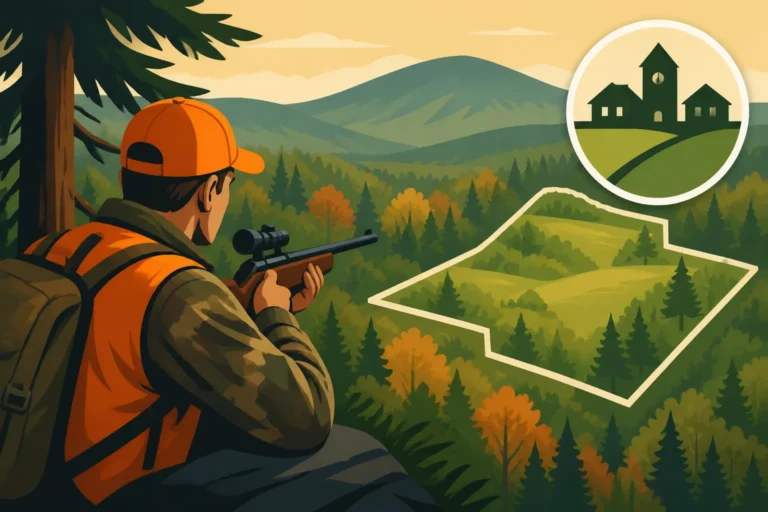
A quota hunt, simply put, is a controlled hunting opportunity designed to achieve specific wildlife management goals within a defined area, often with a set number of permits or a target harvest number. In the context of New Hampshire State Parks, these hunts are frequently implemented to manage deer populations that might be impacting park ecosystems, causing damage to vegetation, or posing a higher risk of deer-vehicle collisions in surrounding areas. Think about it: a park often has prime habitat, but if deer numbers get too high, they can over-browse plants, harming the natural balance. These hunts are a surgical approach, allowing biologists to address localized overpopulation without opening the entire park to general hunting pressure. It’s a conservation tool as much as it is a hunting opportunity.
These hunts are usually much more restrictive than a standard deer season. They might occur outside of general season dates, use different weapon restrictions, or focus on harvesting antlerless deer to help reduce breeding populations. The entire process is meticulously planned to ensure safety for all park users and effectiveness for deer management. For hunters, it offers a chance to hunt areas that are usually off-limits, often close to home, and sometimes with less competition than vast tracts of national forest.
Which State Parks Participate?
It’s important to understand that not every New Hampshire State Park will host a deer quota hunt. These opportunities are highly site-specific, depending on localized deer densities, habitat conditions, and public safety considerations within and around the park. Typically, you'll find these hunts are more common in parks situated closer to suburban areas or those with significant agricultural or forestland interfaces where deer populations might thrive and interact more frequently with human activity. A park that sees heavy pedestrian traffic or is very small might never be considered for a quota hunt due to safety concerns.
To find out which parks might be participating in a given year, your best bet is to keep a close eye on the official New Hampshire Fish and Game Department website and the specific state park websites. Announcements are usually made well in advance of the hunting season, often detailing the application period, specific rules, and participating locations. Don't rely on word-of-mouth; always confirm directly with official sources. These special opportunities are often limited in number and competitive, so staying informed is crucial. You might find some years a particular park hosts a hunt, and then takes a year or two off as management objectives change.
The Application Process: Getting Your Foot in the Door
Getting into a New Hampshire State Park deer quota hunt is typically not as simple as just showing up with your license. These hunts are almost always managed through an application and lottery system due to the limited number of permits and the controlled nature of the hunting area. This means you'll need to be proactive and diligent during the application window. The process generally involves submitting an application, sometimes with an associated fee, during a specific timeframe. The application will often ask for your hunting license information, and potentially details about your preferred weapon or hunting experience.
Once the application period closes, a lottery or drawing is conducted, and successful applicants receive a permit allowing them to hunt within the designated park area under strict conditions. It's not uncommon for these draws to be competitive, as hunters are often eager for unique opportunities. Pay very close attention to deadlines, required documentation, and any specific instructions on how to apply, whether it's online or via mail. Missing a single detail can disqualify your application. Consider using resources like New Hampshire Hunter Education Requirements to ensure you have all your certifications in order before applying. Always double-check your submission before it's sent off.
Rules, Regulations, and Restrictions for Park Hunts
Once you're lucky enough to draw a permit for a New Hampshire State Park quota hunt, the real work begins. These hunts come with a distinct set of rules and regulations that often differ significantly from the general statewide hunting seasons. Understanding and meticulously adhering to these guidelines is not just about staying legal; it's about ensuring the safety of all park users and preserving these unique hunting opportunities for the future.
Weapon Restrictions and Season Dates
One of the most common distinctions in state park quota hunts involves weapon restrictions and often compressed season dates. To ensure public safety in areas that may still see non-hunting visitors, many state park hunts are archery-only. This dramatically reduces the range of a projectile, making it a safer option for more confined or higher-traffic areas. Some might allow shotguns with slugs or muzzleloaders, but it is rare to see general rifle hunting permitted in these specific zones due to safety concerns. Before you even think about applying, confirm the exact legal weapons for that specific park's hunt. Imagine drawing a permit only to find out your primary hunting rifle isn't allowed!
Furthermore, the season dates for these quota hunts are often much shorter and might fall outside the traditional statewide seasons. They could be specific weekdays, a single weekend, or a narrow two-week window, designed to minimize impact on other park activities or to target specific deer behaviors. This requires careful planning on your part to ensure you can actually hunt during the approved times if you draw a permit. Don't assume the dates align with the general New Hampshire Archery Season Dates or New Hampshire Firearms Season Dates; they almost certainly won't. Always consult the specific regulations published for that park's quota hunt.
Safety Zones and Access Points
Safety is paramount in state parks, which are enjoyed by hikers, birdwatchers, and families year-round. Therefore, deer quota hunts will always have clearly defined safety zones and restricted access points. You won't be able to just park anywhere and walk into the woods. Specific parking areas and entry points will be designated, and you must adhere to them. These are often detailed on maps provided to permit holders. Using a mapping app like onX Hunt can be incredibly helpful here, allowing you to upload boundary information and know precisely where you are relative to safety zones and approved hunting areas.
Safety zones, which are areas where hunting is prohibited, will typically surround buildings, campgrounds, picnic areas, and often major trails or roadways. The precise distances for these setbacks will be outlined in your permit's regulations. Respecting these zones is non-negotiable. Violating them not only puts others at risk but can lead to immediate permit revocation and legal penalties. Always be aware of your surroundings, especially if you're pursuing a wounded animal. If a deer runs into a safety zone, you must stop your pursuit and contact park officials or game wardens for assistance. Knowing New Hampshire Firearms Discharge Setback Rules is crucial for general hunting, but these park rules are often even stricter.
Bag Limits and Reporting Requirements
The bag limits in a state park quota hunt are often tailored to the specific management objectives for that park's deer population. It's very common for these hunts to focus on harvesting antlerless deer (does) to control overall population growth, rather than targeting trophy bucks. You might receive a specific antlerless tag as part of your permit, or the regulations might specify "one antlerless deer" or "one deer of either sex" as the limit. There could even be different limits for different segments of the hunt.
Accurate and prompt reporting of your harvest is absolutely critical for these quota hunts. Since they are part of a targeted management plan, the biologists need precise data to assess the hunt's effectiveness. You might be required to register your deer at a specific park-managed check station, even if general statewide reporting allows for online registration. There might be a very short window for reporting, such as within 12 or 24 hours of harvest. This data helps the Fish and Game Department understand population dynamics, success rates, and informs future management decisions for these unique areas. Do not assume standard New Hampshire Deer Reporting Requirements apply; verify the park's specific process.
Strategies for Success in a Quota Hunt
Securing a permit for a New Hampshire State Park deer quota hunt is just the beginning. To truly make the most of this unique opportunity, you'll need to adjust your hunting strategies to the specific challenges and nuances of hunting in a state park environment. It's often a different ballgame than tackling the vastness of the White Mountain National Forest or sprawling private tracts.
Pre-Season Scouting: Knowing Your Park
Scouting is always important, but for a state park quota hunt, it's absolutely essential. These areas, while sometimes substantial, are often smaller and more confined than typical public hunting grounds. You need to know every inch. Start by poring over maps – topographical maps, aerial images, and specific park maps. Look for natural funnels, pinch points, bedding areas, and potential food sources. Identify major trails, park facilities, and any safety zones well in advance. Tools like onX Hunt are invaluable here, as you can layer public land boundaries with terrain features, satellite imagery, and even mark potential stand locations.
Walk the property as much as regulations allow, before the season opens. Look for deer sign: tracks, rubs, scrapes, and droppings. Pay attention to how deer move through the park, especially in relation to human activity. Many park deer are accustomed to people, but they also learn quickly where they feel safe. Understanding these patterns is key. Pinpoint potential ambush sites, natural barriers, and areas of dense cover where deer might seek refuge. Since these hunts often limit hunter numbers, intense scouting can give you a significant advantage. This intimate knowledge of the terrain will also make field dressing and Dragging a Deer Out of a Granite Ravine or other challenging terrain much easier.
Adapting Tactics to Park Environments
Hunting in a state park means adapting your usual tactics. Unlike vast, remote wilderness, these areas often have a higher likelihood of encountering non-hunters, and deer might behave differently due to consistent human presence. Stealth and low-impact hunting become even more critical. Consider still-hunting or using ground blinds brushed into natural cover, rather than large, conspicuous treestands, especially if the deer are particularly wary of elevated structures. If treestands are permitted, ensure you are well-hidden and minimize your profile. Using a ground blind also helps you stay concealed from hikers who might inadvertently wander near your setup.
Deer in these environments often use cover very intelligently. They might bed down closer to developed areas during the day, feeling safer from hunters who tend to push deeper into the woods. Focus on thickets, swampy areas, or dense evergreen stands that offer concealment. Calling techniques might need to be subtle; loud rattling or aggressive grunting might be too much in a smaller, quieter park setting. Instead, soft bleats or subtle grunts might draw a curious deer without alerting others or drawing unwanted attention. Referencing resources and strategies from platforms like GoHunt might offer insights into urban or pressured deer hunting tactics that could be adapted for these unique park environments. Hunting these areas often feels more like a chess match against a savvy, localized deer population.
Respecting Non-Hunters and Park Users
This might be the single most crucial aspect of hunting a state park quota hunt: you are an ambassador for hunting, whether you realize it or not. State parks are shared spaces, and many visitors may not understand or even approve of hunting. Your actions, positive or negative, reflect on the entire hunting community. Always be courteous, polite, and respectful to non-hunters you encounter. If someone approaches you, politely explain what you are doing (if you feel safe and comfortable doing so) and reassure them that you are following all safety rules.
Dress appropriately, with all required blaze orange or pink clearly visible if mandated by the specific park's rules or general New Hampshire law. When transporting your harvested deer, do so discreetly and respectfully. Avoid displaying it unnecessarily in public areas. Keep your weapon cased or covered when moving through non-hunting zones. By acting responsibly and ethically, you help foster a positive image of hunting and contribute to the continued opportunity for these unique quota hunts. A positive interaction can go a long way in ensuring these types of hunts remain available for future generations, showcasing that hunters are responsible conservationists.
Conclusion
New Hampshire State Park deer quota hunts offer an exceptional, if often challenging, opportunity for hunters. They provide a chance to hunt in areas that are usually off-limits, contribute directly to local wildlife management efforts, and often occur in accessible locations. However, they demand a higher level of preparation, adherence to specific rules, and a deep understanding of unique environmental and social dynamics. By thoroughly researching participating parks, understanding the application process, meticulously studying the regulations, and approaching the hunt with a respectful and adaptable mindset, you can truly make the most of these special opportunities. Happy hunting, and remember, a successful quota hunt is as much about skill and patience as it is about being a responsible steward of the land and the hunting tradition.
Disclaimer
This article is for general informational purposes only and does not constitute professional advice. Laws, prices and regulations vary by location and change over time. Consult a qualified professional for guidance on your specific situation.