Hunting a Town-Owned Conservation Parcel
It can feel incredibly frustrating, can't it? You've got that itch to get out in the woods, but you're constantly battling crowds on public lands or hitting dead ends trying to secure private land permission. It's enough to make you wonder if there's any truly accessible, less-pressured hunting left in our beautiful state. Well, let me tell you, there’s a surprisingly overlooked opportunity right under many of our noses: hunting a town-owned conservation parcel. These often smaller, sometimes fragmented pieces of land can be absolute treasures if you know how to find them and, critically, how to hunt them respectfully and legally. This guide will walk you through everything you need to know to unlock these local hunting grounds.
Uncovering the Hidden Gems: Finding Town-Owned Conservation Land
One of the biggest hurdles for hunters in New Hampshire is simply finding suitable land that's open to us. We all know about the vast expanses of the White Mountain National Forest or the larger Wildlife Management Areas, but these can often feel like a competition for space. Town-owned conservation parcels, however, represent a different kind of opportunity. They're typically smaller, often acquired for watershed protection, trail networks, or general open space preservation, and sometimes they're right in the middle of or adjacent to more populated areas.
The first step, and honestly, the most crucial, is simply knowing they exist and how to locate them. These aren't always prominently advertised as "hunting areas," which is why many hunters overlook them. You'll need to do a bit of detective work, but it's well worth the effort for the potential reward of less-pressured ground.
Utilizing Mapping Tools and Local Resources
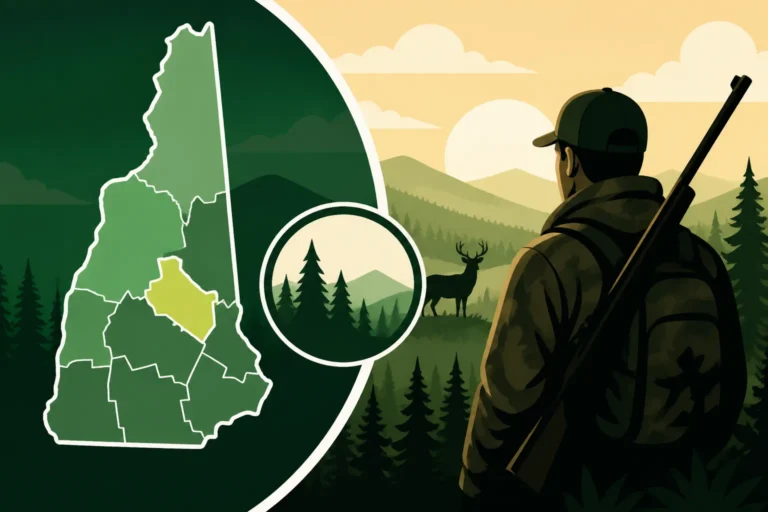
In today's world, mapping technology is our greatest ally in finding these parcels. Services like onX Hunt are invaluable here. You can literally pan over your local towns and see property lines, landowner names (often listed as "Town of [Name] Conservation Commission" or "Town of [Name]"), and sometimes even get an indication of land use. This visual aid is a game-changer compared to older methods of poring over paper maps. You're looking for those green or designated parcels that scream "town-owned." Beyond that, many towns now have digital tax maps available on their municipal websites. These can confirm ownership and parcel numbers, giving you the official designation you need.
Don't underestimate the power of simply calling or visiting your town clerk's office or conservation commission. These folks are the gatekeepers of local information. Explain what you're looking for – areas designated for conservation that might permit hunting – and be polite. They might have a list, a map, or at least point you to the right department or website page where this information is published. Sometimes, these parcels might be managed under a conservation easement, which can have its own specific rules, so understanding the exact nature of the land is key.
Identifying Potential Hunting Opportunities
Once you’ve identified a few town-owned conservation parcels, it’s time to start thinking about their potential. Size isn't everything, especially with deer. A small 20-acre woodlot tucked behind a neighborhood or adjacent to a larger tract of private land can be a significant travel corridor or bedding area. Look for parcels that connect larger blocks of timber, follow creek bottoms, or have natural funnels. You’ll want to scout these spots thoroughly, just as you would any other hunting ground. Reading Aerial Photos for North Country Deer can give you a bird's-eye view, helping you identify these key features before you ever set foot on the property.
Consider what might draw game to these specific spots. Is there a water source? Are there mast trees like oaks or beech? Does it offer thick cover for bedding? Many of these conservation lands are left wild, meaning they might provide excellent, undisturbed habitat. While they might not hold the highest deer density, the deer that are there are often less pressured and predictable. You might find a hidden gem that becomes your go-to spot for years to come, offering a quiet alternative to more well-known public lands.
Decoding Local Ordinances: Rules, Restrictions, and Respect
So, you've found a promising town-owned conservation parcel. That's fantastic! But before you even think about slinging a bow over your shoulder or loading a rifle, you absolutely must understand the specific rules governing that particular piece of land. This is where town-owned parcels differ significantly from state or federal public lands; the rules can vary wildly from one town to the next, sometimes even between different parcels within the same town. Ignorance of these local ordinances is not bliss; it’s a recipe for trouble, and it can jeopardize access for all hunters down the line.
The reality is, because these lands serve multiple purposes—hiking, dog walking, bird watching—hunting may be restricted, limited, or even prohibited entirely. Don't assume anything. Always confirm.
Researching Specific Town Ordinances
Your first stop for regulations should be the town's official website. Many conservation commissions or parks and recreation departments will publish their rules regarding hunting, fishing, and other recreational activities. Look for sections on "conservation land use," "recreational policies," or "town ordinances." If the information isn't readily available online, a friendly call to the town clerk, conservation commission, or even the police department's non-emergency line can often get you pointed in the right direction. Be prepared to ask specific questions:
- Is hunting permitted on this parcel (mention the specific parcel name or tax map ID)?
- Are there any weapon restrictions (e.g., archery only, shotgun only, no firearms)?
- Are there specific dates or seasons when hunting is allowed outside of state regulations?
- Are there setback distances from roads, trails, or residences that exceed state law?
- Are tree stands or ground blinds allowed, and are there restrictions on their placement or duration? Using a Ground Blind on Public Land discusses some general considerations for blinds.
- Are there specific parking areas for hunters?
Some towns may require a special permit to hunt their land, even if it's generally allowed. Others might have designated "safety zones" around trails or property lines. It's not uncommon to find archery-only restrictions in parcels closer to residential areas, for instance. This level of detail is critical. Don't just rely on general state hunting laws; always check local rules.
Understanding Multi-Use Implications and Setbacks
Conservation parcels are often beloved by non-hunters as well—hikers, dog walkers, birders, and nature enthusiasts frequently use these areas. This multi-use aspect means that as hunters, we have an even greater responsibility to be considerate and safe. State law dictates certain setback distances from dwellings, but towns can, and often do, establish stricter ones for their own lands. A general understanding of New Hampshire's firearms discharge setback rules is a start, but local rules will always supersede.
Before you even consider setting up a stand or still-hunting, walk the perimeter and identify any houses, trails, or other high-traffic areas. Consider how your hunting activity might impact other users. Hunting these parcels often means adjusting your approach, perhaps opting for earlier morning or later evening hunts when other recreational users are less active. It's about minimizing conflicts and ensuring everyone can enjoy these valuable resources safely.
Here's a quick comparison of general rules for different public land types in New Hampshire:
| Land Type | General Access | Typical Hunting Rules | Local Ordinances? | Common Restrictions/Considerations |
|---|---|---|---|---|
| White Mountain National Forest | Open | State season dates, federal rules apply | No | Wilderness areas, camping setbacks, ATV rules |
| State Wildlife Mgmt Areas | Open | State season dates, specific WMA rules | No | Some WMAs have special regulations (e.g., restricted access) |
| State Forests/Reservations | Open | State season dates, specific park rules | Some | Some parks prohibit hunting, others have limited access or quotas |
| Town-Owned Conservation Parcel | Varies | Highly variable, often restricted to archery or specific zones | YES | Weapon type, setbacks, access points, time of day, special permits |
| Private Land (with permission) | Restricted | State season dates, landowner rules | No | Requires explicit permission, respecting landowner wishes |
Remember, this table is a generalization. The "Local Ordinances?" column for Town-Owned Conservation Parcels highlights the critical difference: these areas often have their own unique set of rules that you absolutely must investigate before heading out.
Strategies for Success: Hunting Small, Pressured Parcels
Now that you've done your homework and found a legal, accessible town-owned parcel, the real fun begins: figuring out how to successfully hunt it. These smaller, often multi-use areas present unique challenges compared to vast tracts of wilderness. Deer in these locations can be incredibly wary due to human activity, and their movement patterns might be different than what you'd expect in more remote areas. It requires a thoughtful, low-impact approach.
Don't let the size deter you. A small parcel can often act as a critical refuge for deer that are constantly pressured on surrounding private or more open land. It’s all about understanding how deer use these confined spaces.
Low-Impact Scouting and Entry/Exit Routes
Because these parcels are often smaller and may see non-hunting human activity, your scouting efforts need to be as low-impact as possible. Avoid tromping through the heart of the property during the middle of the day. Instead, focus on glassing from a distance, using trail cameras (if allowed by town rules, always check!), and carefully observing the edges at dawn or dusk. Scouting New Hampshire Public Land Before Season is crucial here, even for small parcels. Look for subtle signs: faint trails, rubs, scrapes, and bedding areas on thick edges.
Crucially, plan your entry and exit routes meticulously. Deer in these areas are highly sensitive to intrusion. You want to approach and leave your stand or still-hunt area without alerting deer, especially any that might be bedded nearby. This means using natural cover, walking into the wind, and often arriving well before first light and leaving well after dark. Accessing a tiny woodlot that's surrounded by houses might mean using a stealthy approach along a fencerow or a creek bottom that provides cover. Consider how noise carries; being quiet isn't just about not alerting deer, it's also about not disturbing nearby residents.
Adapting Tactics for Wary Deer
Deer in town-owned parcels are often seasoned veterans at avoiding humans. They might move primarily at night, or use periods of low human activity (like midday or during inclement weather) to travel. Your hunting tactics need to adapt:
- Patience is Key: You might not see a ton of deer, but the ones you do see could be mature and cagey. Long sits, especially during peak movement times (first and last light), are essential.
- Embrace Still-Hunting: Instead of sitting in a fixed stand, consider slowly still-hunting the edges or the thickest cover, especially if the wind is right. Move at a snail's pace, pausing frequently to observe. This allows you to cover ground while being incredibly aware of your surroundings.
- Funnel Focus: These small parcels often create natural funnels. Identify narrow strips of cover, brushy fencerows, or creek beds that connect larger blocks of habitat. Deer will almost certainly use these as travel corridors. A small saddle on a granite ridge within a parcel can be a similar draw. Hunting a Funnel Between Two Woodlots is a highly effective strategy for these types of areas.
- Wind and Thermals: Even in relatively flat terrain, understanding wind direction and thermals is paramount. In smaller parcels, your scent cone can quickly drift over residential areas or known deer bedding spots, spooking game and potentially alerting neighbors. Always hunt with the wind in your favor. Wind and Thermals in Steep Granite Terrain gives good background, even if your parcel isn't steep.
- Calls and Decoys (Use Sparingly): While rattling and grunting can be effective in some areas, use them with caution in smaller, multi-use parcels. The acoustics might carry further than you intend, and aggressive calling might not be appropriate if non-hunters are nearby. If you do use calls, keep the volume subdued. Decoys, especially for turkey or smaller deer setups, might be feasible, but again, be mindful of their visibility to non-hunters.
Remember, the goal is a successful, ethical hunt that doesn't create conflict with other land users or local residents. A quiet, patient approach is often the most rewarded.
Being a Good Neighbor: Ethical Hunting and Community Relations
Hunting town-owned conservation parcels isn't just about knowing the rules and having good tactics; it's also about being a responsible, ethical hunter and a good neighbor. These lands are communal assets, and the privilege of hunting them is often granted by local communities. Any negative incidents can quickly lead to hunting restrictions or outright bans, impacting everyone. Your actions reflect on all hunters.
Maintaining positive community relations is perhaps the most important long-term strategy for ensuring continued access to these valuable hunting grounds.
Minimizing Impact and Maximizing Safety
One of the cornerstones of hunting these parcels is minimizing your footprint. This means leaving no trace behind—pack out everything you pack in, and then some. Don't litter, don't damage vegetation unnecessarily, and respect any established trails or infrastructure. If tree stands are allowed, ensure they are non-damaging (e.g., screw-in steps are usually prohibited on public lands) and removed promptly at the end of the season.
Safety is paramount, especially when hunting close to populated areas. Always know what's beyond your target. Use appropriate backstops. Wear sufficient blaze orange (or pink, where legal) during firearms season, even if state law might have a slightly lower requirement for certain weapons. New Hampshire Blaze Orange Requirements is a good refresher. Consider using a ground blind that provides a visual barrier and directs your shot angle downwards. If you retrieve a deer, do so discreetly and efficiently. You might even want to inform the local authorities (non-emergency number) that you'll be retrieving game, just to avoid any concerned calls from residents who see a deer being dragged out.
Building Positive Perceptions of Hunters
Sadly, hunters often face negative stereotypes from a segment of the non-hunting public. Hunting town-owned parcels offers a unique opportunity to challenge those perceptions. When you act respectfully, follow the rules, and are considerate of others, you become an ambassador for our sport.
Consider what it means to be a visible hunter in a multi-use area. A friendly wave to a hiker, even if they don't return it, can go a long way. If you encounter someone who seems unsure about your presence, a polite explanation of what you're doing (within legal parameters) and your commitment to safety can diffuse tension. You might choose to wear less aggressive camo patterns, or simply carry your weapon cased until you're deep in the woods, just to minimize any unease from other users.
Furthermore, if you see an opportunity to help with conservation efforts on these parcels—perhaps volunteering for a trail cleanup day, helping with habitat projects, or even just picking up trash you find—consider doing so. Organizations like GoHunt often emphasize the importance of hunter involvement in conservation, and this extends to local initiatives. Showing that hunters are stewards of the land, not just consumers of its resources, is vital for securing hunting's future in these community-focused areas. It fosters understanding and can ultimately safeguard your access for years to come.
Disclaimer
This article is for general informational purposes only and does not constitute professional advice. Laws, prices and regulations vary by location and change over time. Consult a qualified professional for guidance on your specific situation.