New Hampshire Blaze Orange Requirements
Navigating the dense woods and varied terrain of New Hampshire during hunting season can be an exhilarating experience, but it also comes with a serious responsibility: ensuring your safety and the safety of others. One of the most fundamental yet often misunderstood aspects of hunting safety here in the Granite State revolves around blaze orange requirements. This guide will meticulously break down exactly when, where, and how much blaze orange you need to wear, cutting through the confusion to help you stay compliant and, most importantly, visible.
Understanding New Hampshire's Blaze Orange Law
The law concerning blaze orange in New Hampshire isn't just a suggestion; it's a critical safety measure designed to prevent tragic accidents. It might seem like a simple piece of clothing, but its impact on hunter visibility is profound, especially when the forest floor is covered in fallen leaves or a fresh blanket of snow.
Why Blaze Orange Matters So Much
Imagine yourself in the deep woods of northern New Hampshire, perhaps near Pittsburg or around the White Mountain National Forest, on a crisp November morning. The light is flat and grey, casting long shadows. A deer moves through thick cover, and another hunter, focused on the subtle flick of an ear or the flash of a tail, might mistake movement for game. This is precisely where blaze orange becomes a lifesaver. Its distinct, vibrant color is almost unnatural in the forest environment, making hunters immediately stand out to the human eye, even in low light or dense brush.
The core principle behind blaze orange laws is "identify your target and what's beyond it." In New Hampshire, where hunters share expansive public lands and private woodlots, accidental shootings are almost always preventable. By wearing blaze orange, you give every other hunter in the woods the best possible chance to see you, recognize you as a human, and not mistake you for game. It's an unspoken agreement among ethical hunters that visibility is paramount, minimizing the risk of a misidentification that could have devastating consequences. Without it, even the most experienced hunters are at a heightened risk, especially when the adrenaline starts pumping during a close encounter with game.
General Requirements for All Hunters
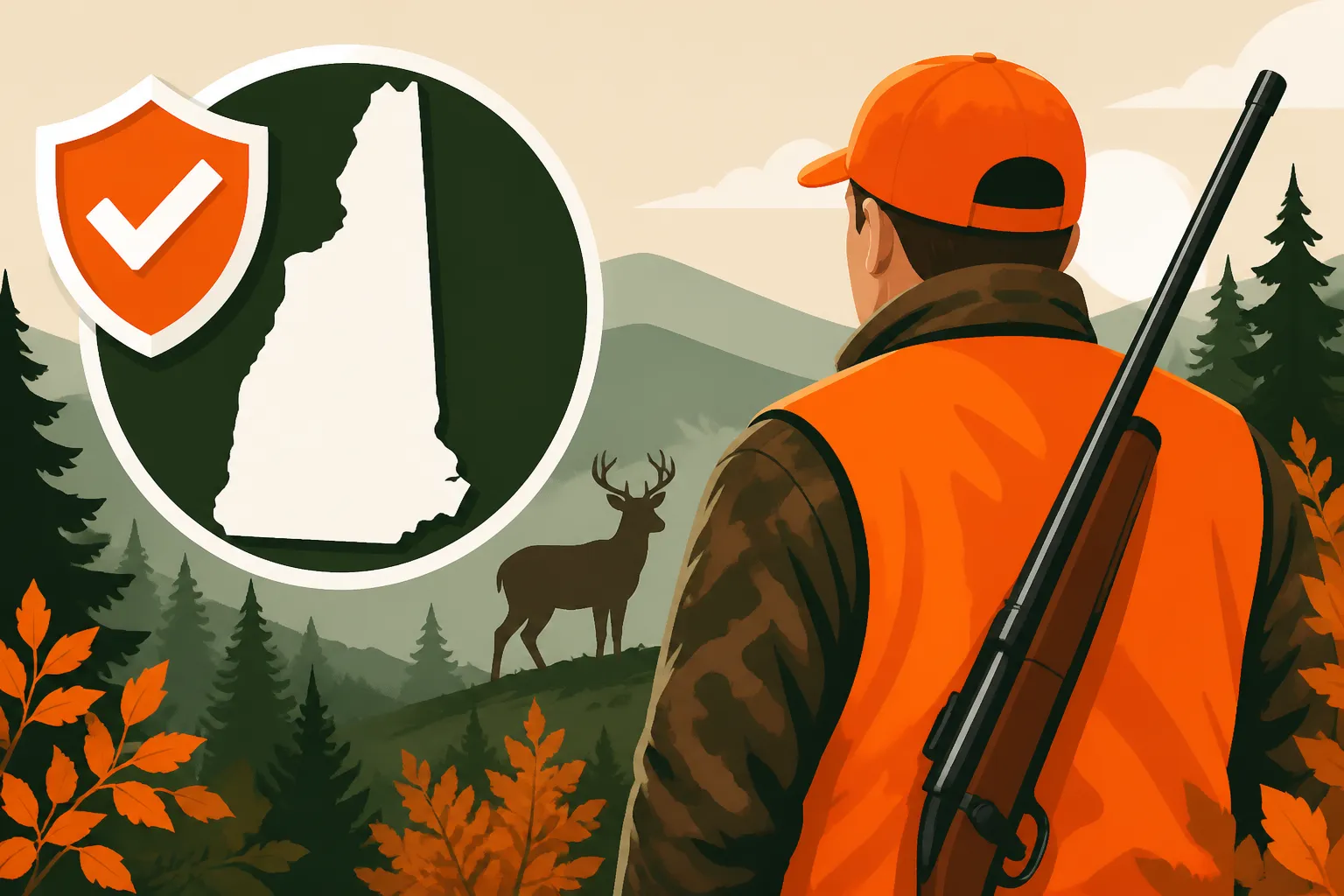
New Hampshire's law is quite clear about the minimum amount of blaze orange required during specific seasons. Generally, any person hunting deer, bear, or moose with a firearm or crossbow (during any open firearm season) must wear a minimum of 200 square inches of solid blaze orange material. This material needs to be visible from all sides, and typically, it needs to be worn above the waist. This isn't just for you; it's for everyone else in the woods, too.
Most hunters satisfy this requirement with a blaze orange vest and/or a blaze orange hat. A full blaze orange jacket is another popular option. The key is "solid" material – no camouflage patterns mixed in, just pure, unadulterated bright orange that screams "human" to anyone within sight. The 200 square inches might sound like a lot, but a standard hunting vest usually covers this, especially when paired with a bright orange cap. This ensures that whether you're bending over to inspect a track, sitting quietly on a stump, or walking through the timber, you present a clear, unmistakable profile.
Specific Seasons and Game Species Where it's Mandatory
The requirement for blaze orange is not universal across all hunting seasons and species in New Hampshire. It's primarily tied to big game seasons where firearms are legal, particularly during the high-pressure deer season. For instance, during the New Hampshire's November Firearms Deer Season, wearing blaze orange is not just a good idea, it's absolutely mandatory for anyone hunting deer, bear, or moose. Even if you're not specifically hunting deer, but you're out pursuing small game during this period, you’re still required to wear blaze orange if firearms deer season is open in that area.
However, there are notable exceptions. Waterfowl hunters, typically hidden in blinds or natural cover, and turkey hunters, who rely on camouflage to get close to wary birds, are generally exempt from blaze orange requirements while actively hunting. But even these hunters are encouraged to wear blaze orange when walking to or from their hunting locations, especially if firearms season is active for other species. Always check the current New Hampshire Fish and Game Digest, or consult a reliable hunting app like GoHunt, which can provide location-specific regulations, to ensure you're up to date on precise mandates for the species and season you're pursuing.
Blaze Orange in Deer and Moose Seasons
The excitement of deer or moose season in New Hampshire is unmatched, but it also means heightened hunter presence. During these critical periods, understanding and adhering to blaze orange regulations isn't just about avoiding a fine; it's about ensuring everyone's safety in potentially crowded woods.
The Critical Firearms Season
When the firearms deer season opens in New Hampshire, typically in November, the woods transform into a busy landscape. This is the period when hunter density is at its peak, and for good reason: bucks are often in rut, and colder weather drives deer to specific food sources. Consequently, the mandate for blaze orange becomes absolutely non-negotiable. Anyone hunting deer, bear, or moose with a firearm or crossbow during the firearms season must wear the specified 200 square inches of solid blaze orange above the waist, visible from all sides. Failing to do so is a clear violation and carries penalties, but more importantly, it puts you and others at severe risk.
Imagine the scenario: You're still-hunting slowly through a hardwood ridge during the heart of New Hampshire's November Firearms Deer Season. The leaves are down, vision is decent, but shadows play tricks. If you blend into the background, another hunter might glimpse movement, and in a split second of adrenaline, make a critical error. Your blaze orange stands out, signaling your human presence and preventing that mistake. It’s not about giving away your position to deer; it's about giving away your position to other hunters for safety. The risk is simply too high to take chances during this high-activity window.
Muzzleloader and Archery Overlaps
The rules for muzzleloader and archery hunters can be a bit more nuanced, as their seasons sometimes overlap with the general firearms season. For muzzleloader hunters, if the New Hampshire's Muzzleloader Deer Hunting in New Hampshire season is running concurrently with the general firearms season, then blaze orange requirements apply. This is because firearms are actively being used in the woods by other hunters, and the principle of universal visibility for safety takes precedence. It’s always best to assume you need it if any firearm season is open, even if you’re using a muzzleloader.
Archery hunters, on the other hand, typically enjoy a long, early season where blaze orange is not required. During the exclusive Bowhunting New Hampshire's Long Archery Season, archers rely on camouflage and stealth to get close to deer. However, if an archery hunter decides to pursue deer during the overlap when the firearms season is also open, they, too, must comply with the blaze orange mandate. This means if you’re bowhunting in late November or early December, when other hunters are out with rifles, your bowhunting gear must include that bright orange. It’s a common mistake for archers to forget this distinction, but safety dictates that when firearms are present, visibility is king.
Moose Hunting Considerations
For those fortunate enough to draw a coveted New Hampshire moose permit, the hunt often falls during a period of overlapping seasons. Moose season typically occurs in mid-October, which means that while it might not always overlap directly with the main firearms deer season, there are often bear or even earlier youth firearms seasons open. Therefore, if you are drawn for Moose Hunting New Hampshire's North Country, you should always confirm the exact dates and concurrent seasons in your Wildlife Management Unit (WMU).
Generally, if you are hunting moose with a firearm or crossbow, you are required to wear blaze orange during any period when a firearms season for deer or bear is also open in your WMU. Given the sheer size of a moose and the effort involved in packing one out, you'll likely be moving through various types of terrain where other hunters might be present. Wearing blaze orange ensures that the incredible experience of a moose hunt isn't marred by a preventable safety incident. Even if the law doesn't strictly mandate it every single day of the moose season, the prudent hunter understands the value of being seen, especially when dealing with a downed animal or navigating dense north country cover.
Exceptions and Specific Scenarios
While blaze orange is a cornerstone of safe hunting in New Hampshire, particularly for big game, it's not a blanket requirement for every hunting scenario. Certain species and methods of hunting have specific exemptions, primarily due to the nature of the hunt itself.
Waterfowl and Turkey Hunting
For pursuits like waterfowl and turkey hunting, the rules shift significantly. When you're tucked away in a marsh blind trying to decoy ducks on the Connecticut River, or hunkered down against a big white pine trying to call in a spring gobbler, camouflage is absolutely essential. Therefore, hunters actively pursuing Waterfowl Hunting New Hampshire's Two Zones or Spring Turkey Hunting in New Hampshire are exempt from the blaze orange requirements. The goal here is concealment, as ducks and geese have keen eyesight, and turkeys are notoriously wary.
However, this exemption comes with a very important caveat: it only applies while actively engaged in hunting from a stationary position or while stalking turkeys. If you're walking to your duck blind before dawn, or moving across a field to a new turkey setup, and other firearms seasons (like deer or bear) are open, it is highly recommended, and often legally required depending on the specific overlap, to wear blaze orange. Many waterfowl hunters will wear a blaze orange hat or vest over their camo while walking in, stashing it once they get to their blind. It’s a small extra step that drastically increases safety during transit, recognizing that the woods are shared by different hunters with different methods.
Small Game and Predator Hunting
Small game and predator hunting can present a mixed bag when it comes to blaze orange. If you're out chasing squirrels or snowshoe hare during the general firearms deer season, you are required to wear the standard 200 square inches of blaze orange. This ensures consistency in safety across the board when firearms are in use for any big game. Hunters enjoying Small Game and Predator Hunting in New Hampshire should always check the regulations for concurrent seasons. It's a key detail that can be easy to overlook when focusing on rabbits or grouse.
Predator hunters, especially those focused on Coyote Calling New Hampshire Farm Country, often hunt outside of the typical big game seasons, or even at night. During daylight hours when firearms deer season is not open, blaze orange might not be legally required for coyote hunting, though some still choose to wear it as a general safety practice. For night hunting coyotes, blaze orange is clearly not applicable. This is where using a robust resource like the GoHunt app becomes invaluable. It can swiftly inform you of the precise blaze orange requirements based on the species you're pursuing, the time of day, and the specific WMU you're hunting in, ensuring you're compliant and safe regardless of your target.
Crossbow Hunting and Youth Hunts
Crossbow hunting in New Hampshire is permitted in specific Wildlife Management Units (WMUs), and the blaze orange rules for crossbow users mirror those of traditional archers. If you are hunting with a crossbow during the special archery-only season, blaze orange is not required. However, if you are using a crossbow during any open firearms season (including the general firearms deer season), then you must wear blaze orange. This distinction is critical for hunters participating in Crossbow Hunting New Hampshire's Twelve WMUs. The weapon type matters less than the broader hunting environment when it comes to visibility requirements.
Youth hunts are another area where blaze orange is emphasized. New Hampshire Youth Deer Weekend Rules often specify mandatory blaze orange, not just for the youth hunter but also for any accompanying mentor. This creates an extra layer of safety for our youngest hunters, who may be new to navigating the woods and understanding hunter safety protocols. It reinforces the importance of visibility and responsibility from an early age, setting good habits for a lifetime of safe hunting. The focus on youth safety often means more stringent blaze orange adherence to create the safest possible environment.
Practical Application and Compliance
Understanding the law is one thing; putting it into practice in the field is another. Effective use of blaze orange goes beyond merely meeting the minimum square inches; it's about maximizing your visibility and integrating it seamlessly into your hunting setup.
Choosing the Right Gear
When it comes to blaze orange, quality and proper fit are key. Don't just grab the cheapest vest you can find. Look for vests, hats, or jackets that are truly solid blaze orange, without fading or excessive dirt that can diminish their vibrancy. While the law specifies 200 square inches, aiming for more, if comfortable and practical, is always a good idea. Consider a full blaze orange jacket or vest that covers more of your torso, especially if you anticipate sitting for long periods. Hats are excellent for visibility from above, particularly in areas with varied topography or when approaching elevated stands.
Make sure your blaze orange gear is clean and bright. A faded, mud-splattered vest from seasons past won't offer the same level of visibility as a fresh, clean one. Many hunters keep a dedicated blaze orange layering system. For example, a lightweight mesh vest for warmer days and a more substantial, perhaps insulated, vest or jacket for colder conditions. Modern materials are also more breathable and durable, making compliance comfortable rather than cumbersome.
Layering and Visibility
New Hampshire weather is notoriously unpredictable, especially during hunting season. A crisp October morning can turn into a damp, freezing afternoon, or a mild November day can give way to heavy snow. This makes layering crucial for comfort and warmth. The challenge is to layer effectively while ensuring your blaze orange remains fully visible from all angles. Check out our guide on Layering for New Hampshire's Cold Hunting Season for more tips on staying warm without bulk.
Your blaze orange layer should always be your outermost garment, or at least strategically placed to be seen. Avoid tucking your blaze orange vest into your backpack straps or letting a large pack obscure it from behind. If you're carrying a harvested deer or bear out of the woods, consider attaching a piece of blaze orange material to the animal itself, or draping it over the game as you drag or carry it, especially if it's visible from a distance. The goal is 360-degree visibility. Before heading into the field, do a quick self-check in a mirror or have a hunting partner confirm that your blaze orange is prominent and unobstructed.
The Importance of Knowing Your WMU and Season Dates
New Hampshire's hunting regulations are highly specific, often varying by Wildlife Management Unit (WMU) and specific season dates. What's legal and required in WMU A in early October might be different in WMU K in mid-November. This is particularly true for blaze orange requirements. For example, the closing date for archery season in WMU A might be different than other units, affecting when blaze orange becomes mandatory for archers during overlapping seasons. Referencing New Hampshire's WMU-Based Deer Season Structure is vital for understanding these nuances.
It's your responsibility as a hunter to know the regulations for the specific area and time you are hunting. The official New Hampshire Fish and Game Digest is your primary source of information, updated annually. However, many hunters find digital tools incredibly useful. Modern hunting apps, such as GoHunt, often provide real-time updates and geo-located regulations, making it easier to confirm requirements on the fly. Don't rely on memory or assumptions; always double-check the current season dates and specific blaze orange mandates for your hunt to ensure full compliance and maximize safety.
Beyond the Law: The Ethos of Safety
While laws define the minimum requirements for blaze orange, true hunting safety extends far beyond mere compliance. It's about cultivating a mindset, embracing personal responsibility, and actively contributing to a culture of safety among all hunters in the New Hampshire woods.
Personal Responsibility
Blaze orange is a powerful tool, but it's only one component of a comprehensive safety plan. Wearing it correctly means you're doing your part to be seen, but it doesn't absolve you of other critical safety practices. The core tenets of hunter safety—like positively identifying your target, knowing what's beyond it, keeping your muzzle pointed in a safe direction, and treating every firearm as if it's loaded—remain paramount. Blaze orange is a layer of defense against misidentification, but it's not a bulletproof vest.
A truly responsible hunter understands that safety is a constant, active effort. This includes scouting safely, communicating clearly with hunting partners, and making ethical decisions, especially when faced with challenging shots or questionable visibility. Embrace the full spectrum of hunter safety, and view blaze orange as a foundational element, not the sole solution. Your personal choices and actions directly impact the safety of everyone sharing the forest.
Educating Others
One of the most impactful ways to promote hunting safety is through education and mentorship. If you hunt with others, especially newer hunters or those unfamiliar with New Hampshire's specific regulations, take the time to explain not just what the blaze orange rule is, but why it exists. Share stories or hypothetical scenarios that illustrate the critical role visibility plays in preventing accidents. This kind of discussion fosters a deeper appreciation for safety protocols.
Consider taking a new hunter under your wing. New Hampshire has a robust New Hampshire Mentored Youth Hunting Rules program that allows young hunters to learn from experienced individuals. This is a perfect opportunity to instill strong safety habits from the very beginning, including the proper use and understanding of blaze orange. By actively engaging in the education of others, you help perpetuate a safer, more responsible hunting community for generations to come.
The Future of Blaze Orange in New Hampshire
The discussion around blaze orange isn't static. Wildlife agencies and hunter safety advocates continually review and refine regulations to enhance safety. New Hampshire is ahead of some states by already allowing blaze pink as an alternative to blaze orange, offering hunters more options while maintaining the same high standard of visibility. Our article on Blaze Pink Options Under New Hampshire Law delves deeper into this. These kinds of legislative updates reflect an ongoing commitment to balancing safety with hunter choice and modern research.
The effectiveness of blaze orange is well-documented, but as hunting practices evolve and new materials emerge, the conversation will continue. Staying informed about potential changes and participating in local discussions about hunting safety are great ways to contribute to the future of ethical and safe hunting in the Granite State. Ultimately, the goal is always to ensure that every hunter returns home safely, ready to share their experiences and look forward to the next season.
New Hampshire Blaze Orange Requirements Overview
To help clarify the general requirements, here’s a quick overview. Always consult the most current New Hampshire Fish and Game Digest for precise, up-to-date regulations.
| Hunting Season / Activity | Blaze Orange Required? | Minimum (if required) | Key Considerations |
|---|---|---|---|
| Firearms Deer Season | YES | 200 sq. inches, above waist | Mandatory for all deer, bear, moose, and small game hunters. Visible 360 degrees. |
| Muzzleloader Deer Season | Conditional | 200 sq. inches, above waist | Required if concurrent with any open firearms season. |
| Archery Deer Season (Archery-Only) | NO | N/A | Camouflage is primary. |
| Archery Deer Season (During Firearms) | YES | 200 sq. inches, above waist | If bowhunting when firearms are also permitted, blaze orange is required. |
| Moose Season | Conditional | 200 sq. inches, above waist | Required if concurrent with any open firearms season. |
| Bear Season (Firearms/Crossbow) | YES | 200 sq. inches, above waist | Required when using firearms or crossbows, especially during overlapping deer seasons. |
| Spring Turkey Hunting | NO | N/A | Camouflage is key while actively hunting. Recommended when walking to/from hunting spot if firearms season is open. |
| Fall Turkey Hunting | NO | N/A | Camouflage is key while actively hunting. Recommended when walking to/from hunting spot if firearms season is open. |
| Waterfowl Hunting | NO | N/A | Camouflage for concealment. Recommended when walking to/from blind if firearms season is open. |
| Small Game (during Firearms Deer) | YES | 200 sq. inches, above waist | Mandatory if any firearms deer season is active in your area. |
| Coyote Hunting (Daylight, no concurrent firearms) | NO | N/A | Check specific dates; often not required outside of big game firearms seasons. |
| Youth Deer Weekend | YES | 200 sq. inches, above waist | Mandatory for youth and adult mentors. |
Disclaimer
The information provided in this article is for general guidance only and is not a substitute for the official New Hampshire Fish and Game Department hunting regulations. Hunting laws and regulations can change annually. It is the responsibility of every hunter to consult the most current New Hampshire Hunting & Trapping Digest or the official NH Fish and Game website for precise and up-to-date information before heading afield.