Layering for New Hampshire’s Cold Hunting Season
Oh, the sheer joy (and sometimes dread) of stepping out into a New Hampshire hunting season morning! One minute it's crisp and cool, the next a biting wind rips through the hardwoods, or a late-season snow squall blows in from the north. I know the frustration of being too cold to focus, or worse, sweating buckets on a long hike only to freeze stiff when you finally settle into your stand. This guide is all about mastering the art of layering, ensuring you stay comfortable, focused, and ready for whatever the unpredictable Granite State weather throws your way, making your time in the woods more productive and enjoyable.
Understanding New Hampshire's Weather Challenges
If you've spent any time at all outdoors in New Hampshire, you know our weather isn't just a suggestion; it's a dynamic, ever-changing force that demands respect. You can check the forecast religiously, pack your gear, and still find yourself caught off guard by a sudden drop in temperature, a sneaky shower, or a wind gust that feels like it came straight from the Arctic. This isn't just about being uncomfortable; it's about staying safe and effective in the field.
The Unpredictable Nature of Granite State Weather
One of the biggest hurdles New Hampshire hunters face is the sheer unpredictability of our weather. It’s not uncommon to wake up to frost on the truck windshield in September, only to be shedding layers by mid-morning as the sun climbs high. Then, come afternoon, a cold front might sweep through, bringing with it a sudden chill. In the late fall, a beautiful, crisp day can turn into a raw, damp ordeal in a matter of hours. This means that a static approach to clothing simply won't cut it. You need a system that can adapt as quickly as the weather changes, allowing you to add or subtract insulation on the fly. Relying on a single heavy coat, for instance, might keep you warm when sitting still, but it will quickly lead to overheating and sweating during a strenuous hike, leaving you chilled to the bone once you stop moving.
Think about those early October mornings during Bowhunting New Hampshire's Long Archery Season. You might start your walk into the woods with a thin fleece over your base layer, only to feel the sun beating down on you by 9 AM, making you regret that extra layer. But then, as shadows lengthen and you settle into your stand for the evening hunt, that temperature plummets again, and you're wishing you had something substantial to throw on. This constant flux requires foresight and a versatile clothing strategy.
Wind, Rain, and Snow: Common Foes
Beyond just temperature swings, New Hampshire throws a lot of other elements at us. Wind is often the silent killer of warmth, especially when you're perched on an exposed ridge or sitting in a treestand. Even a relatively mild temperature can feel brutally cold with a 15-20 mph wind cutting through your clothing. It strips away the insulating layer of warm air your body creates, making you feel much colder than the thermometer indicates. Protecting yourself from the wind is paramount, particularly when you're trying to remain motionless and quiet.
Rain, sleet, and snow are equally formidable. Getting wet, even from light drizzle, dramatically reduces your body's ability to retain heat. The moisture conducts heat away from your body much faster than dry air, and it can compress insulating layers, rendering them ineffective. Imagine sitting out in a steady rain during New Hampshire's November Firearms Deer Season, feeling the dampness seep through your outer shell. Not only are you uncomfortable, but your focus on the hunt diminishes, and the risk of hypothermia increases. Therefore, your layering system must include a robust defense against precipitation, ensuring you stay dry from the outside, even if you’re working up a sweat underneath.
Elevation and Microclimates
New Hampshire’s diverse topography, from the seacoast to the White Mountains, creates a fascinating array of microclimates. What might be a relatively calm and mild day in the Merrimack Valley can be a blustery, bone-chilling experience just a few thousand feet up on a mountain ridge. Elevation plays a huge role in temperature, wind speed, and even precipitation type. A misty rain at the base of a mountain can easily be freezing rain or snow higher up.
Consider hunting in the White Mountain National Forest. You might park your truck in a valley where the air is still, but as you hike up a logging road or a steep trail to reach a saddle or a high bench, the temperature drops, and the wind picks up significantly. These localized weather patterns mean you can't just rely on a regional forecast. You need to be aware of the specific conditions in your hunting spot and understand how they might differ from the general forecast. Wind and Thermals in Steep Granite Terrain become incredibly important to understand, not just for deer movement, but for your own comfort and safety. This constant variability underscores why a flexible, adaptable layering system is the absolute best approach for hunting across New Hampshire's varied landscapes.
The Science Behind Layering: Why It Works
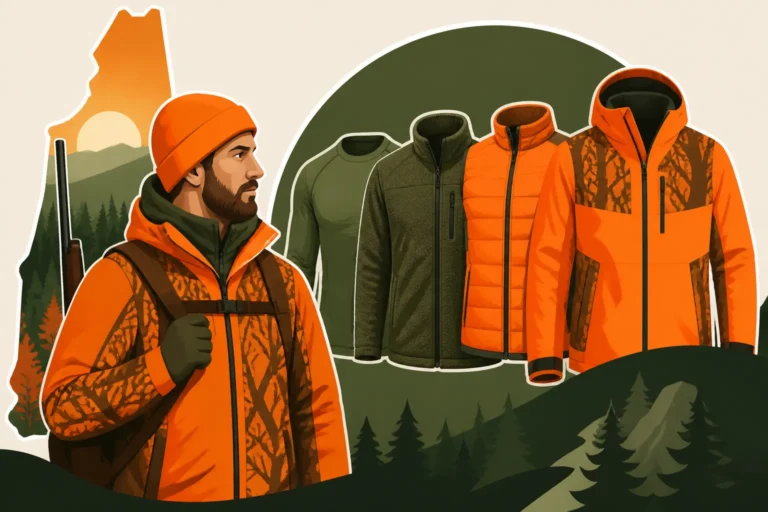
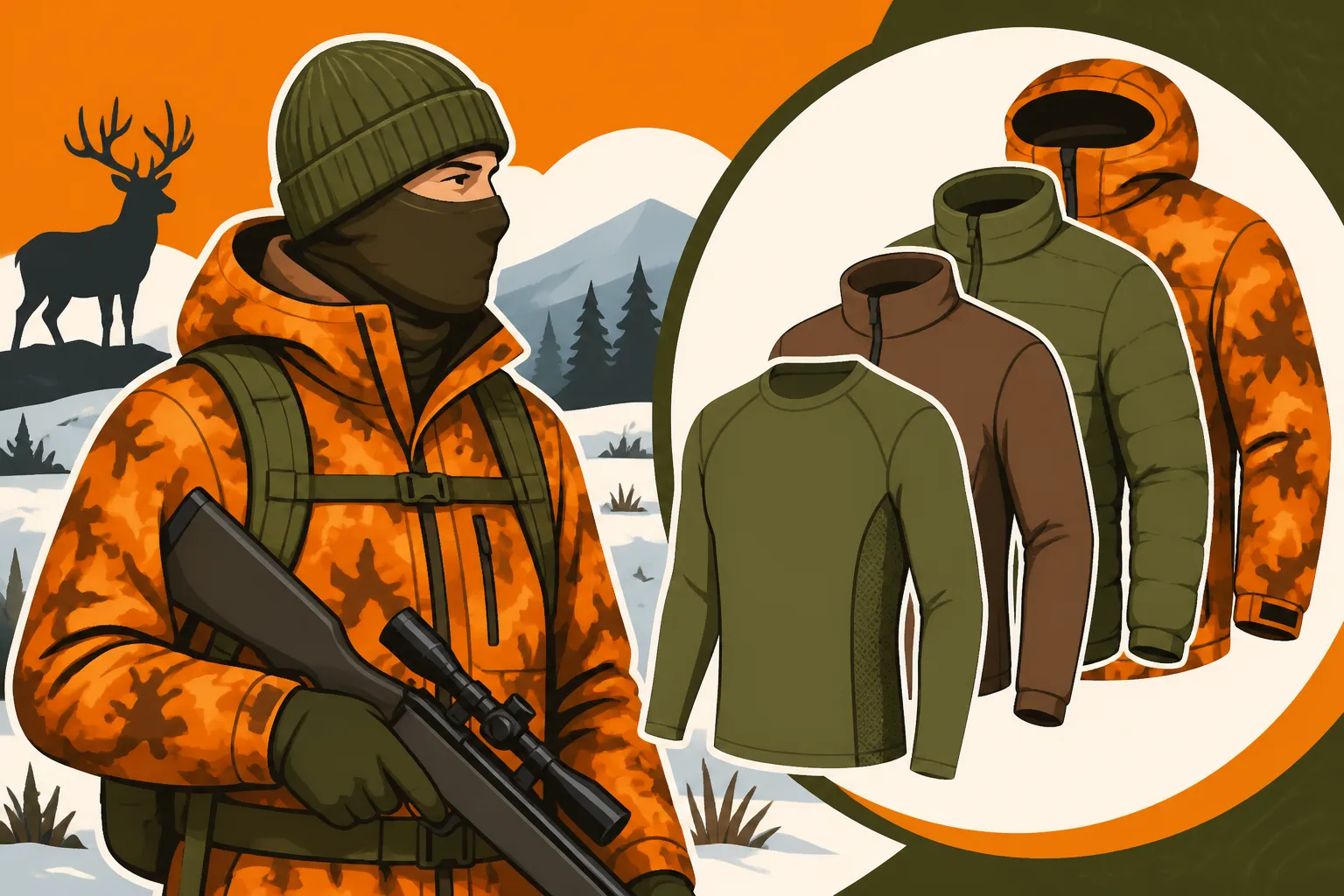
Layering isn't just a collection of clothes; it's a strategic system designed to keep you comfortable across a wide range of temperatures and activity levels. It works by managing the air around your body, controlling moisture, and providing adaptable protection from the elements. Once you understand these core principles, you can build a system that's truly effective for any New Hampshire hunt.
The Core Principle: Trapping Air for Warmth
At its heart, layering is about trapping air. Air is an excellent insulator, and the more tiny pockets of air you can trap around your body, the warmer you'll be. Each layer in your system, from your base to your mid-layer, is designed to create these insulating air pockets. Instead of one thick, heavy garment, multiple thinner layers create multiple air pockets, providing superior insulation without excessive bulk.
Think of it like the insulation in your house's walls. It's not a solid block, but rather a fluffy material that traps air. Your clothing layers do the same thing. When you wear a single heavy coat, you only have one major air pocket. But with a base layer, a mid-layer, and an outer shell, you've got three distinct zones where warm air can be captured close to your body. This also allows for much better temperature regulation. If you get too warm, you can remove a layer, releasing some of that trapped air and allowing your body to cool down. If you get cold, you add a layer, creating more insulation. This adaptability is crucial when hunting, as your activity level and the environmental conditions are constantly shifting.
Moisture Management is Key
One of the most critical, yet often overlooked, aspects of staying warm is staying dry. This isn't just about preventing rain from getting in; it's also about managing the moisture your own body produces through sweat. When you exert yourself – hiking up a steep incline, dragging a deer, or even just setting up a treestand – your body sweats to cool down. If that sweat remains against your skin or saturates your clothing, it becomes a major problem.
Moisture conducts heat away from your body twenty-five times faster than dry air. So, even if you’re wearing the warmest insulation, if it’s damp with sweat, you’ll start to feel a deep, penetrating cold the moment your activity level drops. This is why cotton is generally considered the enemy of hunters in cold weather; it absorbs moisture and holds onto it, becoming heavy, cold, and slow to dry. A good layering system actively works to move sweat away from your skin and through the layers, allowing it to evaporate from the outer surface. This process, known as wicking, keeps your skin dry and your insulating layers effective. Proper moisture management is the difference between a comfortable hunt and shivering uncontrollably in your stand.
Adapting to Your Activity Level
Hunting isn't a static activity. You might spend an hour hiking hard to get to your favorite Hunting a Ridge-Top Saddle for Rutting Bucks, then sit perfectly still for three hours, and then perhaps spend another hour or two tracking a deer. Each of these activities demands a different level of insulation. If you start your hike bundled up for sitting still, you'll quickly overheat, sweat, and then, inevitably, get cold when you stop.
This is where the beauty of a well-planned layering system shines. You can start your strenuous hike with fewer layers, maybe just your base layer and a light shell, keeping the heavier insulation in your pack. Once you reach your destination and cool down, you can add your mid-layers and outer shell as needed. This allows you to proactively manage your body temperature and moisture output. It's about being dynamic, not static. Hunters who master this often use a mapping app like GoHunt to scout terrain, anticipate their exertion levels, and plan their layers accordingly before even leaving the truck. Being able to shed a Best Mid-Layer for a November Firearms Hunt during a steep climb and then put it back on for an all-day sit is a game-changer. It means you're always operating at an optimal temperature, minimizing sweat and maximizing warmth when you need it most.
The Base Layer: Your Skin's Best Friend
The base layer is arguably the most crucial component of your entire layering system, acting as the foundation for everything else. It’s the layer directly against your skin, and its primary job is to manage moisture. Get this wrong, and the rest of your expensive, high-tech gear won't matter much.
Wicking Away the Wetness
As we discussed, sweat is the enemy of warmth in cold weather. Your base layer's number one priority is to wick that moisture away from your skin. It achieves this by having a specific fabric construction that draws moisture from the skin's surface and transfers it to the outer surface of the fabric, where it can then evaporate or be transferred to the next layer. This keeps your skin dry, preventing that clammy, chilled feeling that can quickly set in when you stop moving.
Imagine starting a long climb up a White Mountain logging road in the crisp morning air. Without a proper wicking base layer, the sweat you generate would soak into your cotton t-shirt, sticking to your skin. When you finally stop to Hang a Stand on a Granite Ridge and cool down, that wet cotton will rapidly pull heat from your body, making you shiver. A good base layer, however, will feel dry to the touch even when you’re sweating, moving that moisture away so your body’s natural warmth isn’t compromised. This effect is subtle but absolutely vital for comfort and safety in New Hampshire's unpredictable climate.
Material Choices: Merino Wool vs. Synthetics
When it comes to base layer materials, the two titans are merino wool and synthetics. Both are excellent at wicking, but they have distinct characteristics.
Merino Wool:
- Pros: Exceptionally soft (not scratchy like traditional wool), excellent warmth-to-weight ratio, naturally anti-microbial (meaning it resists odors, a huge bonus on multi-day hunts!), and still provides insulation even when damp. It's also a natural, renewable fiber. Many hunters swear by merino for its comfort and natural feel.
- Cons: Generally more expensive than synthetics and can be less durable against abrasion. It also takes longer to dry than most synthetics.
- Best for: Longer hunts, situations where odor control is key, and when you want natural warmth that performs well even if it gets a little damp. A Best Base Layer for a September Archery Sit would often be merino.
Synthetics (Polyester, Polypropylene):
- Pros: Extremely durable, dries very quickly, and often more affordable. Modern synthetics are engineered to be highly effective at wicking and come in various thicknesses.
- Cons: Can retain odors more readily than merino wool over time (though many now have anti-odor treatments), and generally doesn't insulate as well as merino when wet.
- Best for: High-exertion activities where rapid drying is paramount, shorter hunts, and when budget is a primary concern.
It really comes down to personal preference and your specific hunting style. Many hunters, myself included, will often have a mix of both in their gear locker, choosing based on the anticipated conditions and duration of the hunt.
| Feature | Merino Wool | Synthetic (Polyester/Polypropylene) |
|---|---|---|
| Wicking Ability | Excellent | Excellent |
| Insulation (Dry) | Excellent | Very Good |
| Insulation (Wet) | Good (retains warmth when damp) | Fair (loses significant warmth when wet) |
| Odor Control | Excellent (naturally anti-microbial) | Fair to Good (often requires chemical treatments) |
| Drying Time | Moderate to Slow | Fast |
| Durability | Good (can be prone to pilling/abrasion) | Excellent (very resistant to wear and tear) |
| Comfort | Very soft, non-itchy | Soft, smooth, can feel clammy if not breathable |
| Cost | Higher | Lower to Moderate |
Fit and Comfort for All-Day Wear
A base layer should fit snugly against your skin, but not be constrictive. This snug fit is essential for efficient wicking; the fabric needs to be in direct contact with your skin to draw moisture away effectively. If it’s too loose, there will be air gaps, and the wicking process will be less efficient. However, too tight, and it can restrict movement, create uncomfortable pressure points, and hinder blood circulation, which paradoxically can make you feel colder.
Look for flatlock seams that won't chafe, especially under a backpack or when you're moving vigorously. The material should feel comfortable against your skin for hours on end, because you'll be wearing it for the duration of your hunt. Remember, hunting involves a lot of sitting, bending, climbing, and sometimes crawling, so your base layer needs to move with you without bunching up or creating discomfort. For hunters heading out on longer trips, or those still-hunting through thick cover, comfort isn't a luxury; it's a necessity for maintaining focus and endurance. Don't compromise on a base layer that feels right on your body.
The Mid-Layer: The Heart of Your Insulation System
Once you've got your base layer sorted, the mid-layer steps in as your primary insulator. This is where the bulk of your warmth comes from, and it's also the layer you'll most frequently add or subtract as conditions and your activity levels change throughout the day. Choosing the right mid-layer is crucial for staying warm without getting bogged down by excessive weight or bulk.
Creating a Warmth Reservoir
The mid-layer's main job is to trap a significant amount of warm air close to your body, acting as a "warmth reservoir." This is achieved through lofted materials that create thousands of tiny air pockets. Unlike the base layer, which is thin and focuses on wicking, the mid-layer is thicker and designed purely for insulation. By trapping a substantial volume of air, it prevents your body heat from escaping into the colder environment.
Imagine sitting in a treestand on a crisp November morning, waiting for deer movement during Hunting the Rut in Early-to-Mid November. Without a good mid-layer, the warmth from your base layer would quickly dissipate. But with a properly chosen fleece or insulated jacket, that heat is held in, creating a comfortable microclimate around your torso. This is particularly important when your activity level drops from a brisk walk to a motionless sit. The mid-layer fills that void, ensuring a consistent warmth that keeps you from shivering and allows you to remain focused on the task at hand. When you're glassing a clear-cut or waiting patiently in a beaver flowage, that warmth reservoir is your best friend.
Fleece, Down, and Synthetic Insulation
The world of mid-layers offers a few key material choices, each with its own benefits:
-
Fleece: A perennial favorite for hunters, fleece (typically made from polyester) is affordable, durable, breathable, and provides good warmth even when slightly damp. It comes in various weights (100-weight, 200-weight, 300-weight), allowing you to customize your insulation.
- Pros: Dries relatively quickly, comfortable, quiet, and doesn't lose much insulating power if it gets a bit wet. Excellent for active hunting where breathability is important.
- Cons: Not as warm for its weight as down, and can be bulky for its warmth level.
- Best for: Most New Hampshire hunting scenarios, especially during moderate to cold conditions and when you need a breathable, quiet layer. Think a Best Mid-Layer for a November Firearms Hunt.
-
Down: Nature's best insulator, down (feathers from ducks or geese) offers incredible warmth for its weight and packs down very small.
- Pros: Unbeatable warmth-to-weight ratio, extremely compressible, making it great for packing.
- Cons: Very expensive, loses almost all insulating power when wet, and takes a long time to dry. Not ideal for wet environments unless meticulously protected by a waterproof outer shell.
- Best for: Very cold, dry conditions, or as an emergency layer that you only put on when completely still and protected from moisture.
-
Synthetic Insulation (PrimaLoft, Thinsulate, Coreloft, etc.): Designed to mimic down's loft and warmth, but performs much better when wet. These are typically fine synthetic fibers that trap air.
- Pros: Insulates well when damp, dries faster than down, more affordable than high-quality down, and offers a good warmth-to-weight ratio.
- Cons: Not quite as warm or compressible as top-tier down for the same weight, can be heavier than down.
- Best for: Cold, damp conditions, or as a versatile layer that can handle some exposure to moisture, particularly in New Hampshire's often wet late-season conditions. A Best Insulated Layer for a December Muzzleloader Hunt would often be synthetic.
Choosing between these often depends on the specific forecast and the type of hunting you plan to do. For instance, if you expect a lot of rain or wet snow during Muzzleloader Deer Hunting in New Hampshire, synthetic insulation might be a safer bet than down.
Strategic Ventilation for Heat Regulation
While the mid-layer's main job is insulation, it's also a key player in temperature regulation. High-quality mid-layers often incorporate features like full-length zippers, pit zips, or breathable side panels. These aren't just for convenience; they're strategic ventilation points that allow you to dump excess heat and moisture quickly, preventing overheating and sweating.
Imagine you're climbing a steep hill, your heart pounding, and you can feel sweat starting to bead up on your back. Instead of having to completely remove your mid-layer, you can simply unzip the front, open your pit zips, or even roll up your sleeves if the design allows. This creates a chimney effect, allowing warm, moist air to escape, slowing down the onset of heavy sweating. Once you reach the top and your exertion level drops, you can zip back up, trapping that warmth again before you get cold. This ability to fine-tune your temperature without constantly adding and removing layers is invaluable, especially when trying to stay quiet and discreet in the field. It’s a subtle but powerful way to maintain comfort and avoid the dreaded "chill after the climb."
The Outer Layer: Your Shield Against the Elements
The outer layer, often called a shell, is your ultimate defense against New Hampshire's harsh weather. It's the layer that protects you from wind, rain, and snow, while also needing to be durable enough to withstand brush and briars, and quiet enough not to spook game. This layer doesn't typically provide much insulation on its own, but it's vital for protecting the insulating layers underneath and ensuring they can do their job effectively.
The Final Defense: Weather Protection
The primary role of your outer layer is to be a barrier. It stands between you and the full force of the New Hampshire elements. This means it needs to be waterproof and windproof to prevent rain, sleet, snow, and biting winds from penetrating your internal warmth system. If your outer layer fails, all the excellent wicking and insulation from your base and mid-layers can be compromised. Even a seemingly small amount of moisture or wind getting through can rapidly cool your core.
Consider a sudden downpour that often occurs during the longer Hunting New Hampshire's Archery Season Into December. If your outer layer isn't up to par, that rain will soak your mid-layers, flattening their loft and turning your warmth reservoir into a cold, damp sponge. Similarly, a fierce gust of wind can cut through a non-windproof jacket, stealing warmth and making you shiver uncontrollably. A high-quality outer shell acts like a force field, allowing you to endure adverse conditions without sacrificing comfort or concentration. When scouting for potential spots, GoHunt’s weather overlays can help you anticipate precipitation and wind, allowing you to choose the right outer layer for the expected conditions.
Material Technology: GORE-TEX and Beyond
The technology behind waterproof and windproof outerwear has come a long way. The most well-known name is GORE-TEX, a membrane that is both waterproof and breathable. It works by having billions of microscopic pores that are too small for liquid water droplets to pass through, but large enough for water vapor (sweat) to escape. This means you stay dry from the outside elements, while internal moisture from sweat can still vent out.
However, GORE-TEX isn't the only player. Many other brands have developed their own proprietary waterproof-breathable membranes, such as eVent, Pertex Shield, DryVent, or various company-specific coatings.
When choosing an outer layer, look for:
- Waterproof Rating: Measured in millimeters (mm), this indicates how much water pressure the fabric can withstand before leaking. Higher numbers mean more waterproof.
- Breathability Rating: Measured in grams per square meter (g/m²), this indicates how much moisture vapor can pass through the fabric in 24 hours. Higher numbers mean more breathable.
Beyond the membrane, the fabric's face also matters. A DWR (Durable Water Repellent) finish on the outer fabric causes water to bead up and roll off, preventing the fabric from "wetting out." Pay attention to taped seams as well; even the most waterproof fabric will leak through its stitching if the seams aren't sealed. For hunters, the challenge is often finding gear that is both protective and quiet. Many dedicated hunting apparel brands offer waterproof-breathable shells with softer, quieter face fabrics, often brushed, to minimize noise while moving through the woods.
Noise and Mobility Considerations for Hunters
For hunters, an outer layer isn't just about protection; it's about stealth. A noisy jacket that rustles with every movement can quickly alert wary game. This is why many hunting-specific outer layers utilize softer, brushed fabrics or incorporate silent technologies. While a hard-shell rain jacket might be perfectly waterproof, if it sounds like a tarp flapping in the wind, it's not going to be effective for still-hunting or sitting quietly in a stand.
Mobility is another critical factor. Your outer layer should allow for a full range of motion, whether you're drawing a bow, shouldering a rifle, or climbing over fallen logs. It shouldn't be so bulky that it restricts your swing or creates friction points. Look for articulated elbows, gusseted underarms, and adjustable cuffs and hems that allow you to fine-tune the fit. The fit should be loose enough to accommodate your base and mid-layers underneath without compressing them, but not so baggy that it creates excess fabric to snag or make noise. The goal is to be a silent, adaptable predator, not a crinkly, cumbersome one. Remember that even the Best Rain Gear for a Wet White Mountain Hunt needs to be quiet if you plan to move through the timber unnoticed.
Head, Hands, and Feet: Don't Forget the Extremities
We often focus on core layering, but your head, hands, and feet are crucial for overall thermal regulation. These extremities are prone to rapid heat loss, and keeping them warm is essential for comfort, dexterity, and preventing the miserable feeling of being "cold all over."
Heat Loss Through Your Head
It's an old adage, but there's a lot of truth to it: if your head is cold, your whole body feels cold. While the exact percentage of heat lost through the head is debated, the fact remains that a significant amount of heat can escape from this uncovered area, especially in cold, windy conditions. Your brain needs a consistent temperature, and your body will divert blood flow to your head to maintain it, often at the expense of your fingers and toes.
Therefore, covering your head is a simple yet highly effective way to conserve body heat. Options range from thin merino wool beanies that fit under a hat or hood, to insulated balaclavas for extreme cold, or even neck gaiters that can be pulled up over your face. For example, when you're glassing a bog for a bull moose in late October, a warm hat can make all the difference in enduring the cold. Cold-Weather Sitting Strategy in the North Country often emphasizes head and neck warmth. Having a couple of options, like a light beanie and a heavier wool cap, allows you to adjust based on the intensity of the cold and your activity. Don't underestimate the power of a good hat!
Protecting Your Digits: Gloves and Mitts
Cold hands can quickly turn a great hunting trip into a frustrating ordeal. Losing dexterity due to numb fingers makes it difficult to manipulate calls, handle your weapon safely, use optics, or even zip up your jacket. Finding the right hand protection is a balance between warmth and functionality.
- Layering for Hands: Just like your core, you can layer your hands. A thin merino liner glove can provide a baseline of warmth and wicking, and allow you to perform fine motor tasks without completely exposing your hands. Over this, you might wear a thicker, insulated glove or a mitt.
- Gloves vs. Mitts: Mitts are generally warmer than gloves because they allow your fingers to share warmth. However, they significantly reduce dexterity. Many hunters opt for a "shooter's mitt" design, which combines the warmth of a mitt with the ability to flip back a portion to expose your fingers for shooting or other precise tasks.
- Material and Insulation: Look for windproof and water-resistant materials, especially if you expect wet conditions. Insulation like PrimaLoft or Thinsulate is common. For the coldest days, a pair of thick, insulated waterproof mittens might be necessary, perhaps carried in your pack to put on during long periods of sitting still. Best Gloves for Cold-Weather Glassing suggests models that offer both warmth and tactile feel.
Always have a backup pair, or even just some inexpensive hand warmers, in your pack. There's nothing worse than wet gloves on a cold day.
Footwear and Socks: The Foundation of Comfort
Your feet are your foundation in the field, and keeping them warm and dry is paramount. Cold, wet feet are not only incredibly uncomfortable but can also lead to blisters, frostnip, and a general feeling of misery that drains your resolve.
- Socks: This is where the layering for feet begins. Avoid cotton socks at all costs, as they absorb sweat and offer no insulation when wet. Opt for merino wool or synthetic blend socks that are designed to wick moisture and provide insulation.
- Layering Socks: For colder weather, consider a thin wicking liner sock (synthetic or thin merino) underneath a thicker, insulated merino wool sock. The liner sock helps prevent blisters by reducing friction and further aids in wicking.
- Fit: Ensure your socks fit well – not too tight (which can restrict circulation) and not too loose (which can bunch up and cause blisters).
- Boots: Your boots need to be waterproof, insulated (if appropriate for the temperature), and offer good support and traction for New Hampshire's varied terrain, from rocky climbs to boggy lowlands.
- Waterproofing: This is non-negotiable. Look for boots with GORE-TEX or similar waterproof membranes. Regularly treat your boots with a waterproofing spray or wax.
- Insulation: Boot insulation is typically measured in grams (e.g., 200g, 400g, 800g, 1200g). Choose the level appropriate for the expected temperatures and your activity. Too much insulation can lead to sweaty feet, while too little will leave you cold.
- Fit: Your boots should fit well with your chosen socks, allowing for good circulation. Try them on with the same socks you plan to hunt in.
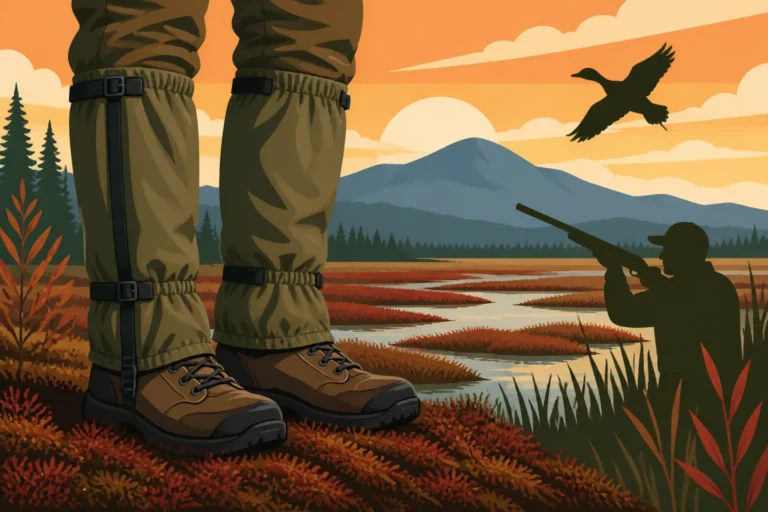
- Gaiters: For deep snow, wet brush, or stream crossings, gaiters are invaluable. They prevent snow and water from getting into the top of your boots, keeping your feet dry. Best Boots for North Country Bog Hunting details specific footwear needs for challenging wet terrain.
Just like with gloves, having a spare pair of dry socks in your pack is always a smart move. There's almost nothing better than fresh, dry socks on a cold day.
Adapting Layers for Different New Hampshire Seasons and Hunts
New Hampshire's hunting seasons span several months, encompassing a wide range of temperatures and conditions. What works for early archery season will absolutely not work for late-season muzzleloader hunting. A successful layering strategy means understanding these seasonal shifts and adjusting your gear accordingly.
Early Archery Season: Dealing with Warm Days, Cold Nights
New Hampshire's archery season often kicks off in mid-September, a time when daytime temperatures can still be quite mild, even into the 60s or 70s, but nights and early mornings dip into the 40s or even 30s. This rapid temperature swing is the biggest challenge for layering.
- Base Layer: A lightweight merino wool or synthetic base layer is ideal. Its wicking properties will be crucial for managing sweat during warm midday hikes, and it will provide a touch of warmth during the cool mornings.
- Mid-Layer: A very light fleece vest or jacket is usually sufficient. This can be easily shed and stowed in your pack when it warms up, and put back on for the evening sit. Something breathable is key, like a 100-weight fleece or a grid fleece.
- Outer Layer: A lightweight, packable windbreaker or rain jacket is a must. It won't provide much insulation but will cut the wind chill on a breezy morning and protect you from unexpected afternoon showers. Look for something that is quiet.
- Extremities: A light beanie for the cold mornings, thin liner gloves for dexterity, and breathable, mid-weight merino socks with uninsulated or lightly insulated boots are generally appropriate. You might find yourself removing the beanie by mid-morning.
- Packing Smart: This is the season where packing extra layers for flexibility is paramount. You'll likely start cold, get hot, and end cold. Having those layers ready in your pack is crucial. If you're heading out to Hunt a Green Field Planted for Deer, the mornings will be chilly, but the field itself can be a sun trap later in the day.
Firearms Season: Peak Cold and Variability
New Hampshire's firearms season, predominantly in November, is typically the coldest and most variable. You can experience everything from mild, rainy days to deep snow and single-digit temperatures, often within the same week. This demands a robust and flexible layering system.
- Base Layer: Medium to heavy-weight merino wool or synthetic base layers are recommended. They need to provide excellent wicking and a good amount of thermal insulation against the colder air.
- Mid-Layer: This is where you'll stack your insulation. A 200-weight or 300-weight fleece jacket, combined with a synthetic insulated puffy jacket or vest, is a common setup. The ability to add or remove these pieces is vital. For example, you might wear the fleece while still-hunting and add the puffy when you decide to sit for an hour.
- Outer Layer: A waterproof, windproof, and durable outer shell is absolutely essential. It should be quiet and allow for full range of motion. Many hunters opt for an insulated outer jacket rather than just a shell over a puffy, but that reduces layering flexibility. Consider a non-insulated shell so you can control your warmth with the mid-layers.
- Extremities: A warm wool or fleece hat, often a balaclava for face protection on bitter days. Insulated gloves (perhaps a liner and an outer glove/mitt system) are critical for dexterity and warmth. Insulated, waterproof boots (400g-800g insulation) paired with heavy-weight merino socks are a must.
- Key Consideration: During New Hampshire's November Firearms Deer Season, you're often dealing with colder temperatures for longer durations. Static sitting requires more insulation than active hunting. Have hand warmers and foot warmers at the ready.
Late Season Muzzleloader and Archery: Extreme Cold
Extending into December, the late muzzleloader and archery seasons are often the coldest. Snow is common, and temperatures can regularly dip below freezing, sometimes into single digits or even below zero, especially in the North Country. This is when your layering system is truly put to the test.
- Base Layer: Heavy-weight merino wool or synthetic base layers are non-negotiable. These are your closest line of defense against extreme cold.
- Mid-Layer: You'll likely need maximum insulation here. A heavy fleece (300-weight or more), combined with a high-loft synthetic insulated jacket or even a down jacket (if conditions are dry), will be crucial. Many hunters add an insulated vest for core warmth. Some will even add a second, lighter fleece over their heavy base, then their puffy.
- Outer Layer: A robust, insulated, waterproof, and windproof outer jacket and pants are essential. The goal is maximum protection from the elements. Again, choose a quiet fabric. Look for features like hand-warmer pockets and a deep hood.
- Extremities: A very warm, windproof hat (like a bomber hat with ear flaps or a heavily insulated beanie), a balaclava or face mask, and a full system of insulated gloves or mittens (perhaps with hand warmers tucked inside) are critical. For your feet, heavily insulated, waterproof boots (800g-1200g or more) with expedition-weight merino socks, possibly with foot warmers, are necessary for survival and comfort during Hunting Into the December Muzzleloader Close. Over-boots or boot blankets are popular for stationary hunting in extreme cold.
- Thermals & Packability: For truly extreme conditions, specialized outer thermal layers or even heated garments can be considered. Remember that mobility might be slightly reduced due to the bulk of these layers, so plan your approach accordingly. Always pack a survival blanket and extra warm layers even if you don't think you'll need them.
Practical Tips for Maximizing Your Layering System
Having the right gear is only half the battle; knowing how to use and maintain it effectively is just as important. These practical tips will help you get the most out of your layering system and stay comfortable in the New Hampshire woods.
Practice Makes Perfect: Testing Before the Hunt
You wouldn't head into the woods with an untested rifle, would you? The same goes for your layering system. The worst time to discover your base layer chafes or your outer shell is too noisy is when you're 3 miles deep in the White Mountain National Forest with a trophy buck on the move.
- Simulate Conditions: Before opening day, take your full hunting kit, including your packed layers, for a trial run. Go for a hike in similar terrain to where you'll be hunting. Try to mimic your hunting pace – a brisk walk followed by periods of sitting still.
- Pay Attention to Comfort: Notice how each layer feels. Does your base layer bunch up? Does your mid-layer restrict your arm movement when you raise your arms? Is your outer shell too noisy? These little annoyances become big problems over several hours in the field.
- Test Wicking and Warmth: How well does your base layer manage sweat? Do you feel clammy after exertion? How quickly do you cool down when you stop moving? Adjust your layers based on these observations. Maybe you need a lighter mid-layer for active periods or an extra vest for sitting. This practice will also highlight any areas where you might need a Best Base Layer for a Steep White Mountain Hike.
- Check Fit with Backpack: Wear your loaded hunting pack during your test. Does the shoulder strap rub your clothing uncomfortably? Does the hip belt compress your layers in a way that creates cold spots?
- Identify Gaps: This trial run can reveal gaps in your system – perhaps you realize your gloves aren't warm enough for extended glassing, or your hat doesn't cover your ears adequately in the wind. This is your chance to make adjustments before it counts.
Packing Smart: Be Prepared to Adjust
The beauty of layering is its adaptability, but that only works if you actually bring the right layers with you and pack them in an accessible way. You can't put on a layer you left in the truck.
- The "One More Layer" Rule: Always pack one more insulating layer than you think you'll need. New Hampshire weather is notorious for surprising us. A compact down or synthetic puffy jacket, even in early season, can be a literal lifesaver if temperatures plummet or you have an unexpected prolonged sit.
- Dry Bag Essential: Pack extra layers (especially socks, gloves, and that extra puffy) in a waterproof dry bag inside your backpack. Getting caught in a sudden downpour during Still-Hunting White Mountain National Forest Timber means your stored layers stay dry and ready.
- Accessibility: Arrange your pack so that frequently adjusted layers (like your mid-layer fleece or rain shell) are easily accessible without having to unpack everything. Top-loading compartments or external pockets are great for this.
- Think About the Walk In/Out: Plan your starting layers for your walk into your hunting spot. You'll generate heat, so start with fewer layers. Carry your heavier insulation in your pack, ready to put on once you cool down at your stand or calling spot. Reverse this for the walk out, especially if it’s a long, cold haul after dark. This is part of the Packing for a Nine-Day Moose Hunt strategy for variable North Country weather.
- Emergency Kit: Beyond your extra comfort layers, always include a compact emergency survival blanket or bivy, a fire starter, and some high-energy snacks. Even with the best layering, unforeseen circumstances can lead to exposure.
Care and Maintenance of Your Gear
Your high-performance hunting apparel is an investment, and proper care will ensure it performs season after season. Neglecting your gear can reduce its effectiveness.
- Washing: Follow care instructions meticulously. For technical fabrics, use a performance-specific wash (like Nikwax or Granger's) designed to preserve DWR treatments and breathability. Avoid harsh detergents, fabric softeners, and bleach, as these can clog membranes and break down fibers.
- Drying: Air drying is often best for many technical fabrics. If using a dryer, use a low heat setting. Overheating can damage waterproof membranes and synthetic insulation. Tumble drying with a few tennis balls can help restore the loft of down and synthetic insulation.
- Reactivating DWR: Over time, the DWR (Durable Water Repellent) finish on your outer layers will wear off, causing water to soak into the face fabric rather than bead up. Many modern DWRs can be reactivated by a gentle tumble dry. If that doesn't work, you'll need to reapply a spray-on or wash-in DWR treatment. This is crucial for maintaining the waterproof performance of your shell.
- Storage: Store your gear clean and dry in a cool, dark place. Avoid compressing down or synthetic insulation for extended periods, as this can permanently reduce its loft. Hang jackets loosely.
- Repairs: Don't let small tears or snags become big problems. Patch them promptly with appropriate repair kits for waterproof fabrics. Many hunting apparel companies also offer repair services.
By taking care of your gear, you ensure that your layering system remains at peak performance, ready to keep you warm, dry, and focused during all your New Hampshire hunting adventures. Remember, the investment in good gear and proper care pays dividends in comfort and success in the field.
Disclaimer
This article is for general informational purposes only and does not constitute professional advice. Laws, prices and regulations vary by location and change over time. Consult a qualified professional for guidance on your specific situation.