Best Base Layer for a Steep White Mountain Hike
If you've ever hauled your pack up a steep incline in the White Mountains, chasing after deer sign or scouting for turkeys, you know the struggle: one minute you're sweating buckets, the next you stop for a breather, and a chill creeps right into your bones. Staying comfortable and dry is absolutely critical for an enjoyable and safe hunt in New Hampshire's rugged terrain, and it all starts with your base layer. This guide will walk you through the ins and outs of choosing the perfect foundation for your layering system, specifically for those demanding, uphill treks.
Understanding the Challenge of White Mountain Hikes
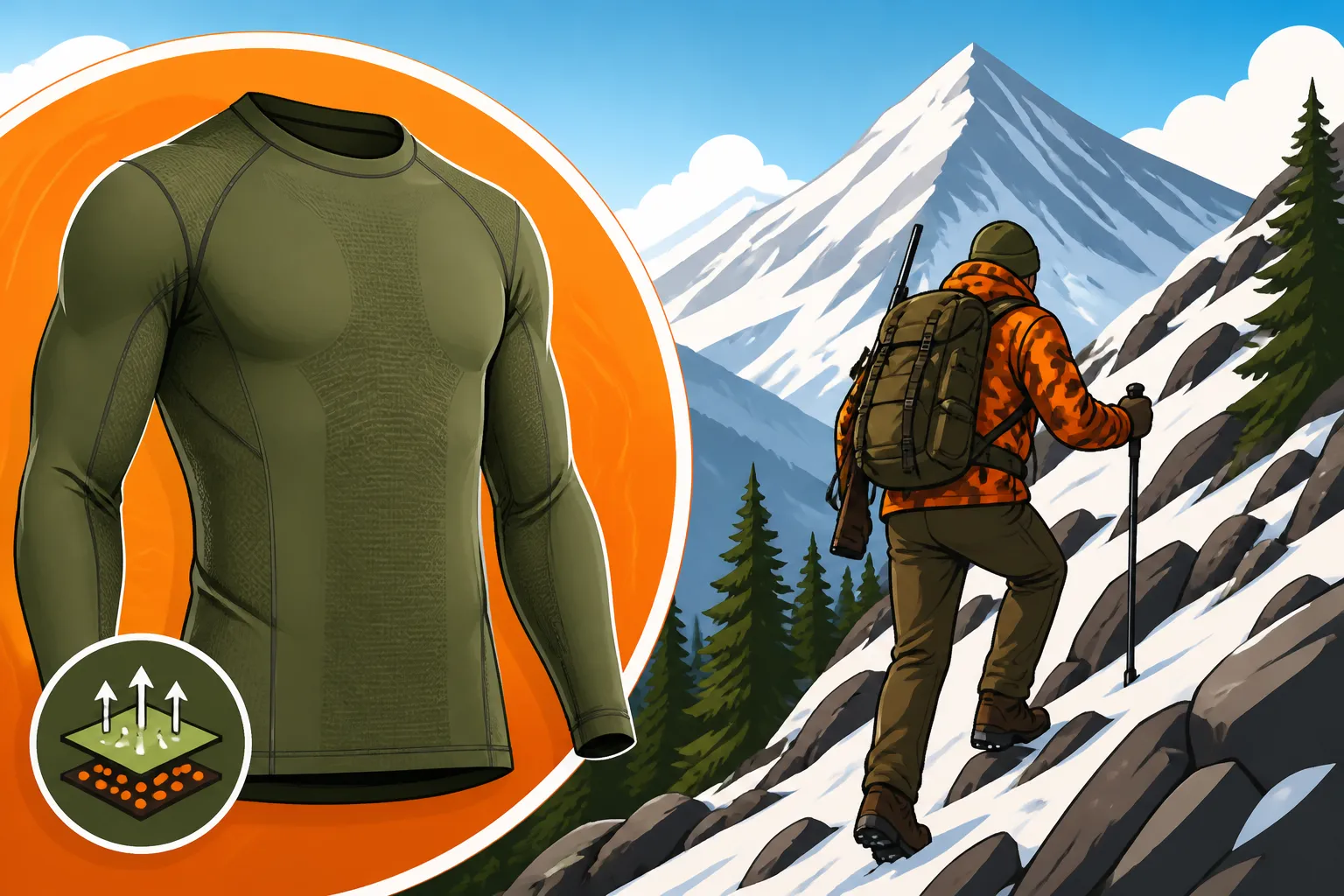
Hunting in New Hampshire's White Mountains is an incredible experience, but it's physically demanding in a way that flatland hunting simply isn't. You're not just walking; you're often scrambling over granite slabs, pushing through dense blowdowns, and ascending relentlessly. This kind of exertion generates a lot of body heat, leading to significant sweating, even on a cool day.
The Sweat-Drench and Chill Cycle
Picture this: you've been grinding for an hour, climbing a steep ridge in pursuit of a fresh rub line. Your heart's pounding, your muscles are burning, and sweat is soaking your shirt. You finally crest the ridge, stop to catch your breath, and pull out your binoculars. Within minutes, that sweat-soaked fabric, now pressed against your skin, starts to cool. The wind picks up, even a slight breeze, and suddenly you're not just cool, you're shivering. This isn't just uncomfortable; it saps your energy and focus, which are both crucial when you're deep in the backcountry.
This cycle is a hunter's worst enemy. Wet clothing loses its insulating properties, and your body has to work overtime to stay warm, burning valuable calories that you need for the hunt. It can quickly lead to hypothermia, even in above-freezing temperatures, if you're not properly equipped. That's why the material closest to your skin, your base layer, is the most important piece of clothing you'll choose for these kinds of hunts. It's not about being bundled up; it's about managing your body's moisture output.
Variable Conditions in the High Country
The White Mountains are notorious for their unpredictable weather. You can start your day in a sunny valley at 50 degrees, climb a few thousand feet, and find yourself in a cloud with temperatures in the low 30s and a biting wind. A light drizzle can turn into a cold rain, or even wet snow, without much warning. This variability means your gear needs to be incredibly adaptable. Wind and Thermals in Steep Granite Terrain can shift rapidly, making it hard to regulate your temperature if your base layer isn't up to the task.
Even during a single day, you might experience several microclimates. Hiking through a sheltered valley, then emerging onto an exposed ridge line, then dipping back into a dense softwood stand will all present different thermal challenges. A base layer that can quickly move moisture away from your skin and still provide some insulation when wet is paramount. It’s not just about staying warm; it’s about staying dry so you can adapt to whatever the mountains throw at you.
Key Properties of an Effective Base Layer for Active Hunting
When you're facing those grueling ascents in the Granite State, your base layer isn't just another shirt; it's your first line of defense against the elements and your own body's exertions. Picking the right one means focusing on a few critical features that go beyond just looking good.
Moisture-Wicking is Non-Negotiable
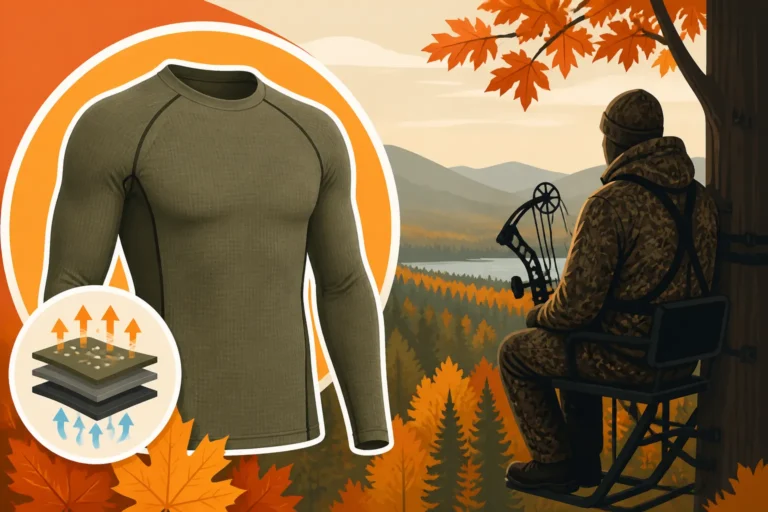
This is perhaps the single most important characteristic of a good hunting base layer, especially for steep hikes. "Wicking" refers to a fabric's ability to draw moisture (sweat) away from your skin and transfer it to the outer surface of the fabric, where it can evaporate more easily. If your base layer just absorbs sweat like a cotton t-shirt, it will quickly become saturated and cold against your skin, leading to that dreaded chill.
Effective moisture-wicking materials act like a one-way street for sweat. They keep your skin feeling dry, even when you're working hard, which means you stay warmer when you stop moving and cooler when you're active. This active management of moisture is what prevents the chill-down effect and helps maintain your core body temperature, keeping you comfortable and safe throughout your hunt. Without excellent wicking properties, any other insulation you add on top is fighting an uphill battle against a wet inner layer.
Temperature Regulation
A great base layer doesn't just manage moisture; it helps regulate your body temperature across a range of conditions. For a steep White Mountain hike, this means it needs to keep you from overheating when you're climbing hard and keep you warm when you slow down or stop. This is where the choice of material really shines. Some fabrics excel at trapping a thin layer of warm air next to your skin, providing insulation, while others are designed to vent excess heat more readily.
The ideal base layer creates a microclimate around your body. It allows just enough heat to escape during high exertion to prevent excessive sweating, but holds enough warmth when you're static to prevent chilling. Think of it as an active thermostat for your body, constantly adjusting to your output and the ambient conditions. This balancing act is crucial for long days in variable terrain, especially when you might be Still-Hunting White Mountain National Forest Timber one minute and then sitting on a rock glassing a basin the next.
Odor Resistance
Let's be real, hunters spend a lot of time in the woods, often for multiple days, without access to showers. A base layer that starts to smell after just a few hours can be a real downer, not to mention a potential deterrent for game animals if the odor is strong enough. Many modern base layer materials are treated with antimicrobial agents or naturally possess odor-resistant properties.
Merino wool, in particular, is renowned for its natural ability to resist odor, allowing you to wear it for several days without it becoming offensive. Synthetics can also be treated to achieve good odor control, though their effectiveness can sometimes diminish over time with repeated washing. For hunters who value stealth and personal comfort over extended periods in the field, odor resistance is a highly valued, practical feature that can make a big difference in the hunting experience. Layering for New Hampshire's Cold Hunting Season becomes a much more pleasant endeavor when your foundational layer remains fresh.
Material Deep Dive: Wool vs. Synthetics
When it comes to base layers for demanding hunts in New Hampshire, you'll generally find yourself choosing between two main camps: Merino wool and synthetic blends. Both have their devout followers and offer distinct advantages. Understanding these differences will help you pick the best option for your specific needs and the conditions you expect to face while hunting in the White Mountains.
Merino Wool
Merino wool is often hailed as the king of natural base layer materials, and for good reason. It comes from Merino sheep and is much finer and softer than traditional wool, making it comfortable directly against the skin without the itchiness that some associate with wool. For a steep White Mountain hike, Merino offers a fantastic blend of properties. It's incredibly soft, naturally regulates temperature, and boasts exceptional odor resistance.
One of Merino's standout features is its ability to insulate even when wet. If you get caught in a sudden downpour, or if you sweat through your layer on a particularly grueling climb, Merino wool will continue to provide warmth, which is a huge safety factor in the cold, wet conditions often found in the New Hampshire mountains. It actively pulls moisture vapor away from your body, preventing that clammy feeling. However, it does tend to absorb more water than synthetics, making it slower to dry. High-quality Merino can also be a bit more delicate and more expensive upfront. Many hunters swear by it for its comfort and performance, noting that its natural fibers feel much better than synthetics after a few days without a shower. If you're looking for gear that stands up to rugged use, services like GoHunt often have reviews and comparisons of top Merino wool brands, helping you see how different weights and weaves perform in the field.
Synthetic Blends
Synthetic base layers, typically made from polyester or polypropylene, are engineered to excel at moisture-wicking and quick drying. These materials are hydrophobic, meaning they inherently resist absorbing water. Instead, they push moisture to the surface of the fabric, where it evaporates rapidly. This makes them incredibly efficient at keeping you dry when you're working up a serious sweat on a steep climb.
Synthetics are generally more durable than Merino wool and often come at a more accessible price point. They're also usually lighter and can pack down smaller, which is a consideration when Packing for a Nine-Day Moose Hunt or just a long day trip into the backcountry. The downside is that they can sometimes feel clammy or plastic-like against the skin, and they tend to retain body odor much more readily than Merino wool, even with antimicrobial treatments. For high-output activities where staying absolutely dry is the top priority, and you don't mind a potential funk build-up over several days, synthetics are an excellent choice. Platforms like GoHunt often detail the latest advancements in synthetic fabric technology, including new blends and treatments designed to improve comfort and odor control.
Here’s a quick comparison of Merino wool and synthetic base layers for New Hampshire hunting:
| Feature | Merino Wool | Synthetic Blends (Polyester/Polypropylene) |
|---|---|---|
| Moisture Wicking | Excellent; wicks vapor, feels dry | Excellent; wicks liquid, dries fast |
| Insulation (Wet) | Good; retains warmth even when damp | Poor to Moderate; loses warmth when wet |
| Odor Resistance | Excellent; naturally antimicrobial | Moderate; requires treatments, can degrade |
| Drying Time | Moderate to Slow | Fast |
| Comfort | Very Soft; no itch | Varies; can feel clammy |
| Durability | Moderate; can be prone to holes/pilling | High; very resilient |
| Cost | Higher | Lower to Moderate |
| Weight/Bulk | Moderate | Low; often lighter and more packable |
Choosing the Right Weight and Fit
Beyond the material, the weight and fit of your base layer are critical considerations, especially when you're tackling the varied demands of a steep White Mountain hike. The right combination can make all the difference in your comfort and performance.
Layering Strategies for Variable New Hampshire Weather
Your base layer is just one part of your overall Layering for New Hampshire's Cold Hunting Season strategy. For steep hikes, you'll want to think about how your base layer interacts with your mid-layers and outer shell. A lighter weight base layer often makes the most sense because you'll be generating a lot of heat. Too heavy a base layer, and you'll overheat quickly, regardless of its wicking properties. Instead, rely on your mid-layers for primary insulation when you're static or in colder conditions.
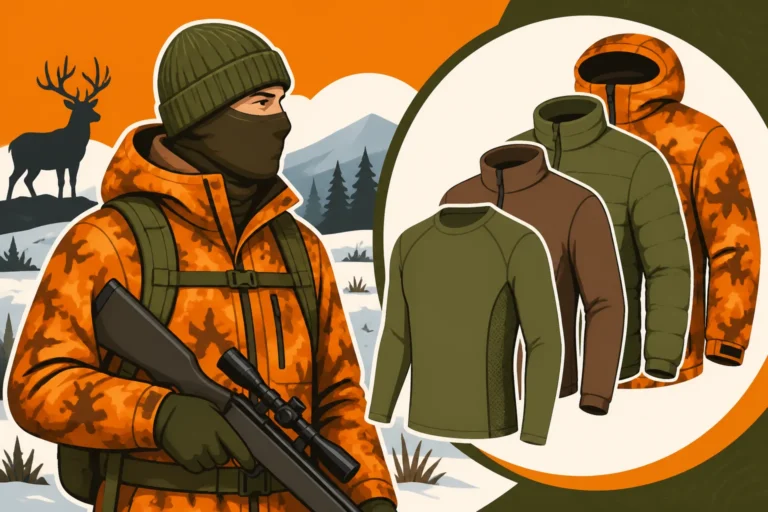
For example, on a brisk fall morning in early October, you might start with a lightweight (150-200 GSM for Merino) or light-to-midweight synthetic base layer. Over that, you'd wear a fleece or puffy mid-layer, and then a breathable, waterproof shell. As you begin your strenuous ascent, you might strip off the mid-layer and just hike in your base and shell, or even just your base layer if the temps are mild enough. When you reach your glassing point or slow down to still-hunt, you can quickly add back your mid-layer to prevent chilling. This ability to shed and add layers easily is paramount for managing your temperature in dynamic environments like the White Mountains. Thinking about how the base layer works within this system is more important than relying on it as a standalone insulator.
Fit for Function and Comfort
The fit of your base layer is incredibly important for its performance. It should be snug, but not constrictive. A close fit ensures that the fabric is in constant contact with your skin, allowing it to effectively wick away moisture. If the base layer is too loose, it won't be able to pull sweat away from your skin efficiently, leaving you feeling damp.
However, "snug" doesn't mean "tight." You still need a full range of motion for climbing, scrambling, drawing a bow, or shouldering a rifle. Look for base layers with anatomical shaping, flatlock seams to prevent chafing, and perhaps a touch of stretch for mobility. For instance, when you're Hunting a Ridge-Top Saddle for Rutting Bucks, you'll be constantly moving, crouching, and scanning, so your base layer shouldn't restrict any of those motions. Consider features like a longer hem to stay tucked in, and a crew neck or a quarter-zip collar for additional ventilation control. The goal is to feel like the layer is a second skin, moving with you effortlessly, so you barely notice it's there as you navigate the rugged New Hampshire landscape.
Disclaimer
This article is for general informational purposes only and does not constitute professional advice. Laws, prices and regulations vary by location and change over time. Consult a qualified professional for guidance on your specific situation.