Blaze Orange Layering Options
There’s nothing quite like the crisp air of a New Hampshire autumn morning when you’re heading out to the woods, but that crispness can turn into a biting chill or a sudden downpour quicker than you can say 'whitetail.' And amidst all the gear, staying visible and safe is paramount. This guide is all about mastering blaze orange layering, so you can stay warm, dry, and most importantly, seen, without sacrificing comfort or mobility in New Hampshire's diverse terrain.
Understanding New Hampshire's Blaze Orange Laws for Hunters
Before we dive into the nitty-gritty of fabric and fit, it’s absolutely crucial to understand the legal requirements for blaze orange in the Granite State. Ignoring these rules isn't just risking a fine; it's risking your safety and the safety of others in the woods. Many hunters, especially those new to New Hampshire or transitioning between seasons, find the rules a little murky, but they’re there for a reason.
The Mandate: When and How Much Blaze Orange
New Hampshire has specific regulations about when and how much blaze orange you must display while hunting. Generally, during the firearms deer season and the muzzleloader deer season, all hunters are required to wear specific amounts of solid fluorescent orange material. This isn't just a suggestion; it's a legal obligation designed to prevent accidents by making hunters highly visible to one another.
The typical requirement specifies a minimum of 200 square inches of solid fluorescent orange material visible from all sides, or a fluorescent orange hat. Many hunters, myself included, opt for both a hat and a vest or an orange jacket to exceed this minimum. It's truly easy to misinterpret the exact wording, especially if you're used to different rules from other states or if you're only hunting during archery season. The intent is to create a visual signal that screams "human" in a landscape that's often filled with similar colors. It’s about ensuring that another hunter, perhaps focused on a movement in the distance, can immediately identify you as a person and not an animal. Checking the latest New Hampshire Fish and Game digest is always the best first step to confirm New Hampshire Blaze Orange Requirements for the current year.
Beyond the Basics: Exceptions and Best Practices
While the firearms and muzzleloader seasons have strict blaze orange mandates, what about other seasons? During archery season, for instance, blaze orange is generally not legally required for deer hunters. However, this doesn't mean it's a bad idea. If you're hunting public land, especially areas popular with hikers, dog walkers, or even other archery hunters, wearing a blaze orange hat or an easily removable vest can be a wise choice. It creates an undeniable visual barrier of safety, signaling your presence to anyone else enjoying the woods.
Think about areas like the White Mountain National Forest or popular Wildlife Management Areas (WMAs) where multiple user groups might be present. Even if you're bowhunting for deer during the early part of New Hampshire's Archery Season Dates when blaze orange isn't mandatory, you might still encounter someone grouse hunting or scouting for sheds. Similarly, if you're doing something strenuous and need to shed layers, make sure your minimum legal blaze orange remains visible. Having a compact blaze orange vest that can be quickly pulled over an existing layer, or a bright orange cap, ensures you maintain visibility even when cooling down. It's about being a responsible, visible hunter, not just a compliant one.
The Core Principles of Effective Layering
Mastering blaze orange layering isn't just about throwing on an orange vest; it's about integrating it seamlessly into a functional layering system that keeps you comfortable and safe in New Hampshire's notoriously changeable weather. The key is understanding how each layer works together to manage your body temperature and moisture.
The Three-Layer System: Base, Mid, and Outer
The foundation of effective cold-weather hunting comfort is the three-layer system:
- Base Layer (Wicking): This is the layer directly against your skin. Its primary job is to wick moisture (sweat) away from your body. When you hike in, even on a cold day, you're going to sweat. If that sweat stays on your skin, it will cool rapidly once you stop moving, leading to a dangerous chill. Good base layers move that moisture to the outer layers, keeping your skin dry.
- Mid-Layer (Insulation): This layer traps air, providing warmth. The amount of insulation you need depends on the temperature, your activity level, and your personal metabolism. You might have multiple mid-layers for different conditions, or a single thicker one. Its job is purely to keep you warm.
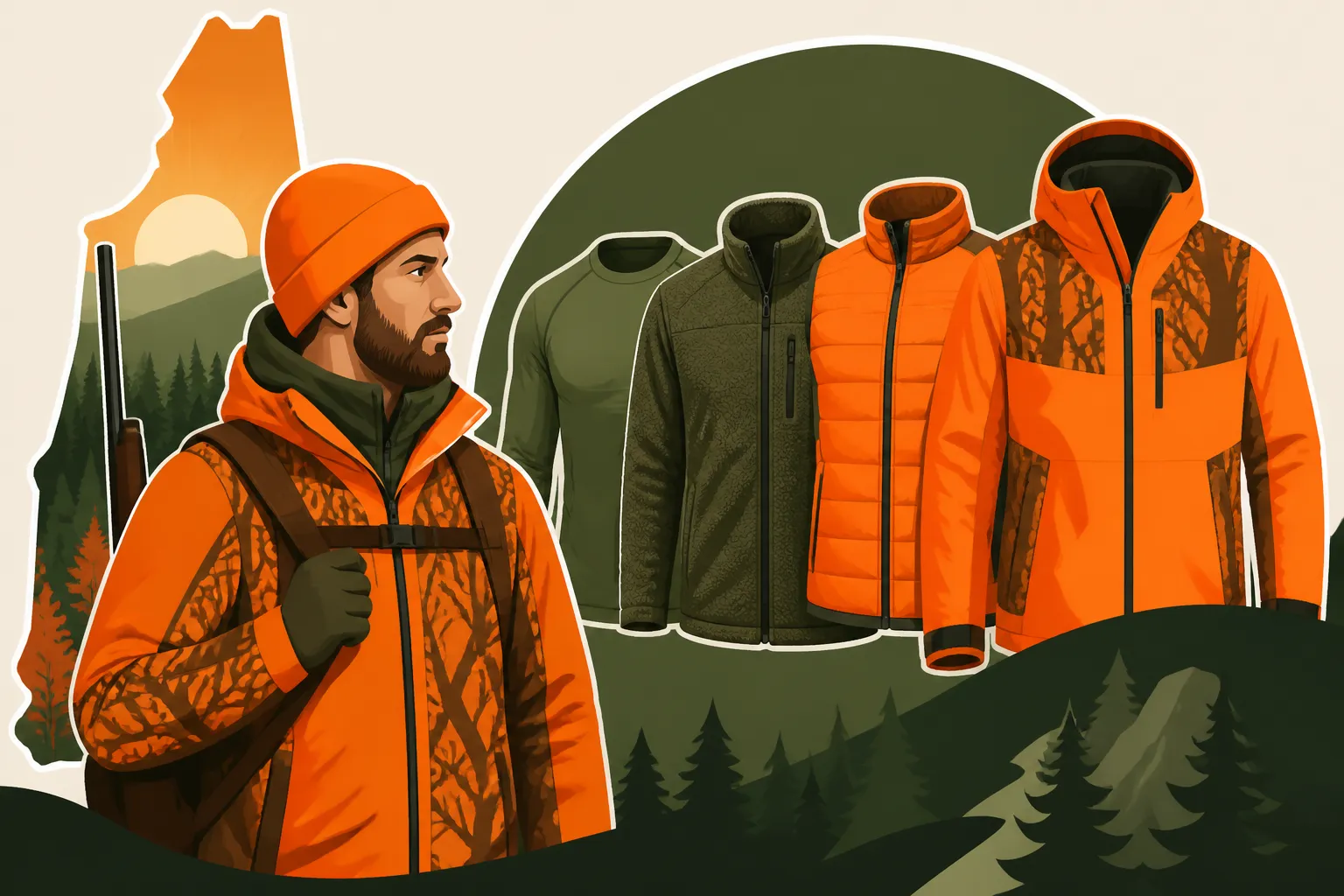
- Outer Layer (Protection): This is your shield against the elements – wind, rain, and snow. It needs to be durable, often waterproof or water-resistant, and breathable enough to allow moisture from inner layers to escape. And, crucially for many hunting seasons in New Hampshire, this is where your blaze orange comes into play.
Emphasizing that blaze orange isn't just an afterthought, but a critical component, helps hunters understand its place in the system. You're not just adding an orange shell; you're often adding an orange protective shell that needs to perform just as well as any other piece of gear. When the wind picks up on a ridge in the White Mountains, or a sudden squall rolls through during New Hampshire's November Firearms Deer Season, that outer layer, often blaze orange, is your first line of defense against the elements.
Fabric Choices: Performance Meets Visibility
Choosing the right fabrics for each layer is as important as the layering concept itself. Each material has its pros and cons in terms of warmth, moisture management, noise, and durability – all critical factors for a New Hampshire hunter.
- Natural Fibers (Merino Wool, Down): Merino wool is a fantastic base and mid-layer material. It wicks moisture incredibly well, insulates even when damp (though not soaking wet), and is naturally odor-resistant. Down is an excellent insulator for mid-layers in dry, cold conditions, offering superb warmth-to-weight. The downside? Wool can be a bit bulkier and slower to dry than synthetics, and down loses its insulating properties when wet.
- Synthetic Fibers (Polyester, Fleece, Gore-Tex): Synthetics excel at moisture-wicking and quick drying, making them ideal for base and some mid-layers. Fleece is a classic mid-layer choice, offering warmth without excessive bulk. For outer layers, advanced synthetics like Gore-Tex or similar waterproof/breathable membranes are crucial for keeping you dry in wet conditions while still allowing internal moisture to escape. The primary challenge with some synthetics can be noise (think rustling rain gear) and their tendency to retain odors more than wool.
When considering blaze orange options, you'll find it predominantly in synthetic materials for outer layers due to the need for waterproofing and durability. However, don't overlook the potential for a blaze orange fleece mid-layer or even specialized wool blends if you find them. The fabric choice directly impacts how well your entire system breathes, how quickly it dries, and how comfortable you remain throughout your hunt. For instance, still-hunting through thick timber requires quieter fabrics, while sitting on a stand in a strong wind demands maximum wind-breaking capability, which GoHunt or similar mapping apps can help you predict by showing exposed areas.
Integrating Blaze Orange into Your Layering System
Now that we understand the principles, let's look at how blaze orange specifically fits into each part of your layering system. It's not just about meeting a legal requirement; it's about making your blaze orange gear an active part of your comfort and safety strategy.
Blaze Orange Base Layers: Myth or Masterstroke?
When we talk about blaze orange, base layers usually aren't the first thing that comes to mind. And for good reason – typically, blaze orange is a legal requirement for outer visibility. You're not likely to find true blaze orange base layers designed for wicking and next-to-skin comfort, and honestly, they're not necessary. Your base layer's job is moisture management, and its color doesn't factor into that.
However, some hunters might wonder if an orange undershirt counts. The regulations generally specify outer garments for visibility. So, while a blaze orange base layer wouldn't hurt, it won't fulfill the legal requirement if it's hidden under other clothing. Focus your base layer choices on performance: wicking, quick-drying, and comfortable materials like merino wool or high-performance synthetics. This sets the stage for comfort, allowing your mid and outer layers to do their jobs effectively, including displaying your crucial blaze orange.
Mid-Layers: Adding Warmth with a Splash of Orange
This is where blaze orange can start to play a more integrated role beyond just the outermost shell. A blaze orange mid-layer, such as a fleece jacket, a heavy vest, or a softshell, can be an incredibly versatile piece of gear.
Imagine you're hiking into a remote area, perhaps still-hunting an active beaver flowage edge, and you're working up a sweat. You need to shed your heavy outer jacket to avoid overheating, but you're in a zone where blaze orange is mandatory. If your mid-layer is blaze orange, you can remove your heavy outer shell, cool down, and still meet the legal requirements for visibility. This is a game-changer for active hunters. These mid-layers offer insulation, breathability, and that vital splash of high visibility. Look for options that are quiet, warm, and can compress easily into a pack. A good quality blaze orange fleece vest, for instance, can provide core warmth and legal visibility if you briefly take off your heavier outer jacket. This flexibility is key, especially if you're navigating varied terrain and activity levels throughout the day. Consider adding a Best Blaze Orange Vest for Layering Over a Coat to your kit for maximum flexibility.
Outerwear: Your Primary Blaze Orange Defense
For most New Hampshire hunting seasons requiring blaze orange, your outerwear will be your primary blaze orange component. This layer has to do it all: provide wind and water protection, offer insulation if needed, and be boldly, undeniably orange.
Your options here range from simple, uninsulated blaze orange vests and hats, to full-blown insulated waterproof jackets and pants. For colder, wetter conditions in the North Country, a heavy, insulated blaze orange jacket with a durable waterproof membrane is essential. This protects you from driving rain, freezing sleet, and biting winds. For milder days, or if you're layering heavily underneath, a lightweight, uninsulated blaze orange shell jacket or a robust vest over other insulating layers might be perfect. The key is to ensure it covers enough surface area to meet legal requirements and provides adequate protection for the weather you expect. Don't compromise on durability or weather resistance for the sake of color. Your outer layer is your shield, and it needs to hold up to the rigors of hunting in places like the Hunting the White Mountains High Country. When scouting for your next outer shell, remember that companies often integrate blaze orange into their top-tier weather-protective garments, ensuring you don't have to choose between safety and performance.
Navigating Specific New Hampshire Hunting Scenarios
The beauty of New Hampshire hunting is its variety, from early archery season in the lowlands to late-season firearms hunts in the frigid mountains. Your blaze orange layering strategy needs to adapt to these different scenarios to ensure both your safety and your comfort.
Archery Season: Strategic Blaze Orange Use
As mentioned, blaze orange is generally not legally required during New Hampshire's archery deer season. However, this doesn't mean you should dismiss it entirely. Consider these scenarios:
- Shared Public Land: If you're hunting on public land that's also popular with hikers, dog walkers, or even other hunters pursuing small game, wearing a blaze orange hat or an easily removable vest can be a wise choice. It instantly identifies you as a human, reducing the risk of a misidentification by another person. Many hunters feel more comfortable knowing they're visible even when not legally mandated.
- Proximity to Other Seasons: If your archery hunt overlaps with a youth firearms season or a small game season where other hunters might be present, adding a splash of orange is a smart move. It's about being proactive for safety, not just reactive to regulations.
- Retrieving Game: After you've successfully harvested an animal during archery season, the act of tracking and recovering it, especially on foot through thick cover, can expose you to areas where other hunters might be. Slipping on a blaze orange vest for the recovery process, even if you weren't wearing it while on stand, is a simple and effective safety measure. For those who use mapping apps like GoHunt to mark their shot location and track, they can also use it to navigate out with heightened awareness of their surroundings. Hunting New Hampshire's Archery Season Into December can mean colder weather and thicker cover, making visibility important even without a mandate.
Firearms and Muzzleloader Seasons: Non-Negotiable Visibility
This is crunch time for blaze orange in New Hampshire. During the New Hampshire's November Firearms Deer Season and the short but important muzzleloader season, strict blaze orange requirements are in effect. There's no room for debate here; your safety and legal compliance depend on it.
Your strategy here needs to focus on maximum visibility. An insulated blaze orange jacket is often the go-to choice for warmth and weather protection. On top of that, many hunters add a blaze orange vest or even a hat to ensure they exceed the minimum square inch requirement and provide visibility from every angle. Think about combining a durable, waterproof blaze orange jacket with a breathable, synthetic blaze orange vest. This ensures that even if you're taking off your pack or bending over to check a scrape line, you're still highly visible. The sheer volume of hunters in the woods during these seasons, especially in popular WMUs, makes it imperative to be as conspicuous as possible. Remember that proper blaze orange is not just about you seeing others, but about others seeing you.
Mobile Hunting vs. Stand Hunting
Your hunting style significantly impacts your layering needs, and by extension, your blaze orange choices.
- Mobile Hunting (Still-Hunting, Tracking): When you're actively moving, whether still-hunting through a granite ridge saddle or tracking a deer in fresh snow, your body generates a lot of heat. You'll want breathable base and mid-layers that can wick sweat away quickly, preventing you from getting chilled when you stop. Your blaze orange outer layer should also be breathable, perhaps a softshell or a waterproof-breathable membrane jacket that prevents you from overheating. The ability to easily shed a blaze orange mid-layer while still meeting legal requirements (e.g., if your outer is a blaze orange shell) is crucial. Still-Hunting White Mountain National Forest Timber demands active layering management.
- Stand Hunting (Static): Sitting motionless in a treestand, especially during a late-season Cold-Weather Sitting Strategy in the North Country, means your body generates very little heat. Insulation becomes paramount. Here, your blaze orange outerwear might be a heavily insulated, windproof, and waterproof jacket. You'll layer thick, warm mid-layers underneath, focusing on maximum warmth retention. Mobility is less of a concern than staying warm for hours on end. For stand hunting, the blaze orange is often integrated directly into a heavy parka or a bib system. The objective is to maximize your insulation within the blaze orange framework.
Table: Blaze Orange Layering by Hunting Style & Condition
| Hunting Scenario | Legal Season | Typical Outer Layer (Blaze Orange) | Key Layering Focus | Additional Considerations |
|---|---|---|---|---|
| Early Archery (Mobile) | No | Blaze orange hat / vest (optional) | Breathability, moisture-wicking | Easily removable if not needed; for visibility in high-traffic areas. |
| Late Archery (Stand) | No | Blaze orange hat / vest (optional over camo) | Insulation (static sitting) | Good for visibility if public land, or for recovery. |
| Firearms Season (Mobile) | Yes | Breathable, waterproof shell (blaze orange) | Breathable mid-layers, sweat management | High visibility. Be able to shed mid-layers. |
| Firearms Season (Stand) | Yes | Heavily insulated, windproof parka (blaze orange) | Maximum insulation (static sitting) | Full coverage (jacket, pants, hat) to meet square inch requirements. |
| Muzzleloader Season (Mixed) | Yes | Insulated, waterproof jacket (blaze orange) | Balanced warmth & moderate breathability | Prepare for cold and potential precipitation. Layering under the orange is crucial for adaptability. |
Advanced Tips and Practical Considerations
Beyond just knowing what to wear, how you manage and maintain your blaze orange gear can make a big difference in its effectiveness and longevity. These often overlooked details can significantly impact your comfort and safety in the New Hampshire woods.
The Importance of a Well-Fitting System
Layering only works if your clothes fit properly. Ill-fitting layers can create more problems than they solve. If your layers are too tight, they can restrict blood flow, compressing insulating air pockets and actually making you colder. They can also limit your range of motion, which is the last thing you want when you need to make a quick, fluid movement for a shot. On the other hand, layers that are too baggy can bunch up, creating uncomfortable pressure points under pack straps, or simply allow too much cold air to circulate, negating their insulating properties.
Your blaze orange outer layer is particularly important in this regard. It needs to fit comfortably over all your other layers without being excessively bulky. You should be able to move freely, raise your arms to shoulder your rifle, or draw your bow (if in an archery-legal WMU with orange as a precaution) without feeling constricted. Always test your layering system, including your blaze orange, at home before heading out. Perform some common hunting movements: kneeling, bending, shouldering your weapon, and even climbing into a mock treestand if you use one. This pre-field test ensures your entire system, from base to blaze, works in harmony.
Care and Maintenance of Your Blaze Orange Gear
Your blaze orange gear is an investment in your safety, and proper care will ensure it performs season after season. Many hunters are careful about washing their camouflage, but blaze orange needs attention too.
- Maintain Vibrancy: Over time, exposure to sun and repeated washing can cause blaze orange to fade. Use a detergent specifically designed for hunting clothes, or a scent-free, gentle detergent. Avoid harsh chemicals or bleach, which can damage the fabric and accelerate fading.
- Preserve Performance: For waterproof or water-resistant outer layers, avoid fabric softeners, as they can clog the pores of breathable membranes and reduce their effectiveness. Always follow the care instructions on the garment's label. If your waterproof layer starts to wet out, consider re-treating it with a DWR (Durable Water Repellent) spray.
- Storage: Store your blaze orange gear in a cool, dry place, away from direct sunlight, to prolong its life and maintain its vibrant color.
Proper care not only extends the life of your gear but also ensures that its high visibility remains at its peak, providing you with the maximum safety benefit during your hunts, whether you're out in the Hunting the Monadnock Region Hills or deep in the North Country.
Planning for Variable Weather: The White Mountain Factor
New Hampshire weather is famously unpredictable. A beautiful, crisp morning can quickly turn into a cold, driving rain, or a sudden snow squall, especially in the higher elevations or late in the season. Your blaze orange layering strategy absolutely must account for this variability.
Always pack an extra layer or two, even if the forecast seems clear. A lightweight, packable blaze orange rain jacket or a windbreaker can be a lifesaver if conditions change unexpectedly. If your primary blaze orange outer layer is heavily insulated, having a thinner, waterproof blaze orange shell that can be pulled over it is a smart move for sudden downpours. Conversely, if your main orange layer is just a shell, pack an additional insulated blaze orange mid-layer. Being prepared for everything from unexpected wet weather to Wind and Thermals in Steep Granite Terrain is just part of hunting in New Hampshire.
Consider using a hunting app like GoHunt to track real-time weather changes and map out your planned route, looking for areas that might be more exposed to wind or less protected from precipitation. This kind of advanced planning, combined with a versatile blaze orange layering system, ensures you're ready for whatever Mother Nature throws at you, keeping you safe, warm, and visible from the moment you step out of the truck to the moment you return.
Disclaimer
This article is for general informational purposes only and does not constitute professional advice. Laws, prices and regulations vary by location and change over time. Consult a qualified professional for guidance on your specific situation.