Best Rangefinder Binocular Combo for Open Country
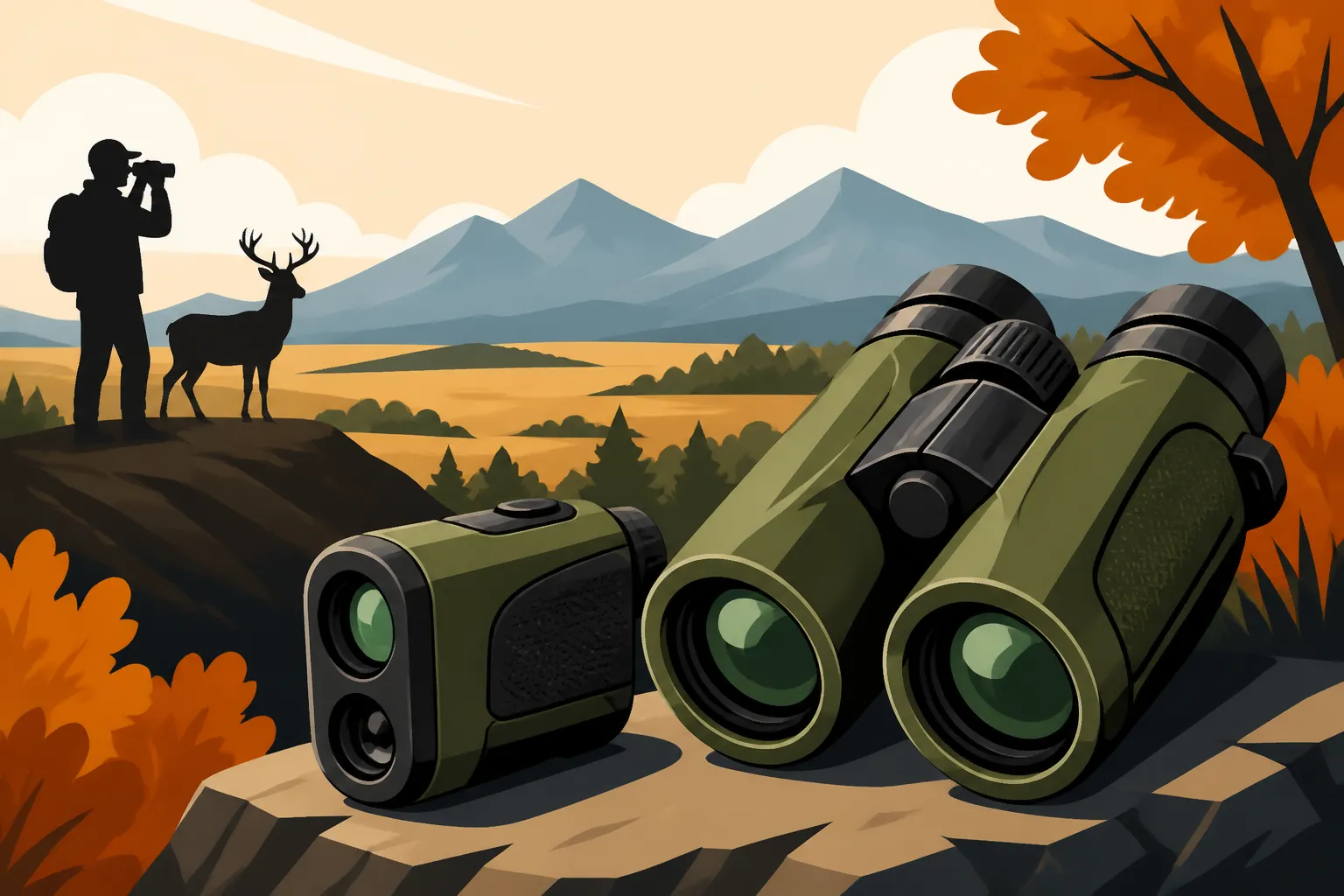
Trying to size up a deer or a turkey across a sprawling clear-cut, or judge the distance to a far-off moose in a vast North Country bog, can be a real headache. Those moments where you squint, second-guess, and then try to fumble between your binoculars and your rangefinder cost precious seconds and can mean the difference between a successful, ethical shot and a missed opportunity, or worse, a questionable one. This guide is all about navigating the wide-open spaces of New Hampshire with confidence, focusing on how a rangefinder binocular combo can be your secret weapon for nailing those long-range estimates.
Why a Rangefinder Binocular Combo is a Game-Changer for New Hampshire's Open Country
New Hampshire, while often thought of as dense forests, actually offers a surprising amount of open country, especially when you consider logging clear-cuts, powerline corridors, expansive agricultural fields along river valleys, and those incredible, wide-open moose bogs in the far north. In these scenarios, judging distance accurately is absolutely critical. Your eyes can play tricks on you, especially in varying light or with the optical illusion of vast, unbroken space. A combo unit takes the guesswork out and streamlines your entire glassing and ranging process.
The Frustration of Guessing Yardage in Varied Terrain
I've been there countless times – perched on a granite ridge, looking down into a hardwood flat, or across a brushy powerline, trying to eyeball how far that movement truly is. Is it 150 yards? 200? Or perhaps even further? New Hampshire's topography, with its rolling hills, steep ravines, and sudden transitions from thick timber to open fields, makes judging distance incredibly difficult. What looks like an easy 100-yard shot might actually be 160, especially if there's a slight rise or dip in between. This isn't just about making the shot; it's about making an ethical shot. Knowing your exact yardage means you can hold precisely where you need to, reducing the chance of a wounded animal or a clean miss. The frustration of second-guessing yourself or missing a shot because you misjudged distance is something every hunter can relate to, and it's a feeling none of us want to repeat.
Streamlining Your Glassing and Ranging Process
Imagine this: you're glassing a distant field edge at first light, trying to pick out a deer moving in the shadows. With separate units, you'd find the animal with your binoculars, then lower them, reach for your rangefinder, try to relocate the animal, take a reading, and then go back to your binos, all while potentially making unnecessary movement and noise. A rangefinder binocular combo changes that entire dynamic. Your glassing and ranging tools are integrated into one efficient unit. You spot the deer, press a button, and instantly get the precise yardage without ever breaking your focus or moving your hands more than necessary. This speed and efficiency are invaluable, especially when an animal is on the move or when you have a fleeting opportunity. It's about fewer movements, less fumbling, and ultimately, more confidence when that shot opportunity presents itself. For those times you're Glassing a Powerline Cut at Last Light or searching for movement in a vast expanse, this integrated approach is a true time-saver.
Key Features to Look for in a New Hampshire-Ready Combo Unit
When you're investing in a rangefinder binocular combo for hunting here in New Hampshire, you're looking for more than just a gadget. You need a robust tool that can stand up to our unpredictable weather and varied terrain. There are specific features that really make a difference in performance and reliability, ensuring your combo unit is an asset, not a liability, when you're out in the field. Hunting in our unique environment, from the White Mountains to the Connecticut River Valley, demands specific capabilities from your optics.
Optical Clarity and Light Gathering for Dim Conditions
New Hampshire hunters often find themselves operating in low-light conditions – think pre-dawn treks to your stand, or the last minutes of shooting light when a big buck might finally step out. This is where optical clarity and light gathering capabilities truly shine. You want lenses that can pull in as much light as possible, providing a bright, crisp image even when the sun is barely peeking over the horizon or sinking below it. Look for objective lens sizes that provide a good balance between light transmission and overall weight, typically in the 42mm to 50mm range for hunting binoculars. High-quality glass, multi-coated lenses, and robust prism systems (like BaK-4 prisms) are indicators of superior optical performance. A clear, bright image not only makes it easier to identify game but also reduces eye strain during extended glassing sessions. When you're trying to discern a deer in the deep shadows of the Hunting a Clear-Cut Regrowth Edge or a moose against the dark timber of a North Country bog, superior optics are paramount. Many hunters find that resources like GoHunt offer detailed reviews and comparisons of optical performance, helping them make informed choices.
Ranging Performance and Angle Compensation
The "rangefinder" part of your combo unit is just as crucial as the "binocular" part. For New Hampshire's varied terrain, you need a rangefinder that can consistently and accurately range at the distances you expect to shoot, and beyond. This means paying attention to the maximum reflective range (the longest distance it can hit a highly reflective target) and, more importantly, its effective ranging distance on non-reflective targets like trees and deer hides. A unit that can reliably range out to 800-1000 yards on deer-sized targets gives you plenty of capability for our open country scenarios, even if your personal shooting limit is much closer.
Beyond raw distance, angle compensation (often referred to as ARC for Angle Range Compensation or similar proprietary names) is non-negotiable here. New Hampshire is anything but flat. Whether you're shooting steeply uphill at a deer on a ridge or downhill into a valley, the true ballistic distance is different from the line-of-sight distance. An angle-compensating rangefinder will provide the "shoots-like" distance, telling you exactly what your bullet drop will be, taking the angle into account. This feature is critical for ethical shot placement in our hilly and mountainous regions. If you're Rangefinders for New Hampshire's White Mountain Ridge Shots, this feature becomes absolutely indispensable.
Durability and Ergonomics for Rugged Use
Our hunting seasons can throw just about anything at you, from crisp, sunny fall days to cold, driving rain, or even early snow. Your rangefinder binocular combo needs to be able to take a beating and keep performing. Look for units that are fully waterproof and fog-proof (often nitrogen or argon purged) to prevent internal fogging in fluctuating temperatures and humidity. A rugged, rubber-armored exterior provides impact protection and a secure grip, even with cold, wet hands or while wearing gloves.
Ergonomics are also incredibly important. You'll be carrying and using this unit extensively. It should feel comfortable in your hands, with easily accessible buttons that can be operated without fumbling. The weight should be manageable for long days in the field, whether you're still-hunting through timber or hiking to a remote glassing point. Eye relief should be sufficient if you wear glasses, and diopter adjustments should be smooth and precise. A good balance between power and portability is key. Investing in a Best Optics Harness for a Spot-and-Stalk Hunt can also protect your investment and make carrying it much more comfortable.
Practical Considerations for Hunting with a Combo in New Hampshire
Having the best gear in the world doesn't mean much if you don't know how to use it effectively or maintain it properly. A rangefinder binocular combo is a significant investment, and understanding how to integrate it into your hunting routine, manage its power, and protect it from the elements will ensure it serves you well for many seasons to come in New Hampshire's wild places.
Integrating Your Combo into Your Hunting Strategy
The beauty of a rangefinder binocular combo is its versatility across different hunting scenarios. For those sitting in a treestand overlooking a Hunting a Green Field Planted for Deer or a logging road, you can range key landmarks before daylight, giving you precise distances to shooting lanes and potential travel corridors. This pre-ranging saves valuable time when an animal appears. When you're Still-Hunting White Mountain National Forest Timber or conducting a spot-and-stalk hunt along a powerline cut, the combo unit allows you to fluidly glass an area, instantly range any game you spot, and then plan your approach or shot, all without cumbersome gear swapping.
Consider using your combo unit not just for game, but for scouting. You can range the distance to bedding areas, potential ambush points, or the width of a creek crossing, helping you better understand the landscape and plan your movements. It helps you paint a more accurate picture of the terrain. For example, if you're trying to figure out the best approach to a Hunting a Ridge-Top Saddle for Rutting Bucks, knowing the exact distances to various cover types or potential escape routes can be invaluable.
Battery Life and Cold Weather Performance
Battery life is a common concern with any electronic device in the cold, and rangefinder binocular combos are no exception. New Hampshire's hunting seasons stretch into colder months, and those frosty mornings can drain batteries faster than you'd expect. Most units use standard CR2 or CR123 batteries, which are relatively common.
Here are a few tips to maximize battery life:
- Keep spares: Always carry extra batteries, tucked away in an inner pocket close to your body heat. A dead battery renders your rangefinder useless.
- Power down: Turn off the unit when not actively using it. While many have auto-shutoff features, manually turning it off is a good habit.
- Warmth is key: On extremely cold days, keep the unit inside your jacket or in a chest harness when not in use. This can significantly extend battery performance.
- Test before you go: Always check your battery level before heading out for a hunt. Don't assume a battery that worked fine last week will be good for a full day in freezing temperatures.
Planning for these conditions is just part of Layering for New Hampshire's Cold Hunting Season and preparing for the demands of hunting our state.
Maintaining Your Investment in New Hampshire's Elements
Your rangefinder binocular combo is a precision instrument, and proper care is essential to ensure its longevity and performance in New Hampshire's often-rugged environment.
- Lens cleaning: The most critical aspect is keeping the lenses clean. Dust, dirt, fingerprints, and water spots can severely degrade image quality and ranging capability. Always use a soft lens brush to remove any loose debris first, then follow with a breath and a micro-fiber cloth specifically designed for optics. Avoid using harsh chemicals or your shirt tail, which can scratch delicate coatings.
- Protection: Invest in a quality bino harness or case that protects the lenses from scratches and the housing from bumps and scrapes. When hiking through thick brush or climbing over blowdowns, keep the lens caps on.
- Drying: If your unit gets wet, wipe it down with a soft cloth immediately. If it's thoroughly soaked (perhaps after an unexpected dunk), follow the manufacturer's instructions for drying to prevent water spots or corrosion. Store it in a dry, well-ventilated area, never in an airtight container when damp.
- Storage: When storing your combo unit for the off-season, remove the batteries to prevent leakage. Store it in a protective case in a cool, dry place.
Treating your gear with respect ensures it will be ready to perform when you need it most, whether you're navigating Boots for New Hampshire's Granite Terrain or preparing for a big hunt in Hunting the North Country.
Making the Right Choice for Your New Hampshire Adventures
Choosing the right rangefinder binocular combo can feel overwhelming with all the options out there. It's about finding the sweet spot between features, performance, and what truly fits your personal hunting style and budget. Remember, the "best" isn't always the most expensive; it's what performs best for you in your hunting situations.
Comparing Value and Performance
When you're looking at different models, it's easy to get caught up in the top-tier, highest-dollar options. But many mid-range combos offer incredible performance that will more than meet the demands of New Hampshire hunting. It's all about what features you truly prioritize. Is maximum light transmission paramount for your deep woods hunts? Or do you mostly hunt open fields where ranging distance and speed are key?
Here's a simplified look at how to weigh some factors:
| Feature | Priority for Open Country in NH | Considerations |
|---|---|---|
| Optical Clarity | High (for spotting game at distance, low light) | Look for ED glass, multi-coated lenses, good eye relief. |
| Ranging Distance | High (for long shots across clear-cuts, fields, bogs) | Aim for consistent 800-1000+ yards on deer-sized targets. |
| Angle Comp. | Essential (for uphill/downhill shots in varied NH terrain) | Ensures ethical shot placement. |
| Durability | High (waterproof, fog-proof, rubber armor) | Must withstand rain, snow, bumps, and drops. |
| Ergonomics | Important (comfort for long glassing, easy button access) | Test how it feels in your hand, with gloves. |
| Weight | Moderate to High (balance between features and portability) | Heavier units may offer better optics but be tiresome for long treks. |
| Battery Life | Important (especially in cold weather) | Consider battery type, auto-off features, and ease of changing batteries. |
As you can see, prioritizing certain features based on where and how you hunt in New Hampshire will guide your decision. Many hunters find that online communities and resources like GoHunt provide excellent user reviews and objective breakdowns of different models, helping to demystify the specs.
Personal Preference and Field Testing
Ultimately, no amount of reading reviews or comparing spec sheets can replace getting a unit in your hands. If possible, try to handle different models at a local outdoor retailer or a sporting goods show.
- Feel and balance: How does it feel? Is it comfortable to hold for extended periods? Can you easily reach the ranging button without shifting your grip awkwardly?
- Eyecups and eye relief: Do the eyecups adjust comfortably? Is there enough eye relief if you wear glasses?
- Button layout: Are the buttons intuitive? Can you operate them easily with gloves on?
- Glassing experience: If possible, look through them outside. Do objects appear sharp and bright? How is the field of view? Is there any chromatic aberration (color fringing) around high-contrast objects?
- Ranging speed: If there's a demo unit, try ranging a few objects. How quickly does it give you a reading?
What one hunter loves, another might find awkward. Your hands are different, your eyes are different, and your hunting style is unique. Taking the time to test various models will ensure you make a purchase you'll be happy with for seasons to come. It’s an investment that will pay dividends in confidence and precision during your Bowhunting New Hampshire's Long Archery Season or your New Hampshire's November Firearms Deer Season.
Disclaimer
This article is for general informational purposes only and does not constitute professional advice. Laws, prices and regulations vary by location and change over time. Consult a qualified professional for guidance on your specific situation.