Glassing a Powerline Cut at Last Light
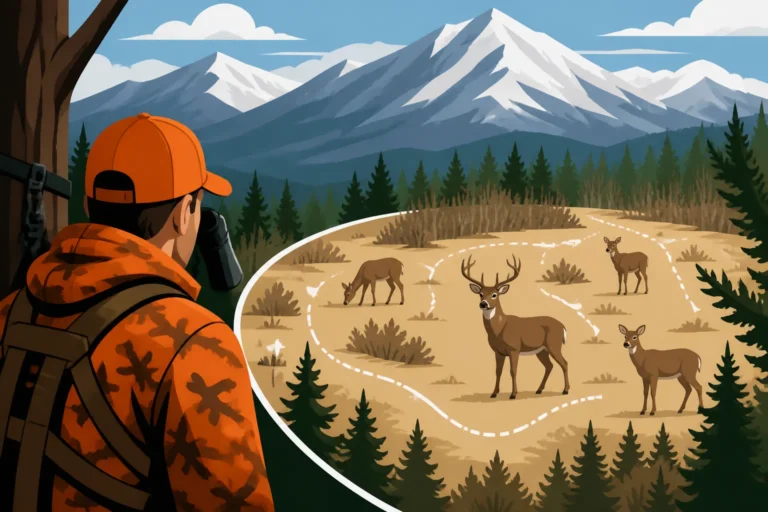
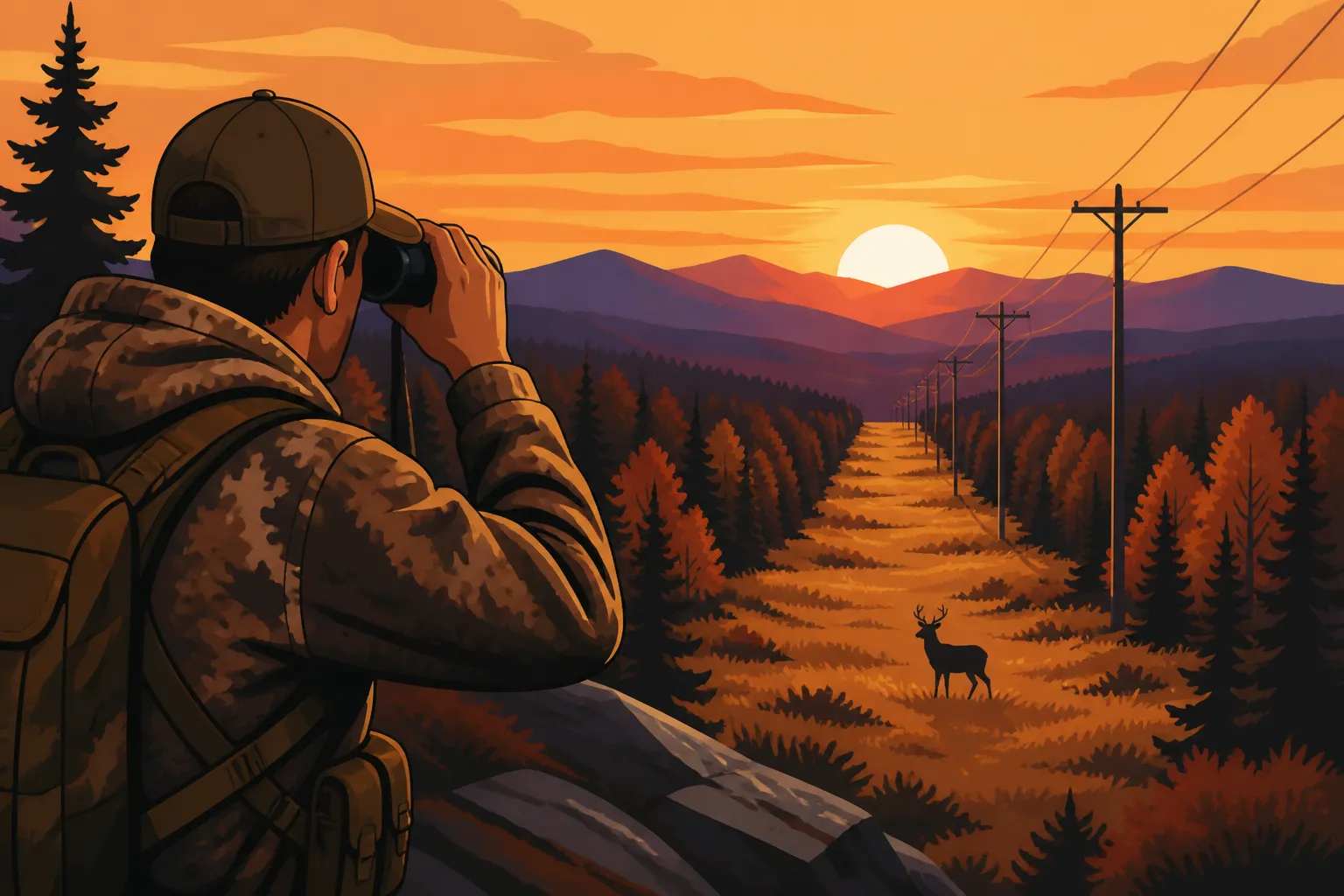
For many New Hampshire deer hunters, those last minutes of daylight are absolutely precious, yet often the most frustrating. You’ve put in the hours, battled the elements, and now, as the woods transition to dusk, that's when deer really start to move. Pinpointing them in an expansive powerline cut as the light fades can feel like looking for a needle in a haystack, but with the right approach and optics, it's one of the most effective ways to spot a wary buck. This guide is all about mastering the art of glassing those powerline cuts at last light, giving you the edge when it matters most.
Understanding the Allure of Powerline Cuts for New Hampshire Deer
Powerline cuts might seem like unnatural gashes through the beautiful New Hampshire landscape, but to a whitetail deer, they often represent prime habitat and crucial travel corridors. Understanding why deer utilize these areas, especially as evening approaches, is the first step to effectively hunting them. It’s not just an open space; it's a dynamic ecosystem of its own.
Why Deer Favor These Linear Clearings
Think about a powerline cut from a deer's perspective. It’s a long, relatively open strip often bordered by dense forest. This creates what biologists call an "edge effect" – where two different habitat types meet, increasing biodiversity and often concentrating wildlife. The clearings allow sunlight to reach the forest floor, promoting the growth of early successional plants, shrubs, and saplings that deer love to browse. These might include young maple, aspen, oak, or even various berry bushes, all providing crucial food sources.
Furthermore, these cuts offer a clear travel lane through otherwise thick timber, making them efficient routes for deer moving between bedding areas and evening feeding grounds. They often connect different parcels of woods, creating natural funnels. Deer, being creatures of efficiency and survival, will readily use these established paths to conserve energy and move undetected. Sometimes, these cuts also offer slightly better thermal cover if there's enough regenerating vegetation, or simply a clearer path when snow gets deep. When you're Reading Aerial Photos for North Country Deer, these powerline features jump right out, showing you clear travel patterns.
Seasonal Use and Forage Opportunities
The specific appeal of a powerline cut can shift with the seasons, heavily influencing when and how deer use them. In early archery season, before the leaves drop, the dense undergrowth that thrives in these sun-drenched corridors can provide incredible browse and cover. Green briar, various herbaceous plants, and even wild apple trees (if you’re lucky enough to find them along the edge) can draw deer out. As the season progresses into fall, mature deer might utilize the thicker fringes for bedding during the day, emerging into the more open cut at last light to browse on remaining greens or to scent-check for other deer.
During the firearms season in November, especially when the rut is in full swing, powerline cuts become highways for cruising bucks. They’ll use the open lane to cover ground, scent-checking doe bedding areas on either side. Even in late season, after heavy frosts, some hardy plants can persist, and if the powerline cut crosses through areas with mature oaks, deer might be drawn to any remaining acorns on the ground, creating a vital Late-Season Food Sources for New Hampshire Whitetails hotspot. Knowing what's growing and what's available helps you predict where deer will be spending their precious last light moments.
Optimizing Your Glassing Setup at Last Light
Effective glassing isn't just about having good binoculars; it's about positioning yourself correctly, understanding the limitations of fading light, and employing techniques that maximize your chances of spotting deer before they vanish into the night. Last light is fleeting, and every second counts.
Strategic Vantage Points and Concealment
Picking the right spot to glass from is paramount. You need a vantage point that offers an expansive, unobstructed view of the powerline cut, preferably overlooking a long stretch of it. This might mean climbing a small hill or ridge adjacent to the cut, or even finding a sturdy treestand or ground blind set up at an advantageous angle. The key is to be elevated slightly if possible, giving you a better overview without silhouetting yourself against the sky. However, be mindful of Wind and Thermals in Steep Granite Terrain, as a shifting breeze can give you away instantly.
Concealment is just as critical. You need to be tucked into the shadows, ideally with a solid backdrop like a dense stand of pines or a rocky outcropping, to break up your outline. Avoid sitting in the middle of a field or on an exposed ridge. If you're using a ground blind, ensure it's well brushed in. The goal is to become an invisible part of the landscape, allowing deer to move naturally without detecting your presence. Many hunters use the GoHunt mapping tool to scout these potential vantage points digitally before ever stepping foot in the woods, looking for high points and dense cover adjacent to the powerlines.
The Right Optics for Fading Light
When the sun dips below the horizon, good optics become your best friend. Your standard hunting binoculars might perform admirably during the day, but at last light, their low-light performance truly shines (or doesn't). You’re looking for optics with large objective lenses (e.g., 42mm or 50mm) to gather as much ambient light as possible, and high-quality coatings that reduce glare and improve contrast. Brands like Zeiss, Swarovski, and Leica are often praised for their low-light capabilities, but excellent mid-range options from Vortex or Athlon can also do the trick.
| Optic Type | Pros for Last Light Glassing | Cons for Last Light Glassing | Key Features to Look For |
|---|---|---|---|
| Binoculars | Lightweight, hands-free, wide field of view, excellent for scanning | Limited magnification for extreme distances | 8×42 or 10×42 are popular. ED glass, dielectric prism coatings. |
| Spotting Scope | High magnification for detailed long-range viewing | Heavy, often requires a tripod, narrow field of view, less portable | 15-45×65 or 20-60×80. Angled eyepieces are often more comfortable. |
| Rangefinding Binos | Combines ranging with glassing, streamlines gear | Often heavier and more expensive than standard binos, can be complex | Integrated laser rangefinder with ballistic data. |
While a Best Binoculars for Glassing a North Country Bog article might focus on different terrain, the principles of choosing low-light performance remain the same. Start scanning the edges first, then work your way into the more open areas. Use a slow, deliberate grid pattern, constantly looking for movement, a horizontal line that shouldn't be there, or the flicker of an ear. Even with the best optics, movement is often the first thing that catches your eye in poor light. A quality rangefinder, even if integrated into your binoculars, is crucial at last light to confirm distances on any potential targets. Knowing your exact shot distance is critical before that buck steps out, and a Best Rangefinder for White Mountain Ridges can save you from a questionable shot.
Deer Behavior Patterns During the Golden Hour
Deer aren't just randomly wandering into powerline cuts at last light; their movements are often predictable, driven by instinct, hunger, and the desire for safety. Understanding these patterns is what transforms a casual sit into a strategic hunt.
Anticipating Movement from Bed to Feed
As the sun begins its descent, deer that have been bedded down in dense cover throughout the day will start to stir. Their primary motivation is often food, especially if the powerline cut offers desirable forage. They'll typically emerge from the thick timber edges, moving cautiously into the more open areas to browse. You should focus your glassing efforts on these transition zones – where the dense woods meet the clearing. Look for deer stepping out of the shadows, testing the air, and slowly beginning to feed. These are often the same areas where you might find a Scrape Lines Along a Logging Road or other fresh sign from previous activity.
Anticipate their approach. If you know Where New Hampshire Bucks Bed in Thick Cover (perhaps on a north-facing slope, or in a dense hemlock stand), imagine the most logical, safest path they would take to access the powerline. They won't just appear in the middle; they’ll skirt the edges, using available cover as long as possible. During the rut, this pattern might be slightly altered as bucks are more driven by the presence of does, but they’ll still use those safe travel corridors to minimize their exposure.
Interpreting Subtle Cues and Shadows
At last light, everything becomes a shadow, and distinguishing a deer from a stump or a bush requires intense focus and practice. Train your eyes to look for horizontal lines in a vertical world – the back of a deer, the distinct profile of antlers. Look for contrasting colors, like the white of a deer's throat patch or the dark eye. Most importantly, look for movement, even subtle twitches of an ear or tail, or a slight shift in weight as a deer takes a step.
Sometimes, all you'll see is a darker mass against an even darker backdrop. In these situations, try to make out multiple points of reference. Does that "stump" have legs? Does it move slightly after a minute? Deer will often pause at the edge of the timber, sometimes for several minutes, assessing the safety of the open area before committing. This is your window. Use the GoHunt app's topo and satellite layers to understand the terrain and predict where shadows will fall and how they might obscure deer at specific times of the evening. Don't be afraid to take a second look, and a third. The more time you spend glassing, the better you become at discerning deer from the natural environment.
Tactics for Maximizing Your Last Light Opportunity
The challenge of last light glassing isn't just seeing the deer; it's about making the most of the brief opportunity, and having a plan for what comes next.
Patience and Persistence are Key
It’s easy to get discouraged as the light fades and nothing seems to be moving. But this is precisely when patience pays off. Often, the biggest, most cautious bucks will wait until the absolute last minutes of legal light before stepping into the open. Don’t pack up early. Commit to staying until the very end, soaking in every last photon your optics can gather. Take slow, deliberate sweeps of the entire powerline, focusing on those edges and transition areas.
Think of it like this: you've invested hours, days, or even weeks into your hunt. The difference between success and going home empty-handed might come down to those final five or ten minutes. Many experienced hunters will tell you their most memorable encounters happened in the last whisper of daylight. Use the quiet, the fading light, and the deer’s natural tendency to feel safer in the dark to your advantage. Being persistent means not giving up on a piece of ground, even if it hasn't produced immediately. Sometimes, it just takes one observation to unlock a pattern.
Planning Your Recovery and Follow-Up
Spotting a deer at last light is only the first part of the equation; what happens next is critical, especially when visibility is low. Before you even head out, have a solid plan for what you’ll do if you shoot a deer. This includes knowing your capabilities for a shot in low light, understanding the direction of travel the deer might take, and having a clear strategy for tracking. For instance, if you're Hunting New Hampshire's November Firearms Deer Season, you need to be confident in your shot.
It’s generally not advisable to immediately go after a deer shot at last light. It's often better to back out quietly, mark the location with a GPS (many hunters use their GoHunt app for this), and return at first light with a good tracking light and perhaps a partner. This gives the deer time to expire and helps prevent pushing a wounded animal deeper into the thick woods, making recovery much harder. Knowing how to Blood Trailing After Dark in New Hampshire is an important skill, but it’s a difficult task best reserved for situations where you have a very clear, short blood trail. Always prioritize a safe and successful recovery over an immediate, rushed pursuit.
Disclaimer
Hunting carries inherent risks, including but not limited to injury or death. Always prioritize safety, follow all local and state hunting regulations, and be familiar with your equipment. The information provided in this guide is for educational purposes only and should not replace professional instruction or local wildlife agency guidelines. It is your responsibility to ensure you are hunting legally and safely.