Hunting the North Country
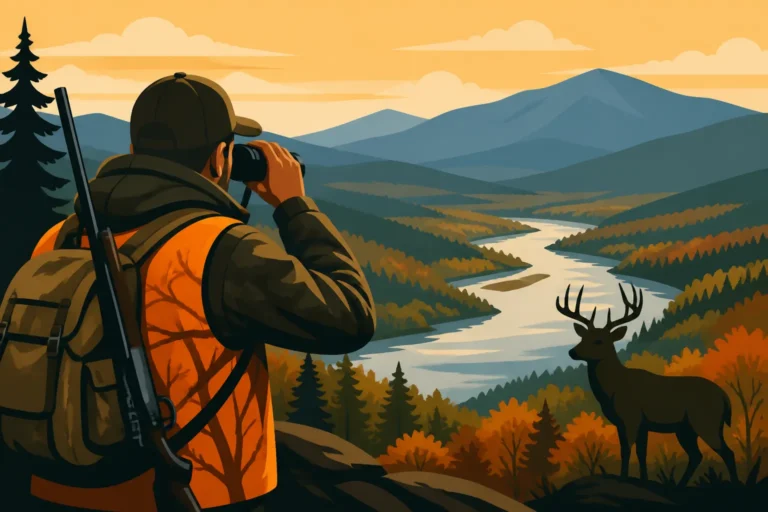
The allure of New Hampshire's North Country for hunters is undeniable, yet many folks head into these vast woods unprepared for the unique challenges and incredible rewards it offers. This guide is here to walk you through everything you need to know, from understanding the terrain and the magnificent game that calls it home, to the crucial gear and strategies that will help you succeed and stay safe in one of New England's wildest hunting landscapes.
Understanding New Hampshire's North Country Hunting Landscape
The term "North Country" isn't just a geographical label on a map; it's a way of life, a distinct ecological zone, and for hunters, a realm unto itself. When we talk about hunting in New Hampshire's North Country, we're stepping into a different kind of wilderness, one that demands respect, preparation, and a willingness to embrace its raw beauty and inherent challenges. This isn't your suburban woodlot hunting; this is true backcountry.
Geographical Extent and Defining Characteristics
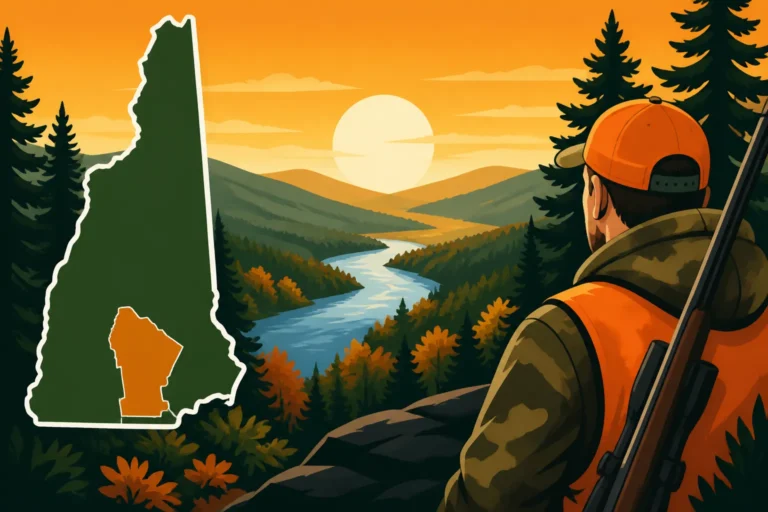
Geographically, New Hampshire's North Country generally encompasses the northernmost regions of the state, primarily Coos County, stretching down into parts of northern Grafton and Carroll counties. Think north of the notches, beyond the bustling tourist towns, where the landscape opens up into vast tracts of undeveloped forest, rugged mountains, and expansive wetlands. This region shares a border with Maine to the east and Vermont to the west, and further north, Quebec, giving it a truly remote, borderland feel. The towns are smaller, farther apart, and surrounded by wild country.
What defines it? It’s characterized by immense stretches of public land, including a significant portion of the White Mountain National Forest, interwoven with vast private timber company holdings. Elevations vary wildly, from river valleys and bogs to the high peaks of the northern Presidential Range. The winters are long and harsh, the summers brief, and the growing season short. This climate profoundly shapes the flora and fauna, creating a unique hunting environment unlike anything in the state's southern regions.
The Ecological Tapestry of the Great North Woods
The North Country is part of what's often referred to as the "Great North Woods," a massive forest ecosystem stretching across northern New England and into Canada. This isn't your typical oak-hickory forest of more southerly climes. Here, you'll find a dominance of spruce, fir, and northern hardwoods like sugar maple, beech, and birch. Dense softwood thickets are common, especially in regenerating cuts and along river bottoms, providing invaluable cover for wildlife. Boggy areas, with their unique sphagnum moss and black spruce, are scattered throughout, serving as critical habitat for moose and other wetland-dependent species.
The sheer scale of this wilderness means less human disturbance and more opportunities for game to live and thrive according to natural rhythms. The mosaic of old-growth timber, recent clear-cuts, and regenerating forests creates diverse habitats, attracting a wide array of game species. However, this vastness also means lower game densities for some species, like deer, compared to more fertile southern regions, making every successful hunt a hard-earned trophy. The challenges are real, but the rewards—a true sense of wilderness hunting—are immeasurable.
Primary Game Species of the North Country
When you venture into New Hampshire's North Country with a hunting license in hand, you're stepping into a realm where some of the state's most iconic big game animals roam. While deer are certainly present, the North Country is particularly renowned for its moose and black bear populations, offering incredible opportunities for those willing to put in the effort. Each species presents its own unique set of challenges and demands specific hunting approaches.
White-Tailed Deer: A Different Breed Up North
Don't come to the North Country expecting the same deer densities or Boone & Crockett-class bucks you might find in Iowa or even southern New Hampshire. Deer in the North Country are a different breed, both literally and figuratively. They tend to be smaller-bodied, a direct result of harsher winters, shorter growing seasons, and less abundant agricultural food sources. Their numbers are also generally lower, spread across vast tracts of forest.
Hunting deer here often means covering a lot of ground, either still-hunting through thick cover or carefully scouting for those limited, high-value food sources like regenerating clearcuts, apple orchards (if you can find them!), or specific mast crops. Deer here are masters of concealment, adept at using the dense softwood swamps and rugged terrain to their advantage. A mature buck in the North Country, while potentially smaller-antlered, is often a more elusive and hard-earned trophy than his southern counterpart, a testament to his survival skills in a challenging environment. Patience and persistence are key when chasing these resilient whitetails. You'll need to really dig into Reading Aerial Photos for North Country Deer to find their preferred travel corridors.
The Elusive North Country Moose
If there's one animal that truly defines North Country hunting, it's the moose. New Hampshire's North Country is the heart of its moose range, offering some of the best moose hunting opportunities in the lower 48 states, albeit through a highly competitive lottery system. A moose tag here is a once-in-a-lifetime draw for most, and for good reason – the experience is unparalleled. Moose thrive in the mixed forest and wetland habitats of this region, particularly around bogs, beaver flowages, and regenerating timber stands where browse is plentiful.
Hunting moose is an incredibly physical endeavor. These are immense animals, often weighing well over a thousand pounds, and taking one down in a remote bog means a monumental recovery effort. Calling plays a huge role in moose hunting, especially during the rut, as hunters try to lure a bull into range. Still-hunting vast tracts of suitable habitat is also common, looking for fresh sign like tracks, rubs, and feeding areas. Understanding Moose in New Hampshire's North Country is crucial for anyone dreaming of this hunt. Securing a tag through New Hampshire's Moose Permit Lottery is just the first step in an unforgettable adventure.
Pursuing Black Bear in Remote Timber
The black bear population in New Hampshire's North Country is robust and thriving, offering excellent hunting opportunities. Bears are highly adaptable and can be found throughout the region, though they prefer dense, remote timber, swamps, and areas with abundant natural food sources like berries, acorns, and beechnuts. Hunting methods primarily include baiting, hunting with hounds, or spot and stalk. The vastness of the North Country provides ample space for bears to roam and grow large.
For those interested in baiting, it's a demanding commitment, requiring consistent effort to establish and maintain a site. Hound hunting is a traditional method, often involving intense physical exertion as hunters and dogs pursue a bear through rugged terrain. Spot and stalk, while challenging in the dense cover, can be effective in more open clearcuts or along power lines where bears might be feeding. Regardless of the method, pursuing a bear in the North Country is an exciting and immersive experience. Make sure you understand Baiting New Hampshire Bears Legally by WMU if that's your chosen method.
Navigating the North Country's Challenging Terrain and Habitat
The North Country isn't for the faint of heart, or for those who prefer perfectly manicured trails. The terrain here is an integral part of the hunting experience, shaping how game moves, where they bed, and how you, as a hunter, must adapt your approach. Expect to encounter a diverse and often demanding landscape that requires physical fitness, careful navigation, and the right gear.
Thick Timber, Bogs, and Steep Grades
One of the most defining characteristics of North Country hunting is the sheer density of the timber. We're talking about vast expanses of spruce, fir, and mixed hardwoods, often growing so thick you can barely see twenty yards in any direction. This dense cover provides excellent concealment for game, making visual scouting challenging and forcing hunters to rely heavily on tracking and listening for subtle sounds. Regenerating clearcuts, while great for browse, are often a tangled mess of downed trees and thorny regrowth, making travel incredibly slow and noisy.
Interspersed throughout these forests are numerous bogs and wetlands. These can range from small, mucky depressions to vast, impassable swamps. While they are critical habitat for moose and provide escape cover for deer and bear, they also present significant navigational hazards. Getting bogged down or lost in a swamp is a real concern. Then there are the mountains themselves. Even outside the highest peaks, the terrain is often characterized by steep, unforgiving grades, rocky outcrops, and uneven footing. What looks like a short distance on a map can become an exhausting climb through thick woods.
Water Features and Their Impact on Game Movement
Beyond the bogs, the North Country is crisscrossed by countless rivers, streams, and beaver flowages. These water features are natural highways and barriers for wildlife. Rivers like the Connecticut or the Androscoggin, and their many tributaries, create corridors of fertile bottomland that can concentrate game. Beaver ponds, in particular, are magnets for moose, which feed on aquatic vegetation and the regenerating saplings around their edges. Deer will often use the edges of these flowages for travel and feeding.
Understanding how game utilizes these water features is critical. Deer might travel along the drier uplands adjacent to a stream, while a moose might wade right through the middle of a bog. Hunters often focus their efforts around these areas, looking for crossings, pinch points, or feeding sign. However, they also present challenges: cold water crossings, muddy banks, and the risk of hypothermia if you take an unexpected dip. Always be mindful of currents and water depth, especially during the colder months.
Seasonal Changes and Their Influence on Habitat
The North Country experiences dramatic seasonal shifts, each profoundly impacting hunting conditions and game behavior. Early archery season in September might still feel like late summer, with lush foliage, abundant natural food sources, and relatively comfortable temperatures. As October progresses, the hardwoods blaze with color, leaves fall, and visibility in the timber improves dramatically. This is often when the moose rut is in full swing, and deer activity picks up.
By November, when firearms season typically opens, conditions can vary wildly from crisp, clear days to early snowfalls and freezing rain. This period, especially the rut for deer, sees increased animal movement. Come December, for late archery or muzzleloader seasons, snow cover becomes more consistent, temperatures plummet, and game focuses heavily on accessible winter food sources and dense thermal cover. Hunters must be prepared for anything, as a sunny autumn day can quickly turn into a full-blown winter storm. Your strategy for Late-Season Food Sources for New Hampshire Whitetails will be completely different from an early fall hunt.
Accessing the Vast Hunting Opportunities
One of the greatest appeals of hunting in New Hampshire's North Country is the sheer amount of accessible land. Unlike more populated regions, vast tracts are open to public hunting, offering an incredible sense of solitude and wilderness. However, navigating this patchwork of public and private ownership requires careful planning and the right tools.
White Mountain National Forest and Other Public Lands
A huge portion of the North Country is dominated by the White Mountain National Forest (WMNF), a truly immense tract of federal land open to hunting with a New Hampshire license. This forest offers unparalleled opportunities for backcountry hunting, whether you're chasing deer, bear, or moose. Within the WMNF, you'll find everything from easily accessible logging roads to remote wilderness areas where motorized travel is prohibited. Understanding the specific regulations for the WMNF, such as camping setbacks or restrictions on motorized vehicles, is paramount. You can dive deeper into Hunting New Hampshire's White Mountain National Forest to understand the nuances of this federal land.
Beyond the WMNF, New Hampshire Fish and Game manages several Wildlife Management Areas (WMAs) in the North Country, often designed to enhance habitat for specific game species. These areas can offer excellent opportunities, particularly for waterfowl, small game, and sometimes deer or bear. Additionally, many state forests and reservations, as well as some town forests, allow hunting. The key is to research specific parcels before you go, consulting maps and local regulations. The feeling of stepping into such vast, untouched land is a core part of the North Country hunting experience.
Navigating Private Timberlands and Logging Roads
Much of the remaining hunting land in the North Country is owned by large timber companies. Historically, many of these companies have allowed public access for hunting, often through a system of gated and ungated logging roads. These private timberlands can be incredibly productive, as active logging creates the regenerating clearcuts and diverse habitat that game animals thrive on. However, access policies can change, and it's always wise to check current conditions and respect any posted signage.
Logging roads are the lifeblood of access in these areas. While some are well-maintained and open to vehicles, many are gated or become impassable to regular cars, requiring foot or ATV access (where permitted). These roads can serve as excellent entry points to remote areas, but also as travel corridors for game. Hunters often focus on the edges of active logging operations or the older, overgrown roads that lead into deep cover. Always be aware of active logging operations; safety dictates giving these areas a wide berth during work hours.
The Importance of Maps and Navigation Tools
In the expansive and often featureless terrain of the North Country, robust navigation skills and tools are not just helpful; they are absolutely essential for safety and success. Relying solely on a basic map or an unfamiliar trail can quickly lead to being disoriented or lost, especially in dense timber or during adverse weather. GPS devices and smartphone apps have revolutionized backcountry navigation, but they must be used correctly.
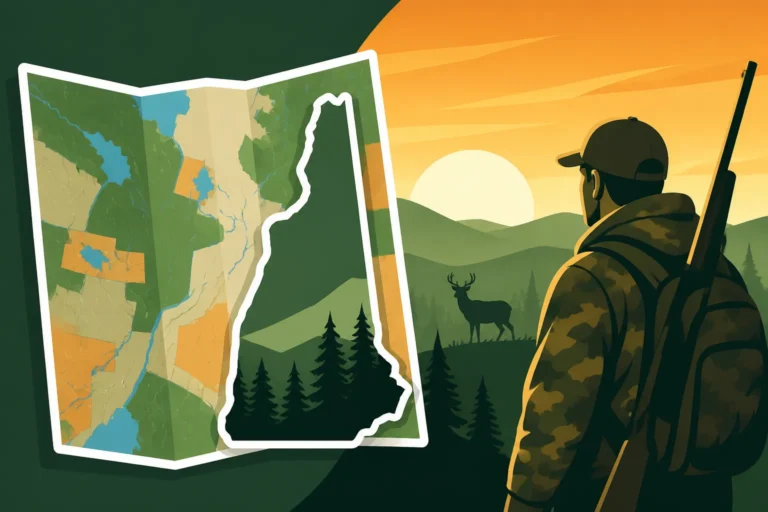
Tools like onX Hunt or GoHunt are incredibly valuable here. They provide detailed satellite imagery, topographic maps, and crucially, property ownership overlays that show public/private land boundaries, WMU lines, and even old logging roads. Before heading out, download offline maps to your device, as cell service is often non-existent in much of the North Country. Always carry a physical map and compass as a backup, and know how to use them. Mark your starting point, your stand locations, and any significant terrain features. Understanding Using the Fish and Game App Without Cell Service can literally be a lifesaver. This advanced planning ensures you can confidently navigate the remote landscape, allowing you to focus on the hunt itself.
Essential Gear for Success and Safety in the North Country
Hunting in New Hampshire's North Country is a serious undertaking that requires more than just your weapon and a tag. The combination of unpredictable weather, rugged terrain, and remote locations means your gear choices can directly impact your comfort, success, and most importantly, your safety. Being prepared for anything is the name of the game.
Clothing and Layering for Extreme Weather
The North Country weather can turn on a dime. A crisp fall morning can quickly become a driving rainstorm, or even a sudden snowfall. Effective layering is absolutely critical. You'll want a wicking base layer to manage moisture, insulating mid-layers to provide warmth, and a waterproof/windproof outer shell to protect against the elements. Synthetic materials and wool are your best friends here, as they retain insulating properties even when wet, unlike cotton. Think about items that can be easily added or removed to regulate your body temperature as you hike, sit, or field dress an animal.
Beyond layers, consider specialized items. Waterproof, knee-high boots are a must for navigating bogs and wet timber; check out Best Boots for North Country Bog Hunting for advice. Good quality gloves or mittens, a warm hat, and a neck gaiter will prevent significant heat loss. Even if the forecast looks mild, pack for colder, wetter conditions than anticipated. Hypothermia is a real risk in this environment, and staying dry and warm is paramount. Refer to Layering for New Hampshire's Cold Hunting Season for a more in-depth guide.
Navigation and Communication Devices
As mentioned earlier, navigation is non-negotiable. A reliable GPS unit or a smartphone with a hunting app like onX Hunt and downloaded offline maps are crucial. Always carry a power bank or extra batteries for electronic devices. A headlamp with fresh batteries (and spares) is essential for pre-dawn hikes and post-dusk tracking, especially when you're far from any light pollution.
For communication, a satellite communicator (like a Garmin inReach or Zoleo) is a highly recommended safety item for truly remote areas where cell service is non-existent. These devices allow you to send SOS messages, check-in with loved ones, and receive weather updates, providing a vital lifeline in an emergency. Never rely solely on a cell phone, as coverage is spotty at best in many North Country spots. A whistle is also a simple, effective tool for signaling for help or communicating with hunting partners.
Weapon Choices for North Country Big Game
When it comes to weapons, the North Country's dense cover and varied game call for thoughtful consideration. For deer and bear, common rifle calibers like .30-06, .308, 7mm Rem Mag, or .270 are popular and effective choices. The dense woods often mean shorter-range shots, so quick handling and adequate stopping power are more important than extreme long-range accuracy. Muzzleloaders are also a viable option during their dedicated season, offering a challenging and traditional hunt.
Archery hunters will find the dense timber presents unique challenges, requiring precise shots through narrow lanes. Crossbows are legal in certain WMUs and offer a more precise option for some archers. For moose, given their massive size and tough hide, a powerful rifle caliber is definitely recommended. Think .300 Win Mag, .338 Win Mag, or larger. Whatever your weapon, ensure you are proficient with it in varying field conditions and have practiced shots at realistic North Country distances.
Effective Hunting Strategies for North Country Game
Hunting the North Country isn't just about showing up with a tag; it's about understanding the land, anticipating game movement, and employing strategies tailored to this specific environment. The vastness and wildness demand a more thoughtful and often more physically demanding approach than hunting in less remote areas.
Scouting and Reading Remote Sign
Success in the North Country often begins long before opening day. Pre-season scouting is absolutely vital. While physically walking every acre is impossible, utilizing tools like onX Hunt and GoHunt can help you identify promising areas from home. Look for natural funnels, saddlebacks, clearcuts in various stages of regrowth, edges of swamps, and areas where different timber types meet. These are all potential hotspots. Scouting New Hampshire Public Land Before Season is a huge advantage.
Once on the ground, focus on reading sign. In the North Country, deer sign might be sparser, so recognizing subtle rubs, scrapes, and fresh tracks is paramount. For moose, look for heavily browsed saplings, massive tracks, and shed antlers (though finding a fresh shed is a rare treat!). Bear sign includes claw marks on trees, overturned rocks, scat, and tracks around berry patches. Pay close attention to food sources. Is it an apple year? Are the beechnuts dropping? This intelligence will guide your efforts.
Still-Hunting and Stand Placement in Vast Cover
Given the dense cover and often lower game densities, traditional stand hunting can be challenging. Many North Country hunters rely on still-hunting – slowly and deliberately moving through the woods, stopping frequently to observe, listen, and glass ahead. This method allows you to cover more ground and react to fresh sign or unexpected encounters. The key is to move extremely slowly, pausing for several minutes at a time before taking just a few steps.
When choosing a stand site, forget the typical open food plots. Here, you're looking for subtle travel corridors, pinch points between impenetrable swamps and steep ridges, or the edges of dense thermal cover. Stands overlooking regenerating clearcuts, especially ones with a good mix of browse, can be effective. Consider using ground blinds in dense areas where tree stands are difficult to set up or where cover is naturally abundant. Remember, even a slight elevation change can act as a crucial funnel for game in vast timber. Still-Hunting White Mountain National Forest Timber is a classic North Country approach.
Calling Strategies for Moose and Bear
Calling is a highly effective strategy for both moose and bear in the North Country, adding an exciting dimension to the hunt. For moose, particularly during the rut (late September through October), cow calls and bull grunts can be incredibly effective at drawing in a curious or challenging bull. Learning to mimic the various vocalizations of a cow in estrus or a territorial bull can make all the difference. Patience is key; a bull might take a long time to respond and approach, so be prepared for a waiting game. There’s an art to Calling a Bull Moose in Late October.
For bears, calling typically involves using distress calls (rabbit, fawn, or cub distress) to attract a curious or predatory bear. This can be done from a stand or while still-hunting, but always with extreme caution and awareness of wind direction. Electronic callers can be very effective for bears. If you’re baiting for bear, calls can also be used in conjunction with your bait site to pull in a hesitant bear. Understanding the local bear behavior and typical responses to calls will increase your odds significantly.
North Country-Specific Regulations and Considerations
Hunting in New Hampshire's North Country means adhering to the state's general hunting laws, but also being aware of specific regulations that often apply to the northernmost Wildlife Management Units (WMUs). These rules are in place to manage game populations effectively and ensure a sustainable hunting future in this unique region.
WMU Specifics and Season Variations
New Hampshire divides the state into various Wildlife Management Units (WMUs), and the North Country typically falls within WMUs A, B, and C, with parts of D1 and E also reaching into what many consider the North Country. These WMUs often have different season dates, bag limits, and even weapon restrictions compared to southern units. For instance, the deer season might run for slightly different lengths in the far north. It's absolutely crucial to consult the annual New Hampshire Fish and Game Digest every year before you hunt. This small booklet is your bible for all legal requirements and changes.
Understanding New Hampshire's WMU-Based Deer Season Structure is not just a suggestion; it's a necessity. Some WMUs, especially those in the remote north, might have specific rules regarding antlerless permits or special youth hunting opportunities. Always double-check the specific WMU you plan to hunt to avoid any misunderstandings or violations. The rules are designed to account for varying game densities, winter severity, and habitat differences across the state.
Moose Lottery and Bear Baiting Rules
The North Country is synonymous with moose hunting, but obtaining a moose permit is a highly competitive process through the state's lottery system. Applications are typically due in the spring, and successful applicants are drawn well before the fall season. Permits are issued for specific WMUs, and it's essential to hunt only in the unit specified on your tag. The number of permits issued varies annually based on population estimates and management goals. For most, this is a once-in-a-lifetime opportunity, so ensure every detail is correct when applying.
For bear hunting, baiting is a common and legal method in New Hampshire, but it comes with stringent regulations. These rules dictate everything from the types of bait that can be used (no meat or fish products are allowed), the distance bait sites must be from roads and dwellings, the tagging requirements for bait barrels, and the specific dates when bait can be set and hunted over. These dates vary by WMU, so you must know your zone's regulations. Setting up a bait site is a big commitment and requires regular tending, and violating baiting regulations can lead to severe penalties. Always consult the digest for the latest New Hampshire Bear Baiting and Hound Rules.
Staying Safe and Prepared in New Hampshire's Remote North Country
The beauty and solitude of hunting in the North Country come with an increased responsibility for your own safety and preparedness. The remoteness means that help can be hours away, and conditions can change rapidly. Thinking ahead and packing smart are not just good ideas—they're essential.
Emergency Preparedness and First Aid
Before you even step foot into the North Country, tell someone your hunting plan. Share your exact location, your intended route, when you expect to return, and who to call if you don't check in. This "leave a plan" strategy is perhaps the most critical safety measure for remote hunting. Carry a well-stocked first-aid kit that goes beyond simple bandages. Include items for severe bleeding, sprains, allergic reactions, and essential medications. Knowing basic wilderness first aid can make a huge difference in an emergency.
Always carry enough food and water for at least an extra day, especially if venturing deep into the backcountry. A small, lightweight emergency shelter (like a space blanket or bivvy sack) and fire-starting materials (waterproof matches, lighter, fire starter) are non-negotiable, even for a day hunt. Getting caught out overnight in unexpected cold or rain without shelter can quickly become a life-threatening situation. Being prepared to spend an unplanned night in the woods is a fundamental aspect of North Country safety.
Wildlife Encounters and Backcountry Hazards
While hunting, you're immersing yourself in wildlife territory, and encounters are part of the experience. Be aware of your surroundings at all times. Black bears, while generally shy, can be unpredictable, especially if surprised or if cubs are present. Make noise as you move through thick cover. Moose can also be aggressive, particularly cows with calves or bulls during the rut, so always give them a wide berth. Other potential hazards include porcupines for dogs, and ticks carrying Lyme disease, even in colder weather.
Beyond wildlife, the terrain itself is a hazard. Uneven footing, slippery rocks, hidden roots, and steep descents can lead to falls and injuries. Always be mindful of stream crossings and ice conditions. Being vigilant for venomous snakes (though rare in the far north) and knowing how to identify poisonous plants are also good practices. The North Country is wild, and while thrilling, it demands respect for its power. Ensure you have completed New Hampshire Hunter Education Requirements as these courses cover essential safety protocols for all types of hunting, including in remote areas.
North Country Game Species Overview
Here's a quick look at what you might encounter and how hunters typically approach them in New Hampshire's North Country:
| Species | Typical Habitat | Common Hunting Method(s) | Unique North Country Aspect |
|---|---|---|---|
| White-tailed Deer | Thick cover, regenerating cuts, bog edges | Still-hunting, stand hunting, tracking | Smaller body size, lower density, incredibly resilient |
| Moose | Bogs, wetlands, regenerating clearcuts | Calling, still-hunting, tracking | Lottery-based tag, physically demanding recovery |
| Black Bear | Dense timber, berry patches, swamps | Baiting, hound hunting, spot & stalk | Abundant population, WMU-specific baiting/hound rules |
| Ruffed Grouse | Young successional forests, logging roads | Dog hunting, still-hunting | Iconic bird of the North Woods, often found near old cuts |
| Snowshoe Hare | Dense softwood thickets, swamps | Dog hunting (beagles), still-hunting | Excellent late-season opportunity, often found near bogs |
| Coyote | Varied, from timber to field edges | Calling, trapping | Abundant, provides year-round hunting opportunity |
Disclaimer
This article is for general informational purposes only and does not constitute professional advice. Laws, prices and regulations vary by location and change over time. Consult a qualified professional for guidance on your specific situation.