Moose in New Hampshire’s North Country
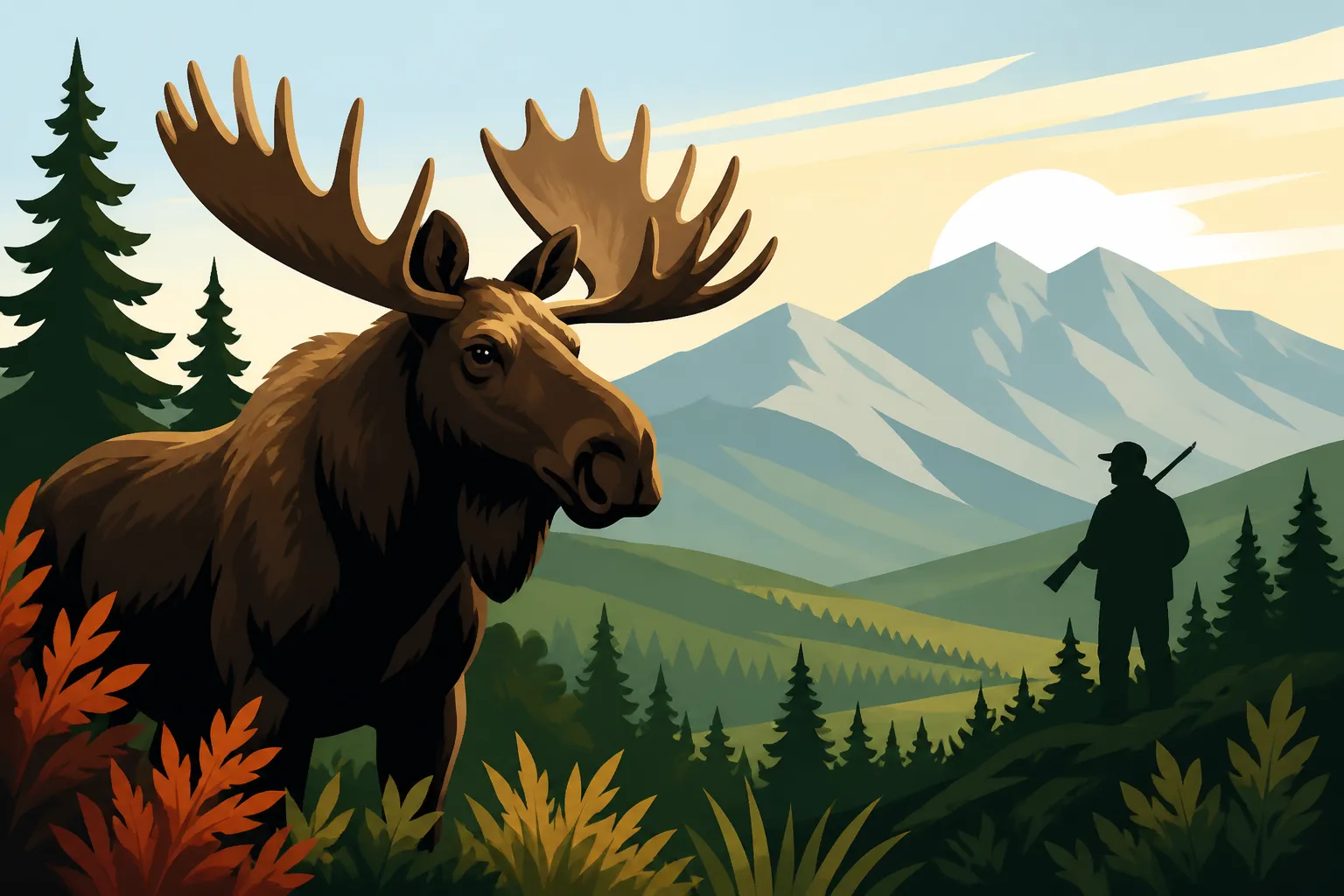
For many, the image of a majestic moose evokes the very essence of New Hampshire’s untamed wilderness, especially in its sprawling North Country. Yet, for all their iconic status, truly understanding these magnificent creatures – their lives, their challenges, and the incredible experience of encountering them – can feel like trying to decipher an ancient forest. This comprehensive guide will pull back the curtain on New Hampshire's moose, offering a deep dive into their biology, behavior, habitat, the very real threats they face, and what it truly means to pursue them in the Granite State.
The Majestic Giants of the North Country: Understanding New Hampshire's Moose
There's something almost mythical about seeing a moose in the wild, particularly when their massive antlers dwarf their already imposing frame. These aren't just big deer; they are creatures perfectly adapted to the rugged, often harsh, environment of northern New Hampshire. Their presence defines the landscape, and their well-being is a critical indicator of the health of our wildest places.
A Legacy of Resilience: Moose Population History in New Hampshire
It's hard to imagine, but New Hampshire's moose population wasn't always as robust as it has been in recent decades. In the early 1900s, unchecked hunting and widespread deforestation had decimated their numbers, pushing them to the brink of extirpation in the state. For many years, sightings were rare, almost a whisper from a bygone era. However, thanks to a combination of improved forest management, which allowed their preferred habitat to regenerate, and the implementation of sound wildlife conservation laws, moose began a remarkable comeback. By the late 20th century, their numbers had rebounded significantly, reaching a peak in the late 1990s and early 2000s. This success story is a testament to dedicated conservation efforts and the moose's incredible resilience, offering a living example of what strategic wildlife management can achieve. Understanding this history is crucial to appreciating the challenges they face today and the efforts being made to ensure their future.
Where the Wild Things Roam: North Country Moose Habitat
New Hampshire's North Country provides the ideal mosaic of habitat that moose thrive in. We’re talking about vast expanses of mixed forest, often dominated by regenerating hardwoods like birch, maple, and aspen, interspersed with dense stands of spruce and fir. Critically, these areas feature an abundance of wetlands, bogs, and small ponds. Moose are semi-aquatic, and these water bodies are not just a place for them to cool off in the summer; they are a vital source of aquatic vegetation, which is a key part of their diet. You’ll find them browsing on willow, balsam fir, and various shrubs in clear-cuts and along the edges of logging roads, where new growth provides easily accessible browse. The dense cover of softwoods offers crucial thermal protection during the harsh New Hampshire winters. If you're looking for moose sign, focus on areas where these elements converge: fresh browse lines on saplings, large tracks along muddy pond edges, and heavily used travel corridors between dense cover and feeding areas. Exploring these remote corners of the state can be incredibly rewarding, even if you’re just observing. If you are ever curious to pinpoint these areas more exactly, apps like GoHunt offer invaluable mapping layers that can help you identify prime habitat from your phone, even without cell service.
The Iconic Image: Physical Characteristics and Adaptations
When you see a moose, you instantly know it's not a white-tailed deer. Their sheer size is the first giveaway: bulls can weigh over a thousand pounds and stand over six feet tall at the shoulder, truly making them the largest member of the deer family in North America. Their long legs, often perceived as gangly, are perfectly suited for navigating deep snow and boggy terrain. The distinctive "bell" (a dewlap of skin under their chin) and humped shoulder are also unmistakable features. During the rut, mature bulls sport impressive, broad, palmate antlers that can span five to six feet across, growing anew each year. These antlers are not just for show; they're formidable weapons used to assert dominance and fight for breeding rights. Beyond their appearance, moose possess incredible adaptations to their environment. Their dense fur coat provides excellent insulation against the brutal New Hampshire winters, while their large hooves act like snowshoes, distributing their weight over a larger surface area, allowing them to traverse deep snow where other animals might flounder. Their keen sense of smell and hearing also makes them incredibly elusive, even in areas where they are abundant.
Life Cycle and Behavior: Peeking into a Moose's World
Understanding the annual rhythm of a moose’s life helps us appreciate their challenges and why certain times of the year are more critical than others for their survival and reproduction. It's a continuous cycle of feeding, growing, and surviving in a demanding environment.
The Annual Cycle: From Calving to Winter Survival
The life of a New Hampshire moose follows a distinct annual rhythm dictated by the seasons. Spring, typically late May to early June, is calving season. Cows seek out secluded, protected areas, often near water, to give birth to one or sometimes two calves. These calves are vulnerable but grow rapidly on their mother's rich milk, gaining strength and size throughout the summer. Summer is a time of intensive feeding, where moose bulk up on nutrient-rich vegetation, including aquatic plants, to build reserves for the coming winter and, for bulls, to fuel antler growth.
As the days shorten and the leaves begin to turn, the air in the North Country fills with a different kind of energy: the rut. From late September through October, bulls are actively seeking cows, often engaging in impressive displays of dominance, rubbing their antlers on trees, and bugling loudly. This is the period of peak breeding activity. After the rut, moose shift their focus to preparing for winter. They continue to feed heavily, packing on as much fat as possible. Winter is the most challenging time. Deep snow restricts movement, and food becomes scarce, forcing them to rely on less nutritious woody browse. Survival often depends on the fat reserves built during the summer and fall. By late winter, many moose are in a negative energy balance, losing weight as they struggle to find sufficient forage and expend energy moving through deep snow, especially if they are heavily infested with winter ticks, a challenge that can significantly impact their ability to endure.
Diet and Foraging Habits: What Sustains a New Hampshire Moose
Moose are strict herbivores, but their diet varies significantly with the seasons and the availability of forage. In spring and summer, they are opportunistic browsers, feeding on a wide variety of succulent plants. A particular favorite is aquatic vegetation, which is why you often find them wading into bogs and ponds. These plants are incredibly rich in minerals like sodium, which moose crave. They'll also browse on the tender shoots and leaves of deciduous trees and shrubs such as willow, aspen, birch, and maple. In fact, if you're scouting, look for "moose browsed" areas where small saplings have been clipped cleanly at a height of 6-8 feet, which is significantly higher than a deer's browse line.
As fall progresses, they continue to forage on woody browse, and once winter sets in, their diet becomes almost entirely composed of twigs and buds from conifer trees like balsam fir and various deciduous shrubs. While these woody materials are less nutritious, they are often the only food available, and moose stomachs are specially adapted to digest them. They can consume an astonishing amount of browse each day, a necessity to fuel their enormous bodies and navigate the demanding terrain of New Hampshire. Understanding these foraging preferences is key to locating prime moose habitat, whether you're observing or considering a hunt.
Social Structures and Solitary Lives
For the most part, moose are solitary creatures. Unlike deer, which often gather in herds, or elk, which form large cow-calf groups, adult moose typically prefer to live alone. A cow will stay with her calf (or calves) for about a year, sometimes longer, until the next calving season, teaching them vital survival skills. After that, the young moose disperses to find its own territory.
The primary exception to this solitary existence is during the rut. In late fall, the North Country becomes a stage for dramatic interactions as bulls seek out cows. Bulls will spar with other males, often with intense, crashing antler clashes, to establish dominance and gain access to breeding females. Cows will sometimes tolerate the presence of a bull during this period, but once the breeding is done, they revert to their solitary ways. This independent nature is a hallmark of the species and is perfectly suited to the vast, sparsely populated landscapes they inhabit. It means that while you might find multiple moose in a rich feeding area, they are usually there for the food, not necessarily for companionship.
The Challenges They Face: Understanding Moose Health in New Hampshire
While New Hampshire's moose population has seen significant recovery, they are far from out of the woods. The majestic giants of our North Country are facing increasing threats, some old and some new, that are causing serious concern among wildlife biologists and conservationists. This makes efforts to protect them more critical than ever.
The Silent Scourge: Winter Tick Infestations
Perhaps the most pressing and devastating threat to New Hampshire's moose population today comes from a tiny, insidious parasite: the winter tick (Dermacentor albipictus). Unlike deer, which have evolved some resistance, moose are particularly vulnerable. During mild winters and early springs, tick populations explode, leading to massive infestations on individual moose. A single moose can carry tens of thousands of these blood-sucking parasites. The ticks begin attaching in the fall and feed all winter long, causing severe blood loss, anemia, and intense irritation.
Affected moose will rub themselves raw trying to dislodge the ticks, often losing large patches of fur. This "ghost moose" appearance is a telltale sign of heavy infestation and leads to hypothermia in cold weather. The energy drain from blood loss and constant irritation leaves them weakened and vulnerable, especially calves, which have significantly higher mortality rates. Why Winter Ticks Threaten New Hampshire Moose is a major concern, prompting significant research and management efforts to understand and mitigate their impact. The New Hampshire Fish and Game Department is actively monitoring moose health and tick burdens to guide management strategies aimed at ensuring the long-term viability of the herd.
Habitat Fragmentation and Climate Change Impacts
Beyond ticks, moose in New Hampshire face broader environmental challenges. While the North Country still offers vast wild spaces, habitat fragmentation due to development, roads, and other human activities can isolate populations, limit gene flow, and reduce the overall carrying capacity of the land. This makes it harder for moose to find new food sources or escape areas with high predator or tick densities.
Climate change is also casting a long shadow. Milder winters mean less snow cover, which, while sometimes beneficial for winter travel, also means earlier spring thaws, often leading to increased winter tick survival and infestations. Additionally, moose are exquisitely adapted to cold environments. They begin to experience heat stress at relatively low temperatures (around 20 degrees Fahrenheit when exerting themselves). Hotter, longer summers can lead to reduced foraging time during the day, increased stress, and a weaker condition going into winter, further exacerbating the impacts of ticks. These compounding factors create a complex web of threats that require holistic and long-term conservation strategies.
Disease Monitoring and Management Efforts
New Hampshire Fish and Game takes wildlife health incredibly seriously, and moose are a priority. One disease that often raises concern across North America is Chronic Wasting Disease (CWD). Thankfully, New Hampshire's CWD Prevention Rules have been stringent and, to date, New Hampshire's deer herd, and by extension its moose population, remains CWD-free. This is a monumental achievement, considering the disease is present in neighboring states and provinces. The state implements a robust surveillance program, testing harvested deer and moose for CWD annually. They also have strict regulations on the import of deer, elk, and moose carcasses from CWD-positive areas to prevent its introduction.
Beyond CWD, wildlife biologists continuously monitor for other diseases and health issues. This proactive approach, coupled with research into tick control methods and habitat improvement projects, is crucial for sustaining a healthy moose population in the face of evolving environmental pressures. It’s a constant battle, but one that dedicated wildlife professionals are fighting tirelessly.
Hunting Moose in New Hampshire: A Once-in-a-Lifetime Opportunity
For a select few, New Hampshire offers the chance to pursue one of North America's most magnificent big game animals. It's an experience steeped in tradition, challenge, and an undeniable connection to the wild heart of the North Country. This isn't just any hunt; it's often considered the pinnacle of a hunter's career in the Granite State.
The Coveted Moose Permit Lottery: How it Works
Given the careful management of New Hampshire's moose population, securing a permit to hunt one is not a simple task. It's handled through a highly competitive and much-anticipated lottery system. Each spring, hopeful hunters apply for a chance to draw one of the limited number of permits issued for the fall season. The number of permits allocated is carefully determined by wildlife biologists based on population surveys, health assessments, and management goals for each of the designated Wildlife Management Units (WMUs). This ensures that the harvest remains sustainable and doesn't negatively impact the overall health of the herd.
The odds of drawing a permit are low, especially for non-residents, making each permit truly a What a Once-in-a-Lifetime Moose Tag Means. Applicants can purchase multiple chances to increase their odds, but even then, it's often a waiting game spanning many years. The application process and deadlines are rigorously outlined by New Hampshire Fish and Game, and successful applicants are notified in June, giving them time to prepare for the fall hunt. This system highlights the conservation-first approach to moose hunting in the state, ensuring that this incredible resource is managed for future generations. For up-to-date application details, consulting the New Hampshire Fish and Game website or using a platform like GoHunt to track application periods is essential.
Understanding New Hampshire's Eight Moose-Permit WMUs
New Hampshire's moose hunting season is specifically managed by Wildlife Management Unit (WMU) to ensure localized population control and sustainable harvest. Currently, there are New Hampshire's Eight Moose-Permit WMUs where hunting is permitted. These WMUs are predominantly located in the northern and western parts of the state, encompassing the vast forests, bogs, and mountainous terrain that moose call home. Each WMU has a specific quota of permits, and these quotas can fluctuate year to year based on biologists' assessments of moose density, population trends, and winter tick impacts within that particular area.
For example, WMUs like A, B, and C in the far North Country often have higher permit allocations due to historically robust moose populations and extensive suitable habitat, whereas units further south might see fewer or no permits issued. Hunters applying for the lottery must select their preferred WMU. Researching these units – understanding their terrain, public land access, and moose density – is a critical first step for any hopeful moose hunter. This localized management approach allows New Hampshire Fish and Game to fine-tune its strategies, addressing specific challenges or opportunities within each region, thereby ensuring the health and stability of moose populations across the state.
Ethical Hunting Practices and Regulations
Drawing a New Hampshire moose permit comes with significant responsibility. Ethical hunting practices are paramount, ensuring a respectful pursuit and a clean harvest. This includes meticulous preparation, knowing your equipment and its limitations, and being proficient with your chosen firearm or archery gear. The state has strict regulations regarding legal weapons, hunting hours, and reporting requirements. For example, Moose Hunting New Hampshire's North Country involves understanding the specific season dates, which are often limited to a week in October. Hunters are also required to register their moose within 24 hours of harvest, which contributes vital biological data to the state's ongoing management efforts.
Beyond the regulations, ethical hunting also involves respecting the animal and the land. This means minimizing waste, properly caring for the meat, and leaving no trace. Given the large size of a moose, proper field dressing and meat extraction can be a significant undertaking, often requiring multiple people and specialized gear. Hunters are also strongly encouraged to report any signs of disease or unusual behavior observed in harvested animals to New Hampshire Fish and Game, further contributing to the overall health monitoring of the herd. This commitment to ethical and responsible hunting ensures that the privilege of hunting moose in New Hampshire remains an honor, rather than a mere opportunity.
Scouting and Tactics for North Country Moose
Successful moose hunting in New Hampshire’s North Country is less about luck and more about diligent preparation, understanding moose behavior, and knowing how to interpret the vast landscape. It’s a physically demanding endeavor that rewards persistence and careful planning.
Reading the Landscape: Identifying Prime Moose Habitat
Before you ever step foot in the woods with your tag, you need to understand where moose want to be. This means extensive scouting, often stretching months or even a year prior to the season. As mentioned earlier, moose prefer a mosaic of regenerating forests, dense cover, and crucially, water. When you're Scouting New Hampshire Public Land Before Season, look for recent logging operations where browse is abundant. These clear-cuts, especially those a few years old, are moose buffets. Pay close attention to the edges where these cuts meet older, thicker timber, as moose will often use the dense cover for bedding and protection while feeding along the edges.
Bogs, swamps, and beaver flowages are magnets for moose, providing rich aquatic vegetation and a cooling respite in warmer weather. Tracks, droppings, and browsed vegetation are key indicators. A heavily used moose trail will often be worn down, with broken branches at head height. In the North Country, accessing these areas can be challenging, often requiring long hikes into remote territories. Mapping tools like those found on GoHunt can be invaluable here, helping you identify promising features such as wetlands, timber stands, and elevation changes before you even tie on your boots.
Understanding Moose Movement and Rutting Behavior
The moose rut in New Hampshire typically peaks in late September and extends through much of October, coinciding with the hunting season. During this time, bull moose are actively seeking cows, making them more vocal and often less cautious than at other times of the year. Understanding this behavior is central to successful hunting. Bulls will "rattle" their antlers against trees and brush, creating scrapes, and engaging in impressive vocalizations – deep grunts and roars that can carry for long distances through the timber. Cows, when receptive, will emit a mournful, drawn-out bawl.
Hunters often employ calling strategies, mimicking a cow in heat or a challenging bull, to draw in a bull. Calling a Bull Moose in Late October requires patience and knowing when and how loudly to call, as well as being ready for a quick shot once a bull responds. While calling is effective, it’s not always a guarantee. Still-hunting, moving slowly and deliberately through prime habitat, is another effective tactic, especially during non-peak rut times. Early mornings and late evenings are typically the most active periods for moose movement, as they feed and travel between bedding and foraging areas.
Gear and Preparation for a Remote Moose Hunt
A New Hampshire moose hunt, especially in the North Country, is not for the faint of heart. It demands significant physical fitness and thorough preparation. Given the size of the animal and the remote terrain, gear selection is critical. Packing for a Nine-Day Moose Hunt (even if your hunt is shorter, the mindset is the same) means considering everything from sturdy, waterproof boots for navigating bogs and rocky terrain to reliable navigation tools like a GPS and detailed maps. Forget relying solely on your cell phone in these remote areas; dedicated satellite communicators are wise for safety.
Your rifle or bow must be capable of a clean, humane kill on such a large animal; for rifles, a powerful caliber like a .30-06, .300 Win Mag, or .338 Win Mag is recommended. Optics are also key; a good pair of binoculars will help you Glassing a Bog for a Bull Moose from a distance, identifying a legal animal before you commit to a stalk. Don't forget a quality knife, game bags, and a way to get the meat out, as this is often the most physically taxing part of the hunt. Many successful hunters bring a crew of friends or family to help, as well as a robust game cart or even an ATV (where permitted) for extraction.
After the Shot: Processing and Conservation
The moment a moose hits the ground is often just the beginning of the real work. The sheer size of these animals, combined with the remote and often challenging terrain of the North Country, means that post-harvest procedures require meticulous planning and Herculean effort.
Field Dressing and Meat Care in the Backcountry
Once a moose is down, the clock starts ticking. Proper Field Dressing a Moose in the North Country is crucial for ensuring the quality of the meat, especially if temperatures are mild. Due to their immense size, a moose retains heat very efficiently, and if the carcass isn't opened up quickly to allow it to cool, spoilage can occur rapidly. This isn't like field dressing a small deer; it requires significant effort, sharp knives, and often a bone saw.
The process involves eviscerating the animal, sometimes splitting the sternum and pelvis, and then quartering the moose on site. Quartering is almost always necessary to make the animal manageable enough to move out of the woods. Hunters often carry large game bags to protect the meat from dirt, insects, and scavengers once it's sectioned. Having a plan, and the necessary tools, for immediate and thorough field care is paramount to honoring the animal and ensuring that none of the valuable meat is wasted.
Packing Out a New Hampshire Moose: The Ultimate Challenge
This is where the rubber truly meets the road, or perhaps more accurately, where your boots meet the mud. Packing Out a New Hampshire Moose from remote North Country terrain is perhaps the single greatest physical challenge of the entire hunt. A mature bull moose can yield hundreds of pounds of bone-in meat, not to mention the hide and antlers. Attempting to drag an entire moose, especially through bogs or over steep, rocky terrain, is generally impractical, if not impossible.
This is why quartering the animal is so essential. Hunters typically use heavy-duty frame backpacks designed for carrying substantial loads. Each quarter can weigh well over 100 pounds. This often means multiple trips, sometimes over several days, depending on how far you are from vehicle access. Teamwork is invaluable here; having a dedicated crew to help carry out the meat makes the task far more manageable. Even with a good crew, it's a grueling test of endurance, resolve, and planning, often pushing hunters to their physical limits. But for those who succeed, the venison in the freezer and the memories of the effort are priceless.
Contributing to Conservation: Data and Management
Every legally harvested moose in New Hampshire contributes valuable data to the state's ongoing conservation and management efforts. Once the moose is out of the woods, hunters are required to register it, either in person at an official check station or online via the New Hampshire Fish and Game app. This registration process is more than just a formality. Biologists collect crucial information, including the sex of the animal, whether it's a cow or a bull, its approximate age (often determined by tooth wear), and the general health of the animal.
This data, along with population surveys and tick burden assessments, helps New Hampshire Fish and Game make informed decisions about future permit allocations, season structures, and overall management strategies. New Hampshire Moose Population Estimate and health trends are directly influenced by the information gathered from hunters. By participating responsibly in the hunt and fulfilling all reporting requirements, hunters become direct partners in the conservation of this magnificent species, ensuring that future generations can continue to witness and appreciate moose in the wilds of New Hampshire.
Disclaimer
All information provided in this guide is for informational purposes only and is not a substitute for official regulations. Hunters are responsible for consulting the most current New Hampshire Fish and Game Department hunting regulations and laws before engaging in any hunting activities. Safety should always be the top priority.