When New Hampshire Bucks Shed Antlers
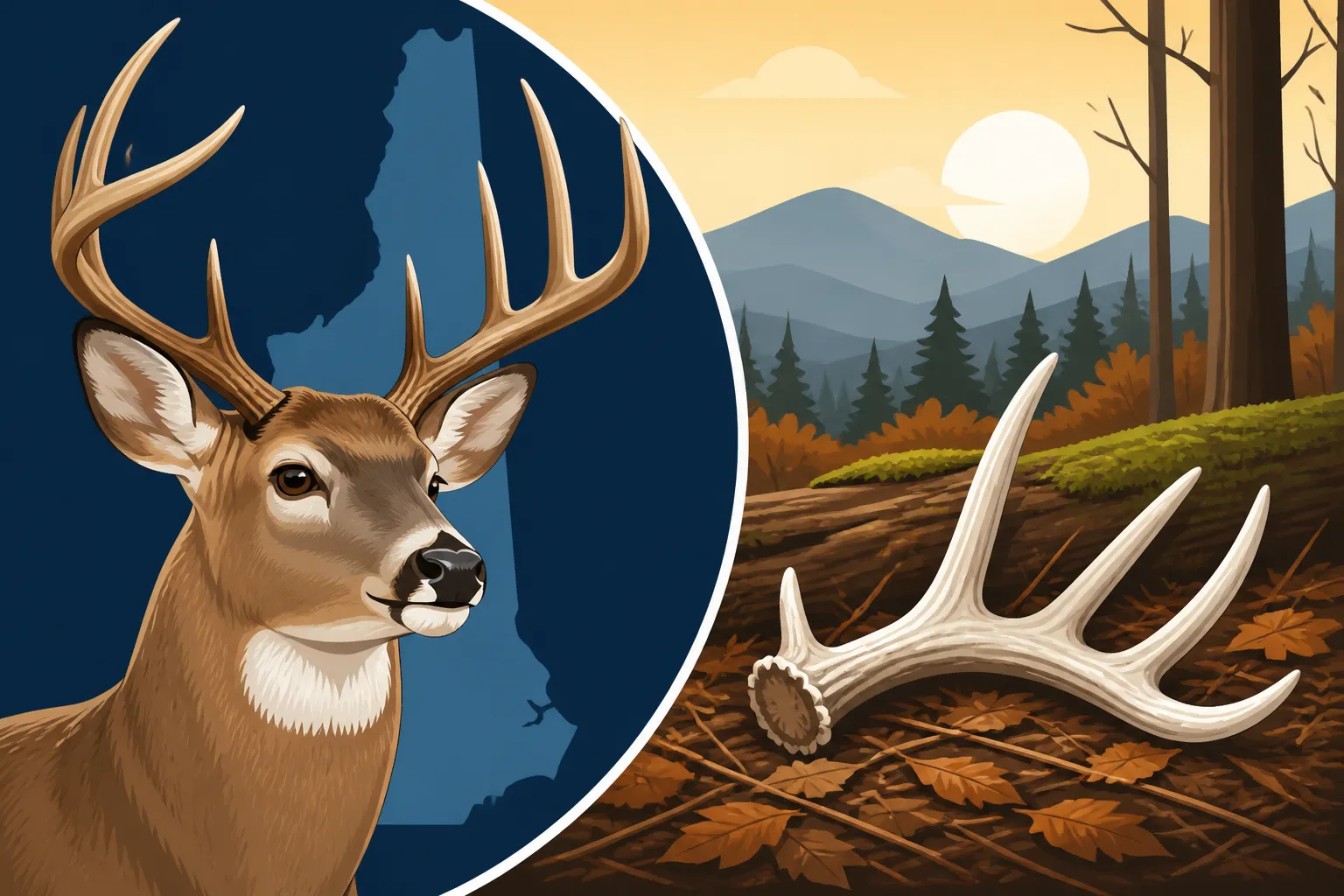
For many of us who live and breathe New Hampshire's outdoors, the end of deer season doesn't mean the end of our time in the woods. Instead, it marks the beginning of a different kind of hunt – the search for shed antlers. It can be frustrating trying to predict exactly when those magnificent pieces of bone will drop, leaving you wondering if you're too early, too late, or if you're just stomping through the woods for nothing. This guide is here to shed some light (pun intended!) on the fascinating process of antler shedding in New Hampshire bucks, helping you understand the "when," "why," and "where" so you can increase your chances of finding that coveted shed.
The Great Annual Drop: When New Hampshire Bucks Shed Antlers
The exact moment a New Hampshire buck sheds his antlers isn't a simple calendar date. It's more of a window, influenced by a complex interplay of biology, environment, and individual circumstances. Generally speaking, in the Granite State, most bucks will begin to drop their antlers starting in late December and continuing through March, with the bulk of the shedding typically occurring in January and February. It's like a grand natural event, unseen by most, but a huge deal for those of us who love to be in the woods during the quieter months.
You might hear whispers of bucks shedding early in December, especially after a particularly stressful rut or a harsh early cold snap. And then there are those rare unicorns still carrying their headgear well into April, defying all expectations. But these are usually outliers. For the majority of our New Hampshire whitetails, that early to mid-winter period is when they start to lighten their load after the long, grueling demands of the breeding season.
It’s crucial to remember that this isn't a nationwide average; New Hampshire's specific climate, deer herd health, and varying regional conditions within the state all play a part. A buck in the colder, harsher climate of the North Country might be more prone to dropping earlier due to physiological stress than a buck feasting on abundant agriculture in the southern part of the state. Understanding these nuances helps you focus your efforts.
The Peak Shedding Window in New Hampshire
While there's a broad period for shedding, most seasoned shed hunters in New Hampshire will tell you that late January and all of February are prime time. This is when the highest percentage of bucks are likely to have dropped their antlers. By early March, many of the readily available sheds might have already been picked up by other hunters, natural scavengers, or simply become harder to find under new snow.
Imagine walking through a familiar patch of hardwoods in late January, the snow crusty underfoot, and seeing that tell-tale gleam of white against the browns and greys of the forest floor. That's the sweet spot. The colder it gets, the more energy the deer expend just to survive, and if they've already depleted their reserves from the rut, those antlers become a burden rather than an asset. This physiological shift is what drives the majority of the herd to shed within this concentrated timeframe. It’s a natural process that prepares them for the lean months ahead and the start of new antler growth.
Early and Late Shedders: What to Look For
Just like us, every deer is an individual, and their shedding schedule can vary. Some bucks, particularly those that were heavily involved in the rut, might shed earlier. This could be due to a significant loss of body condition and testosterone levels dropping more rapidly. Think of a dominant, older buck that pushed himself hard during the breeding season; he might be one of the first to drop his antlers, sometimes even in late December or early January. This is why checking those prime bedding areas in late fall and early winter is so important, especially after the New Hampshire's November Firearms Deer Season.
On the flip side, healthier, younger bucks, or those that didn't experience as much stress during the rut, might hold onto their antlers longer, occasionally into late March or even April. These are often bucks that maintained better body condition throughout the fall. A milder winter can also push the shedding period later for the entire herd, as deer aren't expending as much energy to stay warm and find food. Observing the condition of the deer you see on trail cameras or during casual drives can sometimes offer clues. Are they looking gaunt and run down? They might be early droppers. Are they still carrying some good weight and looking healthy? They might be late droppers. This kind of observation is just as important as checking the calendar.
Factors Influencing Antler Shedding in New Hampshire Bucks
Antler shedding isn't a random event; it's a carefully orchestrated biological process driven by hormones and influenced by various internal and external factors. Understanding these can help you pinpoint when and where to start your shed hunting adventures. It’s more than just a guess; it’s an educated prediction based on the science of deer biology.
Hormonal Changes and the Rut's Impact
The primary trigger for antler shedding is a drop in testosterone levels. During the summer, increasing daylight hours stimulate the production of testosterone, which fuels antler growth. As fall approaches and daylight decreases, testosterone peaks during the rut, making bucks aggressive and ready to breed. Once the rut is over, and the breeding season winds down in late November and into December, testosterone levels begin to plummet.
This decrease in testosterone causes a weakening of the pedicle, the bony attachment point between the antler and the skull. Osteoclasts, specialized cells, begin to reabsorb calcium at this junction, gradually loosening the antler until it eventually detaches. Think of it like a tree limb slowly dying off at the trunk. A particularly intense rut, where a buck expends a tremendous amount of energy chasing does and fighting rivals, can lead to a more rapid decline in testosterone, potentially causing an earlier shed. This is especially true for older, dominant bucks who are often involved in the most strenuous activities during the peak of Hunting the Rut in Early-to-Mid November.
Nutrition and Overall Health
A buck's nutritional intake and overall health status play a significant role in when he sheds. Bucks that enter the winter in poor body condition due to a tough rut, disease, or inadequate food sources will often shed earlier than well-nourished bucks. Their bodies prioritize survival over carrying non-essential bone.
A buck needs a certain level of caloric intake just to maintain his body temperature and basic functions in New Hampshire's cold winters. If he's struggling to find enough high-quality forage – especially after a poor mast crop year like when hunters face Hunting After a Poor Acorn Year – his body will reallocate resources. Shedding antlers is a way to conserve energy that would otherwise be spent supporting that extra weight. Conversely, a buck with access to abundant food, such as a standing cornfield adjacent to a woodlot or a well-managed food plot, might be able to maintain better body condition longer, thus holding onto his antlers for a longer period. This is why areas with consistent food sources are often excellent spots to find sheds later in the season.
Age and Genetics
Age is another factor, though not as definitive as hormones or nutrition. Older, more mature bucks tend to shed earlier than younger bucks. This is often because older bucks are typically the most dominant during the rut, expending more energy, and thus experiencing a more significant drop in testosterone and body condition post-rut. Their bodies simply have more "miles on the odometer" from past breeding seasons.
Genetics can also play a subtle role. Just as some deer grow bigger antlers than others, there might be genetic predispositions for certain bucks to shed earlier or later within the general population. While this is harder to observe or predict, it contributes to the natural variation you see in the field. You might have a specific buck you've been tracking on trail cameras, perhaps using a scouting tool like GoHunt, and notice he consistently sheds around the same time each year, regardless of other factors. This consistency could be a hint towards a genetic component.
Weather and Environmental Stressors
Harsh winter weather can accelerate the shedding process. Prolonged periods of extreme cold, deep snow, or ice can put immense physiological stress on deer. The energy required to simply survive and move through difficult conditions can deplete a buck's reserves quickly, leading to an earlier drop.
Consider a New Hampshire winter with heavy, persistent snow in January. Bucks struggle to move, dig for food, and maintain warmth. This environmental stress acts synergistically with the post-rut physiological stress, pushing those antlers off sooner. Conversely, a mild winter with less snow cover and easier access to browse might allow bucks to hold their antlers longer. This variability from year to year is why you can't just pick one date and stick to it; you have to be adaptable and observant of current conditions.
This table provides a generalized overview of factors influencing antler shedding in New Hampshire bucks. Remember that these are often interconnected, and individual deer can vary.
| Factor | Effect on Shedding Timing | Explanation |
|---|---|---|
| Testosterone Levels | Primary driver: Drop causes shedding | After the rut, decreasing daylight lowers testosterone, weakening the pedicle. |
| Intensity of Rut | More intense = potentially earlier shed | High energy expenditure during breeding leads to faster testosterone decline and body condition loss. |
| Nutritional Status | Poor nutrition = earlier shed | Body prioritizes survival; sheds antlers to conserve energy if food is scarce. |
| Overall Health | Poor health/disease = earlier shed | Illness or injury can stress the system, leading to quicker shedding. |
| Age of Buck | Older bucks = often earlier shed | Typically more involved in rut, greater energy drain. |
| Weather Conditions | Harsh winter = earlier shed | Extreme cold, deep snow, ice increase energy expenditure, accelerating antler drop. |
| Stress Levels | High stress = earlier shed | Any significant stressor (predation, disturbance) can contribute to earlier shedding. |
Finding Shed Antlers: Where and When to Look
Armed with the knowledge of when bucks typically shed, the next piece of the puzzle is where to look. Shed hunting is more than just a walk in the woods; it's a strategic endeavor that requires understanding deer behavior, habitat preferences, and local New Hampshire terrain. It’s an ongoing scouting mission that offers valuable insights into the deer in your area, long before hunting season rolls around again.
Key Habitat Types for Shed Hunting
New Hampshire offers a diverse landscape, and knowing which habitat types deer favor during the late winter can significantly increase your success. Deer, especially bucks, are creatures of habit, and they prioritize food, cover, and travel routes in the coldest months.
- Winter Bedding Areas: These are often thick, south-facing slopes, cedar swamps, or dense stands of young pines that offer thermal cover from the wind and sun. Deer will spend a significant amount of time bedded down here, trying to conserve energy. As they get up and move, often jostling through brush, antlers can get knocked loose. Focusing on these thickets, especially after a fresh snowfall, is paramount. Often, these are the same areas you'd consider for a late-season sit, knowing that deer will be Reading a White Mountain Deer Yard.
- Food Sources: Even in winter, deer need to eat. Look for areas with persistent food sources like oak flats (even if acorns are scarce, they'll still check), browse lines in recent clear-cuts, or field edges adjacent to agricultural fields (especially cut corn or abandoned apple orchards). Bucks will spend time feeding and traveling between these areas and their bedding. These fields and their edges, particularly those with a bit of protective cover, are prime shedding grounds. Consider focusing on Late-Season Food Sources for New Hampshire Whitetails when planning your shed hunts.
- Travel Corridors and Funnels: Bucks don't just magically appear in bedding and feeding areas; they travel between them. Look for natural funnels like saddles between ridges, creek bottoms, or narrow strips of cover connecting larger woodlots. As deer navigate these routes, they might knock an antler off on a low-hanging branch or fence line. These routes are especially telling when marked on a mapping app like GoHunt, allowing you to trace likely paths a buck would take. This can give you invaluable intel for next season’s Hunting a Funnel Between Two Woodlots.
- Water Sources: While less critical in freezing temperatures, deer still need water. Seeps, springs that don't completely freeze over, or stream banks can be worth checking, especially if they are near bedding or feeding areas.
Timing Your Shed Hunts for Success
Knowing the shedding window helps, but when you actually go out searching can also impact your success. Many shed hunters develop their own strategies based on experience and local conditions.
- Post-Snow Melt: One of the best times to go shed hunting is after a significant snowfall has melted down, especially if it was a deep snow that covered the ground. The fresh, exposed forest floor can make sheds pop, and it can also uncover antlers that dropped weeks earlier but were hidden by the snow. This also means deer might have been concentrated in certain areas during the deep snow, making those spots high-value.
- Early vs. Late Season: If you're targeting those early droppers, you might be out in late December or early January, focusing on high-stress areas or known rut hubs. For the bulk of the sheds, late January through February is your prime window. By March, many sheds may have been found, but you might still catch those late droppers or find sheds that were previously overlooked.
- Avoid Over-Pressuring: While you're looking for antlers, remember you're still walking through prime winter habitat for deer. Try to be mindful of not pushing deer too hard, especially during periods of extreme cold and deep snow. Repeated disturbance can cause deer to burn critical energy, which can be detrimental to their survival. It’s often better to wait for milder days or focus on areas where deer sign indicates they’ve already moved on to other spots. Sometimes, simply knowing Where New Hampshire Bucks Bed in Thick Cover will help you respect their space while still identifying potential drop zones.
The Value of Shed Hunting Beyond the Antler Itself
Shed hunting is more than just finding a piece of bone; it's a profound way to connect with the land and the animals that inhabit it. For a dedicated New Hampshire hunter, it's an invaluable scouting tool that pays dividends throughout the year.
Gaining Intelligence on Local Buck Populations
Every shed antler you find (or even don't find in a key area) tells a story. It confirms that a buck was in that specific location during the shedding period. If you find multiple sheds from different bucks, or even consecutive sheds from the same buck over years, you start building a clearer picture of the local buck population.
- Buck Presence: Finding sheds in an area confirms that mature bucks are utilizing that habitat. This is especially useful for uncovering new areas you might not have known held bigger deer.
- Buck Size and Age: The size and mass of the shed can give you a good indication of the buck's age and potential antler quality. A large, heavy shed indicates a mature buck, while smaller sheds might point to younger deer. This can help you determine the overall age structure of the buck herd in a specific region, which is critical for long-term herd management and hunting strategies.
- Home Range Clues: If you find a shed in a bedding area and then another from the same buck in a feeding area a few hundred yards away, you're essentially mapping out a portion of that buck's winter home range. This kind of intel is gold for planning your stand locations for the next deer season or understanding Reading Aerial Photos for North Country Deer.
Improving Your Scouting Skills Year-Round
Shed hunting forces you to walk, observe, and interpret deer sign in a way that regular season hunting doesn't always allow. You’re looking for subtle clues – scrapes, rubs, tracks, beds – but now with an added purpose: finding those dropped antlers.
This practice sharpens your observational skills, helping you to recognize primary travel corridors, preferred bedding thickets, and important food sources during a time when the woods are relatively quiet. By walking these areas extensively, you'll discover features you'd never see from a treestand or while just driving past. You’ll learn to identify those hidden benches, forgotten apple trees, or subtle terrain features that funnel deer movement. This translates directly to better decision-making when you’re hanging a stand, perhaps Hanging a Stand on a Granite Ridge, or deciding on a still-hunting route during the fall. Using mapping applications from companies like GoHunt on your phone while shed hunting allows you to mark potential future stand sites, note deer sign, and track your progress in real-time, building a comprehensive scouting database for your hunting areas.
A Deeper Connection to New Hampshire's Wildlife
There's a unique satisfaction that comes from finding a shed antler. It’s a trophy earned through effort, persistence, and a deep appreciation for the natural world. It connects you to the life cycle of a magnificent animal and the rhythms of the New Hampshire wilderness. It’s a tangible piece of the forest to bring home, a reminder of the quiet beauty of winter and the promise of new growth.
Shed hunting gets you out in the woods during a time when many hunters are cooped up indoors, offering a different perspective on the deer and their habitat. You might observe other wildlife, enjoy the peaceful solitude, or simply appreciate the beauty of New Hampshire's winter landscape. It's a way to keep your hunting instincts sharp and your connection to nature strong, even outside of hunting season. And who knows, you might just stumble upon that monster antler you’ve been dreaming of, a testament to a grand New Hampshire buck that made it through another year.
Disclaimer
This article is for general informational purposes only and does not constitute professional advice. Laws, prices and regulations vary by location and change over time. Consult a qualified professional for guidance on your specific situation.