New Hampshire Snowshoe Hare Harvest Numbers
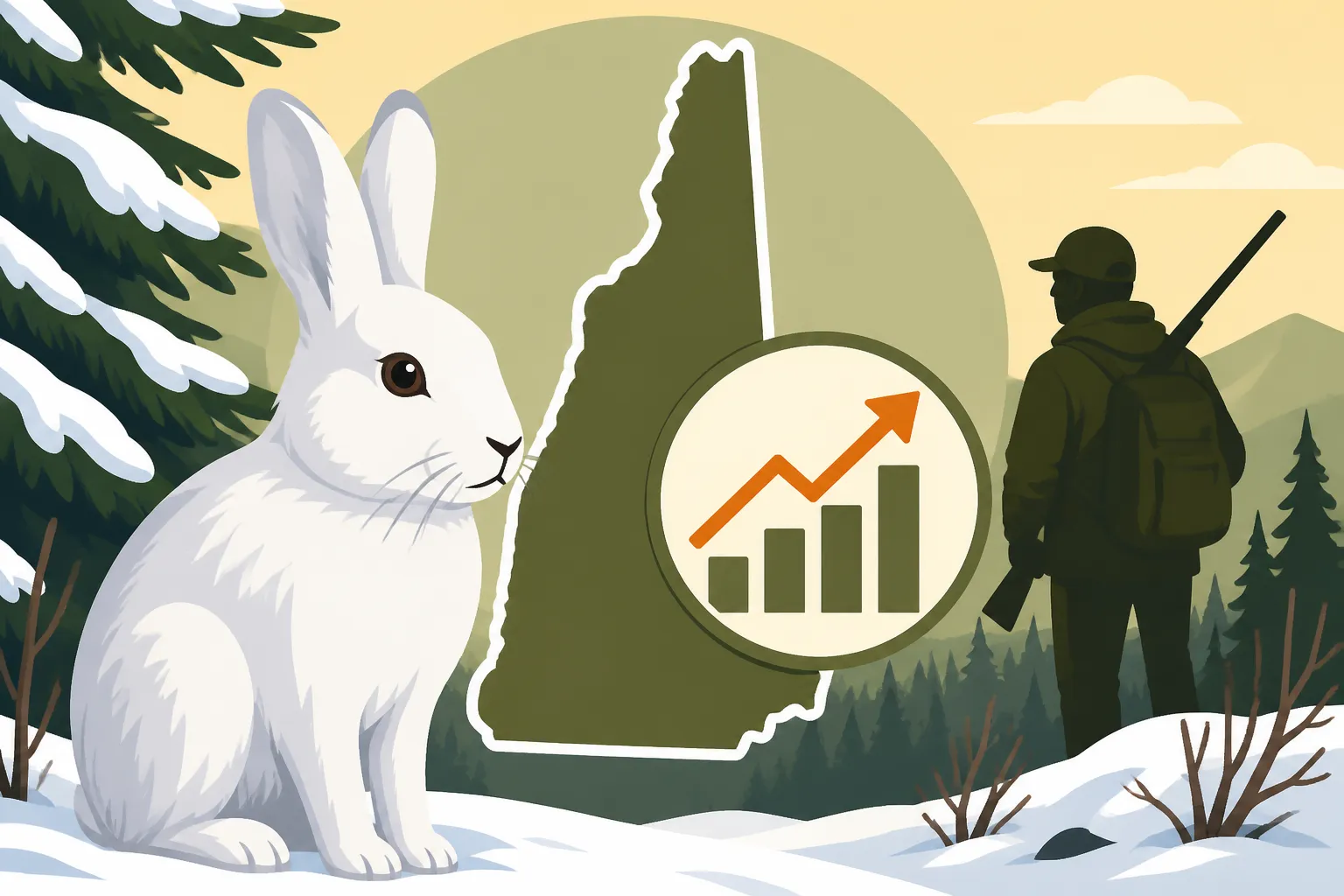
For many New Hampshire hunters, chasing snowshoe hare through a fresh blanket of snow, with or without beagles, is a cherished tradition. However, trying to figure out how many hare are actually being harvested, or what the trends are in your particular neck of the woods, can feel like a real puzzle. This guide aims to demystify the topic of New Hampshire's snowshoe hare harvest numbers, exploring how these figures are tracked, what they tell us, and what they don't tell us, so you can head into the woods with a better understanding of these elusive small game animals.
Understanding New Hampshire's Snowshoe Hare Harvest Trends
When we talk about harvest numbers, it’s not just about a simple count; it’s a snapshot that reflects a complex interplay of environmental factors, habitat availability, predator populations, and hunter effort. Snowshoe hare, with their cyclical population booms and busts, are a prime example of how dynamic wildlife management can be. Their numbers can swing significantly from one year to the next, making consistent hunting success a challenge and keeping wildlife biologists on their toes.
Think about it: a mild winter with less snow might mean hares are more exposed to predators, potentially leading to a dip in numbers the following year. Conversely, a few years of ideal snow depth and abundant young growth in recent clear-cuts could see their populations soar. These larger ecological patterns directly influence what hunters encounter in the field and, consequently, what gets reported in the annual harvest data. The New Hampshire Fish and Game Department meticulously tracks these fluctuations to make informed decisions about season lengths and bag limits, striving for sustainability while providing ample opportunity for hunters.
Factors Influencing Hare Populations
Several key factors play a pivotal role in shaping the population dynamics of snowshoe hare across New Hampshire. One of the most significant is habitat. Snowshoe hares thrive in dense, young forest stands, especially those with plenty of conifer cover that provides both food and protection from aerial predators like owls and ground predators such as coyotes and bobcats. Areas that have recently undergone logging, creating thick regenerating growth, often become prime hare country for several years before the canopy closes in. Without these specific habitat types, hare populations struggle.
Weather also casts a long shadow over hare numbers. Deep, consistent snow cover is absolutely vital for snowshoe hare, not just because it helps camouflage their white winter coats, but also because it lifts them to browse on higher branches that would otherwise be out of reach. A winter with minimal snow can be particularly harsh, leaving hares vulnerable and reducing their access to food. Predator cycles are another piece of the puzzle; when predator populations, such as coyotes or fox, are high, hare numbers often see a corresponding decline, illustrating nature's delicate balance. New Hampshire Small Game and Furbearers are all part of this intricate web.
Historical Overview of Harvest Data
Historically, understanding snowshoe hare populations and harvest in New Hampshire has relied on a combination of hunter surveys, anecdotal evidence, and biological studies. While not as intensively managed or surveyed as big game species like deer or moose, small game species still offer valuable insights through reported harvest data. These reports help biologists identify long-term trends, whether populations are generally stable, increasing, or declining in certain regions.
The collection methods have evolved over time, moving from purely voluntary reporting to more formalized surveys. When hunters participate in these surveys, they provide crucial information that helps the state's wildlife management. It’s not just about how many hares were taken, but also where, when, and how much effort was expended. This data, when compiled over decades, paints a picture of regional health for Snowshoe Hare in New Hampshire and provides a baseline for comparison. For those interested in historical data, reviewing past New Hampshire Fish and Game annual reports can be a fascinating way to trace these trends.
How Harvest Numbers Are Collected and Used
The New Hampshire Fish and Game Department (NHF&G) plays a crucial role in gathering data on snowshoe hare harvest numbers. Unlike deer or moose, which often require mandatory registration, small game species like hare typically rely on voluntary hunter surveys. This means hunters are asked to report their success through questionnaires or online portals after the season. While not every hunter participates, these surveys, when completed by a statistically significant sample, provide a robust estimate of the total harvest and hunting effort across the state.
The process usually involves sending out surveys to a percentage of licensed small game hunters. These surveys often ask for details such as the number of days hunted, the general location (often by Wildlife Management Unit or county), the number of hares harvested, and the methods used (e.g., with dogs, still-hunting). This information is then extrapolated to provide statewide and sometimes regional harvest estimates. It’s a testament to the cooperation between hunters and wildlife agencies that these programs provide such valuable insights into the health and trends of our small game populations.
Hunter Surveys and Reporting
The backbone of snowshoe hare harvest data collection in New Hampshire lies in the hunter survey system. Each year, a subset of licensed hunters receives a questionnaire asking them about their hunting activities for various small game species, including snowshoe hare. It's really important for hunters to take a few minutes to fill these out accurately. Without this input, wildlife managers are essentially flying blind, making it harder to ensure sustainable hunting opportunities for future generations.
These surveys aren't just a tally of success; they also gather information on hunter effort. Knowing how many days hunters spent in the field, even if they didn't harvest a hare, helps biologists understand hunting pressure and the relative abundance of game. For example, if harvest numbers remain steady but hunter effort dramatically increases, it might indicate a declining population that's harder to find. Conversely, high harvest with less effort could signal a robust population. Hunters often use resources like GoHunt to track their own hunting trips and log observations, which, while not directly reported to the state, helps them personally refine their understanding of local game trends.
Data Analysis and Management Implications
Once the survey data is collected, NHF&G biologists meticulously analyze it. They look for patterns, compare current year data to historical trends, and correlate harvest numbers with other factors like habitat changes, weather patterns, and predator abundance. This analysis isn't just an academic exercise; it has real-world implications for wildlife management. The insights gained from these harvest numbers directly inform decisions about future hunting regulations, including season dates and bag limits.
For example, if data suggests a declining hare population in a specific WMU over several years, the department might consider reducing bag limits or shortening the season in that area to allow the population to rebound. Conversely, if numbers are consistently strong, current regulations might be maintained or even expanded if biological data supports it. This data-driven approach ensures that hunting remains a sustainable activity and that hare populations continue to thrive for years to come. Hunters can delve into these annual reports to truly understand Reading a New Hampshire Harvest Report and how it influences their hunting opportunities.
Sample Snowshoe Hare Harvest Data (Hypothetical)
To give you an idea of how this data might look, here's a hypothetical table showing statewide snowshoe hare harvest estimates over a few recent seasons. Please remember, these numbers are illustrative and do not represent actual current or historical data.
| Year | Estimated Total Harvest | Estimated Hunter Effort (Days) | Average Hare Per Hunter Day | Noteworthy Factors (Hypothetical) |
|---|---|---|---|---|
| 20XX | 8,500 | 18,000 | 0.47 | Heavy snow year, good habitat |
| 20XY | 7,200 | 17,500 | 0.41 | Mild winter, increased predator sign |
| 20XZ | 9,100 | 19,500 | 0.46 | Excellent regeneration, good snow |
| 20YA | 6,800 | 16,000 | 0.43 | Late, light snow, less hunter access |
Note: These are hypothetical figures for illustrative purposes only.
This kind of table, when compiled with real data, helps biologists and hunters see trends at a glance. You can observe the relationship between harvest, effort, and external factors.
What Harvest Numbers Mean for Hunters
While statewide or WMU-specific snowshoe hare harvest numbers might seem like abstract statistics, they hold valuable information for the savvy hunter. These figures can give you a general pulse of the population, help you decide where to focus your efforts, and even influence the gear you bring to the field. It’s about more than just numbers; it’s about context and understanding the bigger picture of hare management in the Granite State.
For instance, if the harvest numbers for your favorite WMU have been trending upwards, it might suggest healthier habitat or favorable breeding conditions, giving you more confidence in scouting that area. Conversely, a sustained decline could prompt you to explore new territories or adjust your expectations. This data doesn't guarantee success, but it empowers you to make more informed decisions before you even lace up your boots.
Interpreting the Data for Your Hunt
Understanding harvest data for snowshoe hare is less about pinpointing exact spots and more about grasping broader trends. If the statewide numbers show an increase, it suggests that conditions were generally favorable, and populations are healthy. This could mean a better chance of success if you put in the effort. However, if numbers are down, it doesn't necessarily mean there are no hares; it might mean they are more dispersed, or hunting pressure was lower, or a combination of factors made them harder to find.
It's also crucial to remember that statewide averages can mask significant local variations. A WMU might show an average harvest, but within that unit, some areas could be bustling with hare, while others are nearly barren due to localized habitat changes or predator activity. This is where your own scouting, trail cameras, and personal observations become invaluable. Tools like GoHunt can help you identify potential hare habitat, showing timber cuts or dense conifer stands that might not be obvious from a simple map. By combining statewide trends with your boots-on-the-ground knowledge, you can create a more effective hunting strategy. New Hampshire Snowshoe Hare Season Dates will also guide your timing.
Limitations of Harvest Data
As helpful as harvest data is, it's not without its limitations, especially for small game like snowshoe hare. The primary challenge is that it's often based on voluntary reporting. Not every hunter reports their take, and some might not participate in surveys at all. This means the reported numbers are always estimates, and their accuracy depends heavily on the participation rate and honesty of hunters. It’s not an exact count of every single hare harvested across the state.
Furthermore, harvest data primarily tells us about hunter success, which isn't always a direct measure of population size. For example, if fewer people hunt a particular year, the harvest numbers might drop even if the hare population is robust. Conversely, a surge in hunter interest could inflate harvest figures without a corresponding increase in actual hare numbers. It's a complex equation that requires careful interpretation by wildlife biologists. This is why other biological surveys and habitat assessments are also critical in managing Snowshoe Hare in New Hampshire. Knowing these limitations helps us appreciate the data for what it is: a valuable, but not absolute, indicator.
Adjusting Your Hunting Strategy
Armed with a better understanding of harvest numbers and their context, you can refine your hunting strategy for snowshoe hare. If the numbers indicate a generally healthy population trend, you might feel more confident focusing on areas known for good hare habitat, such as young clear-cuts or dense softwood thickets. If numbers are lower, it might be a good time to expand your scouting efforts, exploring new public lands or seeking permission on private tracts with suitable cover. Shed Hunting on New Hampshire Public Land in the off-season can be a great way to identify potential hare cover before the season even begins.
Consider using different hunting methods based on the conditions and the data. If hare numbers are robust, you might have more success still-hunting or jump-shooting areas with good cover. If they're sparse, working with a good beagle, as discussed in Running Beagles on a New Hampshire Snowshoe Hare, might be the most effective way to root them out. Always stay current with the official regulations by checking the New Hampshire Fish and Game website or annual digest, and use reliable mapping resources like GoHunt to understand land boundaries and topography. Remember, persistent effort and adapting your approach are key to success, regardless of the overall harvest trends.
The Role of Habitat and Conservation
Ultimately, snowshoe hare harvest numbers are a reflection of broader ecological health. The availability of suitable habitat, the balance of predator-prey relationships, and responsible land management practices are all critical components that dictate whether hare populations thrive or decline. For hunters, this means that engaging in conservation efforts and supporting habitat management initiatives is just as important as understanding the harvest reports. Without healthy habitat, there are no hares to harvest.
New Hampshire Fish and Game works tirelessly to maintain and improve habitat for small game species, often in cooperation with private landowners and other conservation groups. These efforts include promoting sustainable forestry practices that create the dense, early successional growth hares need, as well as preserving wetlands and other crucial ecosystems. Hunters, as direct beneficiaries of these efforts, have a vital role to play in advocating for and participating in conservation. This collaborative approach ensures that New Hampshire remains a great place to pursue New Hampshire Small Game and Furbearers for generations to come.
Habitat Management and Its Impact
Habitat management is the most powerful tool we have for influencing snowshoe hare populations. Hares rely heavily on specific types of cover – namely, dense regenerating forests, often a result of timber harvesting or natural disturbances like wildfires. These thickets provide critical escape cover from predators and a year-round food supply. Without these conditions, hare populations simply cannot sustain themselves, regardless of other factors.
When New Hampshire Fish and Game and other conservation partners, supported by organizations like GoHunt in their mapping and land-use analysis, implement programs that promote early successional habitat, we often see a positive impact on hare numbers. This could involve specific timber cuts on public lands, promoting brushy field edges, or encouraging landowners to maintain diverse forest structures. Understanding that harvest numbers are deeply tied to habitat quality empowers hunters to look beyond just the numbers and consider the landscape. Efforts like New Hampshire Rabbit Habitat Restoration Efforts are critical for long-term health.
Hunter Participation in Conservation
Hunters are often the most ardent conservationists, and their role in the ongoing health of snowshoe hare populations cannot be overstated. Beyond simply reporting their harvest, which is crucial for data collection, hunters can contribute in numerous ways. Financially, through license and permit fees, hunters directly fund the habitat management, research, and enforcement activities of the NHF&G. This direct investment makes a tangible difference to all wildlife in the state.
Beyond monetary contributions, hunters can volunteer for habitat improvement projects, participate in public land cleanups, and advocate for sound wildlife policies. By being observant in the field and reporting unusual wildlife sightings or concerns to the Fish and Game Department, hunters act as extra eyes and ears for biologists. Remember, every time you head into the woods, whether you're using GoHunt to check property lines or just enjoying the solitude, you're part of a larger system. Scouting New Hampshire Public Land Before Season is not just for finding game; it’s also an opportunity to observe habitat conditions and contribute to a deeper understanding of the ecosystem.
Future Outlook for Snowshoe Hare Hunting
The future of snowshoe hare hunting in New Hampshire, while subject to natural population cycles and environmental shifts, remains optimistic thanks to dedicated management and the commitment of hunters. The ongoing efforts to understand population trends through harvest data, coupled with strategic habitat management, are key to ensuring sustainable hunting opportunities. As long as we have sufficient dense cover and engaged hunters, these tenacious small game animals will continue to be a cherished part of New Hampshire’s outdoor heritage.
Staying informed about wildlife news, participating in surveys, and supporting conservation initiatives are the best ways for hunters to secure this future. Whether you're a seasoned veteran running a pack of beagles or a new hunter looking for your first small game adventure, understanding the story behind the harvest numbers enriches the entire experience. New Hampshire offers incredible small game opportunities, and with careful stewardship, they will endure. Remember to always consult the current New Hampshire Fish and Game regulations for up-to-date season information and rules before heading afield.
Disclaimer
This article is for general informational purposes only and does not constitute professional advice. Laws, prices and regulations vary by location and change over time. Consult a qualified professional for guidance on your specific situation.