Snowshoe Hare in New Hampshire
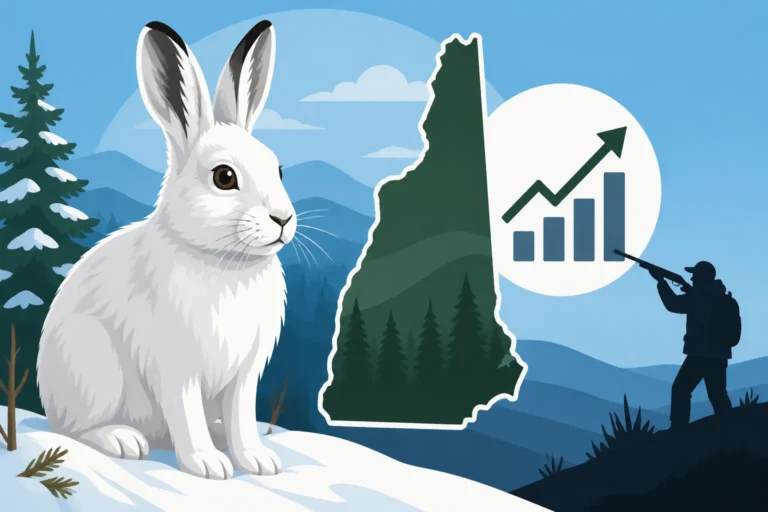
There's a special kind of quiet that settles over the New Hampshire woods when the snow flies, and with it comes a unique opportunity for hunters: chasing the elusive snowshoe hare. If you've ever trudged through a thick spruce stand in winter, hoping to catch a glimpse of that perfectly camouflaged "ghost," you know the challenge. This guide is dedicated to helping you unravel the mysteries of the snowshoe hare, from understanding its habitat and behavior to mastering the techniques that will put this incredible small game animal in your vest, offering a truly rewarding Granite State hunting experience.
Understanding New Hampshire's Snowshoe Hare: The Elusive "Varying Hare"
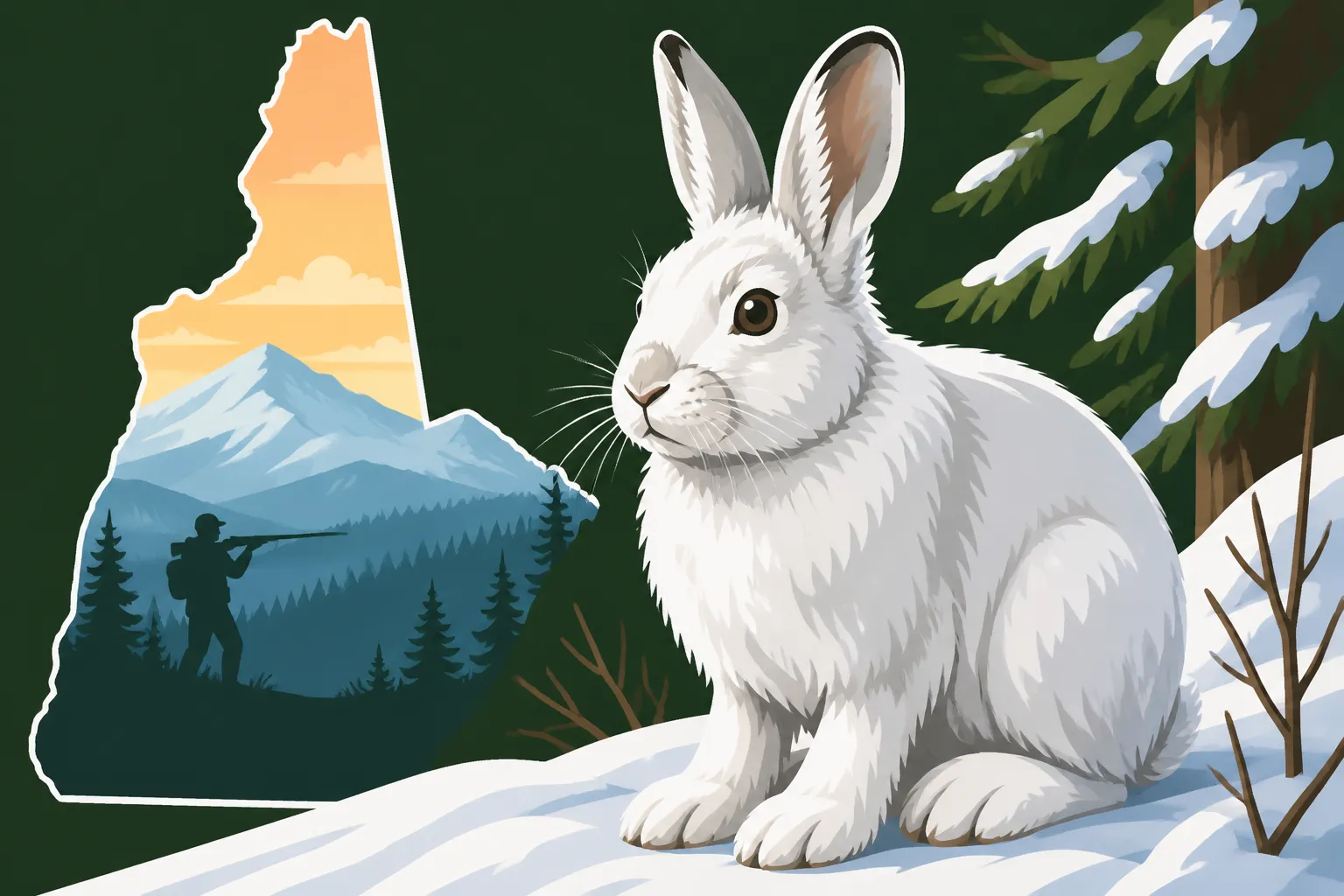
The snowshoe hare, often lovingly called the "varying hare" due to its incredible seasonal color change, is a true marvel of adaptation and a beloved game animal across New Hampshire. These creatures are built for survival in our challenging northern climate, and understanding their unique characteristics is the first step toward a successful hunt.
The Unique Biology and Adaptations of Snowshoe Hares
Imagine trying to navigate deep snow or hide from a soaring hawk. The snowshoe hare has mastered both. Their most striking feature, of course, is their phenomenal camouflage. In the warmer months, their coat is a mottled brown, blending seamlessly with the forest floor and undergrowth. But as the days shorten and the snow begins to fall, a remarkable transformation occurs: their fur gradually turns pure white, offering near-perfect concealment against a blanket of snow. It's truly a sight to behold, and also the reason why they can be so frustratingly difficult to spot even when you know they're nearby. This biological magic is triggered by changes in day length, not temperature, ensuring they're ready for the snowy landscape.
Beyond their disappearing act, their namesake "snowshoes" are another incredible adaptation. Their hind feet are significantly larger than those of other rabbits or hares, splaying out to distribute their weight over a greater surface area. This allows them to virtually "float" on top of deep snow where a deer might sink to its belly. This gives them a distinct advantage over many predators, letting them dart through areas that would bog down a coyote or bobcat. They also have thick fur on the soles of their feet for added traction and insulation, making them perfectly equipped for the cold, snowy conditions of a New Hampshire winter.
Their diet primarily consists of woody vegetation like twigs, bark, and buds in winter, along with grasses, clover, and forbs in summer. You'll often find tell-tale browse lines on young saplings where they've nipped off tender shoots. While they are mostly nocturnal, feeding under the cover of darkness, it's not uncommon to jump them during the day, especially when they're bedded down in dense cover. Their keen senses of hearing and smell are vital for detecting threats, and they're incredibly fast, capable of reaching speeds of up to 27 miles per hour in short bursts when spooked.
Population Dynamics and Cycles in the Granite State
Snowshoe hare populations are famously cyclical, experiencing boom and bust periods roughly every 8-11 years. This natural oscillation is a fascinating ecological phenomenon, driven by complex interactions between hare numbers, predator populations (like bobcats, lynx, and coyotes), and the availability of their preferred habitat and food sources. When hare numbers are high, predators thrive, which eventually leads to a decline in hare populations. As hare numbers drop, so do predator numbers, allowing the hare population to rebound, and the cycle continues.
Here in the Granite State, these cycles mean that some years you might feel like every patch of thick cover holds a hare, while other years, finding fresh sign can be a real challenge. The New Hampshire Fish & Game Department monitors these fluctuations through various surveys and hunter harvest reports, which helps them set appropriate season lengths and bag limits to ensure sustainable populations. Factors like harsh winters, disease outbreaks, and habitat changes can also influence these cycles, sometimes causing regional variations in hare abundance. A severe ice storm, for example, might make browse inaccessible or destroy critical cover in certain areas.
While statewide trends exist, it's important to remember that local populations can vary. One specific woodlot might be teeming with hares, while a similar-looking area just a few miles away might hold very few. This is why local scouting and understanding their micro-habitat preferences are absolutely critical, regardless of where the overall population might be in its cycle.
Where Snowshoe Hares Thrive in New Hampshire
If you're looking to find snowshoe hares in New Hampshire, you need to think "thick." These animals are specialists in dense, regenerating softwood cover, especially areas dominated by spruce, fir, and hemlock. They absolutely depend on this dense vegetation for both food and protection from a wide array of predators. Imagine a place where you can barely push your way through the undergrowth – that's prime hare habitat.
Regions across New Hampshire that boast extensive tracts of young coniferous forests, often a result of past logging activity or natural disturbances, are typically the best places to focus your efforts. This includes much of the North Country, the White Mountain foothills, and even some of the wetter, swampier areas in the central and southern parts of the state. These areas offer the perfect trifecta: dense cover to hide in, a steady supply of browseable woody stems, and a network of tunnels and runways beneath the snow.
Specifically, look for areas with conifer saplings that are roughly head-high to chest-high, creating a dense, impenetrable canopy close to the ground. Old clear-cuts that are 5-20 years into regrowth are often fantastic, as are the edges of mature conifer stands where younger trees are filling in. Swampy lowlands with lots of spruce and cedar, and even thick pockets of regenerating hardwoods mixed with evergreens, can also hold good numbers of hares. The key is finding that tangled, almost suffocatingly dense cover that allows them to escape detection and predator pursuit.
Prime Habitat: Where to Find New Hampshire's Snowshoe Hare
Finding snowshoe hare isn't just about knowing their general range in New Hampshire; it's about drilling down into the specific types of cover they prefer. These aren't creatures of open spaces; they are masters of the dense, the tangled, and the nearly impenetrable. Knowing what kind of terrain to scout can save you a lot of aimless wandering and put you right in the thick of things.
The Importance of Young Conifer Stands and Regenerating Forests
For a snowshoe hare, a young conifer stand isn't just a place to live; it's a fortress. These areas, typically 5 to 20 years after a timber harvest, are absolutely critical. Think about a recent clear-cut where spruce, fir, and pine saplings are now waist to head high, growing so close together that you can barely see more than a few feet in any direction. This provides an almost solid wall of needles and branches, making it incredibly difficult for predators like coyotes, bobcats, and even owls to spot a hare. The interlocking branches also provide overhead cover, offering protection from avian predators.
Beyond safety, these regenerating forests are a cafeteria for hares. The young, tender shoots, buds, and bark of these conifers are a primary food source, especially in winter when other vegetation is scarce. They'll create intricate networks of trails and tunnels through these dense thickets, allowing them to move about relatively safely beneath the snowpack. When you're scouting, look for these specific characteristics: areas that have been logged within the last couple of decades, or natural disturbances that have opened up the canopy and allowed thick, young conifers to establish themselves.
These areas can be found throughout the state, but are particularly prevalent in regions with active timber industries or large public land holdings like parts of the White Mountain National Forest or state forests. Don't be afraid to push through seemingly impenetrable tangles; often, the harder it is for you to walk through, the better it is for hares. Using an app like GoHunt can help you identify recent timber cuts or areas of dense young growth on aerial imagery before you even set foot in the woods.
Bogs, Swamps, and Wetlands: Hare Havens
While young conifer stands are excellent, don't overlook the allure of New Hampshire's bogs, swamps, and other wetland areas. These often-overlooked habitats provide a unique set of advantages for snowshoe hares, making them veritable havens, especially during the colder months. Picture a low-lying area with standing water, tangled cedars, thick spruce, and a mosaic of brush and emergent vegetation. This kind of environment presents its own challenges for hunters, but often holds the rewards.
The dense, often water-logged nature of these areas provides an extra layer of protection. Predators might be less willing to push through the mucky, icy conditions, and the hares, with their big snowshoe feet, can often navigate these difficult terrains with more ease. The vegetation in these wetlands, such as various willows, alders, and sedges, also provides additional food sources and cover, diversifying their diet and giving them more options for evasion. You can often find hares bedded down on slightly elevated hummocks within these wet areas, just out of the standing water or snowmelt.
Hunting these areas requires specific gear, like waterproof boots or even waders, and a willingness to get a little wet and muddy. However, the effort can certainly pay off. If you’re willing to put in the work, you might find concentrations of hares in these difficult-to-access pockets that other hunters tend to avoid. Keep an eye out for areas that might offer a slightly drier edge or transition zone within a larger bog – these spots often serve as preferred travel corridors and bedding areas. Internal linking to topics like Hunting a Beaver Flowage Edge can provide further insight into these specific wetland hunting scenarios.
Transition Zones and Edge Cover: The Hunter's Hotspot
While hares love the deepest, densest cover, they also utilize the edges and transition zones between different habitat types. These "edge covers" are often hotspots for hunters because they offer a blend of protection and accessibility, creating natural travel corridors and feeding areas. Think of the fringe where a dense conifer thicket meets a more open hardwood stand, or where a powerline cut slices through a larger block of forest.
These transition zones are critical because they allow hares to quickly access different food sources while remaining close to the safety of their impenetrable cover. For instance, they might feed on the succulent sprouts in a recently disturbed area or browse on hardwood twigs along the edge of their spruce swamp, always with a quick bolt back into the thick stuff if danger appears. These areas often have a mix of vegetation, offering a wider variety of forage.
For hunters, these edges are prime locations for setting up if you're still-hunting or if you have drivers pushing hares. The hares often follow predictable runways along these edges, making them more interceptable than trying to spot them deep within a dense thicket. Look for trails that lead from thick cover out to slightly more open feeding areas. These edges are also easier to navigate and scout, making them a great starting point, especially for new hare hunters. Pay close attention to subtle changes in elevation or vegetation that create natural funnels or pinch points, as these are often used consistently by moving hares.
Planning Your New Hampshire Snowshoe Hare Hunt
A successful snowshoe hare hunt in New Hampshire isn't just about heading into the woods; it's about being prepared. From understanding the legalities to having the right gear, a little foresight can make all the difference between a frustrating day and a fantastic experience.
Key Seasons and Regulations for Hare Hunters
Before you even think about stepping into the woods, you need to know the rules. Snowshoe hare, categorized as small game, has specific seasons and regulations in New Hampshire that are crucial to follow. The season typically opens in October and runs well into March, offering a long window of opportunity, especially for those who love late-season hunting in the snow. However, always, and I mean always, consult the current New Hampshire Fish & Game Hunting Digest. Regulations can change year to year, and it's your responsibility to be up-to-date.
Generally, you'll need a valid New Hampshire hunting license, which includes a small game license. If you're new to hunting in the state, ensure you've met all the New Hampshire Hunter Education Requirements before purchasing your license. The bag limit for snowshoe hare is usually generous, allowing for a good day's harvest, but again, confirm this in the digest. It's also vital to remember that hunting hours generally run from one-half hour before sunrise to one-half hour after sunset, so no night hunting for hares.
Understanding the specific dates for your chosen Wildlife Management Unit (WMU) is also important, as some species or methods might have slight variations. While hares typically have a statewide season, it's good practice to be familiar with the WMU you're hunting in. Make sure you carry your license and any required tags with you, and have a means to identify your game in the field. These aren't just rules; they're critical components of ethical and responsible hunting.
Essential Gear for a Successful Hunt
Hunting snowshoe hare in New Hampshire, especially in winter, demands the right gear. Forget about being underdressed or unprepared; the dense cover and cold conditions will quickly remind you why proper equipment is non-negotiable. Here's a rundown of what you'll need:
Footwear: This is perhaps the most critical item. You'll be walking through deep snow, thick brush, and potentially wet areas. Invest in a good pair of waterproof, insulated boots. Depending on the snow depth, snowshoes might be absolutely essential, especially if you're trying to access some of those hare-rich bogs and regenerating cuts. Check out Boots for New Hampshire's Granite Terrain for some excellent advice on footwear for our state's diverse landscapes.
Clothing: Layering is key. Start with a moisture-wicking base layer, add insulating mid-layers like fleece or wool, and top it off with a durable, waterproof/windproof outer shell. Brush pants are highly recommended to protect against thorns and thickets. Don't forget a warm hat, gloves or mittens, and a neck gaiter. Blaze orange is required during many seasons in New Hampshire, and it's always a smart idea when hunting small game, especially if you're hunting with partners. Consult Layering for New Hampshire's Cold Hunting Season for detailed tips on staying warm and dry.
Firearm: A small gauge shotgun is ideal. A 20 gauge or .410 are popular choices, as they offer enough punch for hare without being overkill in dense cover. Load up with shotshells in sizes #4, #5, or #6 shot. For those who prefer a more challenging hunt, a .22 rifle can also be used, but shooting running hares with a rifle in thick cover is notoriously difficult and should only be attempted by experienced shooters who are certain of their target and backstop.
Other Essentials:
- Backpack: To carry extra layers, water, snacks, and your harvest.
- Navigation: A GPS device or a reliable mapping app like onX (see below) is crucial for staying found in dense, featureless cover.
- Knife: For field dressing.
- Game Bag/Vest: To carry your hares comfortably.
- Whistle: For communication with hunting partners or dogs.
- First-aid kit: Always a good idea in the backcountry.
Here's a quick reference table for essential snowshoe hare hunting gear:
| Category | Essential Items | Notes |
|---|---|---|
| Footwear | Insulated, waterproof boots, Snowshoes (optional but recommended in deep snow) | Prioritize warmth, dryness, and traction in varying snow conditions. |
| Clothing | Layered system (base, mid, outer), Brush pants, Blaze orange hat/vest, Warm gloves/mittens, Hat, Neck gaiter | Protection from cold, wet, and thorny brush. Blaze orange for visibility and safety. |
| Firearm/Ammo | 20 gauge or .410 shotgun, #4, #5, or #6 shotshells | Appropriate gauge for small game; tight patterns needed in dense cover. A .22 rifle is an option for experienced hunters. |
| Navigation | GPS device or reliable mapping app (GoHunt, onX), Compass, Topo map | Essential for staying found in thick, often disorienting, hare habitat. |
| Accessories | Backpack, Field dressing knife, Game bag/vest, Water, Snacks, Whistle, First-aid kit | Comfort, safety, and efficient handling of your harvest. |
Utilizing Technology and Scouting for Hare Sign
Hunting the thick stuff can be disorienting, but modern technology can be a game-changer. Apps like GoHunt or onX Hunt are invaluable tools for scouting and navigating New Hampshire's complex terrain. These platforms allow you to overlay property lines, topographic maps, and satellite imagery, helping you pinpoint potential hare habitat from the comfort of your home. You can identify those prime regenerating clear-cuts, locate swampy lowlands, and even mark potential travel corridors before you step foot in the woods. These apps can save you countless hours of wandering in unproductive areas.
Even with technology, nothing beats on-the-ground scouting. Before opening day, or even during a preliminary scouting trip, look for direct hare sign. Snow is your best friend here. Fresh tracks are undeniable proof of hare presence. Look for their distinctive large hind prints ahead of smaller front prints, often in a staggered pattern as they bound through the snow. You'll also notice their "runs" or trails, which are often compacted paths through the snow or tunnels through dense brush. These runways are used repeatedly by hares and are prime spots to intercept them.
Beyond tracks, look for browse sign. Hares will nibble on the tender tips of small conifer saplings, leaving clean, angled cuts. You might also find their droppings, which are small, round, and typically found in concentrated piles where they've been feeding or resting. Pay attention to how dense the cover truly is; the thicker, the better. And don't forget to check for old logging roads or trails leading into these thick areas; hares will often use these to access different parts of their home range, providing a perfect entry route for you to Scouting With the New Hampshire Fish and Game App to find them.
Hunting Methods: Strategies for Outsmarting Snowshoe Hares
Snowshoe hares are cunning and masters of their dense domain. To consistently find success, you'll need to employ specific hunting methods tailored to their habits and habitat. Whether you're a solo hunter or part of a group, there's a strategy that can put you on track to a productive hunt.
Still-Hunting and Stalking in Dense Cover
Still-hunting is perhaps the most challenging, yet deeply rewarding, method for chasing snowshoe hares. It relies on stealth, patience, and a keen eye. When still-hunting, you're not just walking; you're moving excruciatingly slowly, pausing frequently to scan the cover for any sign of a hare. Remember, they are perfectly camouflaged, so you're often looking for an anomaly: an eye, an ear, the subtle outline of a form tucked under a spruce bough, or even just the slightest movement.
The key is to move in fits and starts, taking a few steps, then stopping for several minutes to intently observe. Use your binoculars to pick apart the dense cover, looking into shadows and under branches. Hares will often hold incredibly tight, relying on their camouflage to remain undetected. You might walk right past one if you're not careful. When they do jump, it's usually a burst of white against the snow, often at close range, so be ready for a quick, instinctive shot.
This method is best employed in smaller, isolated patches of thick cover or when working through a large clear-cut on your own. It teaches you to truly "read" the woods and develops incredible observational skills. Focus on areas where you've seen fresh sign, or where the cover is particularly dense around a food source. Being able to move silently through thorny thickets and deep snow is a skill in itself, requiring deliberate foot placement and a willingness to push through difficult terrain. You might find a spot to settle in with a Using a Ground Blind on Public Land to increase your chances of spotting one if the cover allows for a good ambush point.
Hunting with Beagles: The Traditional Approach
For many New Hampshire hunters, chasing snowshoe hares simply isn't complete without the music of a pack of beagles. This traditional method is not only highly effective but also incredibly exciting and social. Beagles are purpose-bred for this kind of hunting; their keen noses and relentless drive make them perfectly suited to unraveling the intricate scent trails of hares in dense cover. The thrill of hearing a pack "open up" on a track, their voices rising and falling as they pursue a hare through the thickets, is an experience unlike any other.
The process is fairly straightforward: hunters spread out around a promising patch of cover, and the dogs are released. Once a beagle picks up a fresh hare track, they'll begin to vocalize, or "bray," signaling to the hunters that a chase is on. Snowshoe hares, when pursued, will often run in large circles within their home range, eventually coming back near where they were jumped. This is where the hunters come in, positioning themselves along known hare runways or travel corridors, waiting for the hare to come looping back towards them.
Hunting with dogs requires specific training for both the dogs and the hunters. Understanding dog behavior, knowing where to post, and practicing safe shooting angles are paramount. It's a fantastic way to introduce new hunters to the sport, as the dogs do much of the heavy lifting in terms of finding game, and the pursuit itself is exhilarating. If you're considering this method, learning more about Running Beagles on a New Hampshire Snowshoe Hare can be a great starting point for getting involved in this classic New Hampshire tradition.
Driving or Flushing: Working with Hunting Partners
When hunting large blocks of dense hare habitat, especially if you have a few hunting partners, organized drives or flushing tactics can be extremely effective. This method involves a coordinated effort to push hares out of thick cover towards strategically positioned "standers" or "blockers." It's a more active and often more physically demanding method than still-hunting, but it can yield great results, especially in areas that are too vast or dense for solo still-hunting.
Typically, one or more hunters act as "drivers," slowly and methodically pushing through a designated section of thick cover. They might walk abreast, yelling, or just moving noisily to encourage hares to break cover. Meanwhile, other hunters, the "standers," position themselves silently along the anticipated escape routes or downwind edges of the thicket. These standers need to be vigilant, ready to spot a hare as it slips out of the cover. Communication among the group, often via two-way radios or whistles, is crucial for safety and coordination.
Safety is paramount in a drive. Everyone must be aware of each other's positions, and only shoot at clearly identified targets with safe backstops, never in the direction of other hunters. This method is particularly effective in large clear-cuts or extensive swamps where hares have a lot of room to run. It's a great social hunt, fostering camaraderie and teamwork, and it allows you to cover a lot of ground effectively. For example, if you're trying to push a dense spruce swamp along a logging road, having standers posted at strategic points along that road can make all the difference.
Post-Harvest: Handling and Enjoying Your Snowshoe Hare
Successfully harvesting a snowshoe hare is a fantastic accomplishment, but the job isn't done when the trigger is pulled. Proper field dressing, care, and preparation are crucial to ensure you get the most delicious meat from your hard-earned quarry.
Field Dressing and Care of Your Harvest
Just like any wild game, proper field care begins immediately after the harvest. Rapid cooling of the meat is key to preventing spoilage and ensuring good flavor. For snowshoe hares, field dressing is relatively simple and can be done quickly. The primary goal is to remove the entrails, which helps the carcass cool down faster and eliminates sources of bacteria.
To field dress a hare, lay it on its back and make a shallow incision through the skin and abdominal wall from the breastbone down to the pelvis, being careful not to puncture the intestines. Once opened, you can easily reach in and remove all the internal organs. Some hunters choose to also remove the lungs and heart, while others leave them. If you’re hunting in cold weather, the hare will cool quickly on its own. If temperatures are milder, you might want to consider packing it with snow or ice, or getting it to a cooler as soon as possible.
Once field dressed, the hare can be placed in a breathable game bag or a canvas bag to protect the meat from dirt and flies while allowing air circulation. Avoid plastic bags, which can trap heat and promote bacterial growth. If you’re hunting with a vest, many models have specific game pockets designed for this purpose. Getting the hare home and skinned within a few hours is ideal for maintaining meat quality.
Delicious Recipes and Culinary Tips for Hare
Snowshoe hare meat is lean, mild, and incredibly versatile, making it a delicious addition to any hunter's table. It tastes similar to domestic rabbit but with a slightly richer, wilder flavor that truly stands on its own. Because it's so lean, slow-cooking methods often work best to keep the meat moist and tender.
One of the most popular ways to prepare hare is in a rich stew or braise. Hare stew, simmered low and slow with root vegetables, herbs, and perhaps a splash of red wine or hard cider, is a perfect meal after a long, cold day in the New Hampshire woods. The slow cooking breaks down the connective tissues, making the meat fork-tender and infusing it with flavor. Another excellent option is to braise the hares whole or in pieces in a Dutch oven with chicken stock, mushrooms, and onions until the meat is falling off the bone.
For quicker preparations, you can pan-fry or oven-roast sections of hare, though you'll want to ensure you don't overcook it to avoid dryness. Marinating the meat for several hours beforehand can also help tenderize it and add flavor. Consider a simple marinade of olive oil, garlic, rosemary, and lemon juice. Hare can also be used in pâtés, terrines, or even ground for sausages. Don't be afraid to experiment! The delicious flavor of fresh wild game, carefully prepared, is truly one of the greatest rewards of the hunt.
Safety Considerations for Eating Wild Game
Eating wild game is generally very safe and nutritious, but a few precautions are always wise to ensure you're consuming healthy meat. For snowshoe hares, the primary concern some hunters have is with tularemia, also known as "rabbit fever." This bacterial disease can affect hares (and other animals) and can be transmitted to humans.
However, recognizing a potentially sick animal is key. Hares infected with tularemia often appear lethargic, slow, or unusually tame. When field dressing, look for white spots or lesions on the liver or spleen. If you observe these signs or suspect an animal is unwell, it's best to avoid consuming the meat and properly dispose of the carcass. Thankfully, visibly sick hares are uncommon, and the risk of contracting tularemia from a healthy-looking animal is very low.
Beyond disease, general food safety practices apply. Always wash your hands thoroughly with soap and water (or use hand sanitizer) after handling raw game. Ensure all meat is cooked to an internal temperature of at least 160°F (71°C) to kill any potential bacteria or parasites. Store harvested meat properly in a cooler with ice, or refrigerate/freeze it promptly. By following these simple guidelines, you can confidently enjoy the delicious and healthy meat from your New Hampshire snowshoe hare.
Conservation and the Future of Snowshoe Hare in NH
The opportunity to hunt snowshoe hare in New Hampshire is a privilege, and like all hunting, it comes with a responsibility to understand and contribute to the conservation of this species and its habitat. Our actions today directly impact the populations we'll see tomorrow.
New Hampshire Fish & Game's Role in Management
The New Hampshire Fish & Game Department plays a vital role in ensuring the long-term health and sustainability of snowshoe hare populations across the state. They employ a science-based approach to wildlife management, which includes ongoing research, population monitoring, and habitat improvement initiatives. By tracking harvest numbers, conducting population surveys (often with the help of citizen scientists and hunters), and studying habitat use, they gather the crucial data needed to make informed management decisions.
This data directly influences the setting of hunting seasons, bag limits, and other regulations, all designed to ensure that harvests remain sustainable and don't negatively impact the overall population. For instance, if certain environmental factors or predator pressures cause a decline in hare numbers in a particular region, Fish & Game might adjust regulations to help the population recover. They also work with landowners and timber companies to promote habitat practices that benefit hares, such as encouraging regenerating forest growth after logging operations.
Their efforts extend beyond just hares; they manage the entire ecosystem that hares depend on, which indirectly benefits countless other species. Understanding the "why" behind the regulations and management strategies helps us all be better stewards of New Hampshire's natural resources. You can often find detailed information about species management in the annual Reading a New Hampshire Harvest Report or on their official website.
Climate Change and Habitat Loss: Emerging Challenges
While snowshoe hare populations are naturally cyclical, they also face significant challenges from broader environmental changes. Climate change, in particular, poses a unique threat to this highly adapted species. The hare's iconic seasonal camouflage, its ability to change from brown to white, is triggered by day length, not temperature or snow cover. This means that in years with less snow or delayed snowfalls, hares can find themselves stark white against a brown landscape, making them incredibly vulnerable to predators. This "camouflage mismatch" is a growing concern, especially in the southern parts of their range, including some areas of New Hampshire.
Habitat loss and fragmentation are also continuous threats. As development expands, critical tracts of dense, regenerating conifer forests are lost or broken up into smaller, isolated patches. This makes it harder for hares to move between areas, reduces their overall living space, and can isolate populations, making them more vulnerable to localized declines. While New Hampshire still boasts significant expanses of suitable habitat, monitoring these trends and advocating for responsible land use are essential.
These challenges underscore the importance of robust conservation efforts and the need for adaptive management strategies. It means supporting land conservation initiatives, promoting sustainable forestry practices, and being aware of how our changing climate impacts the wildlife we cherish. The future of snowshoe hare hunting in New Hampshire depends on how effectively we address these complex, long-term issues.
How Hunters Contribute to Snowshoe Hare Conservation
Hunters are, and always have been, a cornerstone of wildlife conservation in North America, and snowshoe hare hunters in New Hampshire are no exception. Every time you purchase a hunting license, small game permit, or relevant gear, a portion of that money goes directly to state wildlife agencies like New Hampshire Fish & Game. This funding is critical; it supports habitat improvement projects, population surveys, research, enforcement of wildlife laws, and hunter education programs. Without hunter-generated funds, many of these vital conservation efforts simply wouldn't exist.
Beyond financial contributions, hunters are often the eyes and ears in the field. By accurately reporting their harvests, providing observations, and participating in surveys, they contribute valuable data that helps biologists track population trends and assess habitat quality. Adhering to ethical hunting practices – respecting bag limits, ensuring clean kills, and properly retrieving game – also demonstrates a commitment to responsible stewardship. Being an ethical hunter means being an advocate for the species you pursue.
Furthermore, many hunters actively engage in habitat improvement projects, whether it's through volunteering with conservation groups, planting beneficial vegetation, or advocating for sound land management policies. By understanding the needs of species like the snowshoe hare and actively participating in conservation, hunters ensure that future generations will have the same opportunities to experience the thrill of chasing these elusive "ghosts" through New Hampshire's snowy woods. This commitment is not just about the hunt itself, but about preserving a legacy and a vibrant ecosystem.
Disclaimer
Please be aware that hunting regulations and season dates can change. Always consult the most current New Hampshire Fish and Game Department regulations before planning any hunting trip. This article is intended for informational purposes only and does not supersede official state wildlife laws or recommendations. Hunter safety should always be the top priority.