New Hampshire Fisher Trapping Trends
For those of us who cherish the deep woods and the age-old tradition of working a trapline, the pursuit of the fisher in New Hampshire represents a unique blend of challenge, skill, and connection to the natural world. It’s not just about the pelt; it’s about understanding the land, reading the subtle signs of the forest, and engaging in a practice that has deep historical roots in our state. This guide will dive into the fascinating world of New Hampshire fisher trapping, exploring the population trends of these elusive animals, the factors that influence trapping success, and the best practices for an ethical and rewarding season.
Understanding Fisher in the Granite State
The fisher, often called the "fisher cat" by many in New Hampshire, is a creature of mystery and incredible tenacity. They're part of the weasel family, agile hunters known for their impressive ability to navigate dense forests and even prey on porcupines – a feat few other animals attempt. For trappers, understanding the fisher means understanding the wilder parts of New Hampshire.
The Fisher's Comeback Story in New Hampshire
It's hard to imagine, but there was a time when the fisher population in New Hampshire faced severe decline. Over-trapping in earlier centuries, coupled with extensive deforestation, pushed these elusive furbearers to the brink. They thrive in mature, continuous forests, and as much of our state was cleared for agriculture and timber, their habitat dwindled.
Thankfully, through dedicated conservation efforts, improved forest management practices, and regulated trapping seasons, the fisher has made a remarkable comeback. Today, they are a testament to successful wildlife management and the resilience of New Hampshire's ecosystems. Their return has filled an important niche in the food web, helping to control rodent populations and contributing to the overall health of our woodlands. When you see a fisher track in the snow or glimpse one darting through the underbrush, you're witnessing a true conservation success story. You can learn more about their journey in New Hampshire Fisher Population Trends.
Where Fishers Thrive in New Hampshire
Fishers aren't just found anywhere; they have a preference for certain habitats that offer them both food and cover. Typically, you'll find them in dense, mature conifer and mixed hardwood forests. They love areas with a thick overhead canopy and plenty of ground cover, such as downed logs, brush piles, and rock crevices, which provide shelter and denning sites. Think of those deep, dark woods where the sunlight barely reaches the forest floor, and you're likely picturing prime fisher territory.
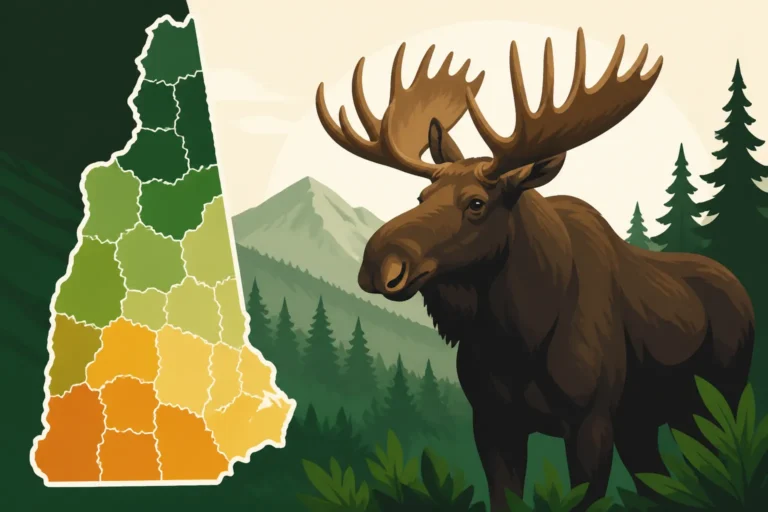
While they can be found across much of the state, their populations tend to be denser in the more heavily forested regions, particularly in the northern and western parts of New Hampshire. Areas with an abundance of prey animals like snowshoe hare, squirrels, and even small deer fawns will naturally hold more fishers. They are also known to frequent riparian zones and the edges of beaver flowages, where prey is often concentrated.
Deciphering New Hampshire Fisher Trapping Trends
Trapping is a dynamic pursuit, and fisher trapping is no exception. Understanding the historical context and current influences on trapping trends can help trappers plan their seasons more effectively and appreciate the broader ecological picture.
Historical Trapping Data and Modern Shifts
Looking back at the data, fisher harvest numbers in New Hampshire have fluctuated significantly over the decades. In the mid-20th century, with lower populations, harvest was restricted or even closed entirely to allow for recovery. As populations rebounded, seasons gradually reopened and harvest numbers increased.
The modern era has seen a stabilization in fisher populations, but yearly harvest figures can still vary. These shifts are often influenced by a complex interplay of factors. For instance, strong fur prices can motivate more trappers to hit the woods, leading to higher harvest numbers. Conversely, a downturn in the fur market might see fewer trappers participating, regardless of the population health. Weather patterns also play a huge role; a season with consistent, deep snow can make tracking and setting traps more productive, while mild, rainy winters might present more challenges. Regulations set by New Hampshire Fish and Game, such as season lengths, bag limits, and trap types, are also critical in shaping these trends, ensuring sustainable harvest.
Factors Influencing Current Fisher Trapping Success
Several key elements come into play when we talk about a successful fisher trapping season in New Hampshire. It's rarely just one thing; instead, it's usually a confluence of environmental conditions, population dynamics, and trapper expertise.
One of the most significant factors is habitat quality and availability. Fishers need contiguous forestland with good cover and a healthy prey base. Areas that have recently undergone extensive logging without adequate regeneration, or those experiencing increased development, might see a decrease in fisher activity. On the other hand, well-managed timber stands with a mosaic of age classes can create excellent conditions for them. Trappers often use tools like the mapping overlays offered by GoHunt to identify potential habitat corridors and dense cover areas.
Weather is another huge variable. A consistent blanket of snow not only makes fisher tracks easier to spot, but it can also concentrate their movements as they search for food, making them more predictable. Harsh, cold winters can also make them more active in their search for sustenance, increasing their susceptibility to well-placed bait and lures. Conversely, warm, variable winters with little snow can make scouting incredibly difficult and reduce the overall effectiveness of a trapline. Trapper skill, of course, ties it all together. Knowing how to read sign, choose the right locations, and execute effective sets in varying conditions is paramount.
The Role of Regulation and Management in Fisher Populations
New Hampshire Fish and Game plays an absolutely vital role in ensuring that fisher populations remain healthy and sustainable for future generations of trappers and wildlife enthusiasts. Their management strategies are based on extensive research and monitoring of population trends, harvest data, and habitat conditions.
Regulations often include specific season dates, bag limits, and legal trap types and sizes to ensure humane and responsible harvesting. For example, specific trap sizes might be mandated to minimize non-target catches and ensure that any fisher caught is handled ethically. The state may also implement rules regarding trap checking frequency, requiring trappers to visit their sets within a certain timeframe (often 24-48 hours) to reduce animal stress and potential injury. These regulations are not arbitrary; they are carefully crafted to balance recreational opportunities with the long-term health of the species. Becoming familiar with these rules is the first step for any aspiring trapper, and you can find comprehensive information in resources like New Hampshire Trapping License Requirements.
Ethical and Effective Fisher Trapping Practices
Trapping isn't just about catching an animal; it's about being a responsible steward of the resource and understanding the animals you pursue. Ethical and effective practices go hand-in-hand, ensuring both success and respect for the wildlife.
Essential Gear for Fisher Trapping
Having the right gear is crucial for successful and humane fisher trapping. It's not just about setting a trap; it's about having the tools to do it safely, effectively, and responsibly.
For traps, common choices include conibear-style traps (like #120 or #155 for fisher), which are designed for quick, humane dispatch, and foothold traps (often #1.5 or #1.75 coilsprings). When using footholds, it's essential to use appropriate anchors and swivels to prevent the animal from injuring itself, and they must be set in a manner that protects non-target animals. Baits and lures are also critical. Fishers are attracted to strong-smelling baits like beaver meat, muskrats, or even commercially prepared pastes that mimic their natural prey or territorial scents. Lures often contain skunk essence or other musky aromas to draw them in. Always consider the local regulations on baiting.
Beyond traps and lures, you'll need a good trap setting tool, a heavy-duty shovel or trowel for digging beds, a sifter for covering traps, and gloves to minimize human scent. A sturdy pack to carry everything, warm and waterproof clothing, and reliable navigation tools (like a GPS or an app on your phone, perhaps even from GoHunt, especially if you're on unfamiliar public land) are also indispensable. Don't forget a first-aid kit, both for yourself and potentially for an animal that might need careful handling.
Setting Up Your Trapline for Success
The art of setting a successful trapline begins long before the season opens. It starts with meticulous scouting, much like hunting. You're looking for signs of fisher activity: tracks in mud or snow, scat, rub marks on trees, or areas with a high density of their prey animals. Fishers often follow natural travel corridors like old logging roads, creek bottoms, and ridge lines. Reading a White Mountain Deer Yard or even a Hunting a Granite Ridge Saddle can give you insights into broader animal movements that fisher will utilize.
Cubby sets are incredibly popular for fisher. This involves creating a small enclosure (from logs, rocks, or a purpose-built box) with bait at the back and a trap placed at the entrance. The cubby protects the bait from birds and provides a natural-looking entryway for the curious fisher. Leaning pole sets, where a trap is affixed to a pole angled up into a tree with bait at the top, also work well, especially for those highly arboreal fishers. Trap placement is paramount: ensure the trap is stable, camouflaged, and positioned to encourage a humane catch. Always check your traps regularly, as required by law, to minimize any stress to the animal.
Responsible Trapping and Conservation
Being a responsible trapper means prioritizing the welfare of the animals and contributing to the conservation of the species. This commitment extends beyond just following regulations; it involves a deeper understanding and respect for the environment.
One of the most important aspects is utilizing humane trapping techniques and equipment. This includes using properly sized traps, maintaining them in good working order, and setting them in a way that ensures a quick and clean catch. Regularly checking your traps, as stipulated by New Hampshire Fish and Game, is not just a legal requirement but an ethical imperative. This minimizes the time an animal spends in a trap, reducing stress and the risk of injury.
Beyond the individual trapline, responsible trappers often contribute valuable data to wildlife management efforts. This might involve reporting specific catch information, noting observations about other wildlife, or participating in citizen science programs. By engaging in ethical practices, trappers play a crucial role in maintaining healthy fisher populations and ensuring that this traditional practice can continue for generations to come. Many public lands offer excellent trapping opportunities, and understanding the nuances of these areas, as detailed in New Hampshire Wildlife Management Areas, can further enhance responsible practices.
Navigating the Future of Fisher Trapping in NH
The world of trapping is constantly evolving, influenced by economic, social, and environmental factors. For New Hampshire fisher trappers, understanding these dynamics is key to staying engaged and ensuring the longevity of this time-honored pursuit.
The Impact of Fur Markets on Trapping Interest
Let's be real, the price a trapper can get for a prime fisher pelt definitely influences interest in hitting the woods. Historically, strong fur markets have fueled participation, with trappers viewing their efforts not just as a passion but also as a way to supplement income. When fur prices are high, it can justify the expense of gear, fuel, and the time invested in working a line.
However, the fur market is notoriously volatile, influenced by global fashion trends, economic conditions, and even geopolitical events. When prices dip, as they have at various times, the number of active trappers tends to decrease. For many, the cost of a New Hampshire Trapping License Cost and other expenses might outweigh the potential financial return. Despite this, a core group of dedicated trappers remains, driven by a deep love for the outdoors, the challenge of the pursuit, and the satisfaction of working with their hands. For these individuals, the cultural and personal rewards often transcend market fluctuations.
Challenges and Opportunities for New Hampshire Trappers
New Hampshire trappers face a unique set of challenges and opportunities that shape the future of the sport. One major challenge is habitat fragmentation. As development creeps into rural areas, continuous forestland, which fishers depend on, can become broken up, impacting populations and travel corridors. This requires trappers to be even more diligent in finding suitable areas, often relying on public lands described in How Many Acres of Public Land New Hampshire Has or seeking permission on larger private tracts.
Public perception of trapping can also be a challenge, sometimes stemming from misunderstandings about modern, regulated practices. Trappers have an opportunity to educate others, demonstrating their commitment to ethical standards and conservation. Furthermore, the aging demographic of trappers means there's a need for mentorship. Passing down knowledge and skills to new generations is vital for keeping the tradition alive. Resources like New Hampshire Small Game and Furbearers can provide a broader context for those looking to get involved in furbearer management. Platforms like GoHunt also offer resources and communities that can connect aspiring trappers with experienced mentors, bridging the knowledge gap.
Here’s a quick overview of some common elements in New Hampshire fisher trapping:
| Aspect | Description | Key Considerations |
|---|---|---|
| Habitat Preference | Dense, mature conifer and mixed hardwood forests; areas with abundant ground cover (logs, brush piles); riparian zones and beaver flowage edges. | Look for continuous forest cover, signs of prey (snowshoe hare, squirrels), and water sources. |
| Season Dates | Varies by year; consult the official New Hampshire Fish and Game hunting & trapping digest for current dates. | Always confirm specific opening and closing dates before setting traps. |
| Common Trap Types | Conibear-style traps (e.g., #120, #155) for quick dispatch; Foothold traps (e.g., #1.5, #1.75 coilsprings) with proper swivels and anchors. | Ensure traps are legal for fisher in NH, in good working condition, and set for humane results. |
| Effective Baits/Lures | Strong-smelling natural baits like beaver meat, muskrat, rotten fish; commercial fisher lures with musky or curiosity scents. | Protect bait from non-target species and birds; check local regulations on baiting. |
| Preferred Sets | Cubby sets (enclosed bait station with trap at entrance); Leaning pole sets (trap on angled pole with bait at top); Blind sets in natural travel ways. | Position sets for natural approach; camouflage traps effectively; ensure stability and safety. |
| Regulatory Body | New Hampshire Fish and Game Department | Adhere strictly to all regulations: season, bag limits, trap sizes, trap checking frequency, land access rules. |
| Ethical Practices | Humane trap selection and setting, regular trap checks, responsible carcass disposal, proper fur handling, respect for landowners. | Minimize animal stress; contribute to conservation efforts; educate others about responsible trapping. |
| Scouting | Identify natural travel corridors, locate tracks and sign, use mapping tools (e.g., GoHunt) to find suitable habitat, scout before season. | Pay attention to ridge lines, creek bottoms, old logging roads, and areas with thick cover. |
Disclaimer
This article is for general informational purposes only and does not constitute professional advice. Laws, prices and regulations vary by location and change over time. Consult a qualified professional for guidance on your specific situation.