New Hampshire’s Northern and Inland Zones Explained
It can be incredibly confusing to look at the New Hampshire hunting digest and try to decipher which set of dates applies to your waterfowl hunting plans. The state isn't just one big hunting ground; it's split into distinct zones, each with its own quirks and regulations. This guide is here to untangle the complexities of New Hampshire's Northern and Inland Zones, helping you understand where they are, why they matter, and how they should influence your hunting strategy for migratory birds.
Understanding New Hampshire's Diverse Hunting Zones
New Hampshire offers a rich tapestry of hunting opportunities, but it’s far from a one-size-fits-all scenario. For many species, especially migratory birds, the state is divided into specific zones, each managed to reflect local ecological conditions and migration patterns. This isn't just bureaucratic red tape; it's a critical tool for wildlife management, designed to maximize hunting opportunities while ensuring healthy populations.
Why Zones Exist: A Biological and Geographical Necessity
Think about it: the far northern tip of New Hampshire, with its vast timberlands and colder climate, is a completely different world from the warmer, more developed southern regions or the expansive Connecticut River valley. Waterfowl and other migratory birds move through these areas at different times, find different food sources, and are impacted by weather in distinct ways. If the seasons were the same statewide, hunters in the North Country might miss the bulk of the migration due to early freezes, while birds in the South could be over-pressured. Zones allow the New Hampshire Fish and Game Department to tailor season dates, shooting hours, and even bag limits to these localized conditions, optimizing the hunt for everyone involved. It's about recognizing that a mallard's journey through Coos County isn't the same as one passing through Merrimack County.
The Federal Framework: Atlantic Flyway and State Implementation
New Hampshire's waterfowl zones don't exist in a vacuum. They are part of a much larger, federally coordinated system under the Atlantic Flyway Council. This council, comprising wildlife agencies from all the states along the Atlantic migratory route, works with the U.S. Fish and Wildlife Service to set broad guidelines for waterfowl management. These guidelines consider continental population estimates, breeding success, and harvest data. States like New Hampshire then take these federal frameworks and apply them to their local geography, creating specific zones like the Northern and Inland. So, while you're focused on your local marsh, your hunt is intrinsically linked to larger efforts to sustain New Hampshire's Place on the Atlantic Flyway for future generations. It's a testament to the collaborative nature of wildlife conservation across state lines.
Beyond Waterfowl: Other Species and Local Rules
While the Northern and Inland Zones primarily govern migratory bird hunting, particularly waterfowl, it’s important to remember that New Hampshire has other zonal systems in place for different game. For instance, deer hunting is managed through a complex system of Wildlife Management Units (WMUs), which are much smaller and more numerous than the waterfowl zones. Bear seasons also vary by WMU and hunting method. This multi-layered approach to zoning can feel overwhelming, but it’s crucial to prevent overharvesting in one area while allowing for sustainable take in another. Always double-check the current hunting digest for the specific species you’re pursuing, as the rules for New Hampshire Waterfowl Season and Zones might be different from deer or turkey regulations. Tools like GoHunt can be invaluable for quickly cross-referencing these regulations and boundaries for various species, keeping you on the right side of the law.
Diving Deep into the Northern Zone
The Northern Zone is often seen as the "early bird gets the worm" territory for waterfowl hunters in New Hampshire. It encompasses a significant portion of the state's remote, wild landscape, and its hunting characteristics are profoundly shaped by its geography and climate.
Geographical Boundaries and Key Features
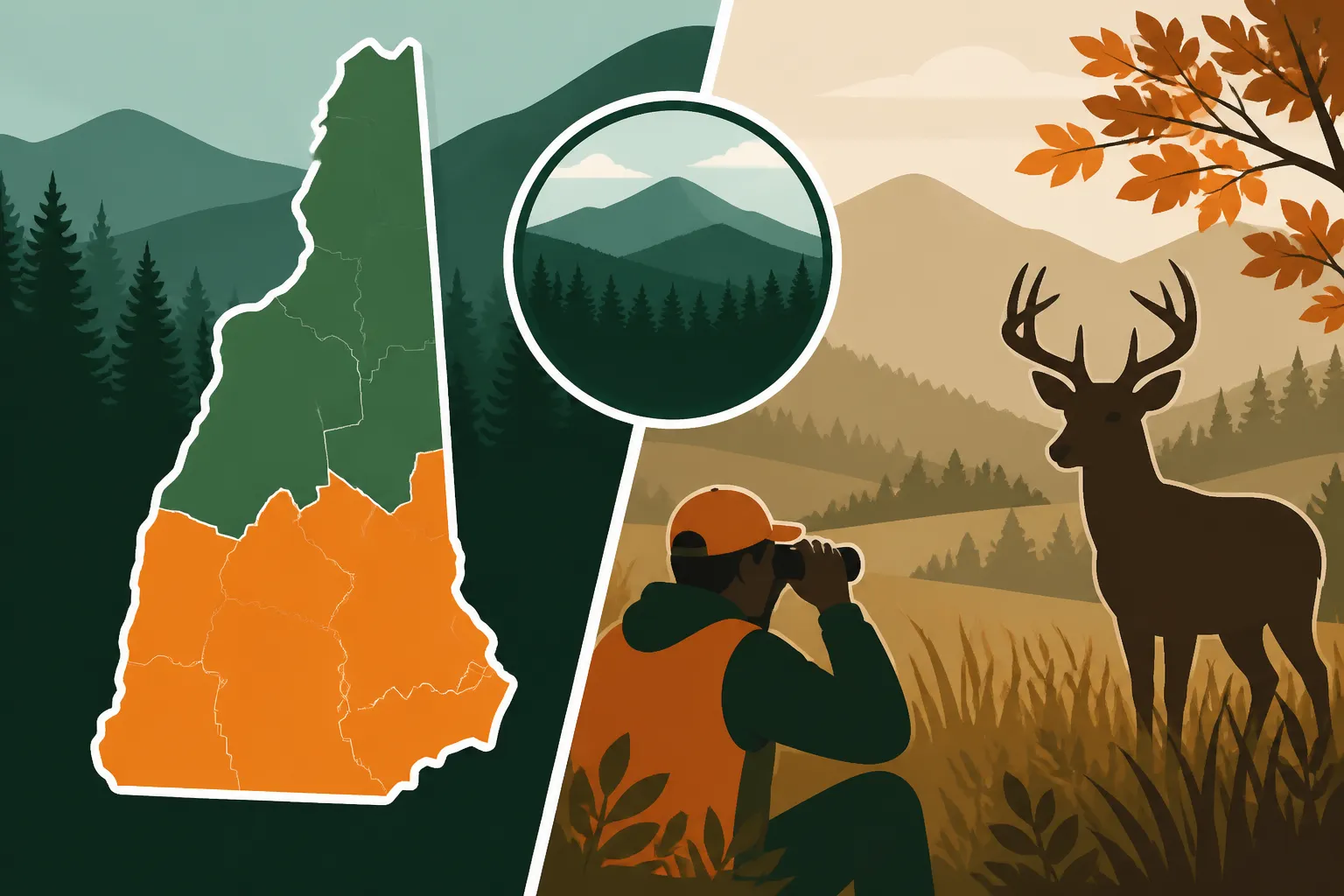
Geographically, the Northern Zone covers a vast area in the northernmost reaches of New Hampshire. It includes all of Coos County and portions of northern Grafton County and northern Carroll County. If you're thinking about places like Pittsburg, Colebrook, Errol, or areas surrounding the Connecticut Lakes, you're firmly in the Northern Zone. This region is characterized by extensive forests, including parts of the White Mountain National Forest, numerous remote ponds, lakes, and the headwaters of major rivers. The terrain is often rugged, and access can be challenging, requiring a more adventurous spirit and often a good 4×4 or even an ATV. The colder climate means that waters here tend to freeze earlier in the fall, acting as a natural trigger for waterfowl to push south, impacting New Hampshire Northern Zone Waterfowl Dates significantly.
Species and Season Peculiarities
Due to its early and often harsh weather, the Northern Zone's waterfowl seasons are typically the first to open and often the first to close in the state. Hunters here target a mix of puddle ducks like mallards, black ducks, and wood ducks, as well as diving ducks on larger, deeper lakes. Canada geese also utilize these northern wetlands during their migration. The early season allows hunters to intercept birds before they are heavily pressured further south. However, the window of opportunity can be brief. A sudden cold snap or significant snowfall can quickly freeze over prime hunting waters, forcing birds to move on faster than in other parts of the state. This means being flexible and watching weather patterns closely is absolutely key to success.
Hunting Opportunities and Challenges
Hunting in the Northern Zone offers a unique, often solitary experience. Opportunities range from jump-shooting small, secluded beaver flows and marsh edges for wood ducks and mallards, to setting up Layout Blind Hunting a Northern Zone Field for geese or larger duck spreads on bigger, more accessible lakes. The relatively low population density means less human pressure in many areas compared to the southern parts of the state. However, this remoteness also presents challenges. Access to prime spots can be difficult, requiring significant hiking, canoeing, or specialized off-road vehicles. Cold weather demands robust layering and durable gear. Additionally, the shorter season means that if you can't get out during a prime migration window, your opportunities can quickly evaporate. Scouting before the season opens is even more critical here to locate birds and identify viable hunting spots before the ice sets in.
Exploring the Inland Zone's Unique Characteristics
The Inland Zone represents the majority of New Hampshire's landmass, encompassing a diverse array of habitats from agricultural fields to sprawling lakes and meandering river systems. Its characteristics provide a different set of opportunities and challenges for the dedicated waterfowl hunter.
Geographical Scope and Notable Waterways
The Inland Zone covers pretty much everything in New Hampshire that isn't included in the Northern or Coastal Zones (which exist for specific species, but for waterfowl, it's primarily Northern vs. Inland). This means it stretches from the central part of the state down to the Massachusetts border, encompassing counties like Grafton (southern parts), Carroll (southern parts), Belknap, Merrimack, Hillsborough, Cheshire, Sullivan, Rockingham, and Strafford. Within this vast area, you'll find iconic waterways such as the Connecticut River, the Merrimack River, Lake Winnipesaukee, and countless smaller lakes, ponds, and marshlands. The landscape is a mix of hardwood forests, agricultural fields (especially in the river valleys), and more developed areas, offering varied habitats for migrating waterfowl.
Extended Seasons and Migration Patterns
Unlike its northern counterpart, the Inland Zone typically enjoys later and often longer waterfowl seasons. This is largely due to warmer temperatures that keep waters open later into the fall and early winter, allowing ducks and geese to linger. The Inland Zone acts as a crucial stopover and wintering ground for a significant portion of the Atlantic Flyway migration. As birds are pushed out of Canada and the Northern Zone by freezing conditions, they often concentrate in the larger, more reliable water bodies of the Inland Zone. This often results in more consistent hunting opportunities throughout the season, sometimes with multiple "flights" of new birds moving in. This extended period and varied migration patterns are key reasons why New Hampshire Inland Zone Waterfowl Dates often extend well into December.
Hunting Diversity and Access
The Inland Zone offers an incredible diversity of waterfowl hunting experiences. You might be setting up large decoy spreads on the shores of Lake Winnipesaukee, jump-shooting small ponds in the Monadnock region, or strategically placing decoys along the banks of the Connecticut River. Decoying Ducks on New Hampshire's Connecticut River is a classic Inland Zone tactic, utilizing the river's extensive length and varied habitat. Many agricultural areas, especially those with cornfields, also provide excellent goose hunting opportunities for those with permission. Access here can be both a blessing and a curse. While there are more roads and public access points than in the remote north, finding unpressured birds or securing private land permission can be a challenge due to higher population density and more competition from other hunters. Utilizing mapping apps or platforms like GoHunt can help you scout and identify potential access points or private land opportunities, which is crucial in these more populated areas.
Key Differences and Overlaps Between Zones
Understanding the nuances between the Northern and Inland Zones is paramount for New Hampshire waterfowl hunters. It's not just about different dates; it's about different hunting experiences, different bird behaviors, and a completely different strategic approach.
Season Dates and Bag Limits: A Side-by-Side Comparison
The most apparent difference between the Northern and Inland Zones lies in their season dates. The Northern Zone consistently opens earlier and closes earlier, reflecting its harsher, earlier winter conditions. The Inland Zone, in contrast, typically opens later and extends much further into the season, often running into early winter. Both zones usually implement a New Hampshire's Split Waterfowl Season Explained in the hunting digest, offering hunters a break period before a second segment. Bag limits for specific duck and goose species are generally consistent across both zones, but it's always critical to consult the current New Hampshire Duck and Goose Bag Limits in the official digest. These limits can change annually based on population surveys, so never assume. For example, pintail or canvasback limits might be more restrictive than those for mallards or wood ducks, regardless of zone.
| Feature | Northern Zone | Inland Zone |
|---|---|---|
| Geographic Scope | Primarily Coos County, northern Grafton/Carroll | Central and Southern NH (majority of state, excluding Coos and Seacoast) |
| Typical Climate | Colder, earlier freezes, more remote | Milder, waters stay open longer, more varied habitat |
| Season Opening | Earlier (e.g., late September) | Later (e.g., mid-October) |
| Season Closing | Earlier (e.g., late November) | Later (e.g., late December) |
| Migration Stage | Early/Mid-migration stopover | Mid/Late migration stopover and wintering grounds |
| Hunter Pressure | Generally lower due to remoteness | Higher, especially near population centers and major waterways |
| Access | Often more challenging, requires more effort | Generally easier, but competition for prime spots can be high |
| Primary Challenge | Early ice, short window of opportunity | Locating unpressured birds, securing private land access |
Migration Timing and Species Availability
The disparate season dates are a direct response to the migratory timing of waterfowl. In the Northern Zone, hunters often capitalize on the first pushes of local and Canadian-breeding birds moving south in response to cooling temperatures and freezing water up north. You'll find a good mix of early-season ducks and often early-migrating Canada geese. As the Northern Zone freezes solid, these birds funnel south into the Inland Zone. Here, hunters encounter subsequent waves of migrants, including more divers on larger lakes and increasing numbers of Canada geese, especially in agricultural areas. The Inland Zone's prolonged open water allows it to hold birds for much longer, providing more consistent action through the heart of fall and into early winter. This dynamic means that a truly dedicated New Hampshire waterfowl hunter might find themselves traveling between zones to follow the migration.
Hunter Pressure and Access Considerations
Hunter pressure is another significant differentiator. The Northern Zone, being more remote and less populated, generally sees fewer hunters, particularly in the deep woods and on smaller water bodies. This can lead to less pressured birds and a more solitary hunting experience. However, good access points can still draw crowds, and finding truly unpressured areas might require considerable effort and specialized gear. Conversely, the Inland Zone, especially around major rivers, lakes, and population centers, can experience significant hunter pressure. Public access points can be crowded, and competition for prime spots on public water can be intense. Securing private land access for field hunting geese or secluded marsh opportunities is often a key to success in the Inland Zone, making landowner relations and networking incredibly important. This is where diligent scouting, using mapping tools, and early season preparation pay off handsomely.
Practical Impact on Your Hunting Strategy
Understanding the zones isn't just about reading the rulebook; it's about strategically planning your season to maximize your success and enjoyment. Failing to account for these distinctions can lead to frustration and missed opportunities.
Planning Your Season Around Zone Dates
One of the biggest advantages of having distinct zones is the ability to extend your hunting season. If you're a passionate waterfowl hunter, you can start your season in the Northern Zone when it opens in late September, targeting early-migrating ducks before the deep freeze sets in. Once those waters lock up, you can shift your focus to the Inland Zone, which often opens a bit later and remains huntable for weeks longer, catching subsequent pushes of birds. This staggered approach allows you to essentially chase the migration down the state, giving you more days afield. Always check the official New Hampshire Waterfowl Season and Zones guide from NH Fish and Game, as dates can shift slightly year to year. Knowing the New Hampshire Northern Zone Waterfowl Dates and New Hampshire Inland Zone Waterfowl Dates by heart will allow you to plan weekends and vacation days strategically.
Gear and Tactics for Each Environment
The varying conditions between the Northern and Inland Zones demand different gear and tactics. In the Northern Zone, especially early in the season, stealth and portability are often key. Smaller spreads of lightweight decoys, perhaps even just a few floaters for jump-shooting, might be more effective than a massive spread on a remote beaver pond. Heavy-duty waders and warm, waterproof clothing are essential for the colder, wetter conditions. As for the Inland Zone, especially on larger rivers like the Connecticut or sprawling lakes, bigger decoy spreads, heavier anchors, and specialized blinds might be necessary. Think about Decoying Ducks on New Hampshire's Connecticut River – it requires different approaches than a small North Country pond. If you're hunting fields for geese, Layout Blind Hunting a Northern Zone Field might require heavier, more insulated blinds to contend with the cold, but similar tactics would apply to Inland Zone fields. Always be prepared for varying weather, from crisp, clear mornings to blustery, rainy days.
Utilizing Technology for Zone Awareness
In today's hunting world, technology is your friend, especially when navigating complex zone regulations. The New Hampshire Fish and Game Department offers a mobile app that often includes mapping layers showing zone boundaries and real-time regulation updates. Beyond that, platforms like GoHunt provide incredibly detailed mapping features that allow you to overlay public and private land boundaries, topo maps, and crucially, hunting zone lines. Before you head out, zoom in on your intended hunting spot using GoHunt to confirm which zone you're in. This simple step can prevent an accidental violation, ensuring you're aware of the correct season dates and bag limits for your specific location. Regularly checking these digital resources is just as important as reading the physical digest.
Navigating Zone-Specific Regulations
Beyond just knowing the dates, understanding the underlying regulatory framework is crucial for responsible and ethical hunting in New Hampshire's distinct waterfowl zones. It's about more than just avoiding a ticket; it's about being a good steward of the resource.
Understanding the Migratory Bird Harvest Information Program (HIP)
One regulation that applies universally, regardless of whether you're hunting in the Northern or Inland Zone, is the Migratory Bird Harvest Information Program (HIP) certification. If you plan to hunt any migratory birds in New Hampshire – ducks, geese, woodcock, snipe, rails, coots – you must be HIP certified annually. This is a federal requirement, and it’s free to do when you purchase your license. The data collected through HIP helps wildlife managers monitor harvest rates and inform future season frameworks. Without it, you’re hunting illegally. So, before you even think about buying decoys or heading out, ensure you have your New Hampshire HIP Certification for Bird Hunters up to date.
Waterfowl Bag Limits and Species Restrictions
While the general framework of New Hampshire Duck and Goose Bag Limits applies statewide, it's vital to stay informed about specific species restrictions. For example, the daily bag limit for mallards might be consistent, but often there's a restriction on how many hen mallards you can harvest. Similarly, species like black ducks, pintails, canvasbacks, and wood ducks frequently have lower bag limits due to population concerns. These specific rules do not typically change by zone, but they are crucial to remember no matter where you are hunting. Ignorance of the law is not an excuse. Always positively identify your target before shooting, and if you're unsure, let the bird fly by. This disciplined approach ensures you stay within legal limits and protects vulnerable species.
Conservation and Ethical Hunting Practices
Ultimately, understanding New Hampshire's Northern and Inland Zones is about more than just legal compliance; it's about practicing responsible conservation. By adhering to the zone-specific regulations, we contribute to the sustainable management of our waterfowl resources. It ensures that birds are harvested at appropriate times and rates, allowing populations to thrive. Ethical hunting also extends to respecting land (both public and private), retrieving all downed game, and leaving no trace. Being a knowledgeable hunter who understands the nuances of the zones demonstrates respect for the game, the regulations, and fellow outdoors enthusiasts. This commitment helps preserve New Hampshire's Place on the Atlantic Flyway as a vital migratory corridor for generations to come. Always remember to check the latest Fish and Game digest for the most up-to-date regulations before heading into the field.
Disclaimer
Please remember that hunting regulations, season dates, and specific zone boundaries can change. Always consult the most current New Hampshire Fish and Game Department hunting digest or website for the official and most up-to-date information before planning any hunting trip.