New Hampshire’s Place on the Atlantic Flyway
For hunters in New Hampshire, few things are as frustrating as missing the peak of the waterfowl migration or not knowing which areas will hold the most birds when the season finally opens. The ebb and flow of ducks and geese across our landscape can feel like a mystery, but understanding New Hampshire's crucial position on the Atlantic Flyway is key to unlocking more successful hunts. This comprehensive guide will explain the intricate relationship between our state and this incredible migratory superhighway, helping you better anticipate bird movements and choose your hunting spots wisely.
Understanding the Atlantic Flyway's Influence on New Hampshire
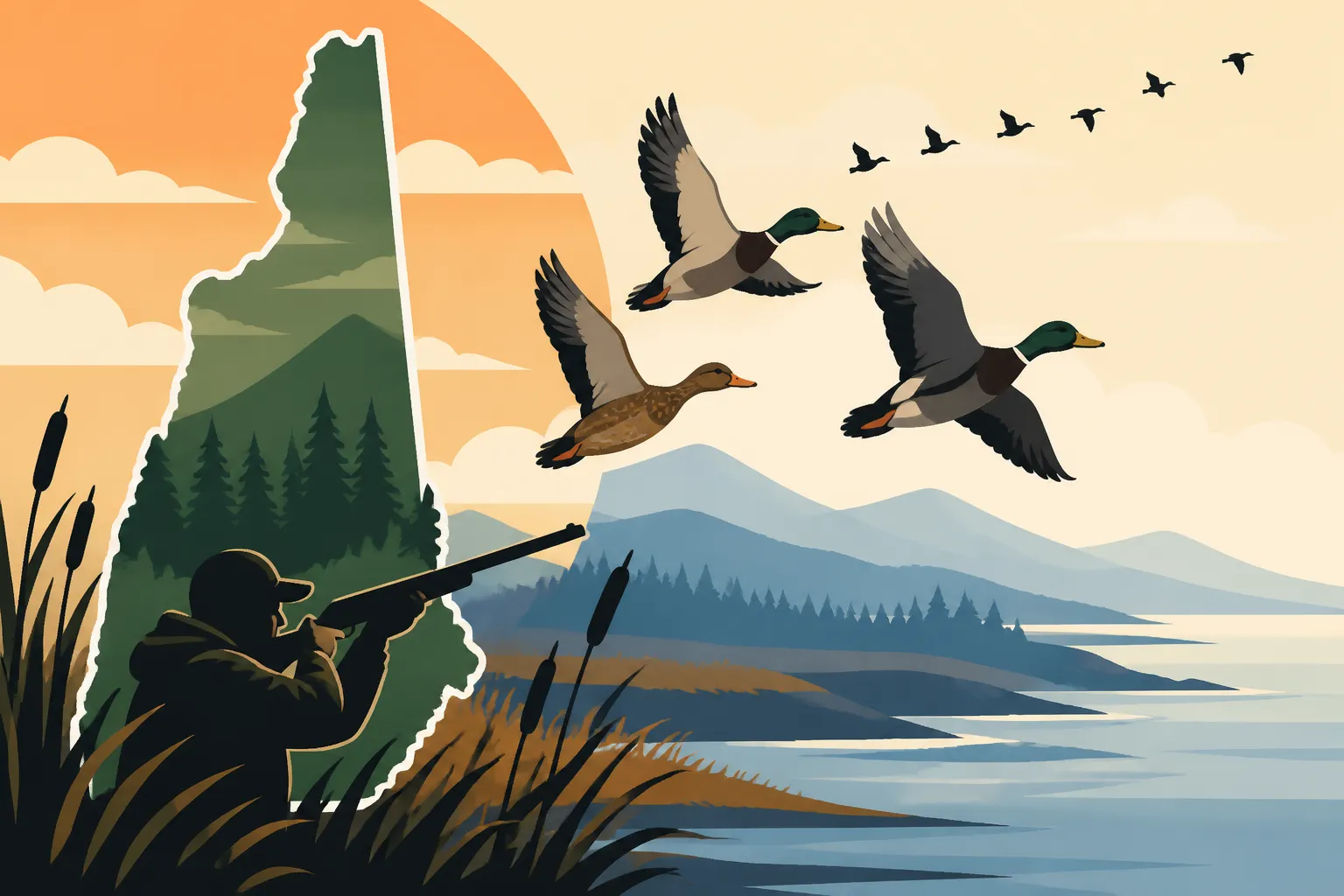
New Hampshire sits squarely within one of North America's four major migratory bird routes: the Atlantic Flyway. This vast aerial highway stretches from the Arctic breeding grounds all the way down to the Caribbean and South America, guiding millions of birds, including countless waterfowl, on their annual journeys. For us Granite Staters, this means our lakes, rivers, and coastal marshes become vital stopovers and wintering grounds, drawing in a diverse array of species each fall and spring.
The Grand Migratory Highway Explained
Imagine a superhighway in the sky, not for cars, but for birds. That's essentially the Atlantic Flyway. It's a broad corridor, not a narrow path, encompassing a wide range of habitats that migratory birds utilize as they travel between their breeding and wintering grounds. Factors like prevailing winds, major geographical features such as coastlines and mountain ranges, and the distribution of critical food and resting areas all shape the exact routes birds take within this flyway. For ducks and geese, these routes are often tied to major river systems, coastal embayments, and expansive wetland complexes that offer reliable sustenance and refuge. Knowing where these "rest stops" and "fueling stations" are in New Hampshire is paramount for any serious waterfowl hunter.
New Hampshire's Position and Importance
New Hampshire might be small compared to some other states on the flyway, but its varied geography gives it outsized importance. We have the wild, remote North Country, home to countless small ponds and beaver flowages, drawing in early migrants. Our major river systems, especially the Connecticut River and Merrimack River, act like natural funnels, guiding birds southward. Then there's our relatively short but critical coastline, featuring tidal marshes, estuaries, and protected bays that become magnets for sea ducks and coastal puddle ducks. This diversity ensures that whether you're chasing wood ducks in a secluded swamp or mallards on a large impoundment, New Hampshire offers opportunities throughout the migration. In fact, understanding the unique characteristics of specific regions is key to successful waterfowl hunting in New Hampshire's Two Zones.
Historical Significance for Waterfowl
The Atlantic Flyway has been a migratory path for waterfowl for millennia, long before humans even conceived of hunting seasons. Early European settlers quickly recognized the abundance of ducks and geese that passed through the region, relying on them as a vital food source. Over time, market hunting nearly decimated many species, leading to the conservation efforts we benefit from today. The Migratory Bird Treaty Act of 1918, along with subsequent state and federal regulations, were born out of a recognition of the flyway's importance and the need to manage these shared resources. Today, organizations like Ducks Unlimited and state agencies like New Hampshire Fish and Game continue to work tirelessly on habitat preservation and scientific monitoring to ensure these migrations continue for generations to come.
Key Waterfowl Species Traversing the Granite State
The sheer variety of waterfowl that passes through or takes up residence in New Hampshire is astounding. From the familiar mallard to the more elusive black duck, each species has its own migration timing, habitat preferences, and behavioral quirks that hunters learn to anticipate.
Dabblers and Divers: A Wealth of Ducks
New Hampshire hunters encounter both dabbling and diving ducks throughout the season. Dabblers, like mallards, black ducks, wood ducks, and green-winged teal, feed in shallow water by tipping their bodies forward, tails up, to reach submerged vegetation and invertebrates. They prefer marshes, shallow ponds, and flooded timber. These birds are often the first to arrive in early fall and can be found far inland. For instance, Decoying Ducks on New Hampshire's Connecticut River often focuses on these puddle ducks, which feed in the fertile river bottoms. Divers, on the other hand, include species like ring-necked ducks, buffleheads, and goldeneyes. They prefer deeper waters of larger lakes, rivers, and coastal bays, where they actively swim underwater to forage for fish, mollusks, and aquatic insects. Their migrations typically peak a bit later, as colder weather pushes them south from more northerly breeding grounds.
| Duck Species | Primary NH Habitat | Migration Peak (Approx.) | Diet Preference | Typical Behavior (Hunting) |
|---|---|---|---|---|
| Mallard | Rivers, Ponds, Marshes, Fields | Mid-Oct to Mid-Nov | Seeds, Grains, Invertebrates | Responds well to calls/decoys |
| American Black Duck | Coastal Marshes, Estuaries, Ponds | Mid-Oct to Late-Nov | Mollusks, Invertebrates, Seeds | Warier, often mixes with Mallards |
| Wood Duck | Wooded Swamps, Beaver Flowages | Late Sept to Early Oct | Acorns, Seeds, Invertebrates | Fast, erratic flight, dawn/dusk |
| Green-winged Teal | Shallow Ponds, Mud Flats | Late Sept to Mid-Oct | Seeds, Small Invertebrates | Small flocks, fast flight, agile |
| Ring-necked Duck | Deeper Ponds, Lakes, Rivers | Late Oct to Mid-Nov | Aquatic Plants, Invertebrates | Dive readily, often in large rafts |
| Bufflehead | Coastal Bays, Large Inland Lakes | Nov to Dec | Mollusks, Small Fish | Small, fast, erratic divers |
| Common Goldeneye | Rivers, Coastal Waters | Nov to Jan | Fish, Crustaceans, Insects | Very wary, fast flight, deep divers |
Geese and Brant: Majestic Migrants
While ducks offer variety, geese provide sheer spectacle. Canada geese are a ubiquitous sight, with both resident populations and migratory flocks utilizing New Hampshire's waterways and agricultural fields. Early season hunts often target these abundant resident birds, but later in the fall, larger, darker "Atlantic" Canada geese migrate through, offering different challenges. Snow geese, though less common than Canada geese, occasionally pass through in spectacular numbers, particularly along the coast or in larger inland agricultural areas, especially during harsh weather. Brant, a smaller, darker goose species, is strictly a coastal migrant, feeding almost exclusively on eelgrass in saltwater bays and estuaries, making them a unique target for specialized saltwater hunters in New Hampshire.
Other Migratory Birds Utilizing the Flyway
The Atlantic Flyway isn't just for ducks and geese. Many other migratory birds, including various shorebirds, wading birds, and songbirds, use this same route. For hunters, this also includes species like American woodcock and various rails, though their seasons and methods differ greatly from waterfowl. New Hampshire is also a critical corridor for raptors and songbirds, highlighting the broader ecological importance of preserving interconnected habitats along the flyway. Understanding these broader migratory patterns helps us appreciate the interconnectedness of our hunting opportunities with the health of the entire ecosystem.
New Hampshire's Waterfowl Zones and Regulations
Navigating the regulations for waterfowl hunting in New Hampshire can sometimes feel like trying to hit a fast-flying teal in a crosswind. The state is divided into two distinct zones, each with its own specific opening and closing dates, influenced by federal frameworks and local bird populations.
The Inland and Coastal Zones Delineated
New Hampshire's waterfowl hunting opportunities are managed under two primary zones: the Inland Zone and the Coastal Zone. The Inland Zone covers the vast majority of the state, encompassing all rivers, lakes, ponds, and wetlands not directly influenced by oceanic tides. This is where most hunters will pursue puddle ducks, resident Canada geese, and various diving ducks on larger water bodies. The Coastal Zone, as its name suggests, covers the tidal waters of the Atlantic Ocean and all estuaries and rivers up to the first natural or artificial barrier impassable to migrating fish. This zone is critical for sea ducks, brant, and a significant portion of the black duck migration. Knowing which zone you are in is crucial, as the season dates can vary by several weeks. For detailed boundary information and season timing, always consult the official New Hampshire Waterfowl Season and Zones guide from NH Fish and Game.
Season Dates and Bag Limits: What Hunters Need to Know
Season dates in New Hampshire's waterfowl zones are set annually by the U.S. Fish and Wildlife Service, in conjunction with the state, based on population data and migratory patterns. Typically, the Inland Zone will have an earlier opening for ducks and resident geese, often in late September or early October, with a split season to accommodate different migration waves. The Coastal Zone might open a bit later, particularly for sea ducks, and often runs later into the winter. Bag limits also vary by species and are designed to ensure sustainable harvest. For example, the New Hampshire Duck Daily Bag Limit specifies how many of each species (mallard, black duck, wood duck, etc.) you can harvest in a day. Canada goose limits can also differ depending on the zone and whether you're targeting early-season resident birds or later-season migrants. Always double-check the current year's digest; regulations can change.
Federal Requirements and State Specifics
Beyond state-specific zone dates and bag limits, there are federal requirements that all migratory bird hunters must adhere to. The most prominent is the federal duck stamp, a physical stamp you must purchase and carry with your license. The revenue from these stamps goes directly to waterfowl conservation and wetland acquisition. Additionally, all migratory bird hunters in New Hampshire must register with the Migratory Bird Harvest Information Program (HIP). This is a free registration that helps wildlife managers gather crucial data on harvest numbers across the country. Remember, federal regulations also dictate things like legal shooting hours (half-hour before sunrise to sunset) and methods of take. Combining your state license with the federal duck stamp and HIP certification ensures you're legally prepared for your hunt. For specific details on these requirements, check out New Hampshire HIP Certification for Bird Hunters.
Prime Waterfowl Habitats Across New Hampshire
Understanding where waterfowl want to be is half the battle in hunting them. New Hampshire's diverse geography offers a plethora of habitats that attract and hold different species of ducks and geese throughout the migration.
River Systems and Floodplains: The Connecticut River Example
New Hampshire's extensive river systems, particularly the Connecticut River, serve as crucial migratory corridors and feeding grounds. The Connecticut River, forming a significant portion of our western border, is an absolute magnet for waterfowl. Its broad floodplains, oxbow lakes, and agricultural fields (especially cornfields) provide abundant food sources and sheltered waters. Mallards, black ducks, and Canada geese frequent these areas, often staging in large numbers before continuing their southward journey. Hunting here often involves setting up decoys on field edges for geese or in shallow backwaters for ducks. Even late into the season, open stretches of the river can hold diving ducks like goldeneyes and common mergansers. Hunters looking for opportunities should consider Layout Blind Hunting a Northern Zone Field that abuts a major waterway, as geese frequently feed in these agricultural areas.
Coastal Marshes and Estuaries: Where Salt and Fresh Meet
While a smaller portion of the state, New Hampshire's coastline and its tidal marshes are incredibly vital to the Atlantic Flyway. Great Bay Estuary, Hampton-Seabrook Estuary, and numerous smaller coastal marshes provide unique habitats. These areas, where freshwater rivers meet the salty ocean, are rich in marine invertebrates, shellfish, and specific aquatic vegetation like eelgrass. This is prime territory for species like black ducks, brant, and various sea ducks (eiders, scoters, oldsquaws). The challenge here is often tides, weather, and navigating saltwater environments, which require specialized gear and knowledge. For instance, understanding New Hampshire's Split Waterfowl Season Explained often comes into play, as coastal zones may have different season structures due to these unique conditions.
Inland Lakes, Ponds, and Beaver Flowages
Away from the major rivers and the coast, New Hampshire is dotted with countless inland lakes, ponds, and, perhaps most importantly for early-season ducks, beaver flowages. These smaller, often more secluded water bodies offer excellent habitat for wood ducks, mallards, and green-winged teal. Beaver flowages, in particular, create shallow, food-rich environments with plenty of natural cover, making them ideal for ambush hunting. Larger inland lakes, like Lake Winnipesaukee, Squam Lake, and Lake Umbagog, attract diving ducks and greater numbers of Canada geese, especially during colder weather when smaller waters freeze up. Scouting these areas involves looking for fresh sign, identifying natural funnels, and understanding access points, particularly on public lands or conservation easements.
Conservation and Challenges for New Hampshire's Waterfowl
New Hampshire's role in the Atlantic Flyway brings with it a responsibility for conservation, especially as waterfowl populations face a myriad of challenges in the modern era. Hunter-supported efforts are at the forefront of these crucial initiatives.
Habitat Preservation and Restoration Efforts
The biggest threat to migratory waterfowl across the Atlantic Flyway is habitat loss and degradation. Wetlands, which are essential for breeding, staging, and wintering birds, are constantly under pressure from development, agriculture, and climate change. In New Hampshire, organizations like Ducks Unlimited, along with the New Hampshire Fish and Game Department, actively work to preserve existing wetlands and restore degraded ones. This involves projects like dam removal to restore natural river flows, establishing conservation easements with private landowners, and managing impoundments to optimize conditions for waterfowl. These efforts are not just for ducks; healthy wetlands benefit countless other wildlife species and provide critical ecosystem services like water filtration and flood control. When planning a hunt, tools like those from GoHunt can sometimes aid in identifying potential areas managed for wildlife, highlighting their value.
Monitoring Populations and Migration Health
Wildlife biologists at the state and federal levels continuously monitor waterfowl populations and migration patterns. This involves aerial surveys of breeding grounds, banding birds to track survival and movement, and analyzing harvest data collected through programs like HIP. In New Hampshire, Fish and Game uses this data to make informed decisions about season lengths, bag limits, and conservation priorities. Understanding the health of these populations is paramount, especially when facing new threats. For instance, diseases like avian influenza can have devastating impacts on waterfowl, making continuous monitoring essential. Hunters often contribute invaluable anecdotal information from their time in the field, further aiding these scientific efforts.
The Role of Hunters in Conservation Funding
It's a common misconception that hunters only "take" from wildlife resources. In reality, hunters are the primary funders of wildlife conservation in North America. Through the Pittman-Robertson Act, an excise tax on firearms, ammunition, and archery equipment directly funds state wildlife agencies. Federal duck stamp sales and hunting license fees also contribute substantially. In New Hampshire, revenue generated from hunting licenses and permits, including specific waterfowl stamps, goes directly back into habitat projects, law enforcement, and wildlife research. This user-pay, public-benefit model is incredibly effective, demonstrating that responsible hunting is not just a recreational pursuit but a vital component of successful wildlife management. Without hunters' financial contributions and advocacy, many of the wetlands and wildlife populations we enjoy today would be drastically diminished. Even for general scouting and understanding land types, platforms such as GoHunt, with their focus on accessible mapping and public land information, implicitly support more informed and responsible hunting, contributing to the overall outdoor recreation economy that often circles back to conservation.
Hunting Strategies Tailored for New Hampshire's Flyway Dynamics
Hunting waterfowl successfully in New Hampshire requires more than just a shotgun and some decoys. It demands an understanding of bird behavior, local geography, and adaptability to ever-changing conditions.
Decoy Spreads and Calling Tactics by Habitat
The effectiveness of your decoy spread and calling depends heavily on the habitat you're hunting and the species you're targeting. For ducks in small beaver flowages or tight river bends, a small, natural-looking spread of half a dozen mallards and a few wood ducks, often combined with subtle calling, can be deadly. In larger water bodies or open fields for geese, you might need dozens or even hundreds of decoys, including full-body and shell decoys, combined with aggressive calling sequences. When hunting the coast, especially for sea ducks or brant, specialized decoys that mimic their unique feeding behaviors are crucial. Knowing how to adjust your spread for different light conditions, wind directions, and bird pressure is an art form. For those focused on geese in open areas, mastering techniques like Pass-Shooting Geese on a Split-Season Field requires careful planning of decoy placement to get birds in range.
Scouting for Success in Variable Conditions
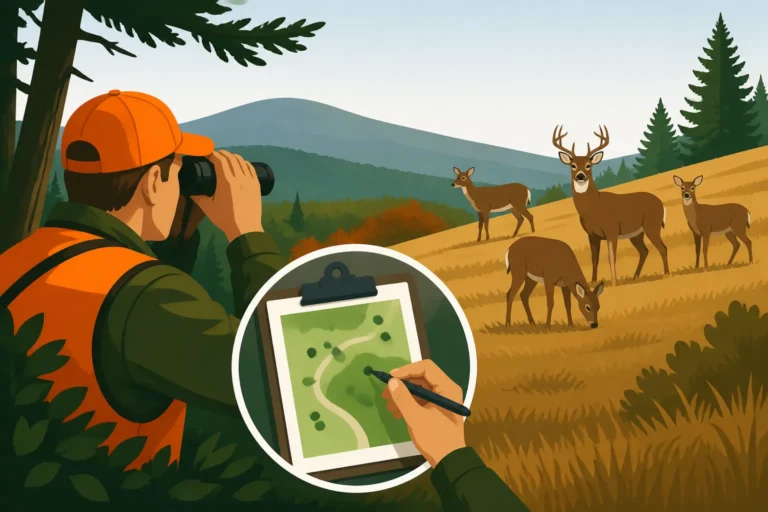
Waterfowl hunting is often won or lost before you ever step foot in the blind. Thorough scouting is paramount, especially in a state like New Hampshire where conditions can change rapidly. Look for active feeding areas (waste grain in fields, disturbed mud flats), loafing areas (sheltered sections of rivers or ponds), and flight paths. Pay attention to changes in weather: cold fronts push new birds south, and strong winds can change flight patterns. Even observing where birds are not helps you eliminate unproductive spots. Utilize tools like mapping apps, including detailed satellite imagery, to identify potential new spots or areas that might hold birds after a heavy rain or freeze. While primarily focused on big game, the detailed mapping and public land layers offered by services like GoHunt can be incredibly useful for any hunter scouting new areas, including potential waterfowl spots near agricultural fields or public waterways, by helping identify access points and habitat types.
Navigating Public and Private Access
New Hampshire offers a mix of public and private lands for waterfowl hunting. State Wildlife Management Areas (WMAs) and certain portions of the White Mountain National Forest or state forests can provide excellent public access, often with designated parking areas and boat launches. However, these areas can also see significant hunting pressure, especially on weekends or during peak migration. Many prime waterfowl spots are on private land, particularly agricultural fields or secluded ponds. Securing permission from landowners is often the key to consistent success. Always be respectful, ask in advance, and adhere strictly to any rules the landowner sets. Building a good relationship with landowners can open up incredible hunting opportunities. Even on public land, platforms with advanced mapping capabilities, such as GoHunt, can help identify property boundaries and access points, which is invaluable for planning. Finally, don't forget opportunities like Hunting New Hampshire's Youth Waterfowl Weekend, which can be a great way to introduce new hunters to the sport on accessible lands.
Disclaimer
Please note: Hunting regulations, season dates, and license requirements can change frequently. Always consult the most current New Hampshire Fish and Game Digest or their official website for the definitive and most up-to-date information before planning any hunting trip.