Why North Country Deer Run Smaller
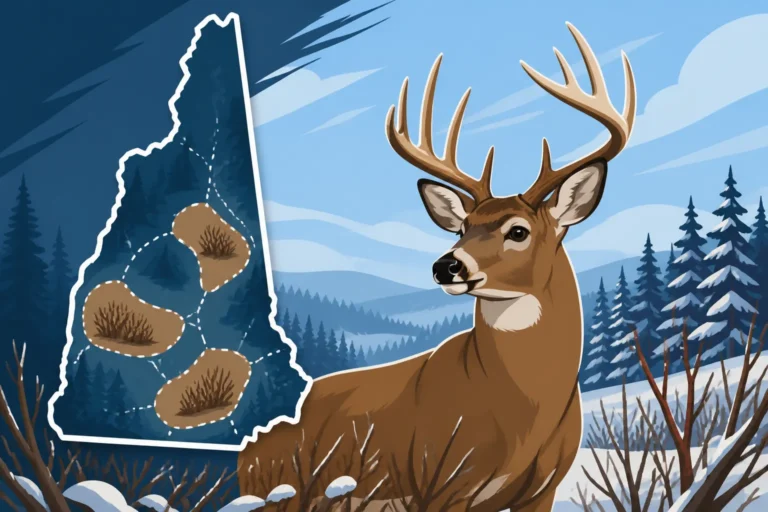
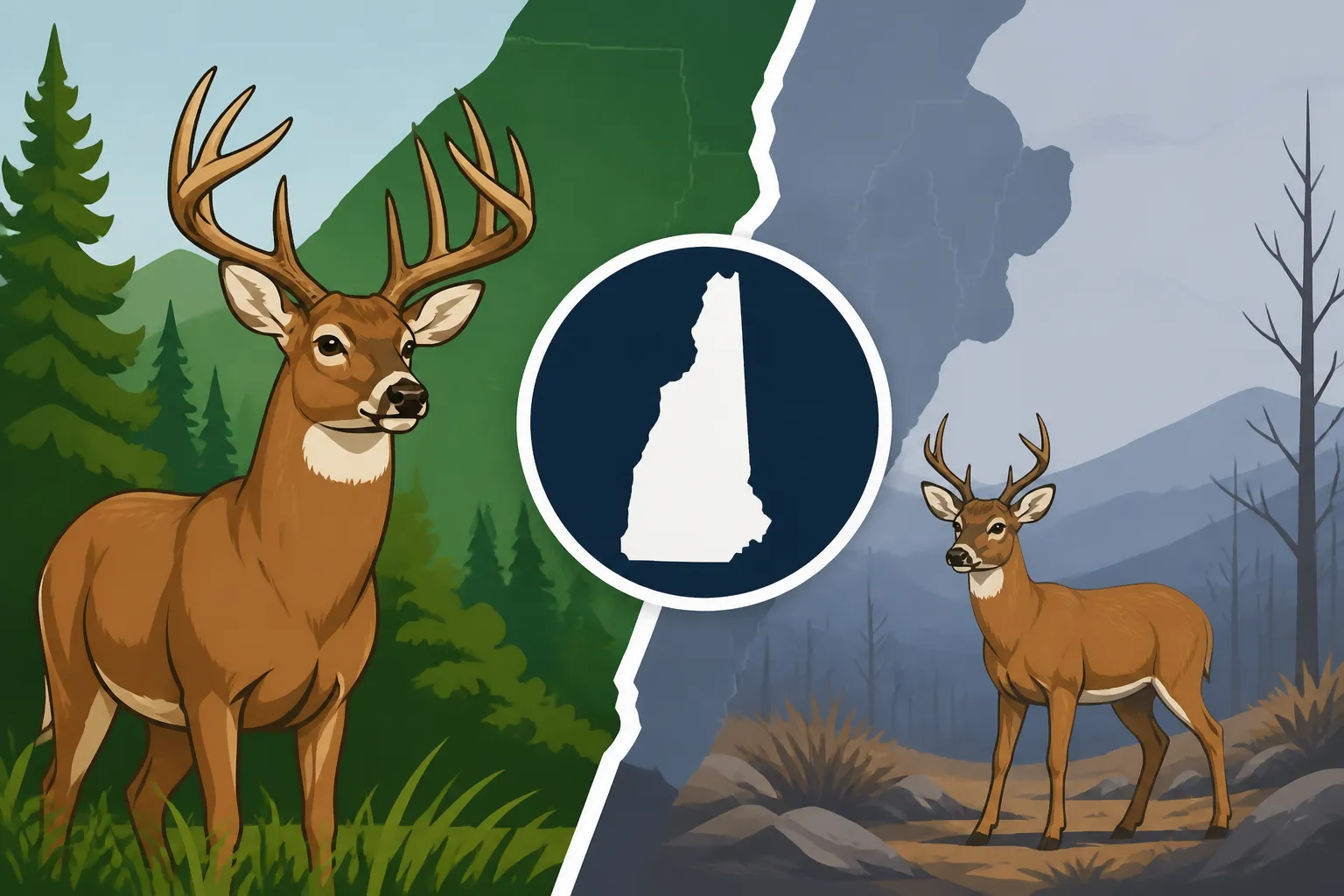
It’s a common observation among New Hampshire hunters: the deer in the vast, rugged North Country often seem to be built a little differently, usually a bit smaller than their counterparts found in the more suburban or agricultural southern reaches of the state. This isn’t just anecdotal; there are very real ecological, environmental, and even genetic reasons that contribute to why white-tailed deer inhabiting New Hampshire's northern territories tend to be less massive.
The Harsh Realities of the North Country Environment
If you've spent any time at all in northern New Hampshire, you know it's a different world. The landscape is wilder, the towns sparser, and the winters, well, they're just different. This dramatic difference in environment is the primary driver behind the smaller stature of North Country deer. It's a constant struggle for survival that favors leanness and efficiency over sheer bulk.
Shorter Growing Seasons and Limited Forage
One of the most significant factors is the abbreviated growing season. Up north, the frost-free period is considerably shorter, and average temperatures are lower. What does this mean for deer? It means the lush, nutrient-rich vegetation that deer rely on to pack on pounds for winter simply doesn't have as much time to flourish.
Think about it: in a southern New Hampshire agricultural valley, you might have fields of clover, vast tracts of regenerating timber with diverse browse, and even backyard gardens providing an unexpected bounty well into the fall. Up in Coos County, especially the deep woods of places like Pittsburg or Clarksville, the landscape is dominated by dense spruce and fir, mixed hardwoods, and vast areas of rocky, less fertile ground. The high-quality browse, such as tender new shoots, acorns (which are less abundant and consistent further north), and agricultural crops, is just not as widely available or as nutrient-dense for as long. Deer have a narrower window to build up fat reserves, and the quality of those reserves might be compromised by the forage itself. This constant battle for adequate nutrition directly impacts growth rates, overall body mass, and even antler development.
Deep Snow and Energy Demands
Winter is the ultimate test for North Country deer, and it's where the size disparity becomes even more pronounced. The northern part of the state regularly gets significantly deeper and longer-lasting snow cover compared to the southern regions. Imagine a deer trying to navigate through two or three feet of heavy, crusty snow day after day just to find enough browse to survive.
Every step takes immense effort, burning precious calories that would otherwise be used for maintaining body temperature, fighting off disease, or, in the case of younger deer, growing. This relentless expenditure of energy to simply move and forage leaves little left for growth. Deer are literally fighting just to stay alive, and bigger bodies require more fuel to run, making it a double-edged sword. Deeper snow can also limit access to vital browse, forcing deer into areas where forage is even scarcer. Understanding areas like New Hampshire Deer Wintering Yards Explained becomes critical for survival in these conditions, as deer seek out softwood thickets that offer thermal cover and some relief from the deepest drifts.
Higher Predator Pressure
The wilder, more remote landscapes of the North Country naturally support a higher density of predators, particularly coyotes and bobcats. While these predators exist throughout the state, their impact can be more keenly felt in areas where deer are already stressed by environmental factors. A deer that is constantly vigilant, using energy to scan for danger and make quick escapes, has less energy to devote to feeding and growth.
For fawns, the first year of life is incredibly challenging, and predators like coyotes are a major threat. A stressed doe might have weaker fawns, and the constant threat of predation means that even if a fawn survives, it may not thrive as robustly as one in a less predator-dense area. The overall effect is often a younger average age structure for the herd, simply because fewer deer live long enough to reach their full physical potential. This reality paints a clear picture of New Hampshire Predator Impact on Fawn Recruitment in the northern wilderness.
Nutritional Constraints and Carrying Capacity
Beyond just the length of the growing season, the very fabric of the North Country ecosystem—its soil, its natural productivity—plays a huge role in deer size. It's a landscape that demands toughness, and it doesn't offer the easy living many southern deer enjoy.
Poorer Soil Quality and Nutrient Deficiencies
New Hampshire is affectionately known as the Granite State, and that name isn't just for show. Much of the North Country is characterized by rocky, acidic, and generally less fertile soils derived from its underlying granite bedrock. These soils simply don't have the same mineral content or nutrient-holding capacity as the richer, deeper soils found in many agricultural regions of southern New Hampshire.
What does this mean for deer? It means the vegetation that grows in these soils often has lower levels of critical minerals like calcium and phosphorus, which are absolutely vital for bone growth and antler development. If the plants don't absorb enough, the deer won't either. Deer might eat copious amounts of browse, but if it's nutritionally deficient, they'll struggle to gain weight and grow large antlers. It's like eating a lot of empty calories – it fills you up, but doesn't provide the building blocks your body needs. This fundamental difference in soil quality is a silent, but powerful, force limiting the growth potential of North Country deer.
Lower Carrying Capacity of the Habitat
The North Country is undeniably beautiful, but it's not designed to produce massive deer. The wild, untamed nature of the habitat means there are fewer human-influenced food sources. You won't find expansive cornfields, alfalfa plots, or widespread orchards contributing to the deer's diet as you might in areas with higher Southern New Hampshire Deer Density. The "carrying capacity"—the number of animals a habitat can sustainably support—is simply lower for deer in these rugged northern zones.
When food sources are naturally scarcer and less nutrient-rich, the deer population adjusts. Individual deer might have larger home ranges as they search for adequate forage, and the overall density of the herd tends to be lower. This ensures that the limited resources are stretched, but it also means that individual deer might not get enough high-quality sustenance to reach their maximum genetic potential for size. This is a stark contrast to areas where hunting opportunities are different, making it important to research things like Best New Hampshire WMUs for Big Bucks if antler size is a primary concern.
Competing Browsers and Forage Availability
While often overlooked, competition with other large herbivores can also play a subtle role. New Hampshire's North Country is also home to its majestic moose population. While moose are primarily browsers of different types of vegetation than deer, there can be overlap, especially in dense regenerating clear-cuts or specific browse areas.
In particularly harsh winters, or in areas with high moose density, this competition for available woody browse could further reduce the limited food resources for deer. While not a primary factor, it’s another layer of complexity in an environment already demanding peak efficiency from its deer population. When you're Hunting the North Country, it's not uncommon to see signs of both species in the same general area, indicating shared, albeit sometimes competitive, use of resources.
Age Structure and Genetic Factors
It’s not just the environment actively working against deer growth; the very makeup of the herd and generations of adaptation also contribute to the smaller size profile.
Younger Age Structure Due to Hunting Pressure and Survival Rates
Even without considering hunting pressure, the North Country's harsh winters are a brutal culling mechanism. Weaker, less prepared, or younger deer often succumb to the elements, starvation, or predation during severe cold snaps and deep snows. This naturally leads to a younger average age structure for the deer that survive to the next season.
While hunting certainly removes animals from the population, the sheer environmental pressure ensures that fewer deer live to become genuinely old, large-bodied animals. A deer needs several years of good nutrition and relatively low stress to reach its full physical maturity and maximum antler potential. If the majority of deer in an area don't make it past, say, 3.5 or 4.5 years old, then the average size will naturally appear smaller. Hunters keenly observe this, as the New Hampshire Buck Age Structure in the North Country often reflects a higher proportion of younger deer compared to more hospitable regions.
Genetic Adaptations to a Leaner Environment
This is a fascinating, if subtle, factor. Over many generations, animals in a specific environment tend to adapt to those conditions. In a resource-poor, high-stress environment like the North Country, there’s a biological advantage to being slightly smaller. A smaller body requires fewer calories to maintain, generates less heat loss in cold weather (relatively speaking, compared to the surface area to volume ratio), and can navigate dense, snowy terrain with potentially greater agility.
While deer are certainly adaptable, it’s plausible that the genetics of North Country deer have, over millennia, favored individuals that are more efficient at surviving on fewer resources, even if that means a slightly smaller overall frame. This isn't to say a monster buck can't exist in the North Country – they absolutely do! – but they are rarer exceptions rather than the norm. The overall New Hampshire Deer Population Estimate will reflect these trends across different regions.
Practical Implications for North Country Hunters
For those of us who love hunting the big woods of northern New Hampshire, understanding these factors isn't just academic; it helps us set realistic expectations and refine our hunting strategies.
Adjusting Expectations and Strategies
If you’re heading north with visions of harvesting a massive 200-pound, 10-point buck like you might see in some parts of the Midwest, you might be setting yourself up for disappointment. A "trophy" in the North Country is often measured differently. It might be an older, mature deer that has survived multiple harsh winters, regardless of its antler score or body weight. Taking a healthy 150-pound adult buck out of the deep woods is a significant accomplishment and a testament to that animal's resilience.
Hunters can use resources like GoHunt to pore over harvest data, giving them a more realistic picture of the average deer size and antler growth for specific Wildlife Management Units (WMUs) in the North Country. This data-driven approach helps to calibrate expectations, moving the focus to the challenge and reward of the hunt itself in a truly wild setting. Knowing the historical harvest in a particular WMU will help you appreciate what a true "giant" looks like for that region.
Scouting for Key Food Sources
Because natural food is less abundant and more spread out in the North Country, pinpointing key food sources becomes absolutely paramount. Deer will concentrate around whatever high-quality forage they can find, especially as winter approaches. This means intensive scouting for mast crops, like beechnuts or what few acorns might be present, regenerating clear-cuts, or areas with dense, palatable browse.
Learning to Read Aerial Photos for North Country Deer to identify potential browse areas, south-facing slopes that melt out earlier, or areas of diverse forest regeneration is a tactic that pays dividends. Finding these pockets of sustenance can be the difference between seeing deer and seeing nothing but tracks. Understanding Late-Season Food Sources for New Hampshire Whitetails is not just helpful, it's essential for success in these demanding environments. When you find a good food source, you might also find evidence of deer utilizing areas like a Hunting a Ridge Above a North Country Bog for travel or bedding.
Winter Survival as a Limiting Factor
Ultimately, the North Country deer herd is fundamentally limited by winter survival. No matter how many fawns are born in the spring, if the subsequent winter is long, cold, and deep with snow, a significant portion of the herd—especially fawns and older, weaker animals—will perish. This environmental sieve ensures that only the toughest, most efficient, and often slightly smaller deer continue to propagate the species in these unforgiving conditions.
The constant struggle to endure the cold, conserve energy, and find food against the backdrop of deep snow and limited forage means that deer that thrive are those built for survival, not necessarily for maximum growth. The profound impact of severe weather on the herd underscores the importance of understanding How Deep Snow Affects New Hampshire Deer Survival when considering population dynamics and individual deer size.
North Country vs. Southern New Hampshire Deer Factors
Here's a quick look at the contrasting factors that contribute to deer size in New Hampshire:
| Factor | North Country Deer | Southern New Hampshire Deer | Impact on Size |
|---|---|---|---|
| Growing Season | Shorter, colder | Longer, milder | Less time for forage to grow and deer to build reserves. |
| Forage Quality | Lower nutrient density, less variety | Higher nutrient density, more agricultural/diverse browse | Direct impact on bone growth, antler development, and body mass. |
| Soil Quality | Often rocky, acidic, lower fertility | Generally richer, more fertile | Affects mineral content in forage, crucial for growth. |
| Snow Depth/Duration | Deeper, longer-lasting | Shallower, melts faster | Higher energy expenditure for movement, reduced access to food. |
| Predator Pressure | Generally higher density of coyotes/bobcats | Lower density in more populated areas | Increased stress, energy use, and higher fawn mortality. |
| Habitat Type | Primarily remote forest, less agricultural | Mix of forest, suburban, and agricultural land | Lower carrying capacity for deer, less concentrated, high-quality food. |
| Age Structure | Often younger due to harsh winters/predation | Potentially older age classes due to better conditions | Younger deer haven't reached full growth potential. |
| Genetic Adaptation | Leans towards efficiency and survival | Favors growth where resources are more abundant | Subtle long-term adaptation to available resources. |
Disclaimer
This article is for general informational purposes only and does not constitute professional advice. Laws, prices and regulations vary by location and change over time. Consult a qualified professional for guidance on your specific situation.