How Many Acres of Public Land New Hampshire Has
It’s a common frustration among New Hampshire hunters: you hear about all this "public land" in the Granite State, but when you actually try to find a place to hunt, it often feels like hitting a brick wall. This guide will demystify the true extent of publicly accessible hunting land in New Hampshire, breaking down the numbers and helping you understand where you can realistically chase game.
The Big Picture: Understanding New Hampshire's Public Land Footprint
When folks talk about public land in New Hampshire, it’s easy to get a grand vision of endless, unpressured woods. The reality is a little more nuanced. While we do have a significant amount of publicly owned acreage, not all of it is open to hunting, and even the huntable parcels vary wildly in terms of access, terrain, and game density. It's not just about the total acres, but what those acres actually offer a hunter.
The Overall Acreage and What It Means
New Hampshire boasts millions of acres of forest, much of it privately owned. However, a substantial portion is indeed publicly owned, managed by federal, state, and local entities. This includes everything from vast national forests to smaller state parks, dedicated wildlife management areas, and even town-owned conservation parcels. The exact number of "huntable" acres is tricky to pin down with a single figure because regulations can change, and some public lands might have specific restrictions or seasons not applicable elsewhere. Broadly speaking, you're looking at well over a million acres available for various forms of public recreation, with a significant chunk of that being open to hunting.
For hunters, this means there's opportunity, but it demands a bit of homework. You can't just assume any green area on a map is fair game. Understanding the different categories of public land and their specific rules is key to unlocking these opportunities. Think of it like a puzzle: each piece is a different type of public land, and you need to know how each piece fits into your hunting strategy. This proactive approach saves you a lot of time and potential headaches down the road, preventing you from showing up to a "public" spot only to find out hunting isn't allowed or is highly restricted.
The Nuance of "Huntable" Public Land
Here’s where it gets interesting – and often, frustrating. Not all public land is created equal when it comes to hunting. Some state parks, for instance, might have areas closed to hunting for safety reasons, or allow only specific types of hunting (like archery-only zones near developed areas) or during very limited seasons. Other areas might be designated as wilderness, which can restrict vehicle access or certain types of equipment. Then there are conservation lands managed by various trusts and organizations, which may have their own unique rules, some of which are very hunter-friendly, while others might be more restrictive.
A prime example is navigating the various rules that dictate New Hampshire Public Land Hunting Hours. You might find a great spot, only to realize the legal hunting hours differ slightly from state-wide regulations due to local ordinances or specific park rules. This means you can't just rely on your general hunting knowledge; you need to dig into the specifics for each piece of ground. It's a layer of complexity that can deter some, but for those willing to do the research, it often leads to less pressured hunting grounds. Always, and I mean always, check the current regulations for the specific parcel you intend to hunt.
Diving Deep into the White Mountain National Forest
When most people think of vast public land in New Hampshire, the White Mountain National Forest (WMNF) is probably the first thing that comes to mind. And for good reason! It’s a massive tract, truly the crown jewel of our public lands, and offers incredible hunting opportunities, especially if you’re willing to put in the legwork.
Expansive Wilderness and Unique Challenges
The White Mountain National Forest spans over 800,000 acres, straddling the border with Maine, and provides the largest continuous block of public hunting land in New Hampshire. This is truly big woods hunting, characterized by rugged granite peaks, deep valleys, dense timber, and remote wilderness areas. When you're talking about How Many Acres White Mountain National Forest Covers, you're talking about significant opportunity for deer, bear, moose (if you're lucky enough to draw a tag), and small game. The sheer size means you can often find solitude, which is a rare commodity in many parts of New England.
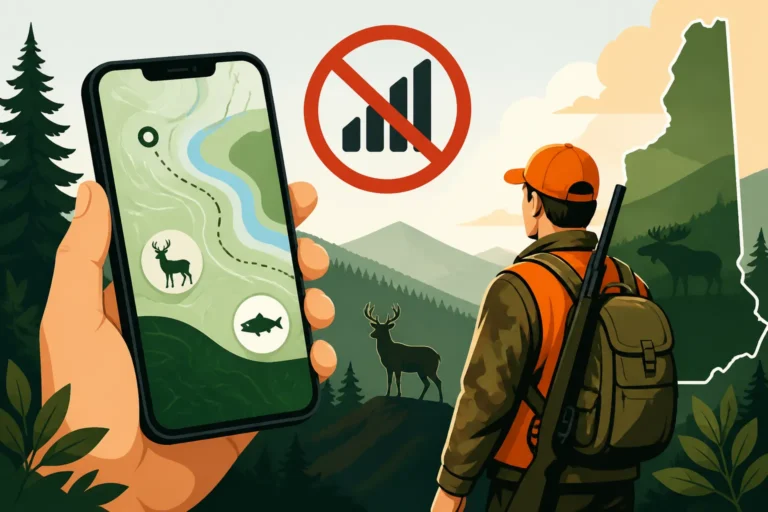
However, this expansive wilderness also presents unique challenges. Terrain can be incredibly steep and demanding, making long drags or packing out an animal a monumental task. Weather can change in an instant, even in early fall, going from sunny and mild to cold and wet with little warning. Navigation requires skill and reliable tools, as cell service is often nonexistent in the backcountry. Hunters must be self-sufficient and prepared for any eventuality. It’s not a place for the faint of heart or the ill-prepared, but the rewards can be immense, both in terms of game and the sheer wilderness experience.
Navigating Regulations and Access Points
Hunting in the WMNF falls under both federal and state regulations, which can sometimes be a little confusing. Generally, New Hampshire Fish and Game laws apply, but there are specific National Forest rules regarding things like camping, vehicle use, and fire. Access is typically via designated forest roads, many of which are gated and closed to vehicles during certain times of the year, requiring you to hike or bike in. This can limit access for some, but it also creates those less-pressured areas for those willing to walk.
It's crucial to understand where you can park, where you can drive (if at all), and any restrictions on overnight stays. For example, Camping Rules on White Mountain National Forest Land dictate specific distances from roads and water bodies for dispersed camping, which is important if you're planning a multi-day hunt. Digital mapping tools like onX Hunt or GoHunt are absolutely invaluable here. They allow you to see forest boundaries, roads, trails, and even potential remote campsites, all overlaid on detailed topography. Before you even step foot in the woods, you can use these apps to scout potential entry and exit routes, identify promising terrain features like saddles or benches, and verify the public land status of your chosen area. Getting to know the specific district ranger station that manages your chosen hunting area can also be a huge help, as they often have the most up-to-date information on road closures or other local conditions.
State-Managed Lands: Forests, Parks, and Wildlife Management Areas
Beyond the vast federal lands, New Hampshire also manages a significant amount of public ground that offers diverse hunting opportunities. These state-level properties range from large forests to smaller, game-focused management areas, each with its own character and rules.
New Hampshire State Forests and Reservations
New Hampshire's State Forests and Reservations collectively offer hundreds of thousands of acres open to hunting, spread across various regions of the state. These lands are managed by the New Hampshire Division of Forests and Lands and often consist of working timberlands, which means active logging can create excellent habitat for deer, bear, and grouse. Areas like Cardigan State Forest or Pawtuckaway State Park (which is actually a state park, but managed similarly in terms of forest resources) offer different terrain, from rolling hills to steeper, rockier sections.
Hunting in these state forests often feels a bit different than the WMNF; they might be less remote but still offer plenty of room to roam. You’ll frequently encounter a mix of hardwoods and softwoods, old logging roads, and younger regeneration. Understanding how to Hunting a State Forest Logging Road can be a game-changer, as these often act as natural travel corridors for game and provide easier access into otherwise thick areas. Always consult the specific state forest's regulations, as some might have unique rules for certain areas, especially near recreation sites. The beauty of these areas is their accessibility; often, they're closer to population centers than the deep woods of the Whites, making them ideal for day hunts or shorter trips.
Wildlife Management Areas WMAs and Their Purpose
New Hampshire's Wildlife Management Areas (WMAs) are specifically managed by the New Hampshire Fish and Game Department with wildlife habitat and public recreation, including hunting, as primary goals. While generally smaller than the WMNF or larger state forests, these areas are often incredibly productive for game. They are strategically located throughout the state, often protecting crucial wetlands, river corridors, or significant upland habitat. Examples include the Contoocook Marsh WMA or the Great Bay WMA, each offering distinct habitat types.
These WMAs are designed to provide and enhance habitat, which directly translates to better hunting opportunities. Management activities might include controlled burns, timber harvests, or planting specific food sources to benefit various game species. For waterfowl hunters, WMAs with extensive wetlands can be goldmines, while others might be managed more for deer or upland birds. Given their dedicated purpose, New Hampshire Wildlife Management Areas are generally very hunter-friendly, but they might have specific access points or parking areas to help concentrate use and protect sensitive habitats. It’s always a good idea to check the Fish and Game website for detailed maps and specific rules pertaining to each WMA.
State Parks: Opportunities and Restrictions
State Parks in New Hampshire are a bit of a mixed bag for hunters. While some are completely closed to hunting due to high recreational use or specific conservation designations, many others do allow it, often with specific regulations to ensure public safety. For example, large parks like Pisgah State Park or Bear Brook State Park offer significant huntable acreage. However, within these parks, you might find areas immediately surrounding picnic grounds, campgrounds, or popular hiking trails that are designated as safety zones where hunting is prohibited.
This is where the "huntable" nuance truly comes into play. You might see a large green area on a map labeled "State Park," but you need to dive deeper to find the precise boundaries for hunting. This often means consulting the official park maps or regulations. Some parks may even implement special draw hunts or archery-only seasons to manage deer populations effectively while minimizing conflicts with other users. Always look into New Hampshire State Park Hunting Rules for the specific park you are interested in. A quick call to the park office or checking their online resources can save you a wasted trip and avoid potential violations.
Smaller, But Significant: Town Forests and Conservation Easements
While the federal and state lands dominate the discussion of public hunting, it's a mistake to overlook the contributions of town-managed lands and properties protected by conservation easements. These often provide critical hunting access, particularly in more developed parts of the state.
The Role of Local Town Forests
Many towns across New Hampshire own parcels of land, often referred to as "town forests" or "municipal conservation lands." These can range from a few dozen acres to several hundred, and while they might not be as vast as the White Mountain National Forest, their proximity to communities can make them incredibly valuable to local hunters. The rules for hunting on town forests vary widely from one municipality to another. Some towns enthusiastically welcome hunters as part of their land management strategy, while others may have strict ordinances against it or limit it to certain seasons or weapons.
These parcels often feel like a well-kept secret, providing quiet corners amidst more developed areas. When considering Hunting a Town Forest Parcel, it is absolutely essential to check with the town clerk's office or the local conservation commission for their specific regulations. Don't assume anything. Some towns might require a permit, others might just have certain times of year or methods of take allowed. These smaller tracts, however, can be excellent for scouting and offer convenient access, especially for bowhunters or small game hunters looking for a quick outing close to home. They can be overlooked by hunters focusing solely on larger federal or state lands, making them potentially less pressured.
Hunting on Conservation Easement Properties
Conservation easements are a truly fascinating and increasingly important aspect of public access in New Hampshire. These are legal agreements where landowners voluntarily restrict development on their property to protect natural resources, often in exchange for tax benefits or direct payments. Crucially for hunters, many of these easements are held by land trusts or the state, and a significant number explicitly allow public access, including hunting. These properties can be anything from vast tracts of working forest to smaller, sensitive habitats.
The challenge with conservation easements is that they are not always clearly marked, and public access provisions can vary considerably from one easement to another. Some might allow unlimited public access, while others might have restrictions (e.g., foot traffic only, no motorized vehicles, specific parking areas). To find these opportunities, you often need to consult the websites of land trusts like the Society for the Protection of New Hampshire Forests or the New Hampshire Fish and Game Department's own conservation lands listings. When you identify a potential area, confirming the specific public access rules for Hunting a Land Trust Easement Property is paramount. These lands often connect larger blocks of public land or protect critical wildlife corridors, making them invaluable for maintaining healthy game populations and providing diverse hunting experiences.
Mapping Your Strategy: Finding and Utilizing Public Land Resources
Knowing that there are millions of acres of public land is one thing; knowing exactly where they are and how to hunt them effectively is another. Thankfully, modern tools and good old-fashioned scouting make this easier than ever.
Essential Digital Tools for Public Land Hunters
In today's hunting world, digital mapping applications are no longer a luxury; they're a necessity, especially when trying to navigate the patchwork of public and private land in New Hampshire. Apps like onX Hunt have revolutionized how hunters approach public land, providing layers that clearly delineate property boundaries, public land ownership, and even things like timber cuts or topographic features. With onX Layers for New Hampshire Land Status, you can see exactly where public land ends and private land begins, helping you avoid accidental trespass and maximize your time on legal hunting ground.
Other platforms like GoHunt also offer robust mapping features, often coupled with research tools that can provide insights into specific units or game populations. These tools are fantastic for pre-season scouting from your couch, allowing you to identify potential access points, pinpoint likely game corridors, and even check out the terrain without ever leaving home. They often work offline too, which is critical in New Hampshire's backcountry where cell service is notoriously spotty. The ability to download maps for offline use means you'll have detailed information even deep in the White Mountain National Forest or a remote WMA. Pairing this with the New Hampshire Fish and Game app can provide comprehensive information right at your fingertips.
The Importance of On-the-Ground Scouting
While digital maps are an incredible starting point, they are never a substitute for boots-on-the-ground scouting. The most detailed map cannot tell you about current sign, recent logging activity, specific water sources, or the subtle nuances of game movement that you can only learn by being there. After using your mapping app to identify promising areas, you need to hit the woods. This involves looking for deer trails, rubs, scrapes, and bedding areas. It means understanding how wind and thermals will affect game movement in specific terrain, especially in the steep granite hills.
Good scouting also helps you find ground that other hunters might overlook. Often, the best hunting isn't directly off the main road or trail but requires a bit of a hike or a willingness to explore thicker, less appealing cover. When you are scouting, always be mindful of Finding New Hampshire Property Lines – even with digital maps, walking the physical boundaries helps you confirm access and avoid any issues. Pay attention to natural funnels, pinch points, and food sources that may not be obvious from an aerial view. This combination of digital reconnaissance and physical scouting is the most effective way to turn those millions of public acres into successful hunting opportunities.
| Public Land Type | Approximate Acreage (NH Portion) | Key Characteristics & Hunting Notes |
|---|---|---|
| White Mountain National Forest | 800,000+ acres | Vast, rugged, remote; federal/state regs; excellent for big game, small game, moose (by permit); requires robust navigation and self-sufficiency. |
| New Hampshire State Forests | ~170,000 acres | Managed timberlands, varied terrain; generally good access; opportunities for deer, bear, grouse; check local rules for specific forest units. |
| Wildlife Management Areas (WMAs) | ~60,000 acres | Managed primarily for wildlife habitat; often smaller but highly productive; excellent for waterfowl, deer, turkey; specific access points and potentially higher hunter density due to habitat focus. |
| New Hampshire State Parks | Varied, significant | Mixed bag; some areas open to hunting, others restricted for public safety/recreation; always verify rules for specific park units, often has designated hunting zones or seasons. |
| Town Forests | Varied, often smaller | Local municipal ownership; rules highly variable by town; can be good for close-to-home hunting; essential to check with town clerk or conservation commission for specific ordinances. |
| Conservation Easements | Significant, growing | Private land with public access agreements; access rules vary by easement; research land trust or NH Fish & Game websites; can provide critical connections and less-pressured areas. |
Remember, the true richness of New Hampshire's public hunting land isn't just in the numbers, but in the diversity of habitats and experiences it offers. From the high peaks of the Whites to the beaver flowages of the WMAs, there's a challenge and an opportunity for every hunter willing to seek it out.
Disclaimer
This article is for general informational purposes only and does not constitute professional advice. Laws, prices and regulations vary by location and change over time. Consult a qualified professional for guidance on your specific situation.