Getting Private Land Permission in New Hampshire
Hunting in New Hampshire often feels like a constant puzzle, especially when you start dreaming beyond the well-trodden paths of public land. While our White Mountain National Forest and various Wildlife Management Areas offer incredible opportunities, they can also come with a fair share of company, especially during peak seasons. That feeling of wanting a little more solitude, a slice of unpressured ground where you can truly connect with the landscape and the game, is incredibly common. This comprehensive guide is here to walk you through the often-intimidating process of getting private land permission in New Hampshire, helping you unlock new hunting possibilities and build respectful, lasting relationships with landowners.
Why Private Land is a Game Changer in New Hampshire
Let's be honest, there's a certain magic to stepping onto ground that hasn't been saturated with boot tracks and hunter scent every weekend. The appeal of private land in New Hampshire isn't just about exclusivity; it's about the quality of the experience, the potential for better encounters, and the chance to become intimately familiar with a specific parcel of land. It truly can feel like unlocking a secret level in the hunting game, transforming your approach and success rates.
The Allure of Unpressured Ground
Think about your last hunt on public land. Chances are, you saw other trucks parked at the access points, heard distant shots, or stumbled upon old stands. While that's just part of hunting accessible areas, it inevitably means the deer, bear, and turkeys are warier, more nocturnal, and often pushed into thicker, harder-to-reach cover. They've learned to avoid humans, and for good reason. On private land, especially parcels that aren't heavily hunted, the game can be significantly less pressured. They might follow more predictable patterns, move more freely during daylight hours, and be more responsive to calls or less cautious around blinds. This isn't to say private land is a guaranteed slam dunk, but it certainly tips the odds in your favor for a more relaxed and potentially more successful hunt. It allows for a different kind of scouting and a more natural interaction with the wildlife, letting you focus on the hunt itself rather than navigating other hunters' movements.
Superior Habitat and Management Potential
Many private landowners in New Hampshire actively manage their property, whether it's for timber, agriculture, or simply maintaining their homestead. This management often inadvertently, or sometimes intentionally, creates incredible wildlife habitat. Think about old apple orchards, brushy clear-cuts, forgotten hayfields, or even just well-maintained woodlots that provide varied cover and food sources. These areas can be absolute magnets for game. Furthermore, if you establish a good relationship, some landowners might even be open to discussing habitat improvements that benefit both their property and your hunting efforts. Imagine suggesting a small food plot in an unused corner, or helping hinge-cut some trees to create bedding cover – it's a win-win scenario that’s rarely possible on public ground. Knowing you have consistent access to a piece of land year after year allows you to track deer movement, understand travel corridors, and truly learn the land in a way that intermittent public land visits just don't allow.
Building Relationships and Trust
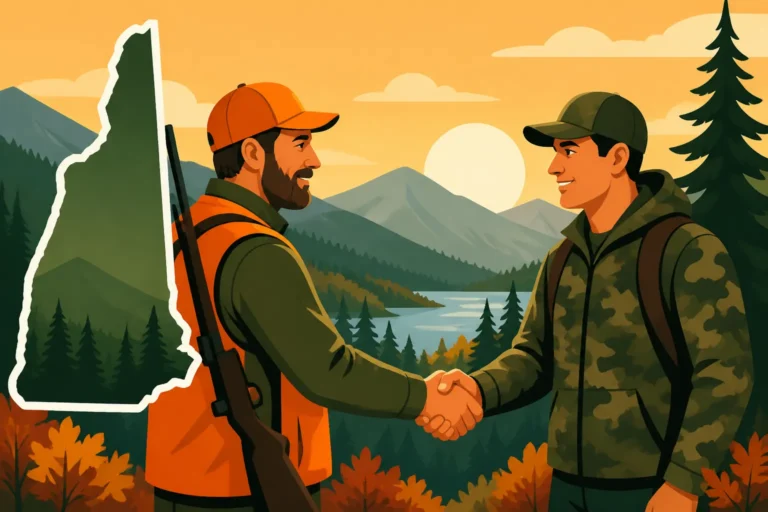
Beyond the immediate hunting benefits, securing private land permission is about forging connections within the community. When you gain permission, you're not just getting access to land; you're often building a relationship with a fellow Granite Stater. These relationships can extend beyond hunting season, leading to lasting friendships, shared experiences, and a deeper appreciation for rural life. Many successful private land hunters in New Hampshire will tell you that the annual visit to "check in" with the landowner, offer help, or just share stories, is as much a part of the hunting tradition as the hunt itself. This mutual respect and trust are invaluable. A handshake agreement can be a powerful bond, and maintaining that trust ensures you and potentially future generations continue to enjoy access to that special piece of land.
Understanding New Hampshire's Trespass Laws and Hunter Responsibilities
Before you even think about knocking on a door, it's absolutely crucial to understand the legal framework surrounding private land access in New Hampshire. Our state has clear rules, and respecting them is the bedrock of responsible hunting and successful permission-seeking. Ignorance of the law is never an excuse, and burning bridges by trespassing is the quickest way to sour your reputation and future opportunities.
The Ins and Outs of "Posted" Land
In New Hampshire, the concept of "posted" land is vital. While many states require explicit posting to prohibit hunting or trespass, New Hampshire generally operates under the principle that private land is not open for hunting unless you have permission from the landowner. The presence or absence of "No Trespassing" signs can be a bit of a red herring; if it's private land and not public, you need permission. However, land can be legally "posted" with signage, which serves as a very clear and explicit warning. These signs usually contain specific language regarding trespassing and are placed at certain intervals around the property boundary. If you see signs like "No Trespassing," "No Hunting," or "Private Property," it's a clear signal to stay off. Even if you've had verbal permission in the past, seeing new signs might indicate a change in the landowner's policy, and it's always best to clarify. It’s also important to remember that just because a property isn't posted doesn't mean you can wander onto it. The burden of obtaining permission falls squarely on the hunter. For more details, it's always wise to review the current New Hampshire Posted Land Rules directly from official sources.
Implied Consent vs. Express Permission
This is where New Hampshire's approach differs from some other states, and it's essential for hunters to grasp. In many places, if land isn't specifically posted, it might be considered open for certain activities under a concept of "implied consent." Not so in New Hampshire for hunting. When it comes to hunting on private land, express permission is almost always required. This means you need direct, clear authorization from the landowner or their authorized agent. A casual wave from afar isn't enough. You need to have that conversation, get that "yes," and ideally understand the specifics of that permission. The best practice is to always assume land is closed to hunting unless you have been explicitly told otherwise. This might seem like an extra step, but it protects you legally and shows immense respect for private property rights, which landowners truly appreciate. Don't risk a misunderstanding or a fine; take the time to secure that direct green light. Do You Need Written Permission in New Hampshire? delves further into this topic.
Respecting Landowner Rights and Property
This isn't just about avoiding legal trouble; it's about being a decent human being and a responsible hunter. When a landowner grants you permission, they are extending a significant privilege. Your actions directly reflect on all hunters. This means:
- Leaving No Trace: Pack out everything you pack in. Don't leave trash, spent casings, or any signs of your presence. The land should look exactly as it did when you arrived, if not better.
- Respecting Boundaries: If the landowner shows you the boundaries, stick to them. Don't let your game retrieval or pursuit inadvertently take you onto a neighbor's property without additional permission.
- Avoiding Damage: Be mindful of fences, gates, crops, and landscaping. Close gates behind you, don't drive through fields unless given explicit permission, and park where instructed.
- Noise and Disturbance: Be respectful of the landowner's home, family, and neighbors. Keep noise to a minimum, especially early in the morning or late in the evening.
- Safety First: Always follow all hunting safety rules, especially when on someone else's property, and be acutely aware of any structures or livestock.
By adhering to these principles, you not only ensure your own access but also help maintain a positive image of hunters in the community, making it easier for others to gain permission in the future.
Researching Potential Private Land Opportunities
Finding that perfect piece of private land isn't just about driving around hoping for a "Hunting Welcome" sign. It requires a bit of detective work, smart use of technology, and some good old-fashioned community engagement. You're looking for an intersection of good habitat, potential game presence, and a landowner who might be open to the idea of a responsible hunter.
Utilizing Mapping Tools and Technology
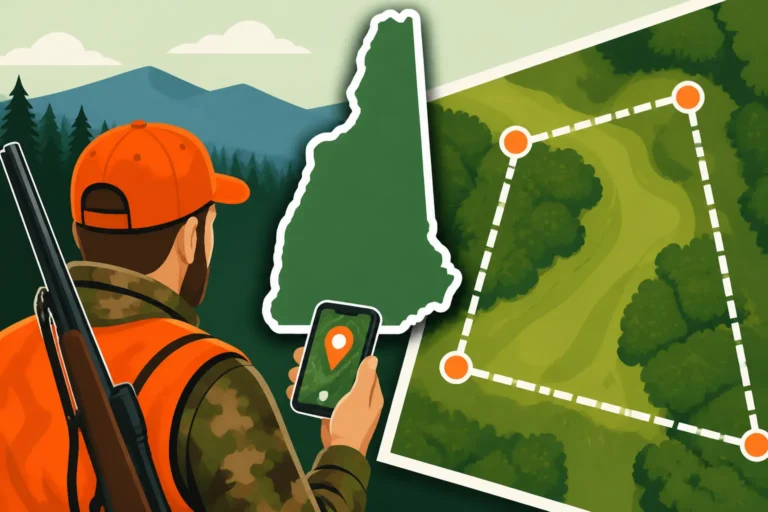
In this day and age, mapping apps are your absolute best friend for identifying private land opportunities. Services like onX Hunt have revolutionized how hunters scout and identify property owners. With a few taps on your phone, you can see property lines, landowner names, parcel sizes, and often even contact information. This is incredibly powerful.
Here's how to use it effectively:
- Identify Promising Areas: Start by looking at areas adjacent to public land, or parcels that seem to have good cover, water sources, or agricultural fields. Look for natural funnels, ridges, or thickets that might hold deer. Reading Aerial Photos for North Country Deer can help with this.
- Pinpoint Landowners: Once you find a promising parcel, the app will give you the landowner's name. This eliminates guesswork and ensures you're talking to the right person.
- Check for "No Hunting" Markers: Some apps also incorporate public "no hunting" or "no trespassing" markers, which can save you a wasted trip.
- Analyze Topography and Access: Use the satellite and topo layers to understand the terrain, potential access points, and how game might move through the property.
While tools like onX Hunt are incredibly valuable for onX Layers for New Hampshire Land Status and Finding New Hampshire Property Lines, remember that they are just a starting point. The app won't get you permission; it just tells you who to ask. GoHunt is another excellent platform that can assist with detailed mapping and land ownership data, further refining your scouting efforts and helping you identify optimal hunting spots even before you step foot on the ground.
Old-School Scouting and Observation
Even with all the digital tools, there's no substitute for getting out and observing. Drive or walk quiet back roads during the off-season. Look for:
- Sign: Even from a distance, you might spot deer trails crossing a field edge, rub lines along a woodlot, or turkey scratching in an old pasture.
- Habitat: Identify areas with dense cover, food sources like abandoned apple trees, or water. Does it look like a place wildlife would naturally congregate?
- Access: Note potential parking areas and points where you could discreetly access the property without disturbing residents.
- Landowner Activity: Does the property look well-maintained? Are there signs of active farming or logging? A well-kept property often indicates an engaged landowner.
This type of reconnaissance helps you build a mental map and understand the flow of the land. It also gives you concrete things to talk about when you eventually speak with the landowner, demonstrating that you've done your homework and are genuinely interested in their property, not just any random patch of woods. It’s particularly effective for Hunting Small Private Tracts in New Hampshire which might be overlooked by others.
Local Knowledge and Networking
Sometimes, the best intelligence comes from local folks. Don't underestimate the power of community.
- Visit Small Town Businesses: Stop by the local general store, diner, or hardware shop. These places are often hubs of local information. Casually strike up conversations. You might hear about a farmer who has deer problems, or a landowner who used to let hunters on their property but hasn't had anyone ask in years.
- Ask Around (Respectfully): If you know someone in the area, ask if they know of any landowners who might be open to granting permission. Be discreet and respectful, avoiding specific names or properties unless offered.
- Community Boards: Check local bulletin boards at town halls or general stores. Occasionally, you might find notices from landowners looking for hunters to help with nuisance animals, or just offering access.
Networking isn't about being pushy; it's about being friendly, respectful, and open to casual conversation. You're not overtly asking for access initially, but rather gathering information and building a positive presence within the community. Sometimes, an indirect connection can lead to a direct permission much more easily than a cold call. This is essentially Knocking on Doors in New Hampshire Farm Country, but starting a little softer.
Crafting Your Approach: How to Ask for Permission
This is perhaps the most nerve-wracking part of the process, but also the most critical. How you approach a landowner can make all the difference between a polite "no" and a resounding "yes." It's not just about what you say, but how you present yourself, your timing, and your understanding of their perspective.
The Initial Contact
First impressions are everything. You want to present yourself as responsible, respectful, and trustworthy.
- Dress Appropriately: You don't need to be in full camo, but neat, clean, and respectable clothing is key. Avoid anything too casual or sloppy. You're making a business inquiry, in a sense.
- Timing is Crucial: Don't show up at dinner time, too early in the morning, or late in the evening. Weekday afternoons or weekend mid-mornings often work best when people are likely to be home and not rushed. Avoid hunting season openers when landowners might be inundated with requests or busy themselves. The off-season (late winter, spring, summer) is often the best time to make initial contact, as it gives you time to build rapport before the rush.
- Be Polite and Brief: Start with a simple, "Hello, my name is [Your Name], and I was hoping to speak with the landowner for just a moment." If they're busy, offer to come back at a more convenient time. Always respect their schedule.
Remember, you're a stranger on their property. Being approachable, patient, and considerate from the first moment sets a positive tone.
What to Say and How to Present Yourself
Once you have their attention, your "pitch" needs to be clear, concise, and focused on demonstrating your responsibility.
- Introduce Yourself and Your Purpose: "Hello, Mr./Ms. [Landowner's Last Name], my name is [Your Name], and I'm a local hunter (or from X town if you're not local). I was driving by/noticed your property on a map and it looks like a wonderful piece of land. I'm respectfully seeking permission to hunt deer/turkey (be specific!) on your property."
- Highlight Your Responsibility: Emphasize that you are a safe, ethical, and respectful hunter. Mention your hunter education, insurance (if you have it), and your commitment to safety.
- Explain Your Hunting Style: Are you a bowhunter who sits quietly in a stand? A still-hunter? A muzzleloader enthusiast? Let them know. "I mostly bowhunt, so I'm very quiet and primarily hunt from a treestand."
- Offer Specifics (but be flexible): Be prepared to discuss exactly what you'd like to hunt, when, and how. "I'm primarily interested in deer hunting in the archery season. I would only be here a few times a week, usually at dawn and dusk."
- Be Observant and Compliment (Slightly): A genuine compliment about their property can go a long way. "You have a beautiful property, and I've noticed some excellent deer sign along the edge of your woods."
- Provide Contact Information: Offer them your phone number and email. "Here's my card/number, please feel free to call me if you have any questions or concerns."
Avoid sounding entitled or making demands. You are asking for a favor, and your demeanor should reflect that. Be a good listener, too; let them express their concerns without interruption.
Addressing Landowner Concerns
Landowners often have very legitimate concerns, and addressing them proactively can significantly increase your chances of getting permission. Common concerns include:
- Liability: Many landowners worry about a hunter getting hurt on their property. New Hampshire has statutes that offer some protection to landowners who allow recreational use of their land for free. You can mention this, or offer to sign a liability waiver if they're comfortable with that.
- Property Damage: Assure them you will be extremely careful with fences, gates, crops, and any structures. Offer to help repair any accidental damage.
- Safety of Family/Pets/Livestock: Explain your commitment to safe firearm handling, identifying targets, and knowing your backstop. Assure them you will stay clear of their home, barns, and any areas where people or animals might be.
- Poaching/Unethical Behavior: Emphasize that you are an ethical hunter who respects game laws and will report any suspicious activity you might observe. "I'm not interested in just taking any animal; I'm here to hunt ethically and responsibly, and I would never tolerate poaching on your land."
- Noise and Disturbance: Reiterate that you will be quiet, respectful, and mindful of their daily life.
- Too Many Hunters: If they've had bad experiences with too many hunters, assure them you're only seeking access for yourself or a very small, trusted group.
The key is to listen to their concerns without getting defensive and to offer clear, reassuring solutions. Your job is to demonstrate that you'll be a responsible guest and that granting you permission will be a positive, not a negative, experience for them.
Formalizing Permission and Setting Expectations
Once you've had that initial positive conversation, it's essential to move toward a clear understanding of the terms of your access. Even if it's just a verbal agreement, clarity prevents misunderstandings down the road. This isn't about being overly formal, but about ensuring everyone is on the same page.
Written Agreements and What to Include
While New Hampshire doesn't always require written permission for hunting on private land, having a simple written agreement is highly recommended. It protects both you and the landowner by documenting the specifics of your agreement. It doesn't have to be a legalistic document; a simple letter or email confirmation can suffice.
Here are key elements to include:
- Names and Contact Information: Your name and the landowner's name, along with phone numbers and emails.
- Property Description: A clear description of the land parcel, perhaps with a map marking the exact boundaries of where you're allowed to hunt.
- Duration of Permission: Is it for a specific season, a calendar year, or ongoing until revoked?
- Species and Method: What animals are you allowed to hunt, and with what methods (e.g., archery only, firearms, muzzleloader)?
- Dates and Times: Are there any restrictions on when you can hunt (e.g., specific days of the week, dawn/dusk only)?
- Access Points and Parking: Where are you allowed to enter the property and park your vehicle?
- Specific Rules/Restrictions: Any other requests from the landowner (e.g., "no hunting near the house," "stay out of the back pasture," "call before you come").
- Game Retrieval: How are you expected to retrieve downed game? Are you allowed to use an ATV or vehicle, or is it strictly foot traffic? Retrieving Game From Private Land in New Hampshire is an important consideration.
- Guest Policy: Are you allowed to bring a guest? If so, do they also need to be named on the permission?
- Liability Waiver: If the landowner requests it, a simple liability waiver acknowledging your understanding of the risks involved.
This document serves as a reference point for both parties and can prevent awkward conversations later. While Do You Need Written Permission in New Hampshire? explores the legal specifics, having something in writing is always the best practice for clarity and peace of mind.
Discussing Specifics
Beyond the formal aspects, a thorough conversation about the practicalities of hunting on their land is essential. Think through all the potential scenarios.
- Boundaries: Walk the property lines with the landowner if possible. If not, make sure you have a clear understanding using a mapping app like onX Hunt. There's nothing worse than inadvertently crossing onto a neighbor's property and causing an issue.
- Access Points & Parking: Where can you drive? Where should you park? Is there a specific gate you should use? Do you need to lock a gate behind you?
- No-Go Zones: Are there areas near their home, barns, or sensitive areas where they absolutely do not want you? Respect these without question.
- Game Retrieval: This is a big one. What if you shoot a deer and it runs onto a neighbor's property? Discuss the process for tracking and retrieving game, especially if it might require entering adjacent land. Also, how will you get the animal out of their property? Dragging, using a game cart, or is vehicle access allowed in certain areas for retrieval?
- Communication Protocol: How and when should you communicate? Should you text before you arrive? Call after you leave? Let them know if you see anything unusual on their property, like trespassers or downed trees.
- Weapon Types: Ensure the weapons you plan to use are acceptable to them, especially if they have concerns about noise (e.g., loud firearms versus quieter archery equipment).
Being proactive in discussing these details shows you are thoughtful, responsible, and genuinely concerned about being a good guest.
Offering Value to the Landowner
This is where you move from merely asking for permission to earning it and making it a reciprocal relationship. Think about what you can do for them, not just what they can do for you.
- Offer to Help with Chores: Many landowners, especially those with larger properties, could use an extra set of hands. Offer to help stack firewood, fix a fence, clear brush, or even just check on their property when they're away. "I'm pretty handy; if you ever need an extra hand with anything on the property, just let me know."
- Share Your Harvest: A common courtesy and a great way to build goodwill is to offer some of the venison or turkey breast from your successful hunt. This can be particularly appealing to non-hunting landowners.
- Property Watch: Offer to keep an eye on their property for anything suspicious – trespassers, suspicious vehicles, or anything out of the ordinary. This can provide a sense of security, especially if they're away often.
- Trail Maintenance: If you'll be using trails, offer to keep them clear of blowdowns or maintain them.
- Respectful Presence: Simply being a respectful, quiet, and trustworthy presence on their land is valuable in itself. Knowing who is on their land and that they are reliable can be a huge peace of mind for a landowner.
By offering to give back, you demonstrate that you value their land and their generosity. This transforms the relationship from a one-sided request into a partnership, which is the foundation for long-term hunting access.
Maintaining the Relationship: Being a Responsible Guest
Getting permission is a huge first step, but keeping it is just as important. Your actions throughout the season and beyond will determine if you're invited back year after year. Think of it as cultivating a friendship rather than just conducting a transaction. A positive, ongoing relationship ensures both parties benefit.
Communication is Key
Don't go dark after you get permission. Regular, respectful communication is vital.
- Call/Text Before You Hunt: Always let the landowner know when you plan to be on their property. A quick text like, "Good morning, Mr. Smith, heading in for a bowhunt this morning, just wanted to let you know. Will be out by 9 AM," is a simple courtesy that goes a long way. It allows them to know who is on their land and when, providing peace of mind.
- Report Observations: Share interesting wildlife observations (e.g., "Saw a great buck in the north field today," or "Noticed a lot of turkeys scratching by the old stone wall"). This shows you're engaged and can even provide valuable information for them.
- Inform Them of Success: If you harvest an animal, let them know! Offer to show them the animal (if appropriate) and reiterate your thanks.
- Address Issues Promptly: If you notice a downed fence, a suspicious vehicle, or any other issue, inform the landowner immediately. You're their eyes and ears on the property.
Good communication builds trust and demonstrates that you are a reliable and engaged presence, not just someone who shows up when they want something.
Following Through on Promises
Every agreement, whether verbal or written, comes with expectations. It's imperative that you consistently meet and exceed these.
- Adhere to All Rules: Stick to the agreed-upon boundaries, access points, hunting methods, and times. If they said no ATVs, then don't even think about it. If you said you'd only hunt archery, don't show up with a rifle.
- Leave No Trace: Always pack out all your trash, including spent casings, food wrappers, and anything else you brought in. Leave gates as you found them (open or closed). This goes beyond basic courtesy; it’s a commitment to respecting their land.
- Be Mindful of Their Schedule: If they ask you to avoid certain areas during specific times (e.g., when they're having guests or working in a field), honor those requests without complaint.
- Clean Up After Yourself: If you build a ground blind or put up a treestand, ensure it's removed at the end of the season unless you have explicit permission to leave it.
- Hunt Ethically: Always follow all New Hampshire Fish and Game laws. Your ethical conduct reflects directly on the landowner and their decision to grant you access.
Consistently demonstrating your reliability and respect solidifies their trust in you and ensures their continued willingness to grant permission.
Giving Back and Showing Gratitude
A simple "thank you" goes a long way, but actions speak louder than words.
- Offer Help (Again): Periodically, especially during the off-season, reach out and offer to help with chores. "Hey Mr. Smith, just wanted to check in. I'm free next Saturday if you need any help with brush clearing or anything around the property."
- Small Tokens of Appreciation: A gift certificate to a local restaurant, a pie from a local bakery, or even just bringing them some fresh produce from your own garden can be a wonderful gesture of thanks around the holidays or at the end of the season.
- Share Your Harvest: As mentioned before, sharing venison is a classic way to show appreciation. Not only does it provide them with delicious, healthy meat, but it also shares the bounty of their land with them.
- Send a Thank You Card: In an age of digital communication, a handwritten thank you card at the end of the season is a personal touch that truly stands out.
- Be a Good Neighbor: If you live nearby, offer to lend a hand with unexpected issues. If they see you as a valuable member of the community, they're much more likely to continue your hunting access.
Building and maintaining a positive relationship with a landowner is an ongoing process. It’s about mutual respect, trust, and a willingness to be a good steward of their land and a good neighbor.
Troubleshooting and Common Challenges
Even with the best intentions, seeking and maintaining private land permission can present its share of hurdles. It's not always smooth sailing, and knowing how to navigate rejections or misunderstandings gracefully is a skill in itself.
Dealing with Rejection Gracefully
It's going to happen. You'll knock on doors, make calls, or send letters, and sometimes the answer will be a polite, or not-so-polite, "no." This can be frustrating, especially when you've put in the effort, but how you handle it is crucial.
- Accept It Without Argument: Never, ever argue with a landowner who denies permission. Their property, their rules. A simple, "I understand completely, thank you for your time," is the only appropriate response.
- Don't Ask Why (Unless Offered): Don't press them for a reason. If they volunteer one ("I had a bad experience once," or "My grandkids hunt here"), listen respectfully. But don't demand an explanation.
- Leave a Positive Last Impression: Even in rejection, be courteous. You never know; circumstances might change down the road, or they might recommend you to a neighbor if you left a good impression. Burning a bridge helps no one.
- Move On: There are other landowners, other opportunities. Don't dwell on a "no." Learn from the experience if you can (e.g., "Maybe I showed up at a bad time"), but then refocus your efforts elsewhere.
Remember, a "no" isn't a personal attack. It's simply a landowner exercising their right, and respecting that is paramount.
Navigating Multiple Hunters on the Same Property
Sometimes, you might discover that a landowner has already granted permission to other hunters. This can be a tricky situation to manage.
- Clarify Expectations: If you're granted permission but learn others also hunt there, have a clear conversation with the landowner about how they manage access. Do they have a rotation? Do they prefer different hunters use different areas?
- Respect Other Hunters: If you encounter other hunters on the property, be courteous and respectful. Introduce yourself, explain you also have permission, and coordinate if necessary (e.g., "I'm planning to sit the north end today, are you heading anywhere specific?").
- Safety First: Always prioritize safety. Be acutely aware of where other hunters might be. Communication with the landowner can sometimes help facilitate communication among hunters, though that's not always the landowner's role.
- Reconsider if Overcrowded: If the property feels too crowded or you're constantly running into others, you might need to re-evaluate if it's the right fit for your hunting style, even with permission. The goal of private land is often solitude, which is negated if it's over-hunted.
This situation highlights the importance of open communication with the landowner from the outset.
Unexpected Changes and Misunderstandings
Things change. A landowner might sell their property, new family members might move in, or they might simply have a change of heart about allowing hunting. Misunderstandings can also arise despite your best efforts.
- Be Flexible and Understanding: If a landowner needs to revoke or change permission, be understanding. They don't owe you anything. Acknowledge their decision and reiterate your thanks for the time you had.
- Clarify Misunderstandings Calmly: If a misunderstanding arises (e.g., "I thought you said I could park here," or "I didn't realize that was off-limits"), address it calmly and respectfully. Apologize if you made a mistake, and seek clarification on the new or corrected rule.
- Don't Take it Personally: Landowners have many things to balance. Sometimes, decisions are made for reasons completely unrelated to you. Keep a thick skin and focus on maintaining a positive relationship, even if access is lost or altered.
- Always Ask for Updates: If you haven't spoken to the landowner in a while, it's a good idea to check in before the season or your next hunt to ensure nothing has changed. "Just wanted to confirm our plans for the season, is everything still good on your end?"
Navigating these challenges with grace and professionalism will only strengthen your reputation as a responsible and trustworthy individual, which can open doors down the road, even if not on that specific property.
Alternative Private Land Access Options
While directly knocking on doors is often the most personal and rewarding way to gain private land access, it's not the only route. Sometimes, other structured avenues can provide excellent opportunities, especially if you're finding direct requests challenging or you're looking for more extensive access.
Hunting Clubs and Leases
For many hunters, joining a hunting club or contributing to a lease agreement offers a fantastic way to access larger tracts of private land. This model often provides a more formalized structure and can be a great option for consistent access.
- Hunting Clubs: These are often groups of like-minded individuals who pool resources to secure hunting rights on private land. Clubs can vary widely, from informal gatherings of friends to highly organized groups with bylaws and membership fees. Benefits include shared responsibilities (scouting, stand maintenance, habitat work), camaraderie, and access to potentially large, well-managed properties. Downsides can include differing opinions among members, stricter rules, and annual dues. Joining a New Hampshire Hunting Club and New Hampshire Hunting Club Dues and Costs are relevant topics to consider if this path interests you.
- Hunting Leases: This involves paying a landowner a fee for exclusive hunting rights to a specific parcel of land for a set period (usually a year). Leases are typically more common for larger properties, often owned by timber companies, large private estates, or farmers. They offer exclusivity and often the ability to manage the land for wildlife, but come with a significant financial investment. If you're considering this, researching New Hampshire Hunting Lease Prices Per Acre and Finding a New Hampshire Hunting Lease would be your next steps. Both clubs and leases offer the benefit of guaranteed access without the annual uncertainty of seeking individual permission, and often come with rules designed to promote ethical hunting and wildlife management.
Landowner Deer Permits
In some situations, New Hampshire Fish and Game might offer special landowner deer permits (often called "damage permits") to farmers or landowners experiencing significant deer damage to their crops or property. These permits allow for the harvest of antlerless deer outside of regular seasons or in addition to regular bag limits.
- How it Works: Landowners who can demonstrate documented deer damage can apply for these permits. If granted, they often seek hunters to help fulfill the harvest quota.
- Opportunities: This can be a great way to gain access to prime agricultural land that might otherwise be off-limits. It's a win-win: you get to hunt, and the landowner gets help mitigating damage.
- Finding These Opportunities: Keep an ear to the ground in farming communities. Sometimes, landowners will post notices at local stores, or you might hear about opportunities through networking. Contacting New Hampshire Fish and Game directly to inquire about areas with high damage permit issuance might also provide leads. Be sure to understand all the specific rules and regulations associated with New Hampshire Landowner Deer Permit Rules, as these permits often have unique requirements.
Town Forests and Conservation Easements
Beyond state and federal public lands, there are other categories of land that might offer public hunting access, even though they technically originated as private parcels.
- Town Forests: Many towns in New Hampshire own tracts of forested land, managed for timber, recreation, and sometimes, wildlife. While these are technically "public" in the sense of town ownership, they function more like local private land in terms of access and pressure. Rules can vary significantly from town to town, so you must always check with the individual town clerk or forest committee about hunting regulations. Hunting a Town-Owned Conservation Parcel is a good resource for understanding this.
- Conservation Easements: These are agreements where a private landowner places restrictions on their property to protect natural resources, often in exchange for tax benefits. Some conservation easements specifically include provisions for public access for certain activities, including hunting. The land itself remains privately owned, but access is guaranteed for the public under specific terms. Organizations like the Society for the Protection of New Hampshire Forests or local land trusts often hold these easements. Reviewing their public access policies is key. Hunting a Land Trust Easement Property provides more insight into navigating these opportunities.
These alternative options broaden your horizons beyond solely public land or individual landowner requests, providing structured and often consistent avenues for private land hunting in New Hampshire.
Disclaimer
This article is for general informational purposes only and does not constitute professional advice. Laws, prices and regulations vary by location and change over time. Consult a qualified professional for guidance on your specific situation.