New Hampshire State Forest Hunting Rules
It can be incredibly confusing trying to figure out where you can legally hunt in our beautiful state, especially when you start looking past the big, well-known areas like the White Mountain National Forest. Many folks get hung up on what exactly a "state forest" means for a hunter. This guide is here to untangle the New Hampshire State Forest hunting rules, making sure you understand the nuances so you can confidently plan your next outdoor adventure without worrying about breaking a rule you didn't even know existed.
Understanding New Hampshire State Forests and Their Purpose
Let's be real, public land hunting in New Hampshire can feel like navigating a maze. You've got national forests, state forests, wildlife management areas (WMAs), state parks, and even town forests. It's a lot to keep straight! Many hunters wonder if a state forest is just a smaller version of the White Mountain National Forest, or if it's managed specifically for hunting like a WMA. The truth is, they're distinct, and understanding their primary purpose will help you grasp the hunting regulations.
Defining State Forests Versus Other Public Lands
New Hampshire State Forests are managed by the New Hampshire Department of Natural and Cultural Resources (DNCR), specifically through its Division of Forests and Lands. Unlike the vast federal lands of the White Mountain National Forest, which is focused on multiple-use sustained yield for resources and recreation across an enormous contiguous area, our state forests are generally smaller, more scattered parcels. These lands often have a history rooted in timber production, conservation, and local recreation.
They're not quite the same as Wildlife Management Areas (WMAs) either, which are acquired and managed by New Hampshire Fish and Game with the explicit primary goal of wildlife habitat enhancement and public hunting/fishing access. While wildlife certainly thrives in state forests, and hunting is generally permitted, the management focus is often broader, encompassing sustainable forestry, trail systems for hiking and snowmobiling, and watershed protection. This multi-use approach means you'll share the woods with a variety of outdoor enthusiasts, and it informs some of the rules you'll encounter. State Parks, on the other hand, often have very restricted or no hunting at all, focusing instead on intensive recreation like camping and picnicking. Public Hunting Land in New Hampshire is a great resource if you want to dive deeper into the different types of public land available.
Management Goals and Their Impact on Hunting
The primary goals for New Hampshire State Forests typically involve sustainable timber harvesting, protecting ecological diversity, maintaining water quality, and providing diverse recreational opportunities for the public. What does this mean for hunters? Well, it means that while hunting is generally allowed, it's usually not the only or primary activity taking place.
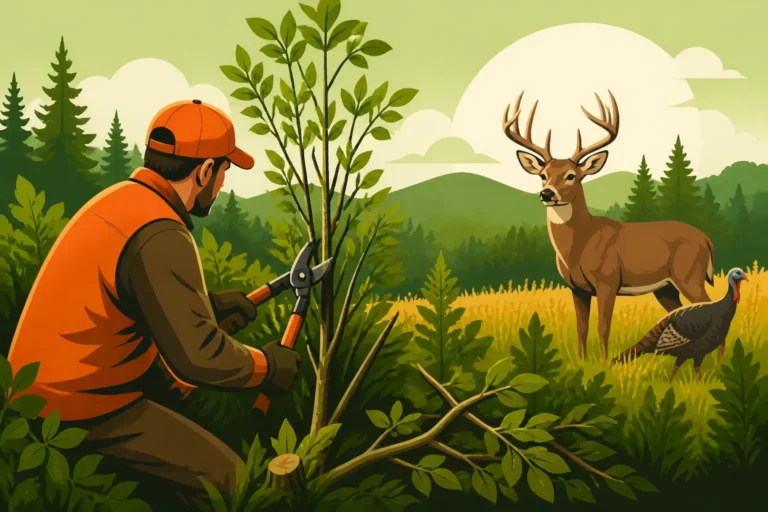
You might find active logging operations, well-maintained hiking trails, mountain biking networks, or equestrian paths within a state forest. These other uses mean hunters need to be extra mindful of safety and courtesy. Timber management, while sometimes a temporary disruption, can actually be beneficial for wildlife by creating diverse age classes of forest, opening up canopy for new growth, and providing early successional habitat that deer, turkey, and small game thrive in. For example, a recently logged block might create excellent browse for deer for several years, or thick cover for rabbits and grouse. Just remember, these are working forests and recreational hubs, not just hunting grounds.
General Hunting Regulations in State Forests
When you step onto a New Hampshire State Forest, remember that you're still bound by all the statewide hunting regulations set forth by New Hampshire Fish and Game. Think of state forest rules as an additional layer, or sometimes an exception, on top of the broader regulations. It's never a bad idea to double-check the current hunting digest before heading out.
Statewide Rules Always Apply
This is the golden rule, folks: your New Hampshire hunting license, species tags, bag limits, season dates, legal weapons, and Blaze Orange Requirements are all still in full effect when hunting in a state forest. You can't just assume anything changes because you're on a state-managed parcel. If the statewide archery season for deer opens on a certain date, it opens on that date in the state forest you're hunting. If the legal shooting hours are half-hour before sunrise to half-hour after sunset, that applies in the state forest too.
Make sure your license is valid, you've completed any necessary New Hampshire Hunter Education Requirements, and you're familiar with the rules for the game you're pursuing. Always carry your license and any required permits with you. Failing to do so can quickly turn a great day afield into a frustrating encounter with a conservation officer.
Specific State Forest Prohibitions and Considerations
While generally open to hunting, some state forests, or specific areas within them, might have particular rules or even outright prohibitions. These are often in place to protect other users, infrastructure, or sensitive natural resources. For instance:
- Safety Zones: Expect areas around developed recreation sites (picnic areas, campgrounds, visitor centers), administrative buildings, or heavily used trailheads to be designated as no-shooting zones. Always respect the New Hampshire Firearms Discharge Setback Rules which dictate how close you can discharge a firearm to a dwelling or occupied building.
- Designated Trails: While you can often cross or hunt near trails, discharging a firearm across a designated trail, especially a heavily used one, is generally discouraged and may be illegal depending on the specific circumstances and local ordinances. Be aware of other trail users like hikers, mountain bikers, and dog walkers.
- Vehicle Access: Most state forests have specific rules about where you can drive and park. Gated logging roads are often common. Do not drive past gates or on unmarked trails. Always park in designated areas and avoid blocking access points.
- No Permanent Stands: Similar to most public lands, installing permanent treestands or blinds that damage trees is usually prohibited. Portable treestands and ground blinds are generally fine, but must be removed at the end of the season or within a specific timeframe. Treestand Rules on New Hampshire Public Land can give you more detail on this.
- Fires and Camping: Check specific state forest rules regarding campfires and overnight camping. While some remote areas might allow primitive camping, others may have strict "no camping" policies or require permits.
The best way to know the specific rules for the state forest you plan to hunt is to check the New Hampshire Department of Natural and Cultural Resources (DNCR) website or call the local forest ranger's office. Don't assume – always verify!
Species and Seasons in New Hampshire State Forests
Our state forests, while not explicitly managed just for hunting, offer fantastic opportunities for a variety of game species. The diverse habitats found within these lands, from mature hardwoods to regenerating clear-cuts and wetland edges, attract different wildlife.
Deer and Turkey Opportunities
White-tailed deer are widely distributed throughout New Hampshire, and state forests are no exception. You can expect to find deer in many of these parcels, especially where there's a good mix of mature timber for cover and mast crops, and younger regeneration for browse. The statewide deer seasons (archery, muzzleloader, and firearms) apply directly. Remember to know your Wildlife Management Unit (WMU) for specific bag limits and antler point restrictions if any. Often, the terrain can be challenging, but less pressure might make up for it. Reading Aerial Photos for North Country Deer can be particularly helpful for scouting state forests, especially in finding those less-pressured pockets.
Wild turkeys have also made a remarkable comeback in New Hampshire, and many state forests now hold healthy populations. Both spring and fall turkey seasons are generally open in state forests, provided they fall within an open WMU for fall hunting. Look for turkeys in areas with oak or beech trees for mast, and adjacent agricultural fields if available.
Small Game and Waterfowl Hunting
Don't overlook the small game potential in state forests! Squirrels, especially gray squirrels, are common in mature hardwood stands, particularly those with plenty of nut-producing trees. Cottontail rabbits and snowshoe hare can be found in brushy areas, thickets, and regenerating clear-cuts. Ruffed grouse, another favorite, thrive in young forest habitat and older growth with dense understories, often near old logging roads.
For waterfowl, if a state forest contains ponds, beaver flowages, or stretches of rivers and streams, you might find opportunities for ducks and geese. These areas might require a bit more scouting and perhaps the use of decoys or jump-shooting techniques. Be sure to check state regulations regarding migratory bird hunting, including federal duck stamps and HIP certification.
Access and Planning for State Forest Hunting
One of the biggest hurdles for hunters on public land is simply knowing how to get in and what to expect once you're there. State forests can vary greatly in their accessibility, so a little planning goes a long way.
Navigating Access Points and Parking
Unlike some designated WMAs with clear parking lots and signage, access points for state forests can sometimes be less obvious. You might find a small pull-off on a dirt road, or a gate that allows foot traffic but restricts vehicles. Some larger state forests might have designated parking areas for trailheads, which often serve as good starting points for hunters too.
It's crucial to pay attention to signage. Look for posted rules regarding parking, vehicle access, and any areas closed to public entry. Always ensure you're not blocking a gate or private driveway. If parking on the shoulder of a road, make sure your vehicle is completely off the travel lane and visible. This is where tools like onX Hunt or GoHunt can be invaluable, as they overlay property boundaries and often show public access points and parking areas, giving you a clear picture of what's public and what's private. Finding New Hampshire Property Lines is key to staying legal.
Maps and Planning Tools
Before you even leave the house, immerse yourself in maps. The New Hampshire Department of Natural and Cultural Resources website often has maps of individual state forests, which can show trails, boundaries, and sometimes even timber harvest areas. Topographic maps are also essential for understanding the terrain—where the ridges, valleys, and wetlands are located.
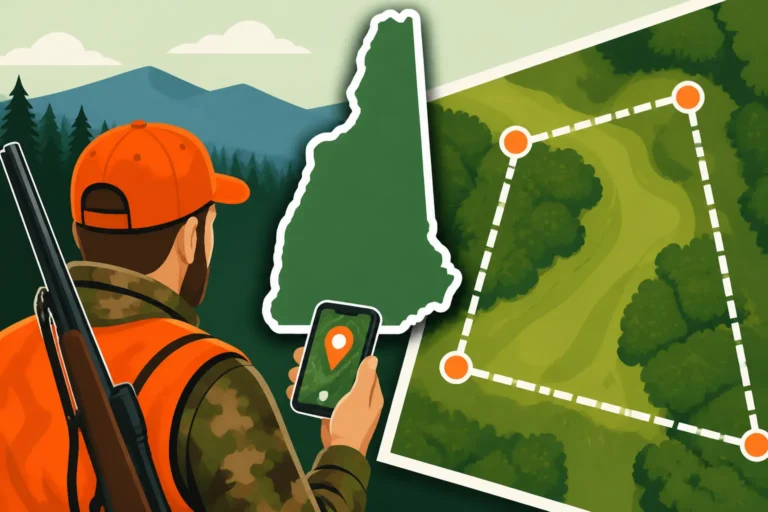
Digital mapping apps have revolutionized public land hunting. Apps like onX Hunt allow you to view state forest boundaries, see satellite imagery, mark waypoints for potential stand locations or game sign, and track your movement in real-time, even without cell service once the maps are downloaded. GoHunt can also be a valuable resource for research and planning your trip, offering detailed insights into various hunting opportunities. Combining these digital tools with traditional paper maps is the ultimate strategy. Scouting New Hampshire Public Land Before Season is always recommended, and these tools make it far easier.
| Public Land Type | Primary Management Focus | Hunting Generally Allowed? | Special Rules/Considerations |
|---|---|---|---|
| New Hampshire State Forest | Sustainable timber, multi-use recreation, conservation | Yes | Multi-use environment, check for specific recreational area closures, parking rules |
| White Mountain National Forest | Multi-use sustained yield, wilderness, recreation | Yes | Very large, remote areas, high elevation challenges, bear canister rules for camping |
| Wildlife Management Area (WMA) | Wildlife habitat enhancement, public hunting/fishing | Yes | Often managed actively for specific species, may have specific vehicle/access rules |
| New Hampshire State Park | Intensive recreation (camping, picnicking, beaches) | Generally No | Very limited hunting opportunities, often require special permits or are completely closed |
| Town Forest/Conservation Land | Varies widely by town, local recreation, conservation | Varies | Always check with town officials; can be open, closed, or permit-only |
Special Use Permits and Considerations
For the most part, simply having your valid New Hampshire hunting license and tags is all you need to hunt in a state forest. However, there might be rare instances where special permits are required for certain activities or for accessing specific restricted areas. This is far more common in WMAs or private lands managed for hunting, but it's always wise to check.
One key consideration is the use of ATVs or other off-highway recreational vehicles. State forests often have designated trail systems for these vehicles, and you must stay on those marked trails. Off-roading or creating new trails is strictly prohibited and can result in fines and habitat damage. Respecting these rules helps ensure continued access for all.
Habitat and Terrain Considerations for State Forest Hunters
New Hampshire's state forests offer a diverse range of habitats, from the coastal plain to the foothills of the White Mountains. Understanding the typical terrain and cover types will make you a much more effective hunter.
Common Forest Types and Game Sign
Many New Hampshire state forests will feature a mix of northern hardwoods (maple, beech, birch, oak) and softwoods (pine, hemlock, spruce, fir).
- Hardwood Stands: These are prime areas for deer, especially during the fall when acorns and beechnuts are dropping. Look for rub lines, scrape lines, and tracks along old logging roads or on benches. Turkeys also heavily utilize these areas. In younger hardwood regeneration, look for browse lines and thick cover that deer will use for bedding.
- Softwood Thickets/Swamps: These dense areas provide excellent thermal cover for deer in cold weather and security cover year-round. They can be incredibly tough to hunt but often hold mature animals. Rabbits and grouse will also favor these thickets.
- Mixed Stands: Often the most productive, as they offer the best of both worlds—food from hardwoods and cover from softwoods.
- Regenerating Clear-Cuts: These areas, a result of the state forest's timber management goals, can be absolute magnets for deer, providing abundant young browse. They are often incredibly thick and challenging to navigate but can be worth the effort.
Finding Sign in White Mountain Timber is a great resource, and many of those principles apply directly to state forests across the state. Pay attention to changes in elevation, water sources, and natural funnels created by terrain or vegetation.
Topography and Navigation Challenges
While perhaps not as extreme as the highest peaks of the White Mountain National Forest, many state forests in New Hampshire can still present significant topographical challenges. You'll encounter steep hills, rocky terrain, and potentially wet lowlands or beaver flowages. This means you need appropriate Boots for New Hampshire's Granite Terrain and a good understanding of how to navigate.
Always carry reliable navigation tools, whether it's a GPS unit or a fully charged smartphone with a mapping app like onX Hunt. Know how to use a compass and map, as cell service can be spotty in many forested areas. Understanding wind and thermals is also critical, especially in hilly terrain, as game will use these to their advantage. Planning your route in and out, considering both accessibility and prevailing winds, is paramount for success and safety.
Ethical Hunting and Conservation in State Forests
Hunting in New Hampshire's state forests is a privilege, not a right. We, as hunters, have a responsibility to uphold ethical standards and contribute to the conservation of these valuable public resources.
Respecting Multi-Use Areas
State forests are shared spaces. You will encounter hikers, dog walkers, mountain bikers, horseback riders, and nature enthusiasts. It's imperative to always practice courtesy and safety around other users.
- Be Visible: Even outside of the mandatory firearms season, wearing some blaze orange or pink can increase your visibility to others, especially when moving through brush.
- Communicate: A friendly wave or verbal greeting goes a long way. Make eye contact and let others know you're there.
- Be Mindful of Noise: While calling game is part of hunting, be aware of how much noise you're making, especially near trailheads or popular recreation spots.
- Educate (Respectfully): If someone expresses concern or asks about hunting, calmly and respectfully explain that hunting is a legal and managed activity in that area, and emphasize the safety precautions you are taking. Most non-hunters are simply unfamiliar with it.
Remember, a positive interaction with a non-hunter can do more for the image of hunting than any public relations campaign. We are ambassadors for our sport.
Leave No Trace Principles
The core of ethical outdoor recreation, including hunting, is to "Leave No Trace." This means minimizing your impact on the environment and leaving it as you found it, or even better.
- Pack It In, Pack It Out: This is non-negotiable. Everything you bring into the forest, including food wrappers, empty shell casings, and anything else, must leave with you. This also applies to field dressing waste – carry out what you can, and properly dispose of offal well away from trails, water sources, and high-traffic areas.
- Minimize Disturbances: Stick to existing roads and trails where possible. Avoid creating new paths or unnecessarily disturbing vegetation.
- Respect Wildlife: Hunt ethically and only take legal game. Avoid unnecessary harassment of non-target species.
- Camp and Build Fires Responsibly: If primitive camping is allowed, choose durable surfaces, keep fires small (if permitted), and ensure they are completely out before leaving.
Adhering to these principles ensures that New Hampshire's state forests remain beautiful and accessible for generations of hunters and outdoor enthusiasts to come. Your actions reflect on the entire hunting community, so let's make them positive ones!
Disclaimer
This article is for general informational purposes only and does not constitute professional advice. Laws, prices and regulations vary by location and change over time. Consult a qualified professional for guidance on your specific situation.