Hunting the WMU H1 Farmland
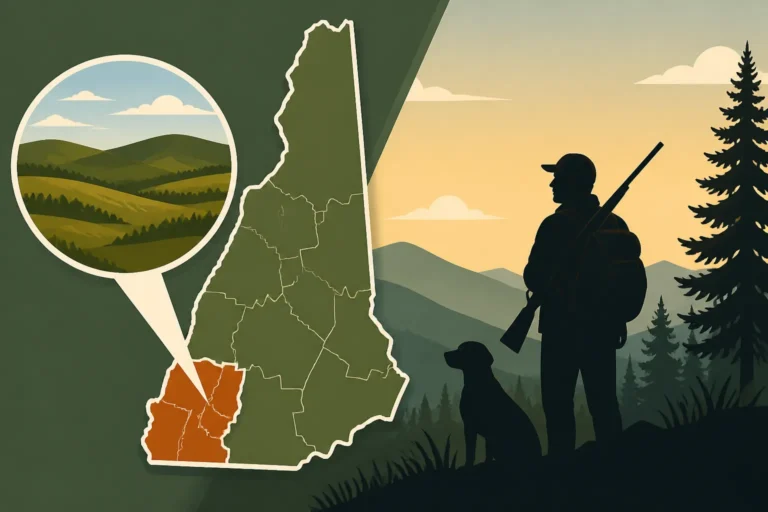
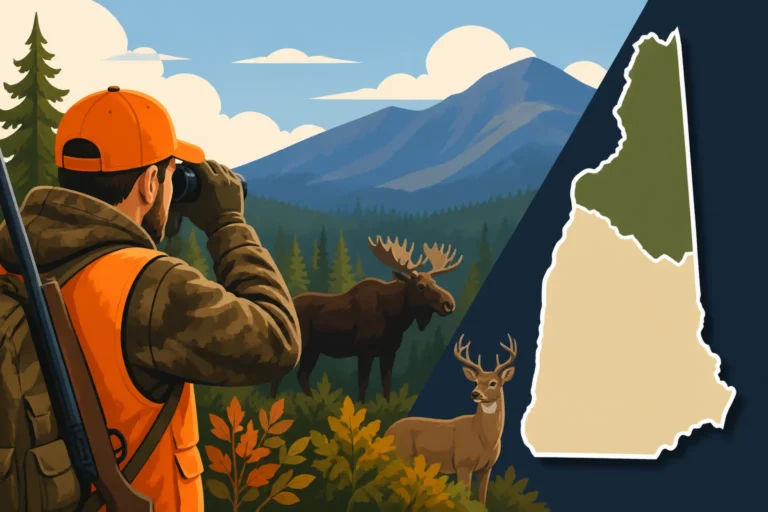
Hunting New Hampshire's WMU H1 farmland presents a unique set of challenges and rewards compared to the vast timberlands many Granite State hunters are accustomed to. You're dealing with fragmented cover, often smaller woodlots, and the ever-present dynamic of agriculture, which means deer behavior is intrinsically tied to crop cycles, field edges, and the proximity to human activity. This guide will walk you through the specifics of what makes WMU H1 distinct, how to effectively scout these areas, and the hunting tactics that truly pay off in this blend of open fields and dense pockets of cover.
Understanding the WMU H1 Landscape: More Than Just Fields
WMU H1 encompasses a significant portion of New Hampshire where agriculture still plays a role, albeit often interspersed with residential areas and small towns. This isn't the vast, unbroken wilderness of the North Country; instead, think of a mosaic of active farm fields, fallow land, brushy fencerows, small woodlots, and riparian corridors along rivers and streams. Deer in WMU H1 have adapted to this environment, often exhibiting different patterns and tolerances than their deep-woods cousins.
The Geography and Habitat Mix
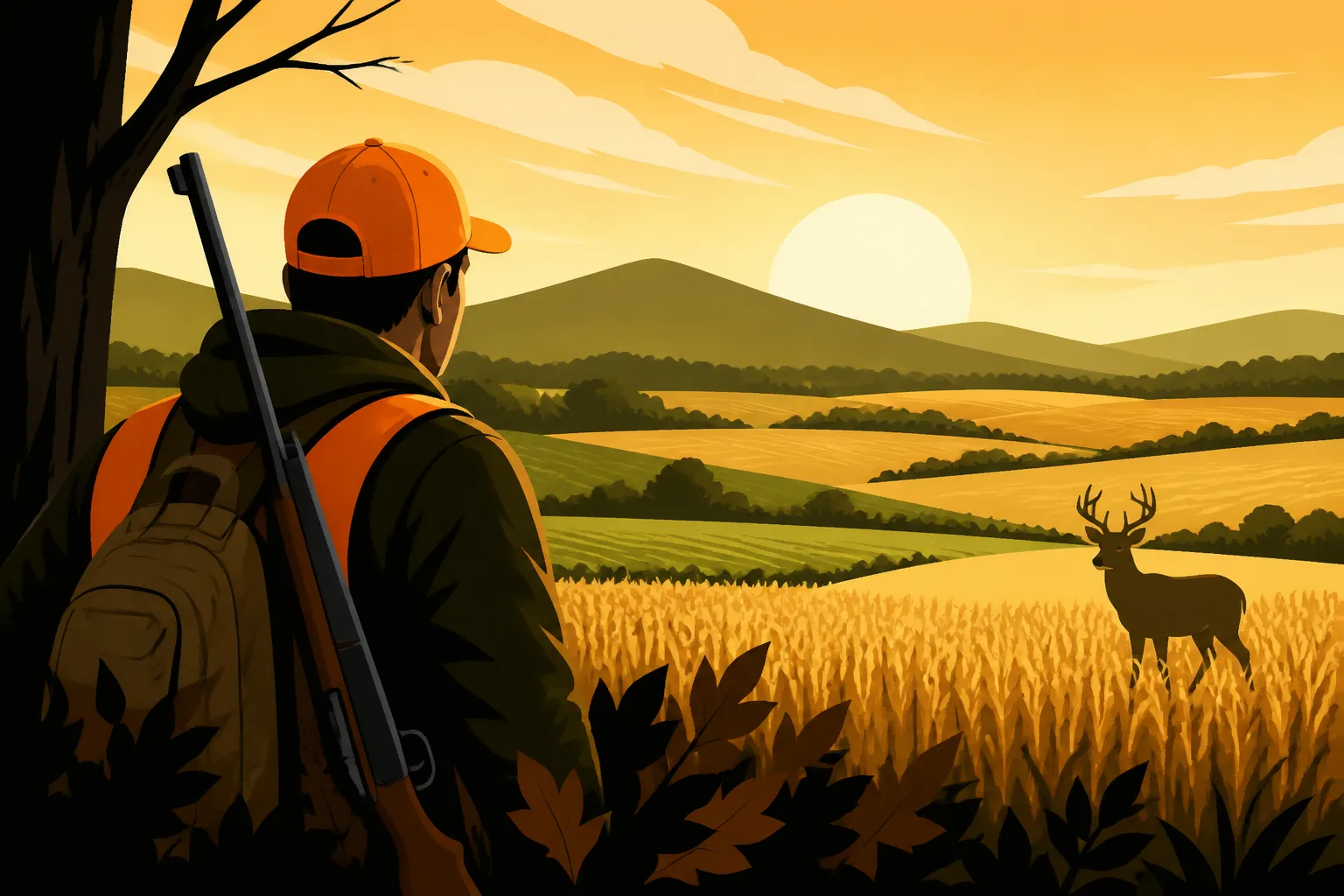
Imagine driving through rolling hills with open cornfields on one side and a thick, overgrown woodlot on the other, bordered by a brushy ditch that follows a small stream. That's a classic WMU H1 scene. The "farmland" aspect isn't just about vast cultivated tracts; it includes the broken patches of woods, the old orchards, the forgotten pastures that are reverting to brush, and the critical river bottoms that provide both cover and travel corridors. These varied micro-habitats mean deer have a diverse diet and multiple places to bed down, often moving between them under the cover of darkness. Understanding the subtle shifts in terrain, even slight elevation changes, and how they funnel deer movement is paramount here. It’s a game of connecting the dots between bedding, feeding, and water in a more constrained landscape.
Deer here are incredibly adept at using even the smallest patches of cover to their advantage. A thick briar patch no bigger than a car can hold a mature buck during daylight hours if it offers security and is close to a food source. They're masters of finding sanctuaries amidst human activity, and often those sanctuaries are closer than you'd expect. The key is recognizing these often-overlooked spots that other hunters might pass by, thinking they're too small or too close to a road.
Deer Behavior in an Agricultural Setting
Deer in agricultural zones, especially WMU H1, often have distinct behavioral patterns driven by food availability and pressure. During the growing season, deer will frequent cornfields, soybean fields, and alfalfa pastures. Once harvest begins, especially for corn, their patterns can shift dramatically. The stubble fields still offer forage, but the protective canopy of the standing corn is gone, forcing them into thicker cover during daylight. This is a critical transition period for hunters. Entry Routes Through a Cut Cornfield becomes a totally different puzzle when the towering stalks are gone.
Furthermore, deer in WMU H1 are often more nocturnal than those in more remote areas. They learn quickly to move under the cover of darkness, utilizing field edges and fencerows as travel routes from bedding areas in woodlots to distant feeding grounds. Daytime movement is often restricted to thick cover or during periods of low pressure, like mid-day. Understanding these subtle shifts and anticipating where they will travel from dense bedding to accessible food sources, especially in transitional periods like dusk and dawn, is crucial. It’s not just about finding food; it’s about finding the safe path to food.
Scouting WMU H1: Connecting the Dots Between Cover and Crops
Successful hunting in WMU H1 starts long before opening day. Effective scouting in these agricultural zones means shifting your focus from expansive timber surveys to identifying key transition areas, pinch points, and secluded pockets of cover. It's about combining mapping technology with boots-on-the-ground investigation.
Utilizing Mapping Tools for Property Identification and Habitat Analysis
This is where modern technology really shines in WMU H1. Apps like onX Hunt are invaluable for understanding property boundaries, identifying land ownership, and pinpointing those crucial small woodlots, brushy draws, and river corridors. You can overlay aerial imagery to see exactly where standing crops meet a dense cedar swamp or a brushy fencerow. This digital reconnaissance allows you to quickly eliminate unproductive areas and focus your physical scouting efforts on high-potential zones. You can mark potential bedding areas, probable travel routes, and feeding locations, all from the comfort of your home. Reading Aerial Photos for North Country Deer provides a good foundation, but in farmland, you're looking for different cues.
Pay close attention to changes in elevation, even subtle ones, that might funnel deer movement. Look for dark timber pockets within larger woodlots that offer thermal cover, especially in late season. Identify water sources, as deer will often travel to these after feeding. What looks like a small, insignificant patch of woods on a basic map might reveal itself as a dense, deer-holding sanctuary when viewed through detailed satellite imagery. It's about finding the overlooked spots, the thickest cover adjacent to a freshly harvested field, or a narrow strip of woods that connects two larger parcels.
Boots-on-the-Ground Scouting for Sign and Travel Corridors
While mapping tools are fantastic for initial analysis, nothing beats putting boots on the ground. Once you've identified potential areas with onX Hunt, it's time to walk the edges. Look for deer sign: tracks along field edges, rubs on trees indicating buck activity, and fresh droppings in bedding areas. Pay particular attention to natural funnels – where two woodlots come close together, where a thick fencerow bottlenecks between fields, or where a creek bottom acts as a hidden highway. Reading New Hampshire Mud for Fresh Deer Movement can tell you a lot about recent activity and travel patterns.
When you're walking, think like a deer. Where would you feel safe? Where's the easiest path between food and cover? Often, the thickest, nastiest cover right next to a productive field is where deer will bed during the day. Don't shy away from dense briar patches or overgrown creek banks; these are exactly the kinds of places deer will hide when pressured. Also, look for subtle changes in vegetation that might indicate a historic travel route. An old logging road or a faint game trail along a contour line can be gold. Remember that deer in this WMU are incredibly wary, so minimal intrusion during scouting is important.
Effective Hunting Tactics for WMU H1 Farmland
Hunting WMU H1 farmland requires a different playbook than hunting vast timber. You'll often be dealing with smaller hunting parcels, more visible deer movement across open spaces, and the constant consideration of neighboring properties and human activity. The emphasis shifts to strategic stand placement, patient observation, and a solid understanding of how deer use the available cover.
Strategic Stand Placement on Field Edges and Transition Zones
The edges are where the action happens in farmland. Whether it's the edge of a cornfield, a hayfield, or a brushy border next to an apple orchard, these transition zones are prime real estate. You need to position your stand (whether a treestand or a ground blind) to capitalize on deer moving from bedding areas to feeding grounds, or vice-versa. Hunting a Standing Apple Orchard means knowing exactly where deer will enter and exit. This isn't just about spotting deer in the field; it's about intercepting them as they transition.
Think about wind direction critically. Scent control is always important, but even more so when deer might be approaching from an open field or down a fencerow where your scent could easily carry. Consider setting up slightly inside the woods along a field edge, rather than directly on it, to give you better cover and control your scent dispersal into the field. Also, think about the sun. Early morning sits facing east can put the rising sun directly in your eyes, making it hard to spot deer. A stand with a good backdrop, like a large oak or a thick pine, will help break up your silhouette. Using a Ground Blind on Public Land can be highly effective in these settings, allowing you to blend into fencerows or brush lines without the height of a treestand.
Still-Hunting and Patience in Fragmented Cover
While stand hunting is popular, still-hunting can be incredibly effective in WMU H1's fragmented woodlots and fencerows. The smaller, often thicker parcels of timber lend themselves to slow, deliberate movement. You're not covering miles; you're meticulously picking apart a few acres. Move slowly, taking one or two steps, then stopping to scan for long periods. Use binoculars to pick apart every shadow, every stump, every patch of thicket. Deer will often hold tight in these small pockets, letting perceived threats walk by. Still-Hunting White Mountain National Forest Timber techniques can be adapted, but here you're focusing on smaller, more defined areas.
Patience is a virtue in this type of hunting. You might only have a narrow window for a shot as a deer slips from one patch of cover to another. Don't rush. Wait for the deer to clear brush, offer a good shot angle, and be in a relaxed posture. Often, deer will pause at the edge of cover before stepping out into an open field. This is your moment. Be prepared for those quick, fleeting opportunities that are common in these smaller, more pressured areas.
| Tactic | Ideal Location | Benefits in WMU H1 | Considerations |
|---|---|---|---|
| Treestand Hunting | Field edges, pinch points between woodlots, transition zones. | Intercepts deer moving between food & bedding, good visibility. | Wind direction is critical, less mobile, need landowner permission. |
| Ground Blind Hunting | Fencerows, brush lines, thick field corners, small thickets. | Excellent concealment, less visibility but can be moved easily. | Limited shooting lanes, can be hot/cold depending on weather. |
| Still-Hunting | Dense woodlots, overgrown creek bottoms, thick fencerows. | Actively search for deer in cover, good for smaller parcels. | Requires extreme stealth, can spook deer if rushed, needs patience. |
| Ambush Points | Crossings, bottlenecks, narrow strips of cover, funnels. | Capitalizes on predictable deer movement through constrained areas. | Requires precise scouting, can be fruitless if deer shift patterns. |
Navigating Private Land and Permission in WMU H1
Perhaps the biggest hurdle for hunters in WMU H1 is land access. A significant portion of these agricultural and mixed-habitat areas are privately owned. This means that Getting Private Land Permission in New Hampshire isn't just an option; it's often a necessity. Respecting landowners and understanding local regulations are paramount to a successful and ethical hunt.
The Importance of Landowner Relations and Respect
Building a good relationship with landowners is the foundation of hunting WMU H1. These folks are often stewards of the land, and granting access is a privilege, not a right. Approach them with respect, clearly state your intentions, and be prepared to offer something in return, whether it's helping with chores, sharing some of your harvest, or simply being a responsible and watchful presence on their property. Many landowners are wary of hunters due to past negative experiences, so presenting yourself as trustworthy and responsible is key.
When asking for permission, be specific about where you want to hunt, when, and what you're hunting for. Offer to provide your contact information and leave them with a clear understanding of your plans. Show them your New Hampshire Resident License Options and proof of hunter education. Make sure you understand their specific rules – some may allow bowhunting but not firearms, others may have restrictions on vehicle access or where you can park. Always follow through on any promises you make, and if you say you'll check in, do it. A simple "thank you" goes a long way.
Navigating Posted Land and Local Regulations
Even with permission, you need to be acutely aware of property lines, especially in WMU H1 where properties can be small and adjoin others quickly. Using mapping tools like onX Hunt becomes critical here. It allows you to visualize property boundaries in real-time, ensuring you stay on the land you have permission for and avoid inadvertently trespassing. There’s nothing that can sour a landowner relationship faster than crossing onto a neighbor’s property without permission.
Additionally, be mindful of any local ordinances regarding firearms discharge distances from dwellings or roads. These vary by town and can be stricter than state law. Always check the current New Hampshire Fish and Game digest for specific WMU rules, as well as general statewide regulations like New Hampshire's WMU-Based Deer Season Structure and Blaze Orange Requirements. These aren't just suggestions; they are laws designed to ensure safety and ethical hunting practices. Remember, ethical hunting in close proximity to homes often means more challenging shots and a higher degree of situational awareness.
Maximizing Your Chances in WMU H1
Beyond the foundational knowledge, there are always those little extra steps that can tip the odds in your favor when hunting in a unique zone like WMU H1. These areas often have higher hunting pressure, and the deer are generally more wary, so every detail matters.
Adapting to Pressure and Nocturnal Behavior
Deer in WMU H1 often experience consistent hunting pressure, especially once the firearms season opens. This pressure will push them into the thickest cover available, and they will become even more nocturnal. Your best bet for encountering these deer during daylight hours is often during the first few days of the season, or immediately after a significant weather event like a heavy snowfall or an ice storm that might disrupt their normal patterns and force them to feed. Otherwise, focus your efforts on the very first and last minutes of legal shooting light, when deer are most likely to move between cover and open areas.
Consider hunting during the middle of the day. Many hunters clear out by mid-morning, leaving the woods quieter. A patient, slow still-hunt through a thick pocket of woods during those quiet hours can sometimes pay off with a buck that's bedded down, waiting for evening. Remember, too, that WMU H1 can hold healthy New Hampshire Deer Population Estimate numbers, but you often need to be craftier to find them during daylight.
Beyond Deer: Opportunities for Other Game
While deer are often the primary target in WMU H1, the varied habitat of agricultural land, woodlots, and fencerows also provides excellent opportunities for other game. Fall turkey season, in particular, can be quite productive in these areas, as turkeys feed heavily on leftover grains and mast crops in woodlots adjacent to fields. Fall Turkey Hunting New Hampshire's Eight WMUs includes H1, and breaking up a flock can be an effective tactic.
Small game like squirrels and rabbits also thrive in these mixed habitats, providing a great way to spend time in the woods outside of big game seasons. Even predators like coyotes are prevalent, drawn by the rodent populations in fields and the cover of the woodlots. Coyote Calling New Hampshire Farm Country can be a thrilling pursuit, especially during the colder months when deer activity is lower. Diversifying your hunting interests can help you learn the landscape of WMU H1 more intimately throughout the year, which in turn can make you a better deer hunter. Understanding how other species utilize the environment gives you a broader picture of the ecosystem.
Disclaimer
This article is for general informational purposes only and does not constitute professional advice. Laws, prices and regulations vary by location and change over time. Consult a qualified professional for guidance on your specific situation.