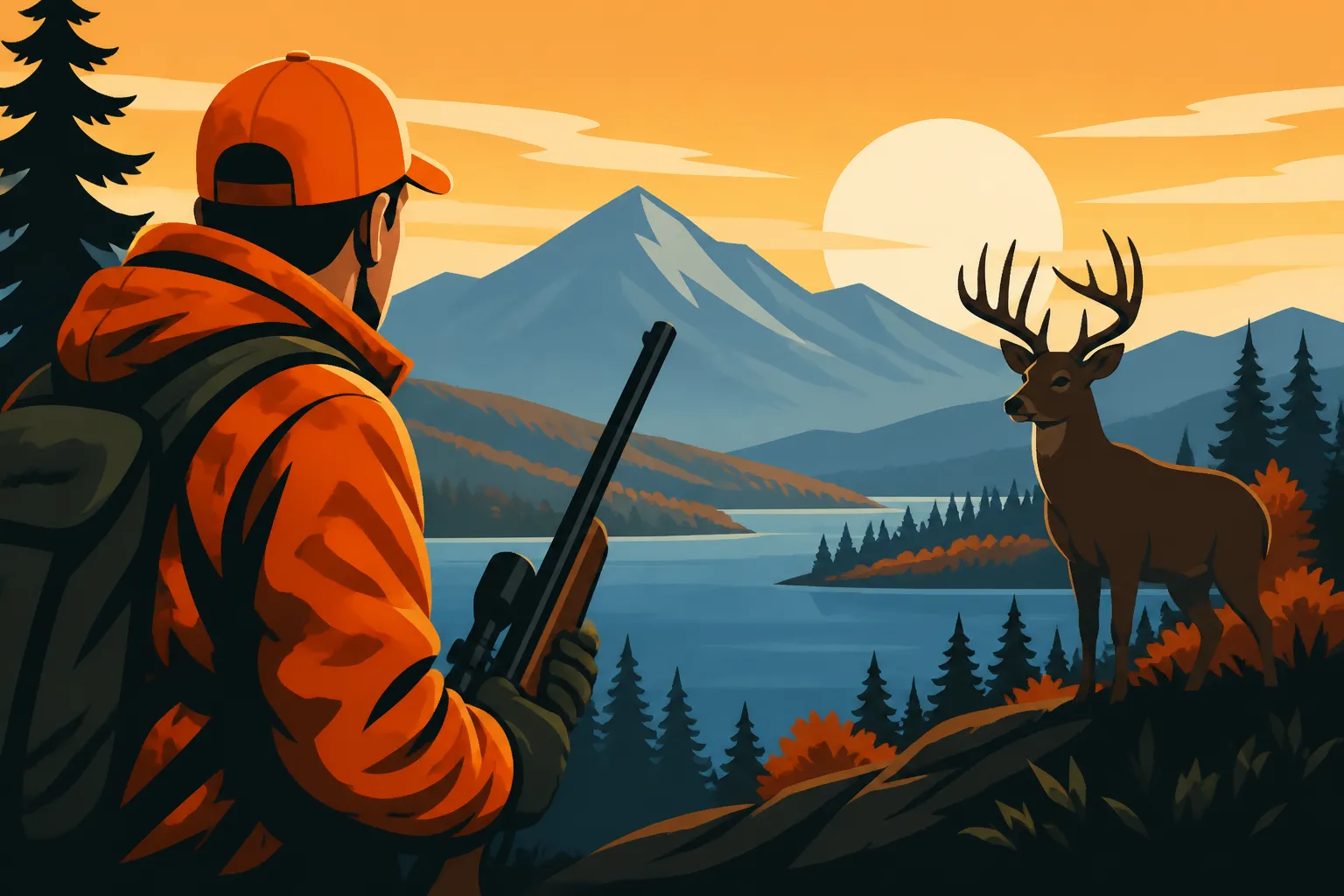
Hunting the Lakes Region
The Lakes Region of New Hampshire, with its shimmering waters and rolling hills, presents a unique and often challenging landscape for hunters. Many folks, myself included, have spent countless hours poring over maps, trying to decipher how the abundant water, scattered private parcels, and dense pockets of public land all fit together to influence wildlife movement. It's easy to feel overwhelmed by the sheer amount of variable terrain and landowner considerations. This guide aims to demystify hunting the Lakes Region, offering practical advice on navigating its distinct environment, understanding its game, and maximizing your success whether you're after a whitetail, turkey, or a plump mallard.
Understanding the Lakes Region Landscape for Hunting
The Lakes Region isn't just a pretty postcard; it's a complex tapestry of water, woods, and human development that profoundly shapes how animals live and move. Unlike the vast, uninterrupted timber of the North Country, this area demands a different approach, one that respects its unique geography.
Geographic Features and Terrain Challenges
When you think of New Hampshire's Lakes Region, your mind probably jumps to Winnipesaukee, Squam, or Newfound Lake. These massive bodies of water, along with countless smaller ponds and rivers, are central to the landscape. But it's not all flat shoreline and gentle slopes. You'll find a surprising amount of varied terrain here, from the rocky outcrops and hardwood ridges around Lake Winnipesaukee to the more moderate, often swampy lowlands bordering rivers like the Pemigewasset. Hunting these areas means dealing with elevation changes that, while not as dramatic as the White Mountains, can still test your legs and lungs. Expect rocky, uneven footing in many places, especially away from established trails. The prevalence of old stone walls and forgotten farm roads, remnants of New Hampshire's agricultural past, can act as natural funnels or barriers for deer, making understanding the lay of the land crucial for success.
The blend of developed shoreline, active logging operations, and quiet backcountry creates a mosaic that deer and other game species exploit. Deer will often bed in the thick, unpressured cover of a hemlock stand near a busy lake road during the day, only to slip out into overgrown apple orchards or suburban fringes under the cover of darkness. This means a lot of patience is required, and understanding how game utilizes these varied pockets is key. You might find yourself still-hunting a maple ridge in the morning, then shifting to a swampy edge in the afternoon, adapting your tactics to the specific micro-habitats.
Water Bodies and Their Influence on Wildlife
It goes without saying that the dominant feature of the Lakes Region is, well, the lakes! These massive water bodies, along with their intricate network of coves, inlets, and feeder streams, are absolute magnets for certain game species. Waterfowl, of course, are obvious beneficiaries, with ducks and geese utilizing the open water for resting and the marshy edges for feeding. But don't underestimate the influence of water on deer and turkey. Deer often use lake shores and riverbanks as travel corridors, especially where thick cover meets the water. These "wet edges" provide a sense of security, limiting the directions from which a predator (or hunter) can approach.
Moreover, the extensive shoreline development means that many deer are conditioned to human presence, often feeding in residential areas at night. This can make them incredibly nocturnal and wary during legal hunting hours. However, it also means that finding pockets of public land or gaining private land permission adjacent to these areas can put you on the doorstep of where deer are transitioning between bedding cover and feeding grounds. Focus on the less accessible coves and backwaters; these are often overlooked by casual recreational users and can hold surprisingly good numbers of birds or provide quiet transit routes for whitetails. Hunting the Lakes Region Shoreline offers even more detail on this specific challenge.
Forest Types and Vegetative Cover
The forests of the Lakes Region are primarily mixed hardwoods and softwoods, though the exact composition varies. You'll find towering white pines and hemlocks, especially near the water and in older growth areas, offering dense thermal cover that deer rely on during colder months. Interspersed with these are stands of oak, maple, and beech, which are critical mast producers. A good acorn crop in a particular year can concentrate deer movement significantly, drawing them away from other food sources. These hardwood ridges, particularly those with a southern exposure, can be prime locations to find deer feeding in the early morning or late afternoon.
Beyond the mature timber, there are also areas of brushy regrowth, old fields reverting to forest, and clear-cuts from logging operations. These areas, while often thick and difficult to navigate, provide excellent browse for deer and dense cover for turkeys. It's in these transition zones where different forest types meet that you'll often find the most activity. Deer love edges – where a dense conifer stand meets an open hardwood ridge, or where an old field meets new growth timber. Learning to "read" these forest types and understanding what they offer to game in different seasons is a foundational skill for any hunter in the Lakes Region.
Key Game Species and Their Habitat in the Lakes Region
While New Hampshire offers a variety of game, the Lakes Region truly shines for specific species, thanks to its blend of water and mixed woodlands. Understanding the habits of these animals is paramount to a successful hunt.
Whitetail Deer in the Lakes Region
Whitetail deer are the undisputed kings of the Lakes Region for most hunters, and they thrive in this mosaic of habitat. Unlike the sometimes smaller-bodied deer of the deep North Country, Lakes Region whitetails often have access to richer food sources, leading to larger body sizes and impressive racks. The population here is generally healthy, though hunting pressure can be substantial, especially on easily accessible public lands. Deer in this region are masters of adaptation. They learn to navigate the proximity of human development, often becoming largely nocturnal.
You'll find them using the dense thermal cover of pine and hemlock stands for bedding during the day, especially once the leaves fall and temperatures drop. When it's time to feed, they might hit an oak flat for acorns, browse on clear-cut regrowth, or even venture into agricultural fields and suburban gardens under the cover of darkness. Key to hunting them is identifying their travel corridors between these bedding and feeding areas. Look for pinch points where terrain features or property lines funnel deer movement. Old logging roads, forgotten stone walls, and natural saddles between ridges are classic examples. Understanding New Hampshire's WMU-Based Deer Season Structure will help you align your efforts with specific regulations in these areas.
Wild Turkey Populations and Roosts
Wild turkeys have made an incredible comeback in New Hampshire, and the Lakes Region is no exception. These intelligent birds are a joy to hunt, whether in the vibrant greens of spring or the crisp air of fall. Turkeys here thrive in areas with a mix of mature hardwoods for roosting, open fields for bugging and strutting, and dense understory for nesting and escape cover. River bottoms and lake edges often provide excellent roosting habitat due with their large, mature trees, and nearby fields provide ideal foraging.
During the spring, gobblers will be vocal, particularly at dawn and dusk, calling from their roosts. Locating these roosts is a critical first step for a successful spring hunt. In the fall, turkeys often congregate in larger flocks, and the strategy shifts to breaking up these flocks and calling individual birds back. Look for areas with a strong mast crop – particularly oak and beech – as well as agricultural fields, where turkeys will spend a lot of time feeding. Like deer, turkeys also utilize the edges where different habitat types meet, moving from the security of the woods to the open feeding areas.
Waterfowl Opportunities on Lake Shores and Rivers
For the dedicated waterfowler, the Lakes Region offers unique opportunities, particularly for resident Canada geese and various duck species. The vast open waters of the larger lakes provide sanctuary, while the shallower coves, marshy inlets, and feeder rivers offer crucial feeding and resting areas. Mallards, wood ducks, and black ducks are common, with other species passing through during migration. Hunting here often means dealing with variable conditions, from calm, glassy mornings to choppy, windy days on larger bodies of water.
Success in waterfowl hunting in the Lakes Region hinges on scouting. Identifying where birds are actively feeding and resting is far more important than just setting up on any piece of water. Look for hidden pockets of marsh, small ponds connected to larger systems, and agricultural fields near water that geese might be hitting. Decoying can be highly effective, especially for puddle ducks in smaller, brushy areas or for geese in open fields. Don't forget that water levels can fluctuate, impacting accessible shorelines and marsh habitats, so adaptability is key. Always check New Hampshire Waterfowl Season and Zones for specific dates and regulations.
Public Land Hunting Opportunities in the Lakes Region
Navigating public land in the Lakes Region can feel like a puzzle. It's not always the expansive, contiguous blocks you might find elsewhere. Instead, it's often a mix of state forests, wildlife management areas, and scattered conservation parcels, each with its own nuances.
State Forests and Wildlife Management Areas (WMAs)
New Hampshire's state forests and WMAs form the backbone of public hunting access in the Lakes Region. These areas, managed by the New Hampshire Fish and Game Department or the Department of Natural and Cultural Resources, are specifically designated for public recreation, including hunting. Examples might include areas like the Owl Brook Hunter Education Center land (though this is specifically for education and youth hunts, not general public hunting) or various state forest parcels around Ossipee, Tamworth, or along the shores of smaller lakes. It's crucial to consult maps from New Hampshire Fish and Game or use mapping apps like onX Hunt to identify these parcels and understand their boundaries.
These public lands often receive more hunting pressure, especially on weekends and during the firearms season opener. To find success, you'll need to be willing to walk further, explore less obvious access points, and scout thoroughly before the season. Look for areas with difficult terrain, dense cover, or those that are a good distance from parking areas – these spots often hold pressured game that has learned to avoid easily accessible areas. Pay attention to signs of recent logging activity; clear-cuts, even if several years old, can create excellent new browse and cover, drawing deer into these areas.
Navigating Smaller Public Parcels
Beyond the larger state forests, the Lakes Region has numerous smaller public parcels, often managed by towns, conservation commissions, or land trusts. These can be goldmines for hunters willing to do their homework. A 50-acre town forest, perhaps bordered by private development, can hold a surprising number of deer or turkeys that use it as a sanctuary. The challenge, however, is that these parcels are often not well-signed for hunting and may have specific local ordinances or non-hunting recreational uses that require careful navigation.
Before venturing onto these smaller parcels, always confirm hunting is allowed and check for any specific rules, such as archery-only zones or prohibitions on certain weapons. Town clerks or conservation commission websites are good resources. Using a robust mapping tool like onX Hunt is absolutely essential here. It allows you to see property lines clearly, distinguishing public land from private, and helping you understand access points and potential travel corridors for game. This level of detail ensures you're hunting legally and respectfully, avoiding accidental trespass onto adjacent private properties. Finding Ground That Sees Fewer Hunters often means doing this extra research.
Understanding WMU D1 and D2 Boundaries
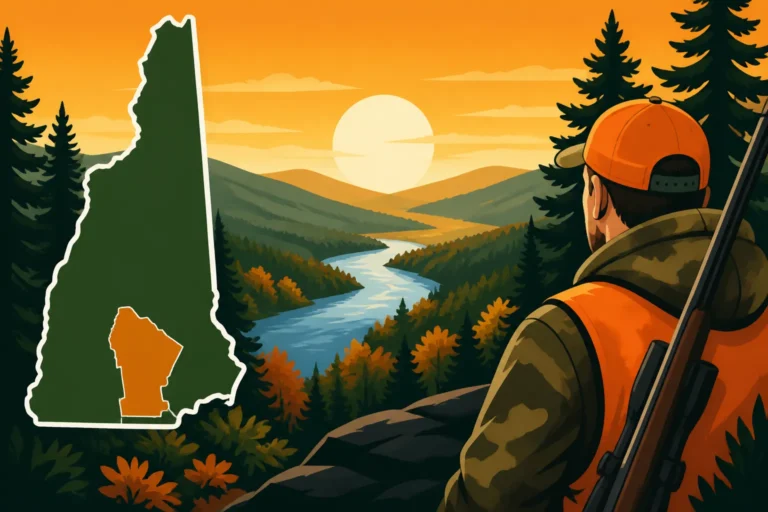
The Lakes Region is primarily encompassed within Wildlife Management Units (WMUs) D1 and D2, though other WMUs may touch its fringes. These WMU designations are critical because hunting seasons, bag limits, and even specific regulations (like crossbow allowances or antlerless permits) can vary significantly between them. WMU D1 generally covers the core of the larger lakes and surrounding developed areas, while D2 might encompass more of the surrounding rural and forested landscapes.
It's your responsibility as a hunter to know precisely which WMU you are in at all times. This is especially important near WMU boundaries, where crossing from one to another could mean violating regulations without even realizing it. The New Hampshire Fish and Game website publishes detailed maps, and digital mapping apps like GoHunt often integrate WMU boundaries directly into their platforms, making it easier to stay compliant. Understanding the specific deer harvest numbers or turkey population trends for D1 versus D2, which you can often find in Reading a New Hampshire Harvest Report, can also help you tailor your hunting expectations and strategies to the local conditions.
Gaining Private Land Access in the Lakes Region
With significant development and private land ownership in the Lakes Region, gaining permission to hunt private property can often unlock some of the best opportunities. Many prime spots, especially those near agricultural fields or suburban fringes, are inaccessible without a landowner's blessing.
The Importance of Permission and Building Relationships
Asking for permission is not just a legal requirement; it's an act of respect and the foundation for a positive hunting experience. In a region like the Lakes, where private land is abundant, a courteous and respectful approach can open doors to incredible hunting grounds that public land hunters rarely touch. Start by identifying potential properties through scouting or mapping apps. Look for larger tracts of undeveloped land, overgrown fields, or woodlots that appear to be less actively used.
When you approach a landowner, be prepared, polite, and professional. Dress neatly, have your hunting license and insurance information ready, and clearly articulate your intentions. Offer to help with chores, share some venison, or simply check on their property while you're hunting. Building a lasting relationship based on trust and mutual respect is far more valuable than a one-time permission slip. This relationship can extend for years, providing consistent access to quality hunting. For more details on this, check out Asking a New Hampshire Landowner for Permission.
Identifying Potential Private Land Hotspots
Successful private land hunting begins with smart scouting. Even if you don't have permission yet, you can use tools like onX Hunt to identify large parcels of private land that have ideal habitat features. Look for a mix of mature timber, thick cover, water sources, and potential food plots or old orchards. Properties with limited road frontage but large tracts of wooded acreage behind them are often excellent candidates, as they tend to receive less pressure.
Pay attention to areas near public land boundaries. Deer and turkeys often use public land as a refuge during intense pressure but will venture onto quieter private parcels to feed or escape. Identifying these transition zones can be incredibly productive. Old farmsteads with overgrown apple trees or neglected fields reverting to brush are also magnets for deer. These overlooked spots, combined with a landowner's permission, can turn a challenging hunt into a memorable one.
Navigating Posted Land and Local Ordinances
New Hampshire's trespass laws are clear: hunting on posted land without permission is illegal. "Posted" land must have signs placed at certain intervals to be legally enforceable, but even if a property isn't explicitly posted, it's always best to assume you need permission. Never, ever hunt on land without express permission. This is especially true in the Lakes Region, where private land ownership is widespread and property lines can be fluid. If in doubt, don't hunt there.
Beyond state trespass laws, many towns in the Lakes Region have specific ordinances regarding firearms discharge, hunting near dwellings, or even outright prohibitions on hunting within certain town limits. It is absolutely critical to check with the town clerk's office for any local regulations before you plan your hunt. What might be legal statewide could be restricted or prohibited in a particular town. A good rule of thumb is to always verify the legality of your hunt at both the state and local levels. This diligence protects you and respects the community you're hunting in. The question of Do You Need Written Permission in New Hampshire? is also worth exploring, as it can sometimes simplify things.
Seasonal Hunting Strategies for the Lakes Region
The Lakes Region offers diverse hunting opportunities throughout the fall, each season demanding specific tactics to contend with changing conditions and animal behavior. Being adaptable is key to consistent success.
Early Archery and Muzzleloader Tactics
The early archery season in New Hampshire, which typically opens in mid-September, presents a unique set of challenges and rewards in the Lakes Region. Deer are still in their summer patterns, largely nocturnal, and very focused on food sources. Acorns, soft mast (like apples or berries), and green browse are the primary attractants. Early season success often means sitting over a prime food source at dawn or dusk, or intercepting deer as they move to and from these areas. The foliage is still thick, offering excellent cover for hunters, but also making visibility limited. Scent control is paramount, as deer are not yet pressured and are more relaxed.
Muzzleloader season, often a short window just before the main firearms season, can be incredibly productive. Deer are beginning to feel the urge of the rut, and many bucks are starting to move more during daylight hours. The weather might be cooler, but the leaves are often still on the trees, making quiet movement a challenge. Focusing on pinch points between bedding and feeding areas, or natural funnels, can be highly effective. Both archery and muzzleloader hunters in this period should prioritize stealth and patience. Check New Hampshire Archery Season Dates to plan your early season hunts accordingly.
Firearms Season Approaches and Rut Hunting
The firearms season in New Hampshire is often the most anticipated, and it typically aligns with the peak of the whitetail rut, particularly in early to mid-November. This is when bucks are actively seeking does, often abandoning their nocturnal habits and moving throughout the day. In the Lakes Region, this can mean an increase in deer activity across the landscape. Hunters should focus on areas where does are likely to be, such as prime feeding areas or dense bedding cover. Scrape lines and rub lines will become more active, indicating buck presence.
Hunting during the rut in the Lakes Region means covering ground and being persistent. Still-hunting, slow drives, or long sits on known travel corridors can all be effective. The cooler weather means scent control is still important, but the sheer urgency of the rut can sometimes make bucks less cautious. Understand that the Lakes Region can see significant pressure during this time, so don't be afraid to walk deeper into public lands or focus on less obvious access points on private property. For more on this critical period, read Hunting the Rut in Early-to-Mid November.
Late Season Challenges and Food Sources
As December rolls in, hunting conditions in the Lakes Region shift dramatically. The firearms season has usually concluded, leaving only archery and a very late muzzleloader season for deer. Snow might be on the ground, making tracking possible but also making conditions colder and more physically demanding. Deer have been pressured for weeks and become even more wary and nocturnal. Their primary focus shifts entirely to survival and finding calorie-rich food sources.
Successful late-season hunting often revolves around identifying critical food sources that are still available, such as standing corn or brassicas in agricultural fields (with permission), or overlooked pockets of acorns or beech nuts. Thermal cover, like dense conifer stands, becomes vital for deer to escape the cold and wind. Hunting the edges of these cover areas, especially where they meet a limited food source, can be effective. This is a time for patience, warmth, and persistence. For additional insights on this challenging period, refer to Late-Season Food Sources for New Hampshire Whitetails.
Essential Gear and Preparation for Lakes Region Hunting
Being prepared with the right gear can make or break a hunting trip in the Lakes Region. The weather can be fickle, and the terrain varied, so having adaptable clothing, reliable navigation, and proper game recovery tools is crucial.
Clothing and Footwear for Varied Terrain
The Lakes Region weather can be highly unpredictable. A crisp fall morning can quickly turn into a warm, rainy afternoon, or a pleasant day can give way to a frigid, windy evening, especially near open water. Layering is your best friend. Start with a moisture-wicking base layer, add insulating mid-layers like fleece or wool, and top it off with a waterproof and windproof outer shell. This allows you to adjust to changing temperatures and activity levels without getting too hot or too cold.
Footwear is equally critical. You'll likely encounter a mix of rocky terrain, wet ground, and potentially even shallow water. Waterproof, insulated boots with good ankle support are essential. Whether you prefer rubber boots for swampy areas or sturdy leather boots for ridge walking, ensure they are well broken-in and comfortable for long hours afield. There's nothing worse than wet, cold feet or blisters when you're miles from the truck.
Optics and Navigation Tools
Given the varied terrain and mix of open water, fields, and dense timber, a good set of optics is invaluable. Quality binoculars (8x or 10x magnification) are essential for glassing distant ridges, spotting game in dense cover, or identifying waterfowl on the water. In more open areas or when hunting from a fixed position overlooking a clear-cut or field, a spotting scope might also prove useful. A rangefinder is also a non-negotiable piece of gear, helping you confirm distances for ethical shots, especially in areas with tricky elevation changes.
For navigation, a reliable GPS unit or a smartphone with a dedicated hunting app like onX Hunt is absolutely critical. These tools allow you to pinpoint your location, mark waypoints (like rubs, scrapes, or your truck), and clearly see property boundaries, which is paramount in the patchwork of public and private land. Even with technology, always carry a physical map and compass and know how to use them as a backup. Cellular service can be spotty in some of the more remote pockets of the Lakes Region. For more on selecting the right viewing gear, check out Optics for New Hampshire's Timber Country.
Field Dressing and Game Recovery Considerations
Successful hunting doesn't end with the shot; proper field dressing and game recovery are vital. Always carry a sharp, sturdy knife for field dressing, and consider bringing latex gloves for hygiene. In colder weather, deer can be left to cool, but in warmer early season conditions, you'll need to expedite cooling the carcass to prevent spoilage. Game bags are excellent for protecting the meat from dirt and insects, especially if you have a longer pack out.
Retrieving game in the Lakes Region can present its own challenges. Dense brush, steep ravines, and water bodies can complicate the process. A game cart can be a lifesaver for dragging deer out of relatively flat or gently sloped areas. If you're hunting near water, consider the logistics of recovering a downed bird or a deer that might enter the water after the shot. Always have a plan for how you'll get your game out of the woods and back to your vehicle, especially if you're hunting solo.
Navigating Regulations and Safety in the Lakes Region
Hunting responsibly in the Lakes Region means more than just knowing where to find game; it means understanding and adhering to all applicable laws and prioritizing safety, both your own and that of others.
Local Hunting Laws and Ordinances
While New Hampshire Fish and Game sets statewide hunting regulations, many towns in the Lakes Region have additional local ordinances that hunters must be aware of. These can include restrictions on discharging firearms within a certain distance of dwellings, roads, or schools, outright bans on hunting in specific town-owned parcels, or limitations on hunting methods (e.g., archery-only zones). Failing to research these local rules can lead to fines, loss of hunting privileges, and negative public perception of hunters.
Before hunting in any new town within the Lakes Region, contact the town clerk's office or police department to inquire about local hunting ordinances. Many towns publish these online, but a quick call can often clarify any ambiguities. Remember, ignorance of the law is not an excuse. Taking the time to understand these hyper-local rules demonstrates respect for the community and ensures you're hunting legally and ethically.
Blaze Orange Requirements and Visibility
Safety should always be your top priority, and wearing blaze orange is a cornerstone of hunter safety in New Hampshire, particularly during the firearms seasons. New Hampshire law requires hunters to wear a minimum amount of blaze orange (or blaze pink) during specified seasons to increase visibility to other hunters. This is especially critical in the Lakes Region, where public lands can see considerable traffic from other hunters, hikers, and recreational users.
Even outside of required seasons, or when hunting species for which blaze orange isn't mandatory (like archery-only deer season or waterfowl in blinds), it's a good practice to wear some blaze orange when traveling to and from your stand, or when packing out game. The goal is to maximize your visibility to others in the woods, reducing the risk of accidents. Never take off your blaze orange while actively hunting during the firearms season. For specific requirements, consult New Hampshire Blaze Orange Requirements.
Water Safety for Waterfowl Hunters
Waterfowl hunting in the Lakes Region naturally involves water, and with water comes specific safety considerations. If you're hunting from a boat, always wear a U.S. Coast Guard-approved personal flotation device (PFD). Even strong swimmers can quickly succumb to hypothermia if they fall into cold New Hampshire waters. Ensure your boat is properly maintained, has all required safety equipment, and is suitable for the size and conditions of the water you'll be hunting.
When wading, know the depth of the water and avoid areas with strong currents or soft bottoms. Waders can fill with water quickly, making movement difficult. If hunting over ice, exercise extreme caution and never venture onto ice that isn't absolutely safe. Always tell someone where you're going and when you expect to return, especially when hunting near or on water. Having a hunting partner is always a good idea, particularly when water is involved.
| Lakes Region Hunting Focus | Primary Game Species | Key Habitat Features | Best Seasons to Hunt | Unique Challenges |
|---|---|---|---|---|
| Ridge & Hardwood | Whitetail Deer, Turkey | Oak, Maple, Beech stands, rocky outcrops, saddles | Early Archery, Firearms (Rut), Fall Turkey | Variable terrain, other hunters, finding mast |
| Lake/River Shoreline | Waterfowl, Whitetail Deer | Marshes, coves, dense edge cover, feeder streams | Waterfowl Season, Early Archery | Development, public access, water safety |
| Transitional Zones | Whitetail Deer, Turkey | Old fields, clear-cuts, mixed woods, suburban fringe | All Seasons | Nocturnal game, local ordinances, private land access |
| Dense Conifer Stands | Whitetail Deer | Hemlock, Pine, Spruce thickets, thermal cover | Late Archery, Late Muzzleloader | Visibility, thick cover, quiet movement |
Disclaimer
This article is for general informational purposes only and does not constitute professional advice. Laws, prices and regulations vary by location and change over time. Consult a qualified professional for guidance on your specific situation.