Hunting a Standing Apple Orchard
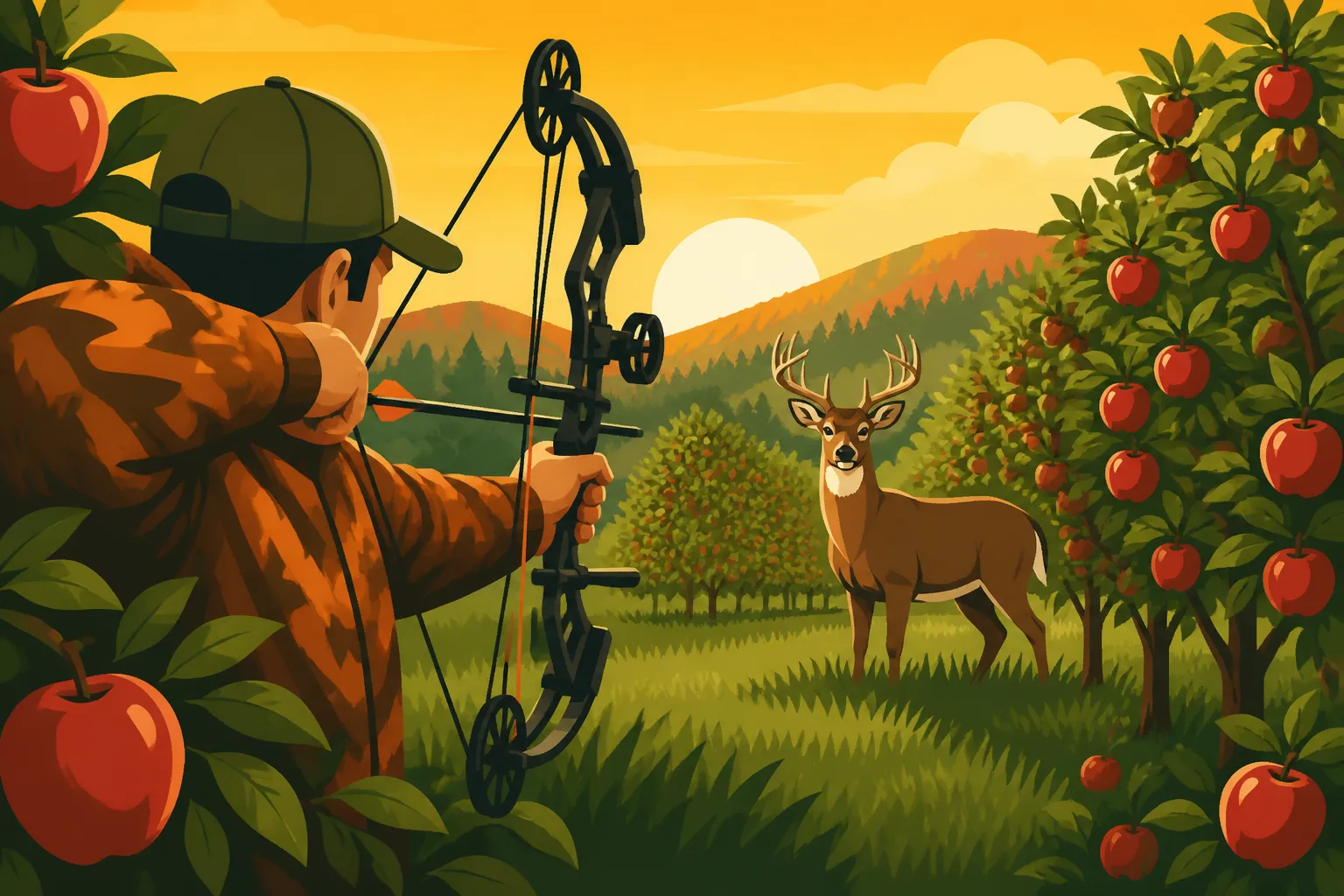
Finding consistent, reliable food sources for deer in New Hampshire can feel like a never-ending puzzle, especially as the seasons change and natural mast crops come and go. But there's one forgotten gem that often holds whitetails year after year, offering excellent hunting opportunities: the standing apple orchard. This guide will walk you through how to effectively scout, set up, and hunt these sweet spots, turning an often-overlooked location into your next favorite deer honey hole.
Why Deer Are Drawn to New Hampshire Apple Orchards
There’s just something about apples that deer can’t resist. Whether they’re wild, feral trees popping up in old clearings, or managed orchards that have seen better days, these spots are goldmines for whitetail activity. The attraction isn't just about the sweet taste; it's a combination of factors that make them irresistible to deer, especially as other food sources begin to dwindle.
The Nutritional Value of Apples for Whitetails
Apples are packed with carbohydrates and sugars, providing deer with a crucial energy boost, especially during the colder months when they’re trying to pack on calories for winter. As the fall progresses and hard mast like acorns become scarcer or are quickly consumed, apples become an increasingly important part of a deer’s diet. Imagine a big, mature buck, focused on the rigors of the rut, needing every bit of energy he can get. A steady supply of fallen apples offers just that. They’ll visit these spots religiously, sometimes even traveling significant distances, because the payoff in terms of nutrition is so high. It’s not just about survival; it’s about thriving.
The Appeal of Hidden Cover and Browse
Beyond the fruit itself, apple orchards often provide excellent cover and browse opportunities. Many old New Hampshire orchards are nestled in areas that might have once been farmsteads, often bordered by thicker timber, old fencerows, or grown-up fields. This means deer can feed on fallen apples while still feeling relatively secure, never too far from an escape route. The trees themselves, especially older, gnarled ones, create natural hiding spots. Furthermore, the undergrowth around these orchards often consists of young saplings and brush, offering additional browse that deer will munch on between apple drops. It's a full-service restaurant and sanctuary rolled into one, making them prime locations even when the apples aren't actively dropping. The edges of these orchards, where they transition into denser woods, are particularly appealing, providing that vital sense of security.
Scouting an Apple Orchard for Deer Sign
You can’t just walk into any old apple orchard and expect to find deer. While the trees might be there, the deer might not be utilizing them, or they might be coming in at specific times and from certain directions. Effective scouting is paramount to understanding how deer are using the orchard and how you can best intercept them. This isn't a quick walk-through; it requires patience, attention to detail, and a good understanding of deer behavior.
Identifying Active Feeding Areas and Travel Routes
When you first step into an orchard, start by looking for fresh sign. The most obvious indicator will be partially eaten or bitten apples on the ground. You'll often see the distinct crescent moon shape where a deer has taken a bite. Also, look for droppings. Fresh deer droppings, especially those containing apple bits, are a dead giveaway that deer are actively feeding there. Scrape lines along a logging road or the edges of the orchard are also critical indicators, especially as the rut approaches.
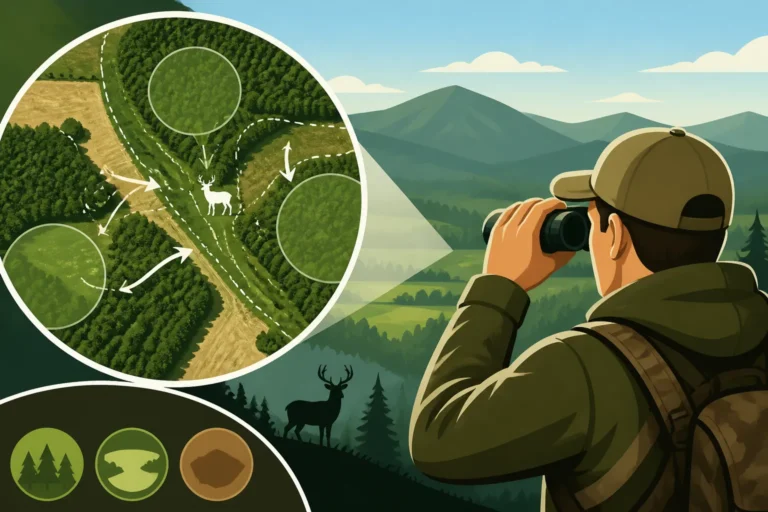
Once you’ve confirmed active feeding, it’s time to figure out their travel patterns. Deer rarely just materialize in the middle of an orchard. They’ll have specific trails leading in and out, often from bedding areas or denser cover. Look for well-worn trails entering the orchard from surrounding woods, particularly those leading to the most active feeding zones. Pay attention to how these trails intersect or parallel old stone walls, thickets, or natural funnels. You might find a primary trail entering on one side and a secondary escape route on the other. Using tools like the GoHunt app or other mapping software to analyze terrain and potential cover can give you a massive advantage here, showing you topo lines, cover changes, and access points that might otherwise go unnoticed. This intel is invaluable for predicting their movements.
Understanding Apple Drop Cycles and Varieties
Not all apples ripen and fall at the same time, and understanding this can drastically impact your hunting success. Early-season apples might be falling during archery season in late September, while some crabapple varieties might hold on well into December, offering Late-Season Food Sources for New Hampshire Whitetails. Different apple varieties have different ripening schedules, creating a staggered buffet for deer.
Table: Common New Hampshire Apple Varieties and Drop Times
| Apple Variety | Typical Drop Period (New Hampshire) | Deer Preference | Notes |
|---|---|---|---|
| Early Mac | Late August – Early September | High | One of the first sweet drops, can attract early-season deer. |
| McIntosh | Mid-September – Early October | High | Classic New England apple, a major draw in early archery. |
| Cortland | Late September – Mid-October | High | Excellent fresh eating, popular with deer. |
| Honeycrisp | Early October – Late October | Very High | Extremely sweet, often a deer favorite if available. |
| Empire | Mid-October – Early November | Moderate to High | Good all-around apple, provides consistent food. |
| Red Delicious | Late October – Mid-November | Moderate | Widely grown, but less intense sweetness for deer. |
| Northern Spy | Mid-November – Early December | Moderate | Tart, but can be a key late-season food source when others are gone. |
| Wild/Crabapples | September – December | Varies, often high | Very hardy, can hold fruit long into winter. |
During your scouting, identify what types of apple trees are present and note their condition. Are they actively producing fruit? Are there specific trees that seem to be dropping more consistently? Sometimes, only a few trees in an entire orchard are truly hot spots. A quick web search for local apple varieties and their typical ripening times can supplement your observations. Pay attention to the ground around specific trees. Some trees might be dropping soft, bruised apples that deer ignore, while others might have firm, desirable fruit.
Setting Up for Success in an Orchard
Once you’ve done your reconnaissance, it’s time to strategize your setup. Hunting an orchard isn't like hunting a ridge line or a thick swamp; the open nature of many orchards requires careful planning to remain undetected and position yourself for a shot.
Choosing Your Stand Location
The number one rule for stand placement in an orchard is to use existing cover to your advantage. Old apple trees often have low-hanging branches, dense foliage, or gnarly trunks that can help break up your silhouette. Look for the tallest, most secluded tree on the downwind side of the active feeding area, ideally overlooking the most used deer trails. You want to be close enough for a good shot but far enough not to be silhouetted against the sky. A good rule of thumb is to place your stand where you can see the trails deer are using to enter and exit, as well as the main feeding zone. If the orchard borders thick timber, consider setting up just inside the timber line, looking out into the orchard. This provides maximum cover and allows you to catch deer as they stage before entering the open. Remember to think about your shooting lanes – clear any branches that might impede a shot, but do so minimally to avoid alarming deer. For archery, this means having clear paths for your arrow. When Hanging a Stand on a Granite Ridge, you're often looking for a similar approach: maximizing cover while maintaining visibility.
If suitable trees are scarce or too small for a tree stand, don't despair! A ground blind can be incredibly effective in an orchard, especially if you can brush it in naturally. Consider setting up a pop-up blind weeks before you plan to hunt to allow deer to get used to its presence. Place it in a spot that offers a good view of the feeding zone and trails, preferably with some natural backdrop like a fencerow or dense brush to help it blend in. Many hunters find success when Using a Ground Blind on Public Land in similar open environments. Make sure your entry and exit routes to the blind are discreet and don't push deer out of the area.
Managing Wind and Entry/Exit Routes
Wind direction is absolutely critical when hunting an apple orchard. Deer have an incredible sense of smell, and in an open environment like an orchard, your scent will carry far. Always hunt with the wind in your favor, blowing your scent away from where you expect deer to approach and feed. Check the forecast religiously, and if the wind isn't right, don't hunt that spot. It's better to wait for optimal conditions than to blow out your honey hole.
Beyond wind, your entry and exit routes are just as important. You want to get to and from your stand or blind without disturbing deer in the area. This means taking routes that utilize natural topography, ditches, or thick cover. If possible, avoid walking through the heart of the orchard, especially if you know deer are feeding. Sometimes, the best approach is a long, roundabout path that keeps you undetected. Consider approaching from a direction where deer typically aren't bedded or don't generally approach from. For example, if deer usually come from a thick swamp to the west, approach from the east if the wind allows. The GoHunt app can be a great tool for planning these routes, allowing you to mark bedding areas, travel corridors, and potential approach paths before you ever step foot in the woods. Always be mindful of noise; crunchy leaves on a fall morning can send deer scattering before you even reach your setup.
Timing Your Hunt for Peak Apple Orchard Activity
Knowing when to be in the orchard is just as important as knowing where to set up. Deer activity around apple trees fluctuates with the season, weather, and hunting pressure. Getting the timing right can mean the difference between seeing plenty of deer and just staring at empty trees.
Early Season: Archery and Fresh Drops
The early archery season in New Hampshire, starting around New Hampshire Archery Season Opening Day, can be fantastic for apple orchards. This is when many of the prime eating apples like McIntosh and Cortland are hitting the ground. Deer are often less pressured at this time and are very focused on these abundant food sources. Early morning and late afternoon are typically the best times. In the morning, deer will be making their way from night feeding back to bedding. In the evening, they'll be emerging from cover to feed. Be in your stand well before first light and stay until legal shooting hours end. Pay close attention to recent rain events; a fresh rain can bring down a lot of apples, creating an instant buffet. A good strategy is to scout immediately after a good windstorm or heavy rain to see which trees have dropped significantly.
Mid-Season: Rutting Bucks and Cooler Weather
As you move into mid-October and early November, especially when New Hampshire's November Firearms Deer Season begins, the rut really starts to kick in. While bucks are increasingly focused on does, they still need to feed, and apples provide crucial energy. During this period, you might see bucks cruising the orchard edges, checking for does that are feeding on apples. The cooler weather means deer are moving more throughout the day, not just at dawn and dusk. This can be a great time to be in an orchard, particularly if it's near good bedding cover. Bucks will often follow doe groups, and if the does are hitting the apples, the bucks won't be far behind. This is when those larger, older bucks might make an appearance during daylight hours, making an unexpected visit as they search for receptive does.
Late Season: Last Drops and Hardier Varieties
Don't overlook apple orchards in the late season, even after the main firearms season has passed and Hunting the December Archery Close is upon us. While most common apple varieties are long gone, hardier varieties like Northern Spy or wild crabapples can still be holding fruit, or late drops from other trees might provide a final caloric boost. These become incredibly valuable when other natural food sources are covered by snow or completely consumed. Deer are desperate for calories at this point and will hit any available food source. While the activity might be less consistent than in the early season, a late-season orchard can be a true gem on a cold, quiet day. Focus on warmer days if possible, as deer tend to move more when it's not bitterly cold, but even on frigid days, they'll need to feed. Pay close attention to trails leading to these remaining food sources, as deer will be using them consistently. Understanding New Hampshire's WMU-Based Deer Season Structure will help you know exactly when these late-season opportunities are available in your specific hunting unit.
Disclaimer
Hunting carries inherent risks, and adherence to all New Hampshire Fish and Game Department regulations is crucial. Always prioritize safety, including the use of proper tree stand harnesses and knowing your shooting lanes. This guide is for informational purposes only and does not supersede official hunting regulations or safety guidelines. Consult the most current New Hampshire hunting digest for all rules and legal requirements.