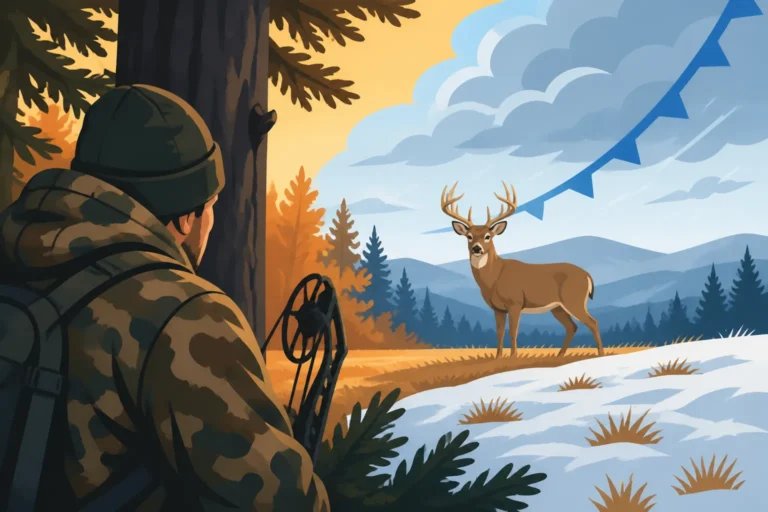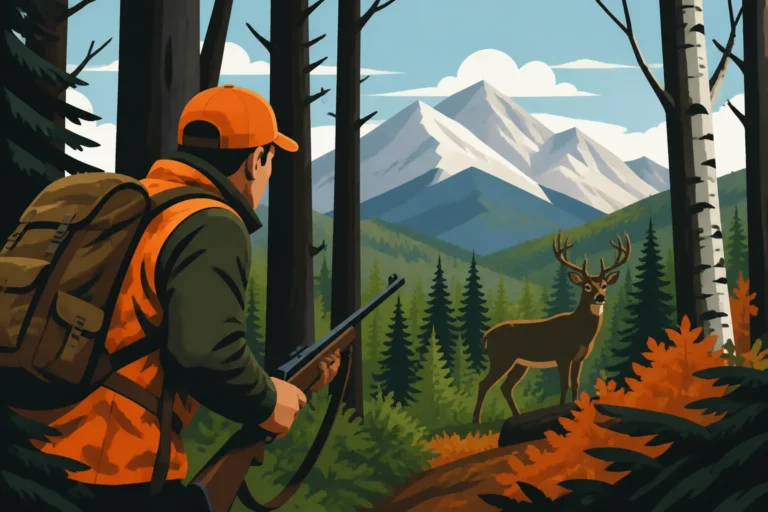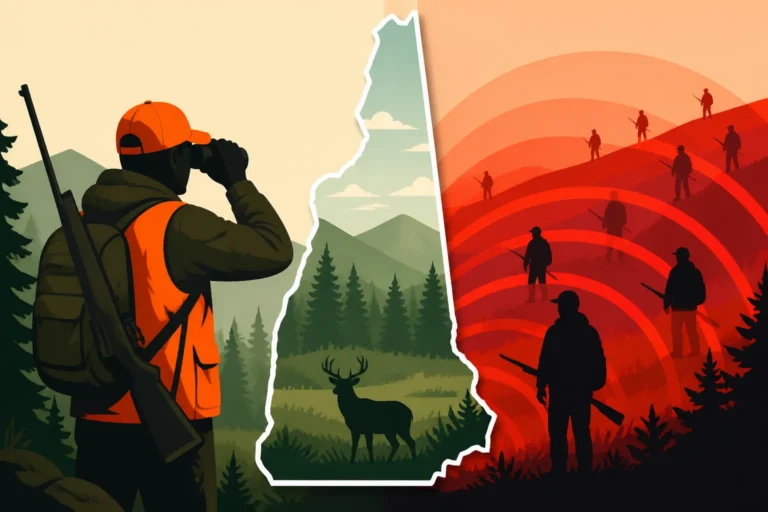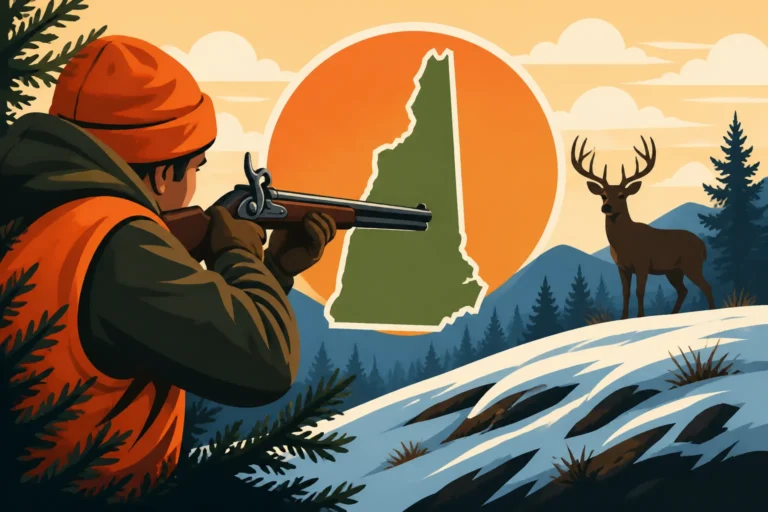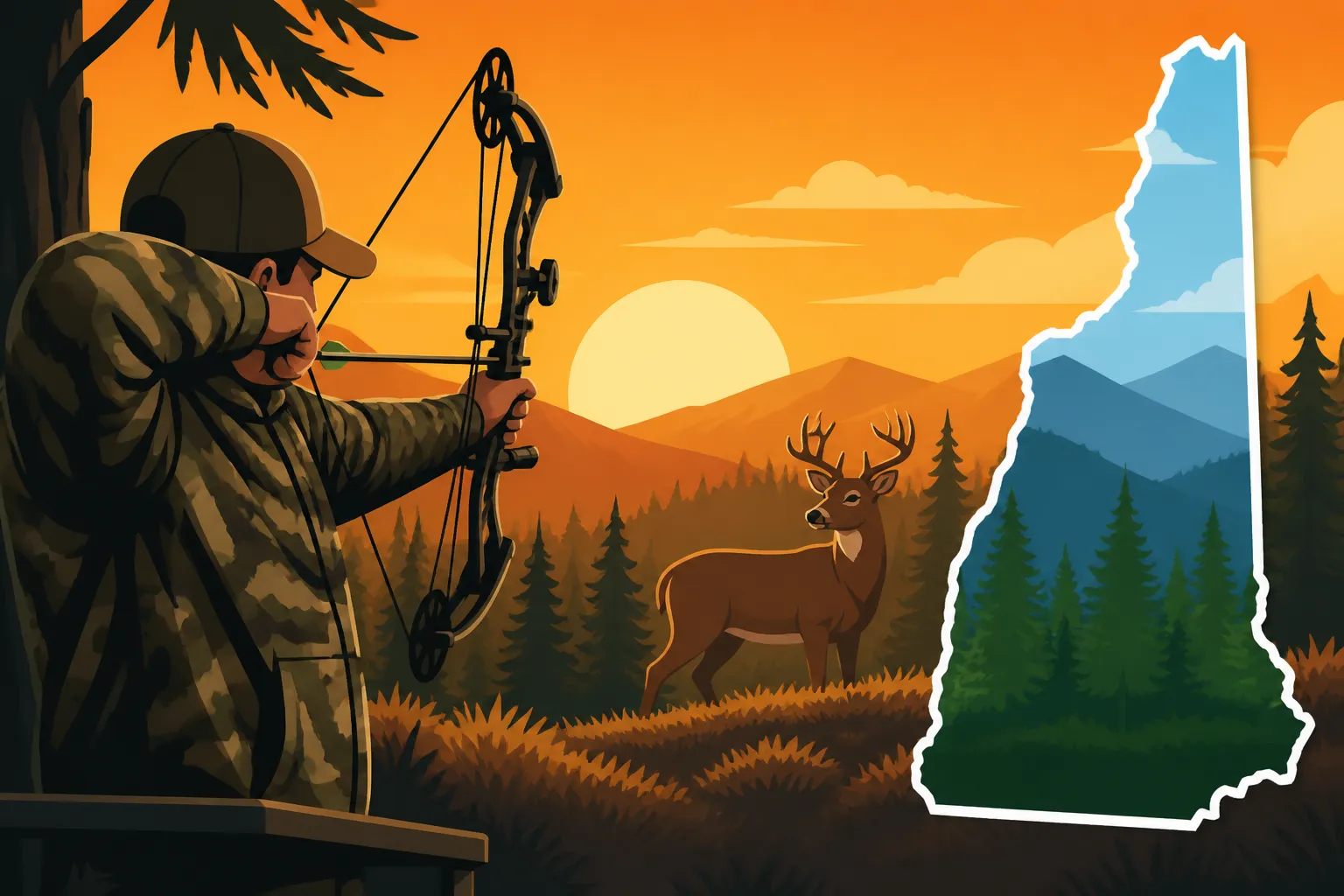
Hunting the Earlier WMU A Archery Close
It can be incredibly frustrating to plan your New Hampshire deer hunt, only to realize that the rules and dates aren't uniform across the entire state. Many archers get caught off guard when they discover that Wildlife Management Unit (WMU) A, often referred to as the North Country, has an earlier archery season close than the rest of the state. This guide will help you understand why WMU A operates differently and how to adapt your hunting strategies to maximize your success before that unique deadline.
Understanding WMU A's Unique Archery Season
New Hampshire's diverse landscape means that deer management isn't a one-size-fits-all approach. WMU A, encompassing a significant portion of the state's rugged northern wilderness, presents specific challenges and opportunities that necessitate its own set of regulations, including a distinct archery season end date. Ignoring these nuances can lead to missed opportunities or, worse, unintended violations.
The Rationale Behind the Earlier Close
The earlier archery close in WMU A isn't arbitrary; it's a deliberate decision by New Hampshire Fish and Game to manage the deer population in a unique and often more challenging environment. This region typically experiences harsher winters, more significant snow depths, and shorter growing seasons compared to the southern parts of the state. These factors lead to a naturally lower deer density and a greater need for conservative harvest management to ensure herd health and sustainability. The goal is often to protect a portion of the antlerless deer population from additional harvest pressure before the firearms season, allowing more does to survive and contribute to the next year's fawn crop in an area where deer recovery can be slower.
Furthermore, WMU A's extensive and remote timberlands mean that deer often have vast areas to roam with less agricultural influence than in other WMUs. This makes them inherently harder to pattern and hunt. By closing the archery season earlier, the state can regulate the overall take more precisely, ensuring that the local deer populations aren't over-pressured by archers before the later, more impactful firearms season begins. It’s about striking a balance to maintain a robust, healthy deer herd in a landscape that's already tough on them.
Key Dates and Regulations
Understanding the specific calendar is paramount for any hunter venturing into WMU A. While much of New Hampshire enjoys a lengthy archery season that often stretches well into December, WMU A's season typically wraps up in early November. This earlier close means you have a tighter window to fill your archery tag, making every scouting trip and every sit in the stand that much more critical. You can always refer to the official New Hampshire Archery Season Dates for the most up-to-date information, but generally, expect WMU A to conclude around the end of the first week or so of November, just before the statewide muzzleloader season kicks in.
Beyond the dates, remember that WMU A falls under the larger New Hampshire's WMU-Based Deer Season Structure which defines specific rules for each unit. While archery equipment regulations remain consistent statewide (minimum draw weight, arrow length, broadhead types), it’s crucial to double-check for any WMU-specific nuances, although usually, the primary difference is the season length. Always carry your valid New Hampshire hunting license and any required permits. Being prepared means knowing your dates, understanding your weapon's legalities, and having all your paperwork in order before you even step foot in the woods.
Strategies for Early Season Success in WMU A
Hunting in WMU A, especially with the earlier archery close, demands a focused and adaptable strategy. You're often dealing with deer that haven't been heavily pressured yet, but their patterns are still dictated by food, water, and security cover, rather than the frenzied pursuit of the rut. This early window is all about precision and understanding fundamental deer needs.
Adapting to Pre-Rut Deer Behavior
In the early part of WMU A's archery season, particularly from late September through October, deer behavior is primarily driven by their stomachs and their desire for safety. Bucks are still often in their late-summer to early-fall patterns, which means they might still be loosely associated in bachelor groups, though these groups usually begin to disband as the season progresses and testosterone levels rise. During this phase, you won't typically see the intense rutting activity or widespread scraping that defines November hunting. Instead, focus on quiet observation and patterning. This means finding those preferred food sources and identifying the most efficient travel routes between bedding and feeding areas.
Still-hunting can be incredibly effective in WMU A's vast timberlands, especially when you’re navigating areas with abundant natural food. Slowly working through a patch of hardwoods with consistent acorn drop, or along a bench where deer might be browsing, can lead to unexpected encounters. Alternatively, setting up a stand or ground blind on a known travel corridor between a bedding thicket and a prime feeding area, or near a well-used water source, can pay dividends. The key is minimal intrusion; deer at this stage are still relatively undisturbed, and any sudden noise or scent can easily send them packing. Consistent scouting, even through tools like GoHunt's detailed maps, is invaluable for uncovering these patterns before the season's early close.
Utilizing Early Season Food Sources
Food is king in the early archery season, and in WMU A, this often means understanding the nuances of natural mast crops and localized agricultural influence. As the leaves begin to turn, deer shift their focus from lush summer browse to the more calorically dense offerings of fall. Hard mast, such as acorns and beech nuts, is a primary draw. If you can locate a ridge or a section of timber with a heavy drop of these nuts, you've found a gold mine. Deer will often congregate in these areas, sometimes feeding for extended periods.
Beyond hard mast, don't overlook soft mast, like wild apples or late-season berries, which can be found in old clearings, along logging roads, or near abandoned homesteads. A healthy patch of wild apples, especially if it's protected from heavy hunting pressure, can be an absolute magnet for deer, offering both food and a sense of security. Identifying these crucial food sources requires dedicated Scouting New Hampshire Public Land Before Season. Use tools like a good mapping app to locate potential orchards or hardwood ridges, and then put boots on the ground to confirm activity, checking for fresh tracks, droppings, and browsed vegetation. For example, knowing how to approach and hunt a specific resource like Hunting a Standing Apple Orchard effectively can significantly increase your odds. Always keep an eye out for fresh sign to pinpoint exactly where deer are concentrating their feeding efforts.
Navigating Terrain and Cover in WMU A
WMU A isn't known for its flat, easy-to-navigate landscapes. This is northern New Hampshire, characterized by rugged mountains, dense forests, and often challenging topography. Understanding how deer utilize this varied terrain for security, movement, and feeding is critical to success during the early archery season.
High Country and Forested Landscapes
The terrain in WMU A often features steep ascents, rocky outcroppings, and expansive tracts of both hardwood and softwood timber. Deer here are masters of using the topography to their advantage, often bedding in dense softwood thickets on north-facing slopes for thermal cover or seeking refuge in the remotest corners of the high country. When scouting, pay close attention to elevation changes. Ridge tops and saddles can act as natural travel corridors, funneling deer movement between different drainage systems or between bedding and feeding areas. A well-placed stand in a Hunting a Granite Ridge Saddle can be incredibly productive, as deer will often take the path of least resistance when moving.
Dense stands of spruce, fir, and pine offer critical thermal and security cover, especially as temperatures drop. Deer will often move into these areas during daylight hours to bed, emerging at dusk to feed. Learning to navigate and hunt these thick cover areas quietly, often referred to as Still-Hunting White Mountain National Forest Timber, requires patience and attention to detail. Focus on the edges of these thickets, or look for less dense travel lanes within them. Don't be afraid to get off the beaten path; the most challenging terrain often holds the least pressured deer. Using a mapping app can help you identify these pockets of cover and plan your approach routes without busting deer.
Water Sources and Travel Corridors
Water is a fundamental necessity for all wildlife, and deer in WMU A are no exception. Streams, rivers, and beaver flowages are not just sources of hydration; they often serve as natural highways and funnels for deer movement. In the early season, when leaves are still on the trees and visibility can be limited, these natural features can simplify your scouting and stand placement significantly. Deer will frequently travel along the edges of these water bodies, especially in areas where dense vegetation provides cover.
A beaver flowage, for example, creates an opening in the otherwise dense forest, and deer will often follow its perimeter to avoid traversing the deeper, swampy sections or the thickest woods. Knowing how to effectively hunt a Hunting a Beaver Flowage Edge can be a game-changer. Similarly, older logging roads, forgotten woods trails, and even subtle changes in elevation that create a "bench" along a hillside can serve as critical travel corridors. These pathways are where you’ll find the most consistent sign—tracks, droppings, and rub lines indicating regular deer activity. Utilizing detailed aerial imagery, like that found on the GoHunt platform, can help you identify these features from afar, allowing you to narrow down your boots-on-the-ground scouting to the most promising locations.
Deer Behavior and Patterns Before the General Archery Close
As WMU A's archery season progresses towards its earlier close, deer behavior subtly shifts. While the full-blown rut might still be a couple of weeks away for most of the state, there are distinct phases and environmental influences that dictate deer activity during this specific window in the North Country. Understanding these can give you a significant advantage.
Post-Summer Bachelor Groups and Separation
At the very beginning of the archery season, particularly in September and early October, you might still encounter bucks traveling in bachelor groups. These groups are relatively laid-back, focusing primarily on feeding and maintaining their velvet-free antlers. They're often quite patternable, moving predictably between secure bedding areas and abundant food sources. This period offers an excellent opportunity to observe and learn specific buck patterns before they become more solitary and erratic. However, as October progresses, rising testosterone levels begin to break these groups apart. Bucks become more irritable with each other, and you'll see them start to move independently.
As the bachelor groups dissolve, bucks will begin to establish their individual ranges and some early, tentative signs of pre-rut behavior might appear. You might see isolated rubs appearing on saplings or a nascent scrape line along a travel corridor. While not yet the intense, aggressive behavior of the peak rut, these indicators show bucks are beginning to mark their territory and become more aware of the does in their vicinity. Your strategy should transition from targeting feeding-focused bachelor groups to identifying individual buck core areas and their primary travel routes, especially those that offer good cover.
The Influence of Weather on Early Activity
Weather plays a huge role in early season deer movement, especially in WMU A where temperature swings can be dramatic. Warmer, Indian summer days can push deer movement into the nocturnal hours. During these periods, deer will often bed down during the daytime in thick, shady cover and only emerge to feed and move extensively under the cover of darkness. If you find yourself hunting during a warm spell, focus your efforts on the first hour of daylight and the last hour of legal shooting light, when deer are most likely to be transitioning between bedding and feeding. Consider hunting near water sources, as deer will need to hydrate more frequently in warmer weather.
Conversely, a cold front moving through—especially one that brings a significant drop in temperature after a period of warmth—can ignite deer activity. These cooler temperatures, often accompanied by crisp, clear skies, encourage deer to be on their feet longer during daylight hours. They’ll be actively feeding to build up fat reserves for the coming winter and feeling more comfortable moving. Pay close attention to these weather shifts, as they offer prime opportunities for increased deer sightings. Understanding Wind and Thermals in Steep Granite Terrain is also crucial; deer will often use these to their advantage, bedding on leeward slopes or utilizing rising thermals in the morning and falling thermals in the evening to detect predators. A solid understanding of daily weather patterns and how they interact with the unique WMU A topography will undoubtedly contribute to your success.
Gear and Planning for WMU A's Archery Season
Hunting WMU A, with its rugged landscape and variable early-fall weather, demands careful consideration of your gear and a meticulous planning approach. Your equipment needs to be robust, adaptable, and suited to the unique conditions of New Hampshire's North Country. Proper planning, from mapping to physical preparation, will dictate your comfort, safety, and ultimately, your success.
Essential Early Season Archery Equipment
When venturing into WMU A for archery, your gear needs to stand up to granite ridges, dense timber, and unpredictable weather. Layering is not just a suggestion; it's a necessity. Start with a moisture-wicking base layer, add insulating mid-layers that can be easily shed or donned, and top it off with a quiet, waterproof outer shell. Early mornings can be frosty, while midday can feel surprisingly warm, especially if you're hiking up a steep incline. For guidance, checking out a resource like Layering for New Hampshire's Cold Hunting Season is a great idea, even for early season, because temperatures can drop quickly. Your boots are arguably your most critical piece of equipment; choose a sturdy, waterproof pair with excellent ankle support and aggressive traction for navigating uneven, rocky, and potentially wet terrain.
As for your archery setup, reliability is key. Ensure your bow is perfectly tuned, and your broadheads are flying true. With the potential for longer shots in more open clear-cuts or across valleys, a high-quality rangefinder is indispensable. Consider an optics harness to keep your binoculars readily accessible and protected, allowing you to constantly scan for deer activity without unnecessary movement. When preparing for your hunt, it's always wise to review comprehensive guides on Bowhunting New Hampshire's Long Archery Season to ensure your setup and approach are optimized for success. Having a lightweight pack with essentials like water, snacks, a first-aid kit, and a headlamp is non-negotiable, especially when hunting remote areas where you might be packing out an animal after dark.
Mapping, Scouting, and Access Considerations
Effective planning for WMU A begins long before you set foot in the woods. Modern mapping applications, such as the GoHunt platform, are invaluable tools for e-scouting. They allow you to analyze satellite imagery, topo maps, and public/private land boundaries from the comfort of your home. Look for potential food sources, thick bedding cover, natural funnels (like saddles, creek bottoms, or power lines), and access points. Identify areas that appear difficult to reach, as these often hold less pressured deer. Remember, the Scouting With the New Hampshire Fish and Game App can also be a fantastic resource for checking regulations and boundaries specific to your hunting area.
Once you have a few promising locations identified, it's time for boots-on-the-ground scouting. While e-scouting provides a macro view, only physical presence will confirm fresh sign, identify hidden trails, and reveal nuances of the terrain. Understand the difference between public and private land, and if hunting private land, ensure you have explicit permission. WMU A contains vast tracts of public land, including portions of the White Mountain National Forest, but it's crucial to know the specific regulations for those areas regarding camping, vehicle access, and stand placement. Always have a backup plan, too, in case your primary spot is already occupied or proves less productive than anticipated.
Ethical Hunting and Local Knowledge
Beyond the technical skills and gear, successful hunting in WMU A, especially with its unique season structure, hinges on a deep respect for the land, the game, and the local regulations. It's about being a responsible steward of the resource and understanding the larger conservation goals.
Understanding Local Game Management Goals
The earlier archery close in WMU A isn't just a hurdle; it's a critical component of New Hampshire Fish and Game's broader strategy for managing deer in the state's most challenging environment. By limiting the archery season length, especially for antlerless deer, the department aims to maintain a healthy breeding population capable of withstanding harsh winters and predator pressure. This is particularly important in the North Country where deer densities are naturally lower than in the fertile southern valleys. As hunters, our adherence to these regulations directly supports these conservation efforts.
It's vital to remember that we are partners in wildlife management. This includes understanding why these specific dates are in place and adjusting our practices accordingly. When you successfully harvest a deer in WMU A, the responsibility doesn't end with field dressing. Accurate and timely reporting of your harvest is crucial data for wildlife biologists. They use this information to assess population trends, evaluate management strategies, and set future season dates and bag limits. Whether you register your deer in person or utilize the online system, fulfilling your New Hampshire Deer Reporting Requirements is a fundamental part of ethical hunting and contributing to the future of the sport in the Granite State.
Respecting the Resource and Other Hunters
Hunting WMU A offers a profound connection to New Hampshire's wilderness. Maintaining the integrity of this experience for ourselves and for future generations means always prioritizing ethical practices. This includes practicing good woodsmanship, which entails leaving no trace, respecting property boundaries, and understanding the impact of your presence. Pack out everything you pack in, and if you come across trash left by others, consider packing that out too. Public lands are a shared resource, and keeping them pristine is everyone's responsibility.
Furthermore, WMU A, while vast, can still see concentrated hunting pressure in accessible areas. Being respectful of other hunters is paramount. This means giving other hunters ample space, avoiding cutting off their access, and communicating if you encounter someone in an area you intended to hunt. A simple conversation can often resolve potential conflicts before they arise. It’s also important to be mindful of sound, especially during peak hunting hours; unnecessary noise can disturb wildlife and impact the hunting experience for everyone. A shared passion for the outdoors and a mutual respect for fellow hunters ensure that the unique archery season in WMU A remains a positive experience for all who venture into its beautiful, challenging landscapes.
New Hampshire WMU A Archery Season at a Glance
To summarize the unique aspects of hunting WMU A during its earlier archery season, here’s a quick reference table:
| Feature | WMU A Archery Season | General NH Archery Season | Impact on Hunter Strategy |
|---|---|---|---|
| Closing Date | Earlier (typically early November) | Later (often into December) | Shorter window, increased urgency in patterning early deer. |
| Deer Density | Generally Lower | Higher in many southern WMUs | Focus on quality sign, remote areas; deer are harder to find. |
| Terrain Characteristics | Rugged, mountainous, dense timber | More varied, includes agricultural land | Prioritize physical fitness, robust gear, and navigation skills. |
| Deer Behavior Focus | Pre-rut patterns, food/cover driven | Can include peak rut to late-season food | Emphasize early season food sources and bedding area transitions. |
| Conservation Goal | Protect breeding population from early pressure | Manage overall population with longer season | Adhere strictly to dates; understand importance of reporting. |
Disclaimer
The information provided in this guide is for general informational purposes only and is not intended as legal advice. Hunting regulations in New Hampshire are subject to change, and it is the hunter's responsibility to consult the most current New Hampshire Fish and Game Department hunting digest and official resources before engaging in any hunting activities. Always prioritize safety, ethical practices, and adherence to all applicable laws and regulations.