New Hampshire’s Moose Permit Lottery
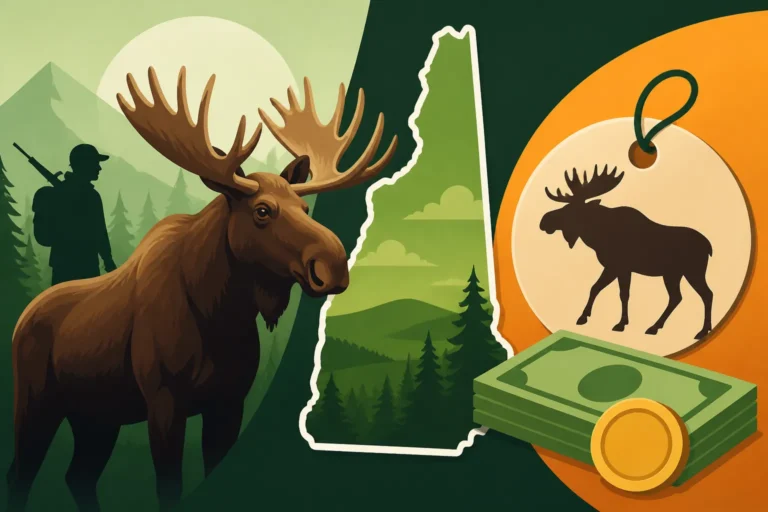
Dreaming of that once-in-a-lifetime New Hampshire moose hunt? It’s a feeling many of us share, but the reality of drawing one of those coveted moose permits can feel like an impossible task, shrouded in mystery and complex rules. This comprehensive guide will pull back the curtain on New Hampshire's moose permit lottery, breaking down everything you need to know from application to the elusive draw, so you can navigate the process with confidence and a clear understanding of your chances.
Understanding the Moose Permit Lottery in New Hampshire
For many hunters, the New Hampshire moose permit lottery isn't just a chance to hunt one of North America's most majestic animals; it's a deep dive into the heart of wildlife management. Unlike deer or bear hunting, where permits are often over-the-counter or easily accessible, a New Hampshire moose tag is a rare, highly controlled commodity. This intentional scarcity is fundamental to the state's wildlife conservation strategy, ensuring the long-term health and sustainability of its moose population. It’s a process that balances hunter opportunity with ecological responsibility, a delicate dance that wildlife biologists constantly fine-tune based on herd health, habitat conditions, and winter tick impacts.
Why New Hampshire Manages Moose Through a Lottery
The primary reason for managing moose through a lottery system in New Hampshire is straightforward: population control and conservation. Unlike white-tailed deer, which thrive and reproduce rapidly across varied habitats, moose populations are more sensitive to environmental changes and reproductive rates are lower. Unchecked hunting pressure could quickly decimate local herds. By issuing a limited number of permits each year, the New Hampshire Fish and Game Department (NHF&G) can precisely manage the harvest, ensuring that only a sustainable number of animals are taken. This precision is crucial, especially given the challenges moose face, such as the increasing prevalence of winter ticks and habitat changes. It's not about making it hard for hunters; it's about making sure there are moose for future generations to hunt and enjoy.
Beyond population numbers, the lottery helps distribute hunting pressure across the state. Without it, certain accessible areas would be hammered, while more remote regions might go under-harvested. The permit system allows the state to allocate permits by specific Wildlife Management Units (WMUs), directing hunters to areas where harvest is most needed or where the population can best sustain it. This targeted approach is a cornerstone of responsible big game management in the Granite State, aiming for a healthy balance across all ecosystems.
The History and Evolution of Moose Management
New Hampshire’s moose population wasn't always as robust as it is today. In the late 19th and early 20th centuries, unregulated hunting and widespread habitat destruction nearly wiped out moose from the state. It wasn't until the mid-20th century, with improved conservation efforts and a natural return of moose from Maine, that the population began to rebound. By the 1980s, moose numbers had grown significantly, prompting the NHF&G to reintroduce a limited hunting season in 1988 with 75 permits issued. That first season was a huge success, and the modern lottery system began to take shape from there.
Over the decades, moose management has continually evolved. Early seasons were cautious, designed to monitor population response and hunter success. As the herd grew, so did the number of permits, peaking in the early 2000s. However, recent years have seen a decline in moose numbers, particularly in the northern regions, largely due to the devastating impact of winter ticks. This has led to a reduction in available permits and a more intense focus on research and proactive management strategies. The lottery system itself has also become more sophisticated, incorporating bonus points and an online application process to streamline the experience and reward persistent applicants. Understanding this history helps contextualize why drawing a permit feels like such an achievement – it truly reflects the hard work and dedication poured into wildlife conservation.
The Role of the Lottery in Conservation and Herd Health
The New Hampshire moose permit lottery plays a vital, active role in wildlife conservation and directly impacts herd health. Each year, wildlife biologists conduct extensive aerial surveys, ground observations, and health assessments to estimate moose populations within each WMU. They look at factors like calf recruitment, cow-to-bull ratios, and overall health indicators, paying close attention to the effects of winter tick infestations, which can severely impact calf survival and adult moose health. Based on this data, they recommend the number of permits to issue, aiming to reduce population density in areas where moose are struggling with winter ticks. This is part of the state's larger effort in New Hampshire's Moose Density Reduction Efforts, designed to give the remaining moose a better chance to thrive.
The lottery isn't just about reducing numbers; it's also about collecting crucial biological data. Successful hunters are required to register their moose, providing invaluable information such as age, sex, and physical condition. This data feeds back into the management models, allowing NHF&G to refine future permit allocations and track the health of the herd over time. When you apply for a moose permit, you're not just hoping for a hunt; you're becoming a participant in a long-standing, science-based conservation effort that ensures New Hampshire’s iconic moose continue to roam the forests for generations to come. It’s a testament to the fact that regulated hunting is an essential tool in modern wildlife management, not a threat to it.
Eligibility and Application Process
So, you've decided to throw your hat in the ring for a New Hampshire moose permit. That's fantastic! But before you start scouting imaginary bogs, you need to understand the nitty-gritty of who can apply and how to actually get your application submitted. It's not overly complicated, but missing a small detail can mean missing out on your chance, and that's a frustration nobody wants. The process is designed to be fair and accessible, but it does require attention to detail, so let's walk through it.
Resident vs. Nonresident Requirements
One of the first things to clarify is your residency status, as this significantly impacts your eligibility and the number of permits available to you. New Hampshire Fish and Game prioritizes its residents, recognizing their direct contribution through taxes and land ownership. Generally, a New Hampshire resident is someone who has resided in the state for at least six consecutive months immediately prior to applying for a license or permit. You'll need proof of residency, like a valid New Hampshire driver's license or voter registration, among other accepted documents.
Nonresidents are absolutely welcome to apply, but the odds are often tougher due to a much smaller allocation of permits. For example, in many WMUs, residents might receive 80-90% of the permits, leaving a much smaller pool for out-of-state applicants. Both residents and nonresidents must be at least 16 years old to apply and hold a valid hunting license at the time of the draw. It’s a good idea to check the specific, up-to-date requirements on the NHF&G website each year, as minor details can sometimes change. This disparity in allocation means that if you're a nonresident, you'll want to pay extra close attention to the "Odds of Drawing a Permit" section later on, because your strategy might need to be even more focused.
Step-by-Step Application Submission Online and by Mail
The beauty of modern technology means applying for your New Hampshire moose permit is usually quite simple. The most common and recommended method is through the NHF&G's online licensing portal. You’ll typically navigate to their official website, find the 'Moose Lottery Application' section, and follow the prompts. This usually involves:
- Creating or Logging In: If you don't have an account, you'll need to create one, providing your personal details. If you've applied before, your bonus points and past information will likely be linked to your existing profile.
- Selecting Your WMU Preferences: This is a critical step. You'll be asked to list your preferred Wildlife Management Units (WMUs) in order of preference. Researching these units beforehand is essential. More on choosing the right WMU later, but for now, know that you’ll rank them.
- Entering Partner Information (Optional): If you're applying as a group, you'll need to enter your partner's information. Remember, if you apply as a group and draw, only one permit is issued, and both individuals must be present during the hunt. This means you need to decide who will be the actual permit holder.
- Payment: There's an application fee, which we'll cover in detail soon. This is typically paid by credit card online.
- Confirmation: Once submitted, you should receive an email confirmation. Keep this for your records!
While online is preferred, you can often still apply by mail. This involves printing the official application form from the NHF&G website, filling it out meticulously, and mailing it with a check or money order for the application fee. Just be sure to mail it well in advance of the deadline to ensure it arrives on time. Remember, no matter how you apply, double-check all your information to avoid any mishaps. It's truly heartbreaking to miss a draw because of a simple typo or incomplete form.
Common Application Mistakes to Avoid
Even with a straightforward process, it's easy to make small, yet critical, errors that can invalidate your application. Trust me, I've heard the stories (and almost made some myself!). Here are some common pitfalls to watch out for:
- Missing the Deadline: This is probably the most common and devastating mistake. The application period usually runs from January through late May. Mark your calendar, set reminders, and don't procrastinate. A late application is an invalid application, plain and simple.
- Incorrect WMU Codes or Preferences: Make sure the WMU codes you enter are accurate and that your preference order genuinely reflects where you want to hunt. Researching New Hampshire's Eight Moose-Permit WMUs extensively before filling this out is paramount. A slip of the finger could put you in a unit you know nothing about or didn't intend.
- Incomplete or Inaccurate Personal Information: Double-check your name, address, date of birth, and hunter education number. Any discrepancy could cause issues during the draw or if you're selected. This is particularly important for nonresidents proving their eligibility.
- Payment Issues: Ensure your credit card information is correct, or if mailing, that your check is properly filled out and signed for the correct amount. A bounced payment means a rejected application.
- Multiple Applications: Submitting more than one application per year, whether individually or as part of multiple group applications, will result in all your applications being disqualified. The system is designed to catch this, and it's a strict rule.
- Failing to Possess a Valid Hunting License: While you don't need to have purchased your current year's hunting license before applying for the moose lottery, you must have a valid New Hampshire hunting license at the time of the draw to be eligible. Many hunters buy their annual license when they submit their moose application to avoid forgetting later.
Avoiding these common mistakes is your first, and arguably most important, step in the journey toward a New Hampshire moose permit. Treat the application process with the seriousness it deserves, and you'll set yourself up for success, or at least, for a fair chance at the draw.
Key Dates and Deadlines
Applying for a New Hampshire moose permit isn't just about filling out a form; it's about playing a strategic game against the calendar. Miss a date, and your dreams of a moose hunt go right out the window for another year. It’s critical to mark these dates and set reminders, because even the most seasoned hunters can get caught up in the busy seasons and let something slip.
Annual Application Period Overview
The New Hampshire moose permit lottery typically opens its application window in mid-January each year. This is your cue to start getting your ducks (or in this case, moose) in a row. The application period then usually runs until late May, specifically the last Friday of May. That might seem like a generous window, but it flies by, especially if you’re trying to coordinate with a hunting partner or finalize your WMU choices.
My advice? Don’t wait until the last minute. Get your application in early. This not only ensures you don't miss the deadline due to unforeseen circumstances (power outage, internet issues, busy schedule) but also gives you peace of mind. The online portal is usually very smooth, but occasionally there can be glitches or high traffic close to the deadline. Submitting early removes that stress. During this period, you can access the application through the NHF&G website's licensing system. Remember, the date you submit your application doesn't affect your chances; it's all about getting it in before the cutoff.
Drawing Dates and Notification Process
The big day! After the application period closes, the waiting game begins. The actual public drawing for the moose permits is typically held in mid-June. It's often a festive event, held at a public venue or broadcast live online, allowing applicants to witness the process firsthand. For many, this is the most anticipated day of the year, filled with nervous excitement.
How will you know if you've won? Successful applicants are generally notified by mail shortly after the drawing. It’s always exciting to see that official envelope arrive! Additionally, the results are typically posted online on the NHF&G website. You can usually search by your name or application number to see if your luck has turned. Sometimes, third-party sites like GoHunt also compile and share results, offering quick ways to check if you’re among the lucky few. If you do draw a permit, expect a wave of congratulations, and possibly some envious stares from your hunting buddies!
Permit Acceptance Deadlines and Procedures
Drawing a permit is exhilarating, but the process isn't over yet! There’s a crucial next step: officially accepting your permit. Along with your notification, successful applicants will receive instructions on how to accept and pay for their permit. This involves a permit acceptance deadline, which is usually a few weeks after the drawing, often in early to mid-July.
You must pay the full permit fee by this deadline. If you fail to do so, your permit will be forfeited and offered to an alternate drawn from a waiting list. This can be a significant cost, especially for nonresidents, so make sure you’re prepared for the financial commitment. Details on the New Hampshire Moose Permit Cost If Drawn will be included with your notification. The acceptance process typically involves either logging back into the online licensing system or mailing in the required payment. Don't let the excitement of drawing overshadow the importance of this final step. Many a hunter has sadly lost their opportunity by forgetting to complete the acceptance process, a truly avoidable heartbreak.
Odds of Drawing a Permit
Let's talk turkey… or rather, moose. The truth is, drawing a New Hampshire moose permit is tough. It's part of what makes it such a sought-after tag. You're not just up against other hunters; you're playing a long game of statistics. But understanding these odds, and the factors that influence them, can help you manage expectations and even refine your application strategy.
Factors Influencing Your Draw Odds WMU, Points, Residency
Several key factors will heavily influence your chances of drawing a New Hampshire moose permit. Understanding them is vital for any serious applicant:
- Wildlife Management Unit (WMU) Choice: This is perhaps the biggest variable. Some WMUs have higher moose populations and thus more available permits, leading to slightly better odds. Other WMUs might be more popular, leading to intense competition for fewer tags. For instance, the remote northern WMUs (like A and B) might have more permits due to higher moose densities, while more accessible or southern WMUs could have very few. You'll want to research specific units, considering factors like terrain, accessibility, and past success rates. Using resources like GoHunt can help analyze these trends.
- Bonus Points: New Hampshire employs a bonus point system to reward persistent applicants. For every year you apply and don't draw a permit, you earn a bonus point. These points accumulate over time. In the draw, for every bonus point you have, your name is entered an additional time into the lottery. So, if you have 5 points, your name goes in 6 times (your current application + 5 bonus points). This significantly increases your statistical chance over someone with fewer points, though it doesn't guarantee a draw. It's a system designed to give long-time applicants a better shot.
- Residency Status: As mentioned earlier, residency is a huge factor. New Hampshire residents generally have significantly better odds than nonresidents because a large majority of permits are allocated to in-state hunters. This is clearly shown in the New Hampshire Moose Draw Odds by Residency statistics. While nonresidents do draw permits, it's often a much longer game for them, requiring more bonus points and a lot of patience.
- Application Method (Individual vs. Group): Applying as an individual or as a group doesn't change the overall odds of your name being drawn, but it does change the number of permits a group application consumes. If a group application is drawn, only one permit is issued to the group. This means fewer unique hunters get permits through group applications, but it gives individuals within a group a shared chance if one of them is picked.
Analyzing Past Draw Statistics
One of the smartest things you can do is delve into past draw statistics. The NHF&G typically publishes data each year, showing the number of applications received, permits issued, and average bonus points of successful applicants for each WMU, broken down by resident and nonresident. This historical data is a goldmine for understanding where your best chances might lie.
For example, you might see that WMU A consistently has better draw odds for residents with fewer bonus points compared to WMU G, where you might need 10+ points as a resident to have a realistic shot. For nonresidents, the numbers are often starker, sometimes requiring a decade or more of accumulated points for a chance in any WMU. Websites like GoHunt often provide excellent analysis of these trends, breaking down the complex numbers into easily digestible insights, helping you refine your WMU choices. This isn't about guaranteeing a permit, but about making an educated guess as to where your accumulated bonus points might be most effective. It helps you understand the realistic landscape of the lottery.
The Reality of a "Once-in-a-Lifetime" Opportunity
Let's be realistic: for many, drawing a New Hampshire moose permit truly is a once-in-a-lifetime opportunity. The numbers are low, especially for nonresidents. In a typical year, hundreds to thousands of applicants compete for a mere few dozen permits statewide. This means years, sometimes decades, can go by without your number being called. It’s the kind of long-shot lottery that demands persistence, a touch of optimism, and a healthy dose of patience.
However, that shouldn't deter you. The dream of hunting New Hampshire's North Country Moose Bog is powerful, and the pursuit itself is part of the experience. Accumulating bonus points year after year is a strategic investment in that dream. For those who do draw, it's an unparalleled adventure, a testament to their dedication, and a truly unforgettable experience. It reminds us of what a New Hampshire Moose Permit Cost for Residents and nonresidents is truly about: an extraordinary chance at a unique hunt. Just remember to temper your excitement with the understanding that this is a long game, and the reward is truly special because of its rarity.
The Cost of a Dream: Application & Permit Fees
Let's talk about the money. While the thought of a New Hampshire moose hunt might be priceless, the actual application and permit certainly aren't free. Understanding the financial commitment upfront is crucial, not just for budgeting, but also to ensure you don't miss any deadlines due to payment issues. These fees directly support wildlife management and conservation efforts in the state, so your dollars are going to a good cause.
Breaking Down the Application Fee
First things first, there's a non-refundable application fee. This fee is relatively modest, typically around $25 for residents and $50 for nonresidents (these figures are approximate and can change, so always check the current NHF&G regulations). This fee covers the administrative costs associated with running the lottery system, processing applications, and maintaining the bonus point system.
It’s important to remember that this is an application fee, not a permit fee. You pay it regardless of whether you draw a permit or not. For many dedicated applicants, especially nonresidents, this annual fee becomes a regular investment in their accumulating bonus points, a consistent commitment to keeping their dream alive. Think of it as buying a small raffle ticket each year for a very big prize. And remember, if you apply as a group, the application fee still applies for each individual in the group, though only one permit would be issued if the group draws.
Understanding Resident Moose Permit Costs
If you're one of the lucky New Hampshire residents whose name is drawn, congratulations! Now comes the actual permit fee. The cost for a New Hampshire resident moose permit is substantially more than the application fee, but it's still a fantastic value for such an incredible hunting opportunity. Typically, a resident moose permit costs around $160.
This fee grants you the legal right to pursue and harvest a moose during the specified season in your assigned WMU. It's a significant financial step, but it’s a necessary one. This revenue directly funds moose research, habitat improvements, and the enforcement of hunting regulations, all vital for the health of the state's moose population. The New Hampshire Moose Permit Cost If Drawn is detailed in your notification packet, and you'll have a specific deadline to pay it. It's an investment in an unforgettable experience and in the future of moose hunting in the Granite State.
Nonresident Moose Permit Costs and Value
For nonresidents, the cost of a moose permit, once drawn, is considerably higher. This is a common practice in wildlife management across states, as nonresidents typically haven't contributed to the state's wildlife conservation through local taxes and hunting license purchases over the years in the same way residents have. A nonresident New Hampshire moose permit usually falls in the range of $1200-$1500 (again, check current regulations for exact figures).
While this is a substantial sum, many nonresidents view it as a worthwhile investment for what could be a truly once-in-a-lifetime hunt. When you consider the cost of guided hunts or out-of-state opportunities for other big game, a self-guided New Hampshire moose hunt, even with the higher permit fee, can still represent a tremendous value. It's important to factor this potential cost into your planning, well before you apply, so you're financially prepared if your number is called. The value isn't just in the opportunity to harvest a moose, but in the entire experience of being immersed in New Hampshire's wild North Country, pursuing an animal that embodies the rugged spirit of the region.
Understanding New Hampshire's Moose Permit WMUs
When you fill out your moose lottery application, you'll be asked to rank your preferred Wildlife Management Units (WMUs). This isn't just a formality; it's a critical strategic decision that can impact your draw odds and your actual hunting experience. New Hampshire's diverse landscape means that moose populations, habitat, and hunting conditions can vary wildly from one WMU to another.
Overview of Moose Management Units WMUs
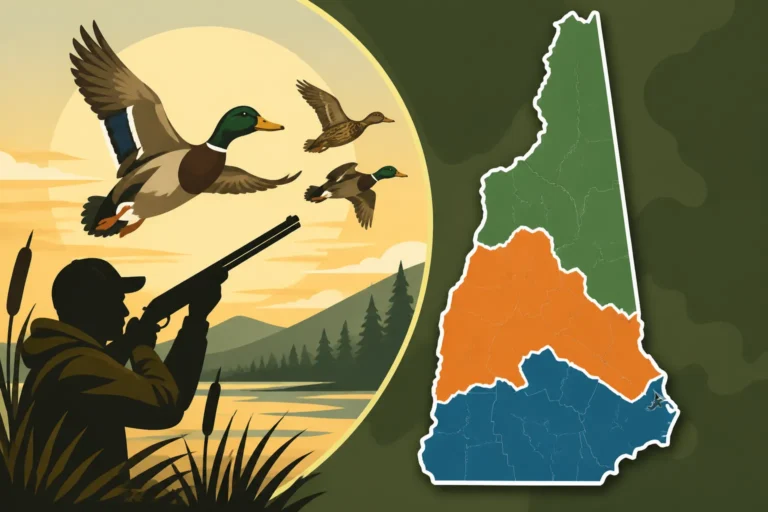
New Hampshire is divided into various Wildlife Management Units (WMUs) for the purpose of managing all game species, including moose. For the moose lottery, the state has specifically designated eight WMUs where permits are issued: A, B, C, D1, D2, E, F, and G. These are the New Hampshire's Eight Moose-Permit WMUs. Each WMU is essentially a distinct geographical area with its own specific characteristics regarding moose density, habitat types, and accessibility.
For instance, WMU A and B are located in the far northern reaches of the state, deep in the "North Country." These areas are characterized by vast tracts of timberland, more remote terrain, and traditionally higher moose populations. In contrast, WMUs like D1, D2, and G are found in the central and southern parts of the state, often closer to human development, with more fragmented habitats, and generally lower moose densities. Each year, the NHF&G biologists assess the moose population health and density within each of these WMUs to determine the number of permits to allocate, aiming to maintain healthy herds while providing hunting opportunities.
Regional Differences and Hunter Success Rates by WMU
The regional differences across these WMUs lead to significant variations in hunter success rates. Understanding these nuances is key to making an informed choice for your application.
- Northern WMUs (A, B, C): These units, located in Coos and northern Grafton counties, typically have the highest moose densities and traditionally the highest permit allocations. The habitat is dominated by expansive forests, logging operations, and remote wilderness areas. While success rates can be high here, the hunting can be physically demanding, requiring hunters to navigate vast tracts of public and industrial timberland. Expect to potentially put on miles and utilize logging roads for access. The challenge here is less about finding a moose, and more about navigating the terrain and getting one out.
- Central WMUs (D1, D2, E, F): These units encompass areas like the Lakes Region (D1, D2) and parts of the White Mountain National Forest (E, F). Moose populations here are generally lower than in the far north, but they are still present in huntable numbers. These areas might offer a mix of private and public lands, and terrain can range from rolling hills to steep mountain slopes. Success rates can be variable, often depending on localized moose concentrations and hunter scouting efforts. Access might be easier in some spots, but moose can be more scattered.
- Southern WMU (G): WMU G covers parts of southwestern New Hampshire. Moose densities here are the lowest among the permit units, and permit allocations are consequently very small. Hunting in this area might be characterized by smaller woodlots, more fragmented habitat, and more interactions with private landowners. Drawing a permit for WMU G is extremely difficult, and success rates can be lower due to the sparse population. However, an intrepid hunter who draws here might have an incredibly unique experience in an unexpected location.
When researching WMUs, look at the historical hunter success rates. NHF&G publishes annual harvest reports that break down success by WMU. This data can be invaluable for setting realistic expectations and strategizing your permit application.
Choosing the Right WMU for Your Hunt
Selecting your preferred WMUs on the application is a deeply personal and strategic decision. Don't just pick the one with the highest permit numbers; consider what kind of hunt you’re looking for and what resources you have.
- Assess Your Experience and Physical Condition: Are you prepared for a rigorous backcountry hunt in the remote North Country, potentially facing challenging terrain and a long pack-out? Or would you prefer an area with more accessible roads and perhaps flatter terrain, even if moose are sparser?
- Research Moose Density and Habitat: Use NHF&G resources, topographical maps, and tools like GoHunt to understand the typical moose habitat and population trends in each WMU. Are there specific clear-cuts, bogs, or timber stands that attract moose?
- Consider Access and Land Ownership: While all permit WMUs have huntable moose, the mix of public vs. private land, and the presence of logging roads, can greatly affect your scouting and hunting strategy. Knowing the White Mountain National Forest's hunting rules, or how to get private land permission in New Hampshire, might be crucial depending on your chosen WMU.
- Analyze Draw Odds vs. Desirability: Sometimes, a WMU with slightly lower odds might align better with your hunting style and resources, making it a "better" choice for you even if it’s not the easiest tag to draw. Conversely, you might decide to go for the highest odds WMU, even if it means a more challenging hunt, simply to get a tag.
- Bonus Points Strategy: If you have accumulated a lot of bonus points, you might strategically target a WMU with historically tougher odds, knowing your points give you an advantage. If you have few points, you might opt for WMUs with higher allocations to try for an early draw.
Ultimately, your WMU choice is about balancing your personal hunting goals with the realities of moose populations and draw statistics. Take the time to make an informed decision, because once that permit is drawn, you’re committed to that specific area for your hunt.
What Happens After You Draw a Permit
The moment you find out you’ve drawn a New Hampshire moose permit is incredible. All those years of applying, all those bonus points, culminate in this one glorious notification. But the work doesn't stop there; in fact, it's just beginning. The period between drawing the permit and the actual New Hampshire Moose Season Dates is crucial for preparation, strategy, and logistics to ensure you make the most of this extraordinary opportunity.
Planning Your Hunt: Scouting and Preparation
Drawing a permit is just the opening act; the real show is the preparation that follows. You've got your WMU, now it's time to become an expert on it.
- Deep Dive into Maps and Aerial Imagery: Get physical maps and use digital mapping tools like onX Hunt. Scout virtually, identifying potential moose habitat: beaver flowages, clear-cuts, dense softwood thickets, water sources, and logging roads. Look for topography that might funnel moose movement.
- Boots-on-the-Ground Scouting: If at all possible, plan scouting trips to your WMU well before the season. Look for fresh sign: tracks, rubs, browsed vegetation, and bedding areas. Pay attention to traditional travel corridors. This is where you connect your map research with reality. If you're hunting the remote North Country, this might mean a multi-day hike.
- Understanding the Season: New Hampshire's moose season is typically short, lasting only about nine days in mid-October. This means you need to maximize your time in the woods. Plan your hunt around these dates, taking vacation time as needed.
- Gear Check and Preparation: A moose hunt is physically demanding. You’ll need rugged boots, good layering for cold and wet weather, and reliable navigation tools. Don't forget sturdy game bags, knives, a bone saw, and a pack frame or game cart capable of handling hundreds of pounds of meat. Thinking about Packing for a Nine-Day Moose Hunt well in advance is essential. Ensure your rifle or bow is sighted in and you're proficient with your chosen weapon.
Tagging and Reporting Requirements for Moose
Once you've successfully harvested a moose, the legal and ethical responsibilities kick in immediately. New Hampshire has strict tagging and reporting requirements, and adhering to them is paramount.
- Immediate Tagging: As soon as you kill a moose, you must immediately attach your permit tag to the animal. The tag must be securely fastened to the carcass in a visible location. This ensures that the animal is legally tagged and accounted for, preventing any confusion or illegal activity.
- Registration: Within a specified timeframe (usually within 24-48 hours, check the regulations explicitly), you must register your moose with the NHF&G. This can often be done at designated check stations or, in some cases, online or via a mobile app. The registration process collects vital biological data, including the WMU, date of kill, sex, and sometimes even a tooth for aging the animal. This information is critical for wildlife biologists to monitor the moose population and set future permit numbers. Make sure you understand the New Hampshire Deer Reporting Requirements, which can be similar for moose.
- Permit Holder Presence: If you applied as a group, the actual permit holder must be present during the hunt and at the time of tagging and registration. This is a strict rule to prevent abuse of the system.
Field Dressing and Meat Care Logistics
This is where the real work begins after the shot. Moose are massive animals, and getting the meat properly cared for and out of the woods is a monumental task that requires a plan.
- Immediate Field Dressing: As soon as the moose is down and tagged, begin field dressing. This involves removing the internal organs to cool the carcass quickly, which is critical for meat quality, especially in warmer October weather. Be prepared with sharp knives, a game bag for the heart and liver, and a plan for disposal of entrails. Learn how to perform Field Dressing a Moose in the North Country – it's a different beast than a deer.
- Quartering vs. Whole Carcass: Due to the sheer size and weight of a moose (often 600-1000+ pounds dressed), rarely is it feasible to drag an entire animal out of the woods. Most hunters choose to quarter the moose in the field. This involves breaking the animal down into manageable pieces (quarters, backstraps, tenderloins, neck meat, rib meat).
- Meat Protection: Once quartered, the meat should be immediately placed into breathable game bags to protect it from dirt, insects, and scavengers. Hang the quarters if possible to allow for further cooling.
- Extraction: This is often the hardest part. You’ll need a robust plan for Getting a Moose Out on a Logging Road or through the woods. This might involve multiple trips with pack frames, a game cart, an ATV (where legal), or even horses. It's a strenuous effort, often requiring multiple people and considerable time. Be prepared for a long day (or two!) of hard labor.
- Cooling and Processing: Once the meat is out, transport it to a cool, clean environment as quickly as possible. This might be a cooler filled with ice, a walk-in cooler, or a local butcher shop. Proper cooling is essential to prevent spoilage. You'll then need to process the meat yourself or take it to a professional butcher.
This entire sequence, from drawing the permit to having fresh moose steaks in the freezer, is an immense undertaking, but it's one that defines the incredible challenge and reward of a New Hampshire moose hunt.
Maximizing Your Chances Legally
While the New Hampshire moose lottery is largely a game of chance, there are legitimate strategies you can employ to legally maximize your statistical odds over the long term. This isn't about cheating the system; it's about understanding how the system works and playing within its rules to your best advantage. Patience, persistence, and smart planning are your allies here.
Accumulating Bonus Points and Their Impact
The most significant way to increase your odds is by consistently accumulating bonus points. As mentioned, for every year you apply for the lottery and don't draw a permit, you earn one bonus point. These points are cumulative and never expire. When the drawing occurs, each bonus point you have effectively gives you an additional "entry" into the lottery. For example, if you have 10 bonus points, your name will be entered 11 times (your current application + 10 bonus points).
The impact of bonus points is profound. While someone with zero points has only one entry, a long-time applicant with many points has a significantly better statistical chance of being drawn. This system rewards dedication and persistence, giving those who have waited many years a well-deserved advantage. Your primary strategy should therefore be simple: apply every single year, without fail. Even if you're not planning to hunt that particular year, paying the application fee to earn a bonus point is a wise long-term investment in your future moose hunting dreams. Many hunters find using resources like GoHunt helpful in tracking their bonus points and understanding their potential impact on draw odds by WMU.
Group Applications and Strategy
New Hampshire allows for group applications, typically consisting of two individuals. If a group application is drawn, only one permit is issued to the group, and both individuals must be present during the hunt. This can be a strategic way to increase your collective chances, but it's important to understand the nuances.
- Shared Chance, Single Permit: If you apply as a group, and your group's application is drawn, it uses up one permit. However, if both individuals in the group have a high number of bonus points, your collective chance of one of you being drawn can be higher than if you applied individually with fewer points. The group's bonus points are typically averaged, or the person with the most points contributes the most to the 'entries' for the group. Always check the specific rules on how group points are calculated, as this can vary.
- Designating the Permit Holder: If your group is drawn, one person will be designated as the permit holder. This person is responsible for the permit fee and must be present during the hunt, tagging, and registration. It's crucial to decide this beforehand to avoid any last-minute disagreements.
- Strategic Pairing: If you're going to apply as a group, consider pairing up with someone who also has a high number of bonus points. Two individuals with 10+ points each will statistically have a much better chance as a group than one person with 10 points and another with zero. However, remember you're still only drawing one permit. For this reason, many persistent hunters with a high number of points choose to apply individually to maximize their personal chance at a single permit.
Staying Informed About Regulation Changes
Wildlife management regulations are not static; they evolve based on population trends, scientific research, and environmental factors. Staying informed about these changes is crucial for a successful and legal application process and hunt.
- Annual Digest Review: Every year, the New Hampshire Fish and Game Department publishes an official Hunting and Trapping Digest. This document is your bible. It contains all the updated rules, regulations, season dates, WMU boundaries, permit allocations, and application instructions. Read it cover to cover, paying close attention to any changes from previous years.
- NHF&G Website and Newsletters: The NHF&G website is an invaluable resource for real-time updates, news releases, and announcements regarding the moose lottery and overall wildlife management. Sign up for their newsletters or follow their social media channels to ensure you don't miss critical information.
- Consult Experienced Hunters: Talk to other experienced New Hampshire hunters. While regulations are the official source, veteran hunters often have practical insights into how changes might impact hunting strategies or the application process.
By staying informed, you can adapt your strategy, avoid potential pitfalls, and ensure you're always operating within the legal framework, maximizing your chances for that incredible New Hampshire moose hunt when your number finally comes up.
| WMU (Wildlife Management Unit) | Primary Region | Terrain & Habitat Notes | Resident Permits (Typical) | Nonresident Permits (Typical) | Resident Draw Odds (w/ 0 points) | Nonresident Draw Odds (w/ 0 points) |
|---|---|---|---|---|---|---|
| A | North Country | Vast timber, remote | 15-25 | 1-3 | ~1:100 | ~1:1000+ |
| B | North Country | Heavily forested, bogs | 15-25 | 1-3 | ~1:100 | ~1:1000+ |
| C | North Country | Mix of forest/agriculture | 5-10 | 0-1 | ~1:200 | ~1:2000+ |
| D1 | Lakes Region | Mixed forest, lakeshore | 3-7 | 0 | ~1:300 | Very Low/N/A |
| D2 | Lakes Region | River valleys, fragmented | 3-7 | 0 | ~1:300 | Very Low/N/A |
| E | White Mountains | High elevation, rugged | 5-10 | 0-1 | ~1:250 | ~1:2500+ |
| F | White Mountains | Foothills, mixed forest | 5-10 | 0-1 | ~1:250 | ~1:2500+ |
| G | Monadnock | Woodlots, southern hills | 1-3 | 0 | ~1:500 | Very Low/N/A |
| Note: Numbers are approximate averages based on historical data and can vary significantly year to year. "Typical" nonresident permits often mean 0 for many WMUs in many years. Always consult the current NHF&G annual digest for precise, up-to-date information. |
Disclaimer
The information provided in this guide is for general informational purposes only and is subject to change. Hunting regulations, permit allocations, fees, and season dates are determined by the New Hampshire Fish and Game Department and can be updated annually. Always consult the official New Hampshire Fish and Game Department website and the current year's Hunting and Trapping Digest for the most accurate and up-to-date regulations before applying for any permits or engaging in hunting activities. The author and publisher are not responsible for any errors or omissions, or for any actions taken based on the information provided herein. It is the individual hunter's responsibility to know and abide by all applicable laws and regulations.