New Hampshire’s WMU-Specific Bear Season
Hunting bear in New Hampshire is an incredible experience, but the regulations, especially regarding season dates, can feel like navigating a dense, fog-filled forest. It’s not a one-size-fits-all statewide opener; instead, our bear season is intricately tied to individual Wildlife Management Units (WMUs), making it a puzzle for many hunters trying to plan their fall pursuits. This comprehensive guide is designed to cut through that confusion, helping you understand the nuances of New Hampshire's WMU-specific bear seasons, from baiting and hounds to general firearms, so you can plan your hunt with confidence and clarity.
Understanding New Hampshire's Wildlife Management Units (WMUs)
Before we can dive into the nitty-gritty of bear season dates, we first need to grasp what a Wildlife Management Unit (WMU) actually is and why it's so fundamental to hunting in the Granite State, particularly for bears. These aren't just arbitrary lines on a map; they are the backbone of how New Hampshire manages its diverse wildlife populations, ensuring healthy numbers and sustainable hunting opportunities.
What Are WMUs and Why Do They Matter for Bear?
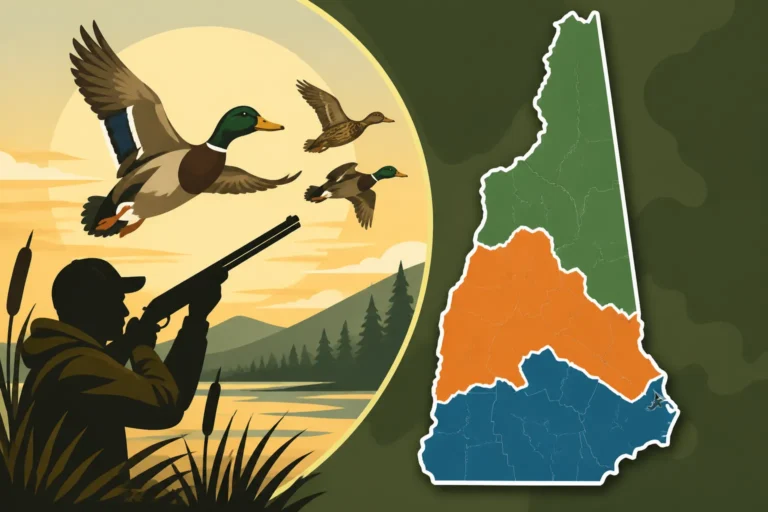
Wildlife Management Units (WMUs) are distinct geographical areas established by the New Hampshire Fish and Game Department. Think of them as localized management zones, each with its own unique characteristics in terms of habitat, human population density, and, crucially, wildlife population dynamics. For bear hunting, these distinctions are absolutely paramount. Bear populations are not evenly distributed across our state; some WMUs, particularly in the northern and western reaches, boast robust, healthy populations, while others in more settled, southern areas might have fewer bears or different management objectives.
The Fish and Game Department uses these WMUs to tailor hunting regulations, including season lengths, bag limits, and permitted hunting methods, to the specific conditions within that particular area. This localized approach allows them to address everything from population control in areas with high bear-human conflict to ensuring healthy breeding populations in prime bear habitat. For hunters, this means that the rules you follow in WMU A could be vastly different from those in WMU M, even if those WMUs are relatively close to one another. Understanding this localized management is the first step in successful bear hunting here.
How to Identify Your Hunting WMU
With season dates and regulations hinging so heavily on WMUs, accurately identifying the WMU you plan to hunt in is non-negotiable. Luckily, New Hampshire Fish and Game makes this information readily available, but it requires a bit of homework on your part. The official New Hampshire Fish and Game website is your primary source, offering detailed maps that clearly delineate all the WMU boundaries. You can often find these maps in the annual hunting digest as well, which is an indispensable resource.
For a more modern approach, I highly recommend using a mapping application on your smartphone or GPS device. Apps like GoHunt are invaluable for overlaying WMU boundaries directly onto satellite imagery and topographic maps. This allows you to pinpoint your exact location within a WMU, even in the remotest corners of the state. Before heading out, always double-check your intended hunting spot against these official maps. Imagine the frustration of setting up a perfect bait site, only to realize later you're in a WMU where that season hasn't opened yet, or worse, has already closed. A quick check of your WMU ensures you’re hunting legally and effectively.
The Rationale Behind WMU-Specific Bear Seasons
It's easy to wonder why New Hampshire doesn't just have one statewide bear season. The answer lies deep in wildlife biology and sound management practices. The varying terrain, food sources, and human population density across the state create vastly different environments for bears, and therefore, different challenges and opportunities for their management.
Population Dynamics and Habitat Management
New Hampshire's bear population is a dynamic entity, constantly shifting and adapting. In the expansive, heavily forested regions of the North Country, where human presence is sparse and natural food sources like mast crops and berries are abundant, bear populations tend to be denser and more robust. Conversely, in the more developed southern WMUs, bears might exist in smaller, more fragmented pockets, often in closer proximity to residential areas and agricultural lands.
The Fish and Game Department diligently monitors these populations through various methods, including harvest data, research studies, and even den observations. This data informs their decisions on how to manage the bear herd. If a WMU shows a rapidly growing population that could lead to increased conflicts with humans or an unsustainable strain on local resources, managers might implement earlier, longer, or more liberal hunting seasons. Conversely, in areas where bear numbers are stable or perhaps more sensitive, seasons might be shorter or more restricted to ensure the long-term health of the population. It’s a delicate balancing act, all aimed at fostering a healthy, sustainable bear population statewide while minimizing negative interactions.
Balancing Hunter Opportunity and Conservation Goals
Another critical aspect of WMU-specific seasons is the careful balance between providing ample hunting opportunities and achieving specific conservation and management goals. New Hampshire's bear population has seen remarkable growth over the past few decades, a true conservation success story. With this success, however, comes the responsibility to manage the population thoughtfully.
Different hunting methods, such as baiting and hound hunting, have varying levels of effectiveness in harvesting bears. By adjusting the season dates for each method within specific WMUs, Fish and Game can fine-tune the harvest. For example, in WMUs where a higher harvest is desired to stabilize a growing population or mitigate conflicts, baiting seasons might open earlier and run longer. In areas where the goal is to maintain a stable population, or where habitat conditions naturally make bears harder to find, seasons might be more conservative. This granular approach allows managers to effectively manage bear numbers, prevent overpopulation, reduce nuisance bear complaints, and still offer diverse and rewarding hunting experiences across the state. It’s about leveraging every tool in the toolbox to ensure bears thrive for generations to come, while also giving hunters a fair shot.
Overview of New Hampshire Bear Hunting Methods
New Hampshire offers hunters a unique array of methods to pursue black bears, each with its own set of traditions, challenges, and, critically, specific regulations tied to those aforementioned WMUs. Understanding these methods and their associated rules is paramount to a successful and legal bear hunt in the Granite State.
Hunting Over Bait: A Popular and Regulated Method
Hunting over bait is a deeply rooted tradition in New Hampshire, particularly in the northern and western WMUs, and it remains one of the most popular and effective ways to harvest a bear. This method involves establishing a bait site, typically consisting of various food items, to attract bears to a predictable location, allowing hunters to wait in a stand or blind for an opportune shot. The success of baiting often hinges on understanding local bear movements, weather patterns, and, of course, adherence to strict regulations.
It's not as simple as just dumping out some donuts; baiting requires a significant time commitment, from scouting potential sites to consistently replenishing bait and monitoring for bear activity with trail cameras. The allure of a steady food source can draw bears from a wide area, making it a highly effective method for those willing to put in the work. However, because of its effectiveness and the potential for misuse, baiting is heavily regulated, with specific opening and closing dates by WMU, as well as rules regarding bait types, site location, and sanitation.
Hound Hunting: Tradition Meets Strict Rules
Another time-honored tradition in New Hampshire is hunting bear with hounds. This method involves using specially trained dogs to track and tree or bay a bear, allowing the hunter to approach and dispatch the animal. Hound hunting is an incredibly active and physically demanding pursuit, requiring well-conditioned dogs, experienced handlers, and a deep understanding of canine behavior and bear tracking.
The thrill of hearing the hounds on a fresh track, the chase through rugged terrain, and the eventual baying of a bear is an experience unlike any other. However, just like baiting, hound hunting is subject to rigorous regulations, with specific season dates that vary by WMU, often opening later than baiting seasons. These rules are in place to ensure ethical hunting practices, minimize stress on the bears, and prevent conflicts with other landowners or wildlife. Hunters pursuing bears with hounds must also be keenly aware of private land boundaries and retrieval laws, as a bayed bear can lead you far afield. It's an intense method that calls for dedication and respect for the tradition and the animals.
Still-Hunting and Spot-and-Stalk
While baiting and hound hunting often dominate the discussion around New Hampshire bear seasons, still-hunting and spot-and-stalk methods are also viable and rewarding options. Still-hunting involves moving slowly and deliberately through bear habitat, pausing frequently to observe and listen, hoping to intercept a bear as it goes about its natural routine. This method relies heavily on keen observation skills, knowledge of bear sign (tracks, scat, rubs), and an intimate understanding of terrain and wind direction.
Spot-and-stalk, though perhaps more common in open Western landscapes, can also be effective in New Hampshire, particularly in areas with good visibility like logging cuts, power line clearings, or open mast-producing ridges. This involves locating a bear from a distance – often with binoculars – and then planning a careful, concealed approach to get within shooting range. These methods are generally less restricted by WMU-specific season dates, falling within the overall general bear season framework for firearms. However, they demand a higher degree of woodsmanship, patience, and the ability to adapt to changing conditions. For those who enjoy the challenge of outsmarting a bear on its own terms, still-hunting and spot-and-stalk offer a truly primal and satisfying experience.
Detailed Breakdown of Bear Season Dates by WMU
The complexity of New Hampshire's bear season truly shines when you start looking at the specific dates for each WMU and method. It’s not just a matter of knowing when bear season is, but where and how you can hunt during that time. This granular approach allows the New Hampshire Fish and Game Department to fine-tune harvest goals and manage populations effectively across diverse landscapes.
Early Archery and Bait Seasons
For many New Hampshire bear hunters, the season kicks off with the earliest opportunities: archery and baiting. These methods often coincide, especially in WMUs with healthy bear populations or those needing additional harvest pressure. Typically, the earliest bear seasons open in the northern and western WMUs (like A, B, C, D1, D2, E, F, G, H1, H2, I1), often starting in early September. This early window takes advantage of bears actively feeding before denning, often on abundant natural food sources or, for those who choose, on established bait sites.
The beauty of these early seasons is the chance to hunt in relatively comfortable weather, often overlapping with the start of the general archery deer season. This means you might be in the woods for a whitetail, and a bear opportunity presents itself. However, early season also means more foliage, which can make visibility challenging. Hunters utilizing bait in these early WMUs must remember that there are strict rules not only for the dates you can hunt over bait, but also for when you can start placing bait and when you must remove it. It’s a carefully orchestrated dance between hunter effort and wildlife management. You'll need to check the New Hampshire Bear Season Opening Day for your specific WMU to ensure you're compliant.
Mid-Season and Firearms Overlap
As September progresses into October, more opportunities, especially for general firearms hunting, begin to open up in various WMUs. This mid-season window often sees the introduction of general firearms hunting for bear, either continuing a trend from the early bait and archery seasons or beginning as a fresh opportunity in WMUs with different management strategies. The foliage begins to turn and drop during this period, offering increased visibility, which can be a real advantage for still-hunting or spot-and-stalk methods.
Some WMUs might have their bait seasons extending through this period, or even closing right as general firearms open, creating a dynamic shift in hunting pressure and tactics. It's during this time that the bear's drive to put on weight before denning is at its peak, making them quite active. Hunters need to pay close attention to the specific weapon regulations for their chosen WMU, as well as the exact opening and closing dates. Missing a few days because you didn't consult the digest could mean missing your shot at a mid-season bear.
Late-Season Hound and General Firearms Opportunities
The bear season can stretch quite deep into the fall in certain WMUs, particularly for hound hunting. While baiting seasons typically conclude by mid-October, the hound season often opens a bit later and can run into late October or even early November in specific WMUs (like A, B, C, D1, D2, E, F). This later season, with its colder temperatures and often less dense foliage, can be prime time for houndsmen, as bears are still active but tracks are easier to follow and sightlines improve.
For general firearms hunters, too, some WMUs offer opportunities well into November, sometimes overlapping with parts of the firearms deer season. This can be a challenging but rewarding time to hunt, as bears are still on the move, searching for any remaining food sources before denning. However, by late season, bears can be more scattered and less predictable, often seeking out dense cover for their winter slumber. Regardless of method, hunting in late fall demands careful attention to weather conditions, bear sign, and, as always, the incredibly specific WMU dates. Always consult the official New Hampshire Fish and Game digest or use a reputable mapping tool like GoHunt to confirm the precise dates for your target WMU before every hunt. A quick glance at this table might help:
WMU Group General Bear Season (Firearms/Archery/Still-Hunt) Baiting Season (Open/Close) Hound Season (Open/Close) Key Characteristics & Notes
: In this article, the frustration is the complexities of season rules, especially across different WMUs. This guide will clarify those rules, ensuring you're always within the bounds of the law and maximizing your chances for a successful bear hunt.
New Hampshire's WMU-Specific Bear Season
Hunting black bears in New Hampshire is a thrilling pursuit, but it comes with a unique layer of complexity that often stumps even experienced hunters: the season dates and legal hunting methods vary significantly depending on the Wildlife Management Unit (WMU) you're in. This isn't just a minor detail; it’s the cornerstone of effective bear management in the state, designed to balance healthy bear populations with local ecological and social factors. Understanding these WMU-specific rules is not just about staying legal; it's about maximizing your hunting opportunities and truly understanding the landscape you're traversing.
Many hunters find themselves scratching their heads when trying to decipher the sometimes-conflicting opening and closing dates for baiting, hound hunting, and general firearms seasons. It's frustrating to pour over the regulations, thinking you've got it figured out, only to realize the rules change just a few miles down the road in an adjacent WMU. This often leads to missed opportunities or, worse, unintended violations. But don't worry, we’re going to break down why these rules exist and how to navigate them so you can hunt New Hampshire bears with absolute confidence.
The Foundation: What Are WMUs and Why Bears Care
New Hampshire's Wildlife Management Units (WMUs) are distinct geographical regions established by the New Hampshire Fish and Game Department to manage wildlife populations on a localized basis. Think of them as individual ecological zones, each with its own unique characteristics regarding habitat, human development, and prey availability. For a wide-ranging, intelligent animal like the black bear, these distinctions are incredibly important. Bear populations are not uniform across the Granite State; they ebb and flow based on food availability, wilderness connectivity, and pressure from human encroachment.
For example, the vast, unbroken forests of WMU A in the North Country support a different density and behavior of bears than the more fragmented, agricultural landscapes of WMU K in the southern tier. The Fish and Game Department uses WMUs as their primary tool to tailor management strategies. This means that harvest goals, nuisance bear mitigation efforts, and, consequently, hunting season structures are all designed with the specific bear population and human interaction patterns of each WMU in mind. Ignoring these WMU boundaries is like ignoring property lines; it's a fundamental error that can derail your entire hunt.
Decoding Your WMU: Tools for the Modern Hunter
Knowing precisely which WMU you intend to hunt in is the first, non-negotiable step to planning your bear season. For many years, hunters relied on paper maps and the annual hunting digest to trace these boundaries, a process that could be cumbersome and prone to error in dense woods or along indistinct lines. While the official New Hampshire Fish and Game website and printed digest remain authoritative sources, modern technology offers far more precise and convenient ways to identify your hunting WMU.
Mapping applications for smartphones and GPS devices have revolutionized how hunters interact with land boundaries. Platforms like GoHunt, for instance, offer robust mapping capabilities that allow you to overlay WMU boundaries directly onto topographic maps, satellite imagery, and even private land ownership data. This means you can pinpoint your exact location in real-time and confirm which WMU you're standing in, or planning to hunt. Before you even pack your bear rifle or set up your first bait site, take the time to familiarize yourself with these digital tools. They can save you immense frustration and ensure that your hard-earned time in the woods is spent legally and effectively, without any nagging doubts about where you stand in relation to those critical WMU lines.
Why Bear Seasons Shift by WMU and Method
The varied bear season dates across New Hampshire’s WMUs and the differing lengths for methods like baiting, hounds, and general firearms are not arbitrary. They are the result of rigorous scientific research, population modeling, and careful consideration of both wildlife biology and social factors. It's easy to wish for a simpler, statewide season, but the complexities reflect a thoughtful approach to managing a thriving yet adaptable species.
Population Management: Tailoring Harvest to Local Needs
One of the primary drivers behind WMU-specific season dates is the need to manage bear populations effectively at a local level. Bear densities, growth rates, and reproductive success can vary significantly from one region of New Hampshire to another. In the northern and western parts of the state (e.g., WMUs A, B, C), where vast tracts of forestland provide ample habitat and fewer human-bear conflicts, the population might be robust and able to sustain a longer, more liberal hunting season. Here, the goal might be to manage population growth to prevent overpopulation or significant expansion into marginal habitats.
Conversely, in WMUs closer to urban centers or agricultural areas (e.g., WMU M, J2), bear populations might be smaller, more susceptible to habitat fragmentation, or generate more nuisance complaints related to property damage or public safety. In these areas, the Fish and Game Department might implement shorter, more restricted seasons to maintain a stable population, or use specific season lengths to address localized issues. This targeted management ensures that hunting pressure is applied where it's most needed and where the bear population can best withstand it, preventing both localized over-harvest and uncontrolled growth that could lead to increased conflicts. It's a testament to the department's commitment to data-driven conservation.
Method-Specific Considerations: Leveraging Hunting Tools
Beyond just WMU-specific dates, New Hampshire's bear seasons also vary by hunting method: baiting, hunting with hounds, and still-hunting/spot-and-stalk with firearms or archery. Each method has a different level of effectiveness and requires distinct conditions for success, which directly influences when and where they are permitted.
Baiting, for instance, is highly effective because it concentrates bears to a predictable location. Its season is often set earlier in the fall, capitalizing on bears’ intense feeding activity (hyperphagia) as they bulk up for winter hibernation. By setting specific baiting windows, managers can control a significant portion of the annual harvest. Hound hunting, while also very effective, is a more active pursuit. Its season often extends later, as falling leaves improve visibility and colder temperatures create better scenting conditions for dogs. This method provides a different set of challenges and opportunities, particularly in tracking bears that might be more dispersed. Still-hunting and spot-and-stalk with general firearms or archery often align with broader bear season frameworks, offering flexible options for hunters who prefer to pursue bears on their natural routes. The varying start and end dates for each method across WMUs are carefully calculated to distribute hunting pressure, manage harvest quotas, and provide diverse opportunities while keeping conservation at the forefront.
Understanding New Hampshire Bear Hunting Seasons by Method
New Hampshire offers hunters multiple avenues to pursue black bears, each rooted in tradition and governed by specific regulations. Knowing the ins and outs of each method's season — when it opens, when it closes, and what unique rules apply — is essential for any bear hunter. It’s not enough to simply know "bear season"; you need to know "bear season for baiting" or "bear season for hounds" within your specific WMU.
Hunting Over Bait: Strategic Opening and Closing Windows
Hunting bear over bait is a popular and highly effective method in New Hampshire, particularly in the northern and western WMUs where bear populations are robust. The baiting season is typically structured with specific opening and closing dates for placing bait and hunting over it, which vary significantly by WMU. Generally, these seasons kick off in early September, running through mid-October in many of the designated WMUs. This early fall timeframe is strategic, as it coincides with the bears' crucial hyperphagia phase—a period of intense feeding as they build fat reserves for winter hibernation. During this time, bears are highly motivated to find calorie-rich food sources, making bait sites particularly attractive.
The regulations around baiting are stringent, covering not only the season dates but also the types of bait allowed, the quantity, the distance from dwellings and public roads, and the requirement to remove all bait and associated materials by the season's end. For example, WMUs like A, B, C, D1, D2, E, F, G, H1, H2, I1 often have substantial baiting seasons. The specific start and end dates can fluctuate slightly year to year based on population assessments, so always consult the most current New Hampshire Fish and Game digest or use a reliable app like GoHunt to confirm the precise calendar for your chosen WMU. Misunderstanding these specific dates, especially when you can legally start baiting and stop baiting, can lead to frustration or, worse, unintended legal issues.
Hound Hunting: A Later, Extended Pursuit
Hunting bear with hounds is a time-honored tradition in New Hampshire, demanding skill, dedication, and well-trained dogs. The hound season typically opens later than the baiting season in many WMUs, often starting in late September or early October and extending well into November in several northern WMUs. This later timing is advantageous for hound hunting for several reasons: the cooling temperatures improve scenting conditions for the dogs, and the dropping leaves significantly increase visibility in the woods, making it easier for hunters to navigate and ultimately locate a treed or bayed bear.
WMUs like A, B, C, D1, D2, E, F generally offer the longest hound seasons, reflecting the extensive wildland habitat and robust bear populations in these areas. However, specific closing dates can still vary, with some WMUs ending their hound season earlier than others. Hunters participating in a New Hampshire Bear Baiting and Hound Rules hunt must also adhere to specific regulations regarding dog licensing, identification, and the ethical pursuit of bears. Retrieving dogs or bears that cross private property lines without permission is another critical consideration, underscoring the need for careful planning and landowner relations. The pursuit of a bear with hounds is a dynamic and physically demanding experience, and understanding the precise, WMU-specific season dates is foundational to a successful and ethical hunt.
Still-Hunting and Spot-and-Stalk: General Season Opportunities
For those who prefer a more solitary, traditional approach, still-hunting and spot-and-stalk methods offer excellent opportunities to pursue New Hampshire black bears. These methods involve quietly moving through bear habitat, searching for fresh sign or spotting bears from a distance, and then attempting a careful, concealed approach. The beauty of still-hunting and spot-and-stalk is their flexibility; they are generally permitted during the broader general firearms or archery bear seasons, which can encompass varying dates depending on the WMU.
In WMUs that have early baiting and archery seasons, still-hunters and spot-and-stalk hunters can begin their pursuit right alongside. In other WMUs, the general season might open later, often coinciding with firearms deer season. The tactics for these methods revolve around understanding bear behavior: identifying natural travel corridors, feeding areas (especially mast crops like acorns and beech nuts), water sources, and bedding thickets. As leaves fall and visibility improves in late October and November, still-hunting becomes increasingly effective. This is particularly true in areas like the White Mountain National Forest, where knowledge of the terrain and thermals is key for Still-Hunting White Mountain National Forest Timber. While these methods don't have the distinct "opening days" of baiting or hounds, their success is still dictated by the WMU's overall bear season framework, requiring hunters to be equally diligent in checking the specific dates for their chosen hunting grounds.
Detailed Breakdown of WMU Bear Season Dates
Navigating the exact bear season dates for New Hampshire’s WMUs can feel like deciphering a complex calendar, but with a clear understanding of the zones and methods, it becomes much more manageable. These dates are crucial, as they dictate precisely when and how you can legally hunt bear in any given area.
Early Archery and Bait Seasons: Kicking Off the Fall
For many New Hampshire bear hunters, the excitement begins in early September with the opening of archery and bait seasons in various WMUs. These early dates are typically found in WMUs with healthy bear populations where managers aim for a significant harvest. WMUs such as A, B, C, D1, D2, E, F, G, H1, H2, and I1 often see their bear baiting seasons open by the first week of September, running through much of October. Archery hunting for bear, without bait, generally aligns with these dates or slightly wider windows, often starting in early September and extending into November.
The strategy behind these early openers is to capitalize on bears' intense feeding activity (hyperphagia) as they prepare for hibernation. Natural food sources like acorns, beech nuts, and berries are often abundant, making bears active and predictable. For bait hunters, this means establishing sites well in advance, usually at least two weeks before the season opens, to allow bears to find and frequent the bait. The longer baiting seasons in these northern and western WMUs reflect the higher bear densities and the effectiveness of this method in achieving harvest objectives. Hunters looking to specifically take advantage of early baiting should consult the New Hampshire Bear Season Dates by WMU for the current year to ensure they are compliant with both bait placement and hunting dates.
Mid-Season and Firearms Overlap: Expanding Opportunities
As September turns to October, the bear hunting landscape in New Hampshire evolves, with general firearms seasons beginning to open in several WMUs. While archery and baiting might continue, this period marks a significant expansion of hunting opportunities. WMUs that had early baiting seasons may see a continuation, or their baiting season might close just as general firearms hunting for bear becomes legal.
In some WMUs, like I2, J1, J2, K, L, and M, the general firearms season for bear might open in mid-October. These WMUs, often closer to developed areas, might have shorter or later seasons due to lower bear densities or different management goals focused on minimizing conflicts. During this mid-season, the foliage begins to thin, improving visibility, which can be a boon for still-hunters and spot-and-stalk enthusiasts. Bears are still actively foraging, though their patterns might shift as natural food sources diminish and hunting pressure increases. This overlap period is critical for hunters using various methods, as success often hinges on adapting tactics to changing conditions and knowing the precise weapon-specific dates for each WMU. For example, understanding how firearms overlap with other methods can be key for a successful mid-season hunt.
Late-Season Hound and General Firearms Opportunities: A Chilly Pursuit
For the most dedicated bear hunters, especially those employing hounds, the season can stretch well into late fall. While baiting seasons typically conclude by mid-October across the state, hound hunting often extends deeper into November, particularly in the northern and western WMUs (A, B, C, D1, D2, E, F). These later hound seasons are often favored due to improved scenting conditions for dogs on colder, often damp ground, and significantly better visibility in the woods with most leaves down. The pursuit of a bear with hounds at this time can be physically demanding but incredibly rewarding, offering a unique challenge as bears start thinking about denning.
Even for general firearms hunters, a few WMUs might offer late-season opportunities into November, sometimes even briefly overlapping with the popular firearms deer season. However, these late-season chances for general firearms bear hunting are less common and typically shorter in duration, reflecting specific population management needs. By this point in the season, bears are heavily focused on finding a den site or foraging on any remaining hard mast. Success requires patience, extensive scouting for fresh sign, and often the willingness to brave colder weather. Hunters must be meticulous in checking the specific closing dates for their chosen WMU and method, as seasons can shut down abruptly, preventing any last-minute attempts. This is a time when understanding animal behavior in extreme conditions is paramount, particularly if you're Cold-Weather Sitting Strategy in the North Country.
Navigating Bear Baiting Regulations by WMU
Bear baiting is a highly effective and popular hunting method in New Hampshire, particularly in WMUs with robust bear populations. However, its effectiveness necessitates strict regulations to ensure ethical practices, minimize human-bear conflicts, and manage the bear harvest responsibly. Understanding these rules, which vary by WMU, is absolutely critical for any hunter wishing to use bait.
Permitted Baiting Windows and Site Setup
The first and most important rule for bear baiting in New Hampshire is adhering to the WMU-specific baiting windows. These windows dictate not only when you can legally hunt over bait but also when you can start placing bait and when all bait and associated materials must be removed. For instance, in many of the northern and western WMUs (like A, B, C, D1, E), baiting season might open in early September and run for several weeks, while in some southern WMUs, the season might be shorter or non-existent. It is your responsibility to check the exact opening dates for bait placement and bait hunting for your specific WMU each year, as these can shift slightly.
Beyond the calendar, the physical setup of your bait site is also heavily regulated. Bait sites cannot be placed within 300 feet of a dwelling, public road, trail, or waterway. All bait must be contained in such a way that it cannot be consumed by non-target wildlife (e.g., in a secure drum or log pile). Furthermore, all bait materials, including containers and any artificial attractants, must be completely removed from the woods by a specified closing date, typically within a few days of the bait hunting season concluding. Neglecting to remove bait is not only illegal but can habituate bears to human food sources, leading to nuisance issues. Utilizing tools like GoHunt to mark your bait site and measure distances can be incredibly helpful in ensuring compliance with these spatial rules.
Legal Bait Materials and Prohibited Items
What you can actually use as bear bait in New Hampshire is also strictly defined, and understanding these rules is essential to avoid breaking the law. Generally, legal bait materials include pastries, bread, fruits, vegetables, grains, and certain meat products (like bacon grease or suet). The key is that the bait must be digestible by bears and not attract undue attention from domestic animals or pose a health risk to other wildlife.
However, there are explicit prohibitions you must be aware of. For instance, it is strictly illegal to use chocolate or any confectionery containing chocolate, as it contains theobromine, which can be toxic to bears and other wildlife. It is also illegal to use domestic animal carcasses or parts thereof (excluding rendered fats), petroleum products, or any materials that are not readily digestible. The logic here is to prevent the spread of disease, reduce the potential for attracting unwanted scavengers, and avoid introducing substances harmful to wildlife. A quick reference to the annual New Hampshire Hunting Digest will provide the most up-to-date and comprehensive list of legal and prohibited bait items. Adhering to these guidelines ensures your baiting efforts are ethical, legal, and truly contribute to a sustainable hunting experience. For specific details, you should consult the New Hampshire Natural Lure Restrictions to ensure your bait choices are always compliant.
Hound Hunting Seasons and Restrictions
Hunting bear with hounds is a time-honored tradition in New Hampshire, a pursuit that demands dedication, skilled dogs, and a deep understanding of the regulations. While exhilarating, it’s a method that comes with its own set of WMU-specific season dates and strict rules designed to ensure ethical hunting and minimize conflicts.
WMU-Specific Hound Season Openers and Closures
Unlike baiting, which generally starts earlier, New Hampshire's hound hunting season typically opens later in the fall and often extends further into the colder months. This timing is strategic: dropping leaves improve visibility, and cooler, often damp, weather enhances scenting conditions, making it easier for hounds to track bears. The exact opening and closing dates for hound hunting are highly specific to each WMU, with the northern and western units (e.g., A, B, C, D1, D2, E, F) usually offering the longest and latest seasons. These WMUs boast vast tracts of undeveloped forestland, ideal for the wide-ranging nature of a hound pursuit.
For example, you might find hound seasons opening in late September or early October and running through late October or even early November in some areas. However, WMUs in the more populated southern regions may have significantly shorter or even no designated hound season, reflecting lower bear densities and greater potential for human-wildlife conflict. It’s imperative to consult the annual New Hampshire Hunting Digest or use a detailed mapping app like GoHunt to pinpoint the precise opener and closer for the WMU you intend to hunt. Misjudging these dates can not only lead to a wasted trip but also serious legal ramifications.
Ethical Considerations and Legal Requirements for Hound Hunters
Beyond the season dates, hound hunting in New Hampshire comes with a host of ethical considerations and legal requirements that all participants must rigorously adhere to. Foremost among these is the responsibility for your dogs. All hounds used for bear hunting must be properly licensed and visibly identified, typically with a collar bearing the owner's name and contact information. Furthermore, hunters are legally responsible for controlling their dogs and preventing them from trespassing on private land without permission. A bear chase can cover many miles, often crossing property lines, making pre-scouting and establishing good landowner relations absolutely critical.
Ethically, hound hunters are expected to ensure the well-being of their dogs and the quarry. Dogs should be well-conditioned and healthy, and hunters must be prepared to humanely dispatch a bear once it is treed or bayed. Disturbing other wildlife or causing undue stress to a bear are also serious concerns. Moreover, hunters must be acutely aware of retrieval laws: if a bear or a dog crosses onto posted private property, you generally need explicit landowner permission to retrieve it. This often means knocking on doors in New Hampshire farm country or contacting landowners well in advance of the season. Adhering to these rules isn't just about legality; it's about upholding the integrity of the hunting tradition and showing respect for both wildlife and private property.
Essential Licensing and Reporting Requirements for Bear Hunters
Successfully hunting black bear in New Hampshire isn't just about knowing the WMU-specific seasons and methods; it also hinges on understanding and fulfilling the necessary licensing and reporting requirements. These steps are crucial for funding wildlife management, contributing to vital population data, and ensuring that future bear hunting opportunities remain strong.
Securing Your New Hampshire Bear License
Before you even step foot in the woods with the intent to hunt bear, securing the correct licenses and permits is absolutely mandatory. For both residents and non-residents, a basic hunting license is the first requirement. Beyond that, New Hampshire requires a specific bear license, often an add-on to your general hunting license. This can typically be purchased online through the New Hampshire Fish and Game Department's licensing portal, or in person at various license agents across the state.
The cost of these licenses varies depending on residency, with non-resident licenses naturally being more expensive. If you plan to hunt bear over bait, you will also need an additional special permit for that method, which is distinct from your general bear license. This baiting permit ensures that Fish and Game can track baiting activity and manage its impact on the bear population. Always double-check the current year's regulations for any new permit requirements or fee changes. Carrying proof of your valid licenses and permits while hunting is not just a good idea; it's often a legal requirement. Don't let a simple paperwork oversight derail an otherwise perfectly planned bear hunt. You can also explore options like New Hampshire Resident License Options or New Hampshire Nonresident License Options to understand the full suite of required documentation.
Mandatory Bear Reporting and Biological Samples
Harvesting a bear in New Hampshire is a moment of triumph, but it immediately triggers another crucial responsibility: mandatory reporting and, often, the submission of biological samples. New Hampshire Fish and Game requires all harvested bears to be reported within 12 hours of being taken. This can usually be done online through their reporting system or, during specific blackout periods for online registration, at designated in-person check stations. This immediate reporting is vital for managers to gather real-time harvest data, which directly influences future season settings and population models.
Beyond the initial report, hunters are also often required to provide specific biological samples from their harvested bear. The most common requirement is the submission of a premolar tooth, which allows biologists to accurately determine the bear's age. Information on the bear's sex, the WMU where it was harvested, and the date of harvest are also collected. These samples and data points are indispensable for understanding the health, age structure, and reproductive success of the bear population across different WMUs. This scientific data is the backbone of sustainable wildlife management, enabling New Hampshire Fish and Game to make informed decisions that ensure healthy bear populations for generations to come. Neglecting to report your bear or provide the required samples not only breaks the law but undermines the very science that supports your hunting opportunities.
Strategic Considerations for Hunting Specific WMUs
Understanding the WMU-specific rules is one thing; successfully applying them in the field is another. New Hampshire's diverse terrain and varying levels of hunting pressure mean that a "one-size-fits-all" strategy simply won't cut it. To truly maximize your chances, you need to tailor your approach to the specific characteristics of your chosen WMU.
Scouting and Habitat Assessment for Your Chosen WMU
Effective bear hunting in New Hampshire begins long before the season opener, with thorough scouting and habitat assessment of your chosen WMU. Bears are creatures of habit, driven by food availability and security. However, what constitutes "prime bear habitat" can look vastly different from one WMU to another. In the dense, mountainous terrain of WMU E, you might be looking for beech ridges heavy with nuts, logging cuts offering berry patches, or low-lying swampy areas for cover and water sources. Conversely, in WMU H1, which features more farmland, you might focus on edges of cornfields, old apple orchards, or thick wooded corridors connecting food sources to bedding areas.
Your scouting efforts should involve more than just walking. Utilize aerial maps and topographic maps (again, tools like GoHunt are invaluable here) to identify potential pinch points, clear-cuts, mast-producing stands of timber, and dense cover. Look for fresh bear sign: scat (especially with berry seeds or corn kernels), tracks in mud or soft earth, claw marks on trees, and flipped rocks or logs indicating foraging activity. Pay attention to water sources, especially during dry spells. Understanding the unique food sources and cover types within your WMU will be the single most important factor in locating bears and predicting their movements. Don't underestimate the power of pre-season legwork; it directly translates to in-season success. For example, if you're in a heavily timbered region, learning how to recognize Finding Sign in White Mountain Timber can give you a significant advantage.
Adapting Tactics to WMU-Specific Pressures and Terrain
Once you’ve identified your WMU and assessed its habitat, the next crucial step is adapting your hunting tactics to the specific pressures and terrain you’ll encounter. Hunting pressure varies wildly across New Hampshire’s WMUs. Public land in easily accessible WMUs closer to population centers might see significant hunter traffic, especially during popular seasons. In such areas, bears quickly become nocturnal or move into the densest, most inaccessible cover. Here, your tactics might need to shift to targeting early morning or late evening movements, or focusing on remote pockets that other hunters overlook. Learning to hunt Finding Ground Others Walk Past is a skill worth developing.
Conversely, in the vast wilderness of the North Country (e.g., WMU A or B), pressure might be lighter, allowing bears to maintain more natural patterns. However, the terrain itself presents challenges, with steep grades, thick bogs, and vast expanses requiring robust physical conditioning and excellent navigational skills. For still-hunters, this might mean adjusting your pace, using thermals to your advantage in mountainous terrain, or focusing on subtle features like saddles and benches. For bait hunters, site selection becomes even more critical, ensuring your bait is placed in an area that minimizes human disturbance while still being accessible to bears. Being able to adjust your approach based on whether you're Hunting a New Hampshire North Country Moose Bog or Hunting the Monadnock Region Hills will be the difference between a frustrating season and a successful one.
Disclaimer
The information provided in this guide is for general informational purposes only and is not intended as legal advice. Hunting regulations, season dates, and licensing requirements in New Hampshire are subject to change. It is the individual hunter's responsibility to consult the most current official New Hampshire Fish and Game Department hunting digest and regulations prior to any hunting activity to ensure full compliance with all applicable laws and rules.