Cold-Weather Sitting Strategy in the North Country
There’s nothing quite like the crisp, biting cold of a New Hampshire autumn or early winter morning when you’re headed out for a long sit in the woods. That initial chill can quickly turn into bone-deep misery if you haven't prepared correctly, making even the most promising hunting spot unbearable. This guide is all about equipping you with the strategies, gear insights, and mental fortitude to not just endure, but thrive during those frigid, long sits in our North Country.
Pre-Hunt Preparation: Your Foundation for Cold-Weather Success
The battle against the cold is often won or lost long before you ever step foot out of your truck. Proper planning and preparation are absolutely paramount, especially when facing the unpredictable, often brutal conditions of New Hampshire’s North Country. It’s not just about throwing on extra layers; it’s about a calculated approach to insulation, nutrition, and even your mental state. Skimp here, and you’ll find yourself back at camp before noon, defeated by the elements.
Building a Smart Layering System
When the mercury drops, your clothing isn't just an outfit; it's a carefully engineered personal heating system. Simply piling on bulky sweaters often leads to overheating during the hike in, followed by a sweat-drenched, freezing sit. A truly effective cold-weather strategy in New Hampshire relies on a multi-layered approach that traps warm air, wicks moisture, and provides adaptable insulation.
Start with a quality base layer that’s designed to wick moisture away from your skin. Merino wool or synthetic materials are your best friends here, as cotton is an absolute no-go – once it gets wet, it stays wet, and you’ll be dangerously cold. On top of that, you’ll want a good mid-layer, perhaps a fleece jacket or a puffy vest, to provide initial insulation. This is where you trap air, which is the true insulator. For your outer shell, think windproof and waterproof. Our New Hampshire weather can turn on a dime, especially up north, bringing unexpected rain, sleet, or heavy winds that can cut through lesser materials like a knife. This outer layer needs to shed precipitation and block wind while still allowing some breathability. For more detailed insights on how to build this crucial defense, check out our guide on Layering for New Hampshire's Cold Hunting Season. Remember, the ability to add or remove layers quietly is key to regulating your temperature as you hike in and then settle down.
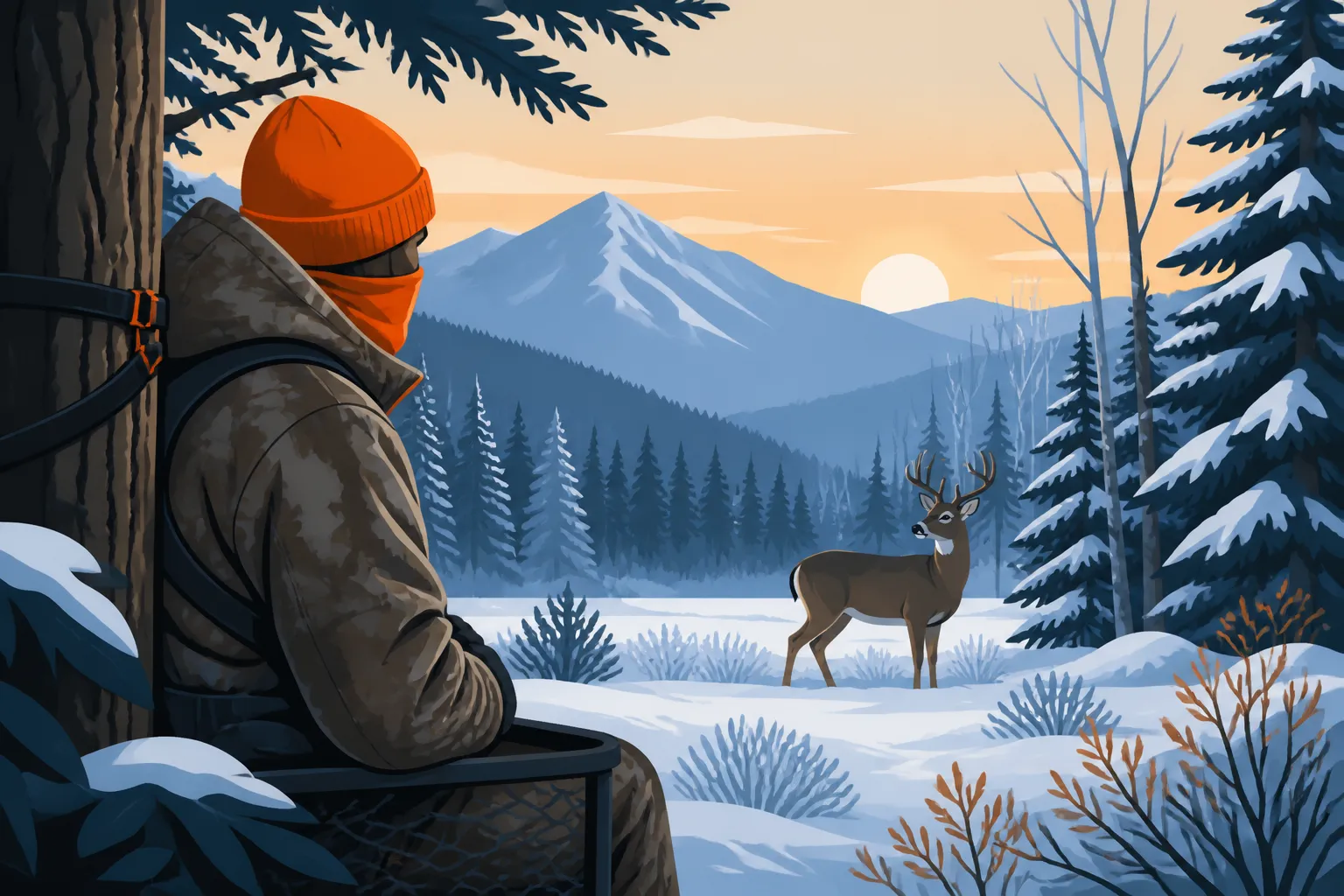
Don't forget your extremities, because they're often the first to suffer. A warm hat that covers your ears is non-negotiable, as you lose a significant amount of heat from your head. Consider a balaclava for extra facial protection, especially if you're in an exposed treestand. For hands, a thin liner glove under a heavier, insulated mitt or glove with a removable trigger finger is a common setup that offers both warmth and dexterity. Feet are critical; investing in high-quality wool socks and insulated, waterproof boots designed for extreme cold is a game-changer. There's nothing worse than numb toes to cut a hunt short. Many experienced hunters in the North Country swear by boots from brands like Kenetrek or Schnee's, known for their ruggedness and warmth in harsh conditions. For navigating the unique terrain up north, our advice on Boots for North Country Bog Hunting can be incredibly helpful.
Fueling Your Internal Furnace and Staying Hydrated
Think of your body as a tiny, efficient furnace. To produce heat, it needs fuel. A hearty, calorie-dense breakfast before heading out is essential. Oatmeal, eggs, and even some healthy fats can provide sustained energy. Bring high-energy snacks for your sit too – things like trail mix, energy bars, or even a small thermos of hot soup can make a huge difference in maintaining your core temperature and morale. You'll burn more calories just staying warm, so don't skimp on the snacks.
Just as important, and often overlooked, is hydration. It sounds counterintuitive in cold weather, but dehydration can significantly impair your body's ability to regulate its temperature. Skip the sugary sodas and opt for water, hot tea, or even warm broth. A good insulated bottle, like a Hydro Flask or Stanley, will keep your liquids from freezing and allow you to sip warm beverages throughout your sit. This not only warms you from the inside out but also ensures your body systems are functioning optimally to fight the cold. Planning for longer trips, like a nine-day moose hunt, brings these considerations even more to the forefront, as discussed in Packing for a Nine-Day Moose Hunt.
Essential Gear for Cold-Weather Comfort
Beyond clothing and food, a few pieces of specialized gear can elevate your cold-weather sitting strategy from tolerable to genuinely comfortable. A good, insulated seat cushion or pad is a must-have, especially if you’re sitting on cold metal or frozen ground. This barrier prevents heat from leaching out of your body into the cold surface. For those who hunt from ground blinds, a small, portable propane heater can be an absolute lifesaver, transforming an otherwise frigid setup into a cozy hideout. When utilizing such equipment, safety is paramount; ensure proper ventilation and always follow manufacturer guidelines. If you're considering this, our detailed guide on Using a Ground Blind on Public Land offers valuable insights into setup and usage in New Hampshire.
Finally, don’t underestimate the power of reliable technology. A fully charged headlamp is indispensable for pre-dawn hikes and post-dusk tracking, especially when navigating uneven terrain. For suggestions on reliable options, check out our piece on the Best Headlamp for a Pre-Dawn Granite Climb. Many hunters, like myself, rely on mapping apps such as GoHunt to not only scout potential stand locations from home but also to mark prime spots where natural windbreaks exist, or to easily navigate back to the truck after dark without fumbling with maps in freezing conditions. The GoHunt app's ability to download maps for offline use is incredibly valuable when cell service is nonexistent in remote areas of the North Country.
During the Sit: Managing the Cold and Staying Focused
Once you’re out there, nestled into your spot, the true test of your cold-weather sitting strategy begins. It's no longer about preparation, but execution. You've got to be proactive about managing your body heat and resisting the urge to pack up when the cold starts to set in. This is where experience, patience, and a bit of cunning really pay off.
Strategic Movement and Micro-Stretches
The biggest mistake a cold hunter can make is becoming completely motionless. While stealth is key, periodic, slow, and deliberate movement can make a huge difference in circulation and warmth without alarming game. Every 20-30 minutes, try doing some subtle movements. Wiggle your toes inside your boots, flex your calves, or gently pump your arms. If you're in a treestand, shift your weight, carefully stand up and stretch your back, or even do some very slow, controlled squats if your stand allows. These micro-movements get the blood flowing, particularly to your extremities, combating numbness and stiffness.
Sometimes, a short, brisk walk around your immediate area (if safe and strategic) can be just what you need to get your core temperature back up. This is particularly effective during the mid-day lull when deer movement often slows. Use the time to check a nearby scrape line, walk along a ridge to scan for distant movement, or examine some tracks. Just be mindful of wind direction and scent control. Remember, the goal isn't to get sweaty, but to simply boost your circulation and maintain your warmth. You can learn more about finding these hot spots by understanding Reading a White Mountain Deer Yard.
Utilizing Natural Cover and Wind Breaks
Choosing your stand location isn't just about deer sign; it's also about shelter from the elements. Even a slight reprieve from a biting wind can make a 10-degree difference in how cold you feel. When scouting, pay close attention to topography and vegetation. A thick stand of pines or hemlocks can block wind beautifully, offering a significantly warmer sitting environment than an exposed hardwood ridge. A slight depression or the leeward side of a hill can also offer surprising protection.
Think about how the wind typically blows in your hunting area, and position your stand or ground blind accordingly. If the wind is consistently from the west, setting up on the east side of a thick cluster of evergreens will be much more comfortable. A rock outcropping, a dense brush pile, or even a strategically placed downed tree can act as a natural windbreak. Utilizing these features not only conserves your body heat but also often puts you in areas where game might seek similar shelter, making them natural travel corridors or bedding areas. When hunting the challenging terrain of the Hunting the North Country, understanding these micro-climates is essential.
Managing Discomfort and Mental Toughness
Let's be real: cold-weather hunting, especially during long sits, is going to involve some level of discomfort. The trick is to manage it, not let it overwhelm you. A positive mindset can be an incredibly powerful tool. Instead of focusing on how cold your toes are, try to shift your attention to the beauty of the frozen landscape, the subtle sounds of the woods, or the anticipation of a deer appearing.
Having a clear plan for your sit, including when you'll take a warm drink, have a snack, or do your micro-stretches, can help break up the time and give you small goals to focus on. Some hunters use podcasts or audiobooks (at very low volume, with one earbud out for safety) during quiet periods, but be careful not to let it distract from your primary purpose. A useful feature of the GoHunt app is its ability to track weather patterns and solunar tables, giving you a better understanding of when deer are most likely to be active, allowing you to mentally prepare for the lulls and be alert during prime times. Knowing you're using current data can boost your confidence and keep you focused when it matters most. Remember, the mental game is often as challenging as the physical one.
Post-Sit Considerations: Recovery and Safety
You made it! The hunt is over, and you're heading back. But the fight isn’t quite done yet. How you handle your body immediately after a long, cold sit can be just as crucial for your health and readiness for the next day's hunt. Don't rush the recovery process or ignore warning signs.
Re-Warming Safely and Effectively
Once you're off the stand and heading back to the truck or camp, your body temperature will naturally begin to rise as you exert energy walking. However, the real re-warming should happen gradually. Rushing into a scorching hot shower or blasting the heat in your vehicle can actually be detrimental. Rapid re-warming can cause blood vessels to dilate too quickly, leading to a sudden drop in blood pressure or even cardiac strain in extreme cases.
Instead, opt for a more gradual approach. Start with warm, not scalding, drinks. Remove any damp layers of clothing as soon as possible and replace them with dry, comfortable ones. Then, slowly increase the ambient temperature. A warm meal, especially something hearty like a chili or stew, can work wonders from the inside out. For those lucky enough to have a camp with a woodstove, sitting by the fire, letting the radiant heat soak into your bones, is one of the most satisfying parts of a cold-weather hunt. Remember to bring a change of clothes – including socks – to avoid chills from lingering moisture. It’s the smart way to handle the end of a demanding day chasing Late-Season Food Sources for New Hampshire Whitetails.
Checking for Frostbite and Hypothermia
After prolonged exposure to cold, even with the best preparation, it's vital to check yourself and your hunting partners for signs of frostbite and hypothermia. These conditions can sneak up on you, especially when you're focused on the hunt.
Frostbite most commonly affects the extremities: fingers, toes, nose, ears, and cheeks. Look for skin that appears waxy, pale, or grayish-yellow, and feels unusually firm or numb. If you suspect frostbite, gently warm the affected area with body heat (e.g., tucking hands into armpits). Do not rub the affected area, apply direct heat, or try to re-warm if there's a chance of refreezing, as this can cause more damage. Seek medical attention promptly.
Hypothermia occurs when your body loses heat faster than it can produce it, leading to a dangerously low core body temperature. Mild symptoms include shivering, confusion, slurred speech, and loss of coordination. Severe hypothermia can lead to unconsciousness and even death. If you suspect hypothermia, get the person to a warm, dry place, remove wet clothing, and wrap them in warm blankets. Offer warm, sweet drinks (if conscious) and seek immediate medical help. Being aware of these risks is just as important as knowing the rules for New Hampshire's Moose Permit Lottery or New Hampshire Moose Permit Cost for Residents. A little vigilance goes a long way in ensuring everyone makes it home safe.
Learning from Each Cold-Weather Experience
Every cold-weather sit is a learning opportunity. Take a moment after each hunt to assess what worked well and what didn't. Did your hands get cold despite your gloves? Maybe you need different liners or a hand warmer pack. Did your feet get damp? Perhaps your boots need re-waterproofing, or you need to adjust your sock system. Did you get too hot on the hike in? You might need to adjust your layering strategy, perhaps leaving one mid-layer in your pack until you get to your stand.
Keep a mental, or even physical, log of temperatures, wind conditions, what you wore, and how comfortable you were. This personal data becomes invaluable for future hunts. It's a continuous process of refinement, helping you fine-tune your gear and strategy to make each subsequent cold-weather sit more enjoyable and productive. After all, the goal is to hunt effectively, not just survive the elements. Even seasoned hunters, using sophisticated tools like GoHunt for planning, constantly adapt their approach based on real-world experience in the varied New Hampshire landscape.
| Layer Type | Material Examples | Function | Cold-Weather Considerations |
|---|---|---|---|
| Base Layer | Merino Wool, Synthetic Polyester | Wicks moisture, provides initial warmth | Avoid cotton; ensure snug fit for wicking; multiple weights available for different temps |
| Mid Layer | Fleece, Down/Synthetic Puffy | Insulates, traps warm air | Choose thickness based on expected temp; removable for regulating heat during activity |
| Outer Shell | Gore-Tex, other waterproof/windproof fabrics | Protects from wind and precipitation | Must be breathable to prevent sweat buildup; quiet fabrics preferred for hunting |
| Headwear | Wool Beanie, Balaclava | Prevents significant heat loss from head | Cover ears and neck; balaclava for face protection in extreme cold |
| Hands | Liner Gloves, Insulated Mitts | Maintains dexterity while providing warmth | Layering thin gloves under mitts works best; hand warmers in pockets are a bonus |
| Feet | Merino Wool Socks, Insulated Boots | Keeps feet warm and dry, provides traction | Avoid cotton socks; invest in high-quality, waterproof, insulated boots; bring spare socks |
Disclaimer
Hunting involves inherent risks, including those associated with extreme weather conditions. The information provided in this guide is for informational purposes only and is not a substitute for professional advice, proper training, or personal judgment. Always prioritize safety, understand and follow all New Hampshire Fish and Game Department regulations, and inform others of your hunting plans.