Grunt Calls in Mature New Hampshire Hardwoods
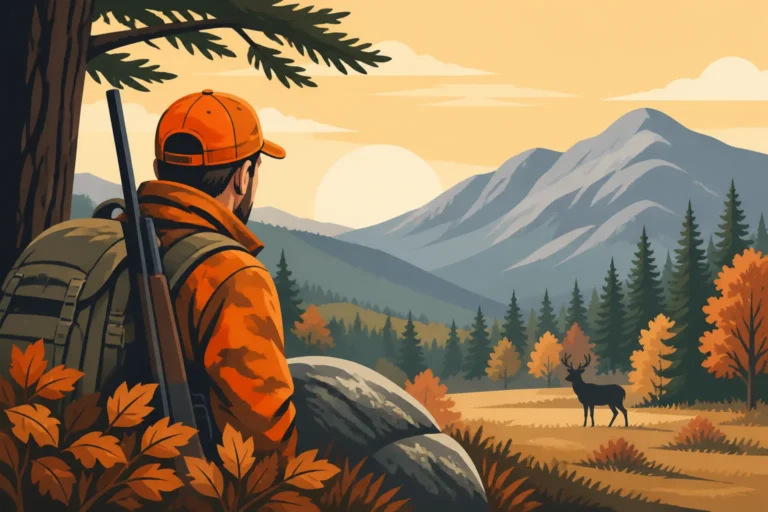
There's nothing quite like the feeling of being deep in New Hampshire's mature hardwoods, the crisp air biting at your cheeks, and knowing a big woods buck might be just out of sight. But getting that elusive deer to show himself, especially when the woods are quiet, can be incredibly frustrating. This guide is all about one of the most effective tools in your arsenal for these situations: mastering grunt calls to actively pull those wary New Hampshire bucks into range.
Understanding the Language of the Whitetail Woods
Imagine walking through a bustling town square. You hear various conversations, but one specific tone, one certain word, might make you pause and look. It's the same in the whitetail woods. Grunt calls, when used correctly, cut through the ambient forest sounds and speak directly to a buck's instinct, triggering curiosity, aggression, or a desire to investigate.
Why Grunt Calls Resonate with New Hampshire Bucks
New Hampshire's mature hardwoods, with their often-dense undergrowth and undulating terrain, can make spotting deer a real challenge. Bucks often travel through these areas silently, sticking to thick cover or winding ridges. This is where a grunt call becomes invaluable. Unlike open country, where visual cues might be enough, here, sound is king. Bucks are constantly listening for auditory signals that indicate the presence of other deer – especially rivals or potential mates. When a mature buck hears a grunt, his primal instincts kick in. It could be a challenger intruding on his territory, a younger buck vying for attention, or a doe signaling her presence. The sheer mystery of an unseen deer calling from the timber is often enough to draw them in for a closer look.
Think about it from a buck's perspective. He's working a scrape line along a logging road, or perhaps just moving from a bedding area to a feeding area. Suddenly, a grunt carries through the stillness. His ears swivel, he stops, and he processes. Is it a rival? Is it a doe? In a vast hardwood forest where visual contact is limited, he relies heavily on sound to confirm or deny the presence of other deer. He can't just scan an open field. He has to investigate, even if it's just to circle downwind to confirm scent before committing. This inherent need to investigate makes grunt calls incredibly powerful. They create a "ghost" deer that demands attention, often leading to a tense, close-range encounter.
The Different Types of Grunts and What They Mean
Just like human language, deer grunts have variations, and each can convey a slightly different message. Understanding these nuances is key to effective calling. The most common grunts you'll replicate with a call are the basic "contact" grunt, the "trailing" grunt, and the "aggressive" grunt. A simple contact grunt, a soft urrrp, is often used by bucks and does alike to signal their presence or communicate generally. It’s like saying, "Hey, I'm over here." Then there's the trailing grunt, which is typically a series of softer, drawn-out grunts a buck makes when actively pursuing a doe. It's a low-key, continuous sound that suggests he's hot on a scent trail.
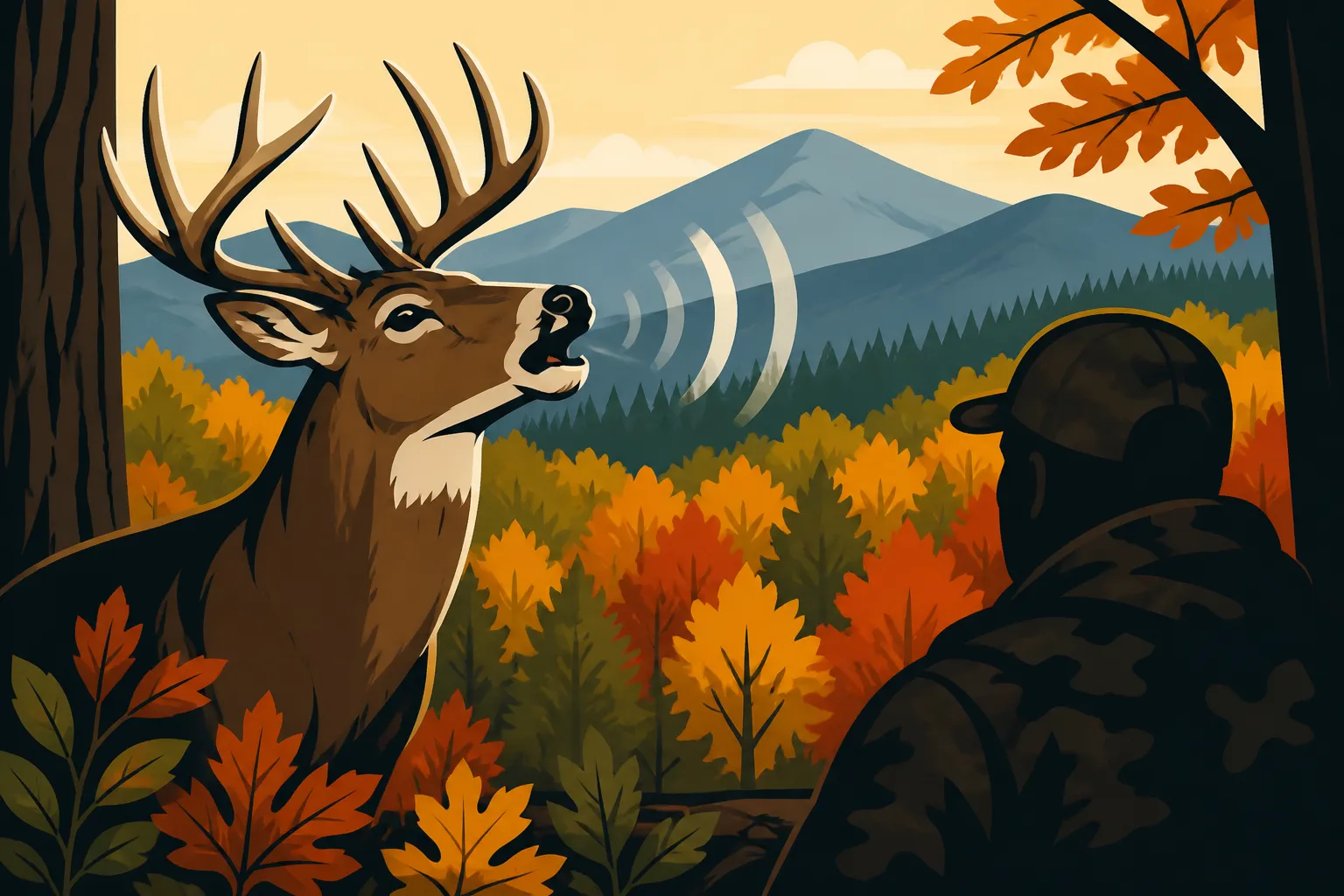
The aggressive grunt, sometimes called a "roaring grunt" or "growl," is where the real drama happens. This is a louder, more guttural sound, often followed by a snort-wheeze, and it's a direct challenge. It says, "I'm here, and I'm looking for a fight." This call taps into a mature buck's territorial nature and dominance hierarchy. Knowing which grunt to use, and when, comes with practice and understanding the situation. A simple contact grunt might draw in a curious young buck, while an aggressive grunt is more likely to challenge a dominant mature deer, especially during the rut when hormones are raging. It’s crucial not to just blow into the call randomly, but to try and mimic the cadence and tone that a real deer would use.
When to Deploy Your Grunt Call in Hardwoods
Timing is everything in deer hunting, and grunt calling is no exception. While a grunt can theoretically work any time a buck is active, certain phases of the season and times of day will yield much better results in New Hampshire's hardwoods. You wouldn't yell "fire!" in a crowded theater when there's no blaze, and you shouldn't just grunt aimlessly in the woods.
Pre-Rut and Early Rut Strategies
The pre-rut, typically spanning late October into early November, is an excellent time to start experimenting with grunt calls. Bucks are beginning to feel the urge to breed, but many does aren't quite ready, leading to increased searching and a little more aggression. During this period, bucks are establishing dominance and checking scrapes and rubs more frequently. A contact grunt or a trailing grunt can pique their interest. They're curious, covering ground, and trying to locate does. If you're observing a buck moving through at a distance, a soft contact grunt might just be enough to turn his head or redirect his path for a closer look.
As the early rut kicks in, usually around the first week or two of November, bucks become more active and more responsive to aggressive calls. They're still searching hard for does, and competition is increasing. This is when a more assertive grunt, maybe even combined with some light rattling, can really pay off. Think about a buck that's just finished chasing a doe and she's slipped away into a thicket. He's frustrated, on edge, and hearing another buck grunt could be the last straw, drawing him in for a confrontation. This period overlaps nicely with Hunting the Rut in Early-to-Mid November, so understanding the deer behavior during these weeks is paramount. You might even use the GoHunt app to identify prime areas where bucks are likely to be cruising for does, such as saddles or benches between ridges in mature hardwood stands.
Peak Rut Aggression and Response
When the rut truly peaks in mid-November, things can get wild. Bucks are actively chasing and breeding does, and their guard is often down due to their singular focus. This is prime time for aggressive grunts, especially if you see a buck at a distance or know one is in the vicinity. During the peak rut, a buck hearing another male challenging could see it as a direct threat to his breeding opportunities or his current doe. He might charge in, hackles raised, ready to run off the intruder. Sometimes, you'll see a buck literally stop dead in his tracks, turn, and march directly towards the sound.
However, a word of caution for the peak rut: sometimes bucks are so focused on a hot doe that even the most perfect grunt call might not pull them away. They are singularly driven. If you see a buck with a doe, a subtle trailing grunt might confirm to him that he's not alone, but don't expect him to abandon his mission. The aggressive grunt is best deployed when you've spotted a lone buck, or a buck actively cruising for does, or even when you simply haven't seen anything but suspect a mature buck is working his way through the timber. This is also a fantastic time to combine grunts with rattling, a strategy often discussed when Rattling and Grunting New Hampshire Bucks. The combination can mimic a full-blown fight, an irresistible draw for a dominant buck.
Post-Rut and Late Season Considerations
As the rut winds down in late November and early December, buck behavior shifts. They're exhausted, often thinner, and primarily focused on recuperating and finding food sources. While calling can still work, the intensity and type of grunt often need to change. Aggressive grunts are less effective now; bucks are less inclined to fight after weeks of intense chasing. Instead, softer contact grunts or even doe bleats might be more productive. A buck might be looking for a late-estrus doe, or simply curious about other deer in the area as he tries to regain calories.
In the late season, with potentially colder temperatures and snow on the ground, deer are often concentrated around specific food sources. Understanding Late-Season Food Sources for New Hampshire Whitetails is crucial. If you're hunting an area with remaining acorns, beech nuts, or agricultural fields bordering hardwoods, a soft grunt might draw a buck out of thick cover to investigate the "new deer" he's hearing near a potential meal. Their drive has changed from breeding to survival, so your calls need to reflect that. It’s less about challenging and more about sounding like a potential companion or a curious passerby.
Mastering the Art of Grunt Calling in New Hampshire's Mature Hardwoods
Having the right call and knowing when to use it is only half the battle. The other half is how you use it. Mimicking natural sounds and having a strategic approach to your calling sequence can make all the difference in convincing a wary New Hampshire buck to commit.
Techniques for Realistic Sound Production
First and foremost, realism is key. Bucks hear natural sounds all the time, and a poorly executed, artificial-sounding grunt will often do more harm than good. Most grunt calls are simple tubes with a reed, allowing you to vary the pitch and duration by adjusting your breath and sometimes a movable band or stopper. For a basic contact grunt, a soft, controlled exhale through the call, creating a short, low urrrp, is usually sufficient. Practice varying the length and tone. Listen to videos of real deer grunting to get a feel for the cadence.
When attempting a trailing grunt, think of a buck relentlessly pursuing a doe. It’s a series of softer, more drawn-out grunts, often four to five in a row, with short pauses in between: urrrp… urrrp… urrrp… urrrp. For an aggressive grunt, you'll want to increase the air pressure, making the sound louder and more guttural. Some calls allow you to change the pitch to sound like a larger, more dominant buck. Don't be afraid to experiment with different calls from brands like Primos or Flextone, as each might have a slightly different tone quality. The key is to avoid sounding mechanical or repetitive. A slight variability in pitch and volume, just like a real deer, adds to the authenticity.
Strategic Call Volume and Frequency
The volume and frequency of your grunts are critical, especially in the thick, sound-absorbing environment of mature hardwoods. In quiet conditions, sound carries far, but dense foliage can muffle it quickly. Start with softer calls. You don't want to blow a trumpet call and blast a buck out of the country if he's bedded 75 yards away. A soft contact grunt every 15-20 minutes, or even longer, is often enough to alert nearby deer without alarming them. If you get no response after a few minutes, you can incrementally increase the volume slightly.
For aggressive grunts during the peak rut, you might use a louder, more assertive series, but still be mindful of your surroundings. If you're in a relatively open stand of hardwoods, perhaps near a ridge top, sound will travel further than in a swampy bottomland with thick cedars. Consider the wind direction and strength, as it will affect how far your call carries. In general, less is often more. Overcalling can make a buck suspicious. A common scenario: you grunt, hear nothing, grunt again, and still nothing. Then, fifteen minutes later, a buck silently slips in, having circled downwind. Patience is a hunter's best friend, and this applies to calling too. Let the sound dissipate, let the buck process it, and give him time to respond.
Reading the Response and Adjusting Your Approach
Once you've made a grunt, it's crucial to pay attention to any subtle responses. A buck won't always come charging in. Often, you'll see a flick of an ear, a head lift, a slight shift in body position, or he might just stop dead in his tracks, searching. Sometimes, he’ll blow a snort-wheeze back, which is a clear sign he's challenging. If he responds with a grunt or snort-wheeze, that's your cue to potentially respond in kind, perhaps with a more aggressive tone to mimic a rival. If he just pauses and looks, remain still and quiet, allowing him to work out what he heard.
If a buck starts moving towards you, cease calling immediately. Let him come. Any further calling could make him pinpoint your exact location or realize something is off. If he seems to hang up at a distance, circling downwind, or stops just out of sight, a very soft, subtle "lip-smack" or tending grunt might pull him the last few yards, making him think a doe is waiting. Sometimes, doing nothing at all is the best response once you've gained his attention. Understanding Grunt Calls in Mature New Hampshire Hardwoods also means understanding the silence and knowing when to use it as a tool.
Key Situational Factors for Success
Grunt calling isn't a magic button; it's a tool that works best when integrated with a deep understanding of deer behavior, terrain, and environmental conditions. Ignoring these factors can quickly turn a potential success into a busted hunt.
The Impact of Wind and Thermals
In New Hampshire's rugged terrain, especially in the White Mountains or other hilly regions, wind and thermals are paramount, particularly when using calls. A buck will almost always try to approach a sound from downwind to use his nose, his most potent defense. If your grunt call is deployed with an unfavorable wind, you're essentially telling him exactly where you are before he can see you, allowing him to circle and bust you. Always position yourself so the wind is carrying your scent away from the likely approach path of a buck. This often means setting up on the edge of a ridge, or in a saddle where swirling winds are minimized. The GoHunt app's wind tool can be incredibly helpful here, showing you real-time wind direction and how it interacts with the topography.
Thermals, the rising and falling air currents, also play a huge role. In the mornings, air often sinks into valleys, carrying scent downward. In the evenings, air rises, carrying scent uphill. If you're grunting from a valley in the morning, your scent could be carried straight to a buck bedded above you. Conversely, in the evening, calling from a ridge could send your scent upwards, again alerting any deer above. Always consider the wind and thermal dynamics of your specific hunting spot before making a call. Understanding Wind and Thermals in Steep Granite Terrain is not just good for still-hunting, but critical for calling strategies as well.
Positioning for the Incoming Buck
Once you've decided to grunt, your setup is crucial. You want to be concealed, have a clear shooting lane, and anticipate the buck's most likely approach. In mature hardwoods, especially those without much undergrowth, visibility can be good, but concealment is often limited to the trunks of trees. A good quality treestand, like those from Summit or Millennium, positioned against a thick tree with some cover behind you, is ideal. If you're on the ground, ensure you're tucked into a blowdown, behind a large rock, or within a dense cluster of young pines that might have grown in after a timber harvest.
Since bucks typically circle downwind, try to position yourself so that you have shooting lanes to cover that likely approach. If you're right-handed, you might want a clear lane to your left, as a buck circling from your left to get downwind will present a broadside shot. Having multiple shooting lanes in different directions is ideal, but focus on the most probable approach. Always have your bow or rifle ready and positioned for a quick, quiet draw or lift. A buck responding to a grunt can appear silently and quickly, and you don't want to be caught fumbling. Scouting the area beforehand, perhaps looking for old rub lines or historical travel corridors discussed in Scouting New Hampshire Public Land Before Season, can help you predict these approach paths.
Avoiding Common Grunt Calling Mistakes
Hunters often make a few common mistakes that can ruin a grunt calling opportunity. The biggest one is overcalling. Too many grunts, too loud, too frequently, will make a buck suspicious and often send him running the other way. Another mistake is poor concealment; if a buck comes in and spots you before you can react, it's over. Ensure you blend into your surroundings completely. Movement is another killer; even a slight shift of your head can be picked up by a buck's keen eyesight. If you've grunted and are waiting, stay absolutely still, like a statue.
Finally, failing to anticipate the buck's approach is a huge pitfall. Don't assume he'll come straight in. Always expect him to try and circle downwind. This means you need to be constantly scanning, not just directly in front of you, but to your sides and even slightly behind you. Many hunters have been busted by a buck that silently circled and suddenly appeared where they least expected him. Trust your instincts, but also trust the deer's instincts to use the wind to his advantage. A combination of patience, proper setup, and realistic calling, informed by knowing when New Hampshire's Archery Season Opening Day or the firearms season begins, will significantly increase your odds of success.
| Grunt Call Type | Description | Best Time to Use | Expected Buck Behavior |
|---|---|---|---|
| Contact Grunt | Soft, single "urrrp" | Pre-rut, early rut, post-rut, late season | Curiosity, acknowledge presence, slight redirection |
| Trailing Grunt | Series of soft, drawn-out grunts | Early rut, peak rut (when a buck is pursuing) | Investigate "hot" doe, curiosity, challenge detection |
| Aggressive Grunt | Louder, guttural "ERRR-uhh-ERRR" (can be combined with snort-wheeze) | Peak rut, when challenging a visible buck | Aggression, charge in, stand-off, challenge back |
Disclaimer
Hunting is an inherently dangerous activity. Always prioritize safety, wear appropriate blaze orange as required by New Hampshire law, and be absolutely certain of your target and what lies beyond it. Consult the latest New Hampshire Fish and Game Department regulations for up-to-date information on seasons, bag limits, and legal requirements. This guide provides general advice and should not replace official regulations or professional instruction.