Predator Calling New Hampshire’s White Mountain Backcountry
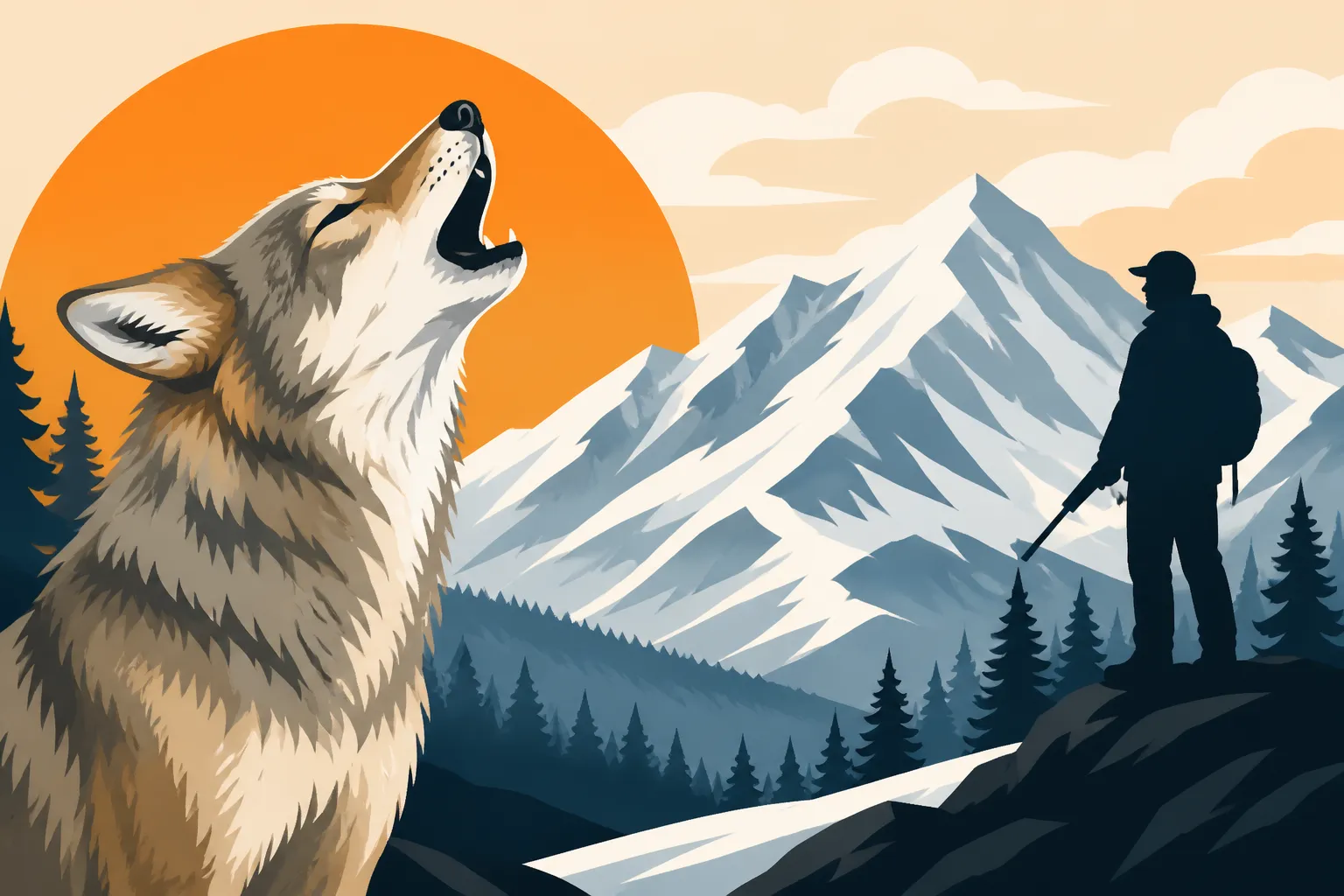
The sheer wildness of New Hampshire's White Mountain backcountry presents a unique and often daunting challenge for predator callers. Unlike the more accessible farmlands or suburban fringes, these vast, rugged landscapes demand a completely different approach, testing not just your calling skills but your resilience and outdoor acumen. This guide is dedicated to helping you unravel the complexities of calling coyotes, bobcats, and foxes in the untamed heart of the Granite State, offering practical advice to boost your success when facing these formidable conditions.
Understanding the White Mountain Backcountry Challenge
Calling predators in the White Mountains isn't like hunting anywhere else. It’s a full-body, full-mind experience that pushes your limits and forces you to adapt. The rewards, however, are unparalleled – the satisfaction of outsmarting a cunning predator in its natural, wild domain. But first, you need to understand exactly what you're up against.
Unique Terrain and Habitat Features
The White Mountains are defined by their dramatic elevations, dense softwood and hardwood forests, and often unforgiving granite terrain. This isn't flat ground where you can see for miles. Instead, you'll encounter steep pitches, rocky ledges, deep ravines, and thick, almost impenetrable timber. This varied topography creates countless pockets of cover and ambush points for predators, but it also limits your visibility and travel efficiency. You might be working a high ridge in the morning, then dropping into a thick, snow-filled valley by afternoon.
Water features are also abundant, from roaring rivers to countless small brooks and beaver flowages. These act as natural travel corridors for game and predators, but they can also create barriers for hunters, especially during periods of high water or ice. Understanding how these features influence animal movement is crucial. For instance, a deer might use a beaver flowage edge as a natural highway, and where deer go, coyotes will follow. The sheer scale of the landscape means that covering ground and identifying suitable calling locations requires stamina and meticulous scouting, often using tools like GoHunt to analyze topo maps and satellite imagery long before you set foot on the trail.
Low Predator Density and Increased Pressure
Let's be real: you're not going to find the same numbers of coyotes or foxes per square mile in the White Mountain backcountry as you might in agricultural areas or more populated regions. The prey base, while present, is often more dispersed, leading to larger territories for predators. This means you'll have to work harder and cover more ground to even locate areas with predator activity. Furthermore, certain areas of the White Mountain National Forest, while vast, do see hunting pressure from deer and moose hunters, which can make resident predators more wary and nocturnal.
This doesn't mean it's impossible; it just means your efforts need to be more strategic. You might hike miles without cutting fresh sign, only to find a hotspot far from any road, where an old logging road or a series of game trails converge. This is why thorough scouting and understanding the local prey species, like a detailed analysis of White-Tailed Deer Across New Hampshire, are critical. You're looking for those rare pockets where conditions align to bring predators within calling range, often where food sources are concentrated or travel is funneled.
Navigating Weather and Accessibility
The weather in the White Mountains is famously unpredictable and can change dramatically in a matter of hours, especially at higher elevations. A crisp, sunny morning can quickly give way to driving rain, heavy snow, or dense fog. This not only affects your comfort and safety but also how scent carries and how animals respond to calls. Wind is a constant factor; understanding wind and thermals in steep granite terrain is paramount to a successful setup, as a swirling wind can instantly betray your position.
Accessibility is another major hurdle. Many prime backcountry spots are miles from the nearest paved road, requiring long hikes, often over challenging terrain. Gated logging roads, designated wilderness areas, and remote trail systems mean that you'll be on foot for extended periods, carrying all your gear. This necessitates a well-planned trip, considering factors like physical fitness, packing a robust first aid kit, and having reliable communication options in areas with no cell service. It’s a commitment, but these remote areas are precisely where you’ll find less pressured animals.
Targeting Specific Predators: Coyote, Bobcat, and Fox
While a general "distress call" might bring in a variety of predators, understanding the specific habits and preferences of coyotes, bobcats, and foxes will significantly refine your calling strategy in the White Mountains. Each species responds differently and utilizes the landscape in its own unique way.
Coyote Habits and Preferred Terrain
New Hampshire's eastern coyotes are incredibly adaptable and can be found throughout the White Mountains, from valley floors to high ridges. They are opportunistic hunters, preying on deer (especially fawns and winter-stressed adults), snowshoe hare, squirrels, and various small game. In the backcountry, they often stick to natural travel corridors like river bottoms, logging roads, and ridge lines, especially those with good visibility or easy access to dense cover for bedding.
When targeting coyotes, think about their keen sense of smell and hearing. Setups should prioritize wind direction and allow for long fields of view where possible. They respond well to a variety of calls, from distress sounds (rabbit, fawn) to coyote vocalizations (howls, barks). A good strategy for Coyote Calling at First Light might involve starting with howls to locate them, then switching to distress calls once you've pinpointed their general location. In the White Mountains, look for areas where different habitat types meet, such as the edge of a dense spruce stand and a more open hardwood ridge. These transition zones often concentrate prey and provide excellent ambush points for coyotes.
Bobcat Elusiveness and Habitat Preferences
Bobcats are the elusive ghosts of the New Hampshire woods. Their numbers are healthy, but their secretive nature makes them incredibly challenging to call. In the White Mountains, they favor dense, brushy cover, rocky outcroppings, and thick coniferous stands, often near water sources. They are ambush predators, and their diet consists mainly of small mammals like rabbits and rodents, but they will also take grouse or turkeys. You won't find them roaming wide open fields like coyotes.
When hunting bobcats, your setups should be tight, focusing on areas with immediate, dense cover. Think about a rocky jumble, a thick cedar swamp, or a dense cut where visibility is limited to 50-75 yards. You want to force them to come into that small, visible window. Calls that mimic rabbits or small birds, particularly softer, more subtle sounds, tend to work best. Persistence is key, as bobcats are often slower to respond than coyotes, sometimes taking 20-30 minutes to commit. Using a small, quiet e-caller set up within dense cover, away from your position, can sometimes draw their attention away from your hiding spot. Understanding New Hampshire Bobcat Population Trends can give you a better idea of where these animals are most likely to be found.
Red and Gray Fox Opportunities
Both red and gray foxes inhabit the White Mountains, though their densities might be lower in the deepest backcountry compared to the foothills or agricultural zones. Red foxes are more common in mixed habitats with open areas, while gray foxes prefer thicker woods and brushy cover. Gray foxes are also unique in their ability to climb trees, an important consideration if you suspect one is in the area. Like bobcats, their diet largely consists of small rodents, rabbits, and birds.
Foxes respond very well to high-pitched distress calls, particularly mouse or vole squeaks and rabbit distress. They are often quick to respond, sometimes trotting in confidently, especially in low-pressure areas. When setting up for foxes, remember their smaller stature. You'll want good visibility to spot them moving through brush, but also enough cover for yourself. Areas around old cellar holes, logging landings, or the edges of dense conifer stands near open patches can be productive. While not as large or intimidating as a coyote, a called-in fox in the rugged White Mountains is still a trophy in its own right and a testament to your calling prowess.
Essential Gear for Backcountry Predator Calling
Heading into the White Mountain backcountry for predator calling means you need to be self-sufficient and prepared for anything. Your gear choices can make or break your hunt, impacting not just your success but your safety and comfort.
Calls and E-Callers for Mountain Terrain
When it comes to calls, diversity is your friend. Mouth calls are lightweight and reliable, essential for those deep backcountry treks where every ounce counts. A good assortment should include various distress calls (rabbit, bird, fawn), a mouse squeaker, and perhaps a coyote howler. Brands like Foxpro and Primos offer excellent handheld calls that are durable enough for the rigors of the mountains. The ability to vary pitch and volume with mouth calls is crucial, especially when trying to pinpoint a reluctant animal or cut through the noise of wind or water.
Electronic callers (e-callers) can be a game-changer, especially for their volume and range of sounds. Modern e-callers like those from Foxpro (e.g., the Shockwave or Hellfire models) or Lucky Duck (e.g., the Rebel or Roughneck) can broadcast sounds over long distances, which is vital in vast mountain terrain. Look for models with remote operation, long battery life, and rugged construction. The ability to place the e-caller away from your position, drawing attention from yourself, is a significant advantage. Just be mindful of battery life in cold weather and always carry spare batteries or a power bank. Remember that some units come pre-loaded with hundreds of sounds, offering incredible versatility to match the specific prey animals in the area, from a rabbit in distress to a group of coyotes yipping.
Optics, Lighting, and Navigation
Good optics are non-negotiable in the White Mountains. Binoculars (10×42 or 10×50 are ideal) are crucial for scanning distant ridges, picking apart dense timber, and spotting subtle movement. A quality rangefinder is also essential for confirming distances, especially in varied terrain where distances can be deceiving. Think about a brand like Vortex or Leupold for reliable performance. In low light conditions, such as first or last light, superior glass makes a real difference in discerning a predator from the shadows.
For navigating the backcountry, a reliable GPS unit or a smartphone with a dedicated mapping app like GoHunt is absolutely paramount. These tools allow you to mark your parking spot, track your route in, identify property lines (especially on the edge of the White Mountain National Forest or private timberland), and scout potential calling locations from an aerial perspective. Make sure to download offline maps, as cell service is often nonexistent in remote areas. Complement this with a compass and a physical map as a backup. A dependable headlamp is also non-negotiable; imagine packing out a predator after dark on rugged terrain. You'll want a powerful beam and long battery life. The Best Headlamp for a Pre-Dawn Granite Climb should be bright, durable, and have red-light capabilities to preserve night vision.
Clothing and Survival Essentials
Layering is the name of the game in New Hampshire. The weather can change from mild to frigid in minutes, and your activity levels will vary wildly from strenuous hiking to long, static sits. Your Layering for New Hampshire's Cold Hunting Season should start with a moisture-wicking base layer, followed by insulating mid-layers (fleece or synthetic down), and a waterproof/windproof outer shell. Wool or synthetic materials are far superior to cotton in keeping you warm even when wet. Don't forget insulated gloves or mittens, a warm hat, and a neck gaiter.
Footwear is equally critical. You'll be covering miles over uneven, rocky, and potentially wet terrain. Choose sturdy, waterproof boots with good ankle support. The Best Boots for White Mountain Granite Trails will provide excellent traction and comfort for long hikes. Beyond clothing, pack survival essentials: a fire starter, emergency shelter (e.g., a space blanket or lightweight tarp), plenty of water (or a reliable filter like a Sawyer Squeeze), high-energy snacks, a knife, and a small first-aid kit. A satellite messenger device (like a Garmin inReach or ZOLEO) is highly recommended for communication in areas without cell service, providing peace of mind for yourself and those back home.
| Predator | Typical Habitat in White Mountains | Preferred Prey | Key Calling Sounds | Optimal Calling Time |
|---|---|---|---|---|
| Coyote | Mixed forests, logging roads, ridge lines, river bottoms | Deer, hare, small rodents, grouse | Rabbit, fawn distress; coyote howls, yips | Early morning, late evening, all day in winter |
| Bobcat | Dense cover, rocky ledges, thick conifer stands, swamps | Snowshoe hare, squirrels, voles, birds | Soft rabbit, mouse, bird distress | Low light (dawn/dusk), often slower to respond |
| Red Fox | Edges of open areas, mixed woods, old fields | Mice, voles, rabbits, birds | High-pitched mouse, rabbit distress | Dawn, dusk, overnight (winter) |
| Gray Fox | Dense woods, thick brush, rocky hillsides, swamps | Mice, voles, rabbits, birds | High-pitched mouse, rabbit distress | Dawn, dusk, can respond anytime |
Effective Calling Strategies and Tactics
Calling predators in the White Mountain backcountry demands a different set of tactics than hunting in more accessible areas. You're dealing with smarter, less-pressured animals, and the terrain itself plays a major role in how you approach each setup.
Set-Up Locations and Wind Awareness
Choosing your setup location is paramount, especially in the rugged White Mountains. Forget calling from the roadside; you'll need to hike in, often significantly, to find areas that hold less pressured predators. Look for terrain features that funnel animal movement, such as saddles between ridges, narrow valleys, old logging roads, or the edges of dense cover near more open stands of timber. A beaver flowage edge can also be a magnet for deer and, consequently, coyotes. You might want to consider Hunting a Ridge-Top Saddle for Rutting Bucks as a potential spot for coyotes, too, as deer movement attracts predators.
Always, always pay attention to the wind. In mountain terrain, thermals can be a constant challenge. In the morning, air typically flows downhill, and in the evening, it rises. This means a wind direction that seems stable at one elevation can be completely different a few hundred feet higher or lower. Use a wind checker constantly to monitor subtle shifts. Your setup should ensure that your scent is blowing away from the likely approach routes of the predator. Place yourself where you have good visibility downwind, as wary animals often try to circle and get your scent. For safety and shot opportunities, having a clear shooting lane for any incoming animal, especially downwind, is critical. Use GoHunt's topo features to identify prevailing wind directions and plan your approach and escape routes accordingly.
Calling Sequences and Volume Control
In the backcountry, where predator densities might be lower, you often need to be more aggressive and persistent with your calling. Start with a relatively loud series of distress calls (rabbit, fawn) to reach out across the vast terrain. After an initial sequence, pause and scan for movement. If nothing responds, try a different sound or increase the volume again. Unlike heavily pressured areas where soft calling is often best, the White Mountains sometimes require a "shout" to get attention.
Vary your calling sequences. Don't just play one sound repeatedly. Mix in short bursts of distress with longer, drawn-out cries. If you're targeting coyotes, consider incorporating howls or barks after an initial distress sequence; this can sometimes challenge a territorial animal to investigate. For bobcats and foxes, stick primarily to distress sounds, but vary the type. A mouse squeak might entice a curious fox when a loud rabbit distress call doesn't. Remember, patience is crucial. Some animals might take 15-20 minutes, or even longer, to commit to the call in these wilder settings. Don't pack up after five minutes; give each setup at least 30-45 minutes, especially if you think there's activity in the area.
Hunting Pressure and Adaptability
Even in the vast White Mountain backcountry, some areas might see more hunting pressure than others, particularly near popular trailheads or more accessible public lands. These areas might require a more subtle approach, or a willingness to hike significantly deeper to find less pressured animals. Hunting Pressure on New Hampshire Public Land can make predators warier, necessitating longer calling sequences, quieter approaches, and more attention to camouflage and concealment. If an area seems quiet, or you're getting no responses, be adaptable. Don't be afraid to pick up and move to a completely new area, perhaps a different watershed or ridge system.
Consider the time of year as well. During the deer firearms season, predators might be more cautious due to increased human activity. Conversely, after the main deer seasons conclude, with snow on the ground, predators might be more active and less wary of human presence, providing excellent opportunities. Always be prepared to adjust your strategy based on the conditions you encounter on the ground, whether it's changing your call type, volume, or even moving to a different, unpressured location identified through careful Scouting New Hampshire Public Land Before Season.
Safety and Ethical Considerations in the Backcountry
Hunting predators in the White Mountain backcountry is a serious undertaking that requires a strong emphasis on safety and ethical conduct. The remote nature of these lands means you are often far from immediate help, and responsible hunting practices are paramount to preserving access and the health of the wildlife.
Partner Hunting and Communication Plans
It's highly advisable to hunt the White Mountain backcountry with a partner. There are inherent risks in this rugged terrain, from slips and falls on steep, icy slopes to unexpected weather changes or equipment failures. Having a partner means someone can assist in an emergency, share the load of gear, and help track or pack out an animal. If hunting alone, a detailed communication plan is absolutely critical. Inform someone (a trusted friend or family member) of your exact hunting location, your intended route, when you expect to return, and what to do if you don't check in by a certain time.
Carry a fully charged phone (even if out of service, it can be used for GPS and emergencies when a signal is found) and, as mentioned, a satellite communication device like a Garmin inReach. These devices allow you to send SOS messages, communicate via text, and share your location even without cell service. Ensure you have emergency contact information readily accessible. The wilderness is unforgiving, and taking these precautions can be the difference between a minor incident and a life-threatening situation.
Wildlife Encounters and Environmental Respect
While your primary focus is predators, the White Mountains are home to a diverse array of wildlife, including moose, bear, and various small game. Be aware of your surroundings and be prepared for potential encounters. Carry bear spray, especially in areas with known bear activity, and know how to use it. Respect all wildlife and avoid disturbing non-target species. This also means being knowledgeable about Game You Cannot Hunt in New Hampshire, even if you encounter them.
Ethical hunting extends to respecting the environment itself. Pack out everything you pack in, and perhaps even a little extra litter you find. Avoid damaging vegetation, and practice Leave No Trace principles. If you're using trail cameras, be mindful of Trail Camera Rules on New Hampshire Public Land, ensuring they don't disturb other users or wildlife. When field dressing an animal, do so away from water sources and pack out all inedible parts, or bury them deep enough to prevent scavengers from digging them up near trails or campsites. Leave the area cleaner than you found it.
Legalities and Regulations for Predator Hunting
Before heading out, familiarize yourself thoroughly with New Hampshire's hunting regulations, especially those pertaining to predator hunting. This includes season dates, legal weapons, bag limits (if any for certain furbearers), and specific rules for the White Mountain National Forest or any Wildlife Management Areas you plan to visit. The New Hampshire Fish and Game Department's website and annual digest are your primary resources. Be aware of New Hampshire Coyote Hunting Season Rules and any specific regulations for bobcats or foxes, including whether a trapping license is required for certain methods or times of year.
Specific attention should be paid to any restrictions on baiting (generally prohibited for predators unless specifically permitted for bear or trapping) or night hunting rules. For coyotes, night hunting often has specific regulations regarding light sources and firearm types. Always carry your valid New Hampshire hunting license and any required permits. Ignorance of the law is no excuse. Ethical hunters are lawful hunters, and adhering to these rules ensures that predator hunting remains a respected and sustainable activity in the Granite State.
Seasonal Considerations and Best Practices
The White Mountain backcountry is a dynamic environment, and the best predator calling strategies will shift with the seasons. Understanding these changes and adapting your approach accordingly will significantly improve your chances of success.
Winter's Advantage: Snow and Tracking
Winter often presents the most productive time for predator calling in the White Mountains. The snow cover provides invaluable intelligence, revealing fresh tracks that tell you where coyotes, bobcats, and foxes are traveling, hunting, and bedding. You can determine how recent the activity is, the direction of travel, and even estimate the size of the animal. Tracking a Deer in Fresh White Mountain Snow can also lead you to areas where coyotes might be scavenging or hunting.
In winter, predators are often more desperate for food, making them more responsive to calls. Cold weather also means less human scent lingers, and sound carries exceptionally well in crisp, still air. However, winter also brings extreme cold, deep snow, and challenging travel. Snowshoes or skis might be necessary for deep backcountry access. Your layering system, Layering for New Hampshire's Cold Hunting Season, must be impeccable to endure long sits in freezing temperatures. Consider using an e-caller for its hands-free operation in the cold. Look for tracks along ridge lines, frozen stream beds, and around deer wintering yards, as these areas concentrate prey.
Fall Transition: Food Sources and Movements
Fall is a time of transition, offering diverse opportunities. Early fall, with changing leaves, provides excellent camouflage for hunters. Predators are actively hunting to build reserves for winter. They will follow deer, which are moving to acorns and other mast crops, making areas with good hard mast production prime locations for coyote calling. Squirrels are also abundant, making squirrel distress calls effective. As the season progresses, and particularly during the deer rut, deer fawn distress calls can be extremely effective for coyotes, which are opportunistically looking for vulnerable prey.
Later in the fall, as snow begins to fall at higher elevations, predators may move down into valleys and lower elevations where food is more accessible. This period also often coincides with less foliage on the trees, which can improve visibility, but also means you need to be extra cautious with your movements and camouflage. Pay attention to temperature shifts; a sudden cold snap can increase predator activity as they seek food. Hunting After a Poor Acorn Year might mean predators are more active and responsive to calls as they search for alternative food sources.
Spring and Summer: Restrictions and Scouting
While the primary predator calling seasons are typically fall and winter, spring and summer offer critical opportunities for scouting and understanding predator behavior without the pressure of hunting. Many predator hunting seasons are closed or restricted during spring and summer to protect breeding animals and their young. Always check the New Hampshire Fish and Game Department regulations for specific species and dates.
During these warmer months, focus on intensive scouting. Use mapping tools like GoHunt to identify potential calling locations. Look for tracks, scat, and other sign around water sources, old logging roads, and natural funnels. Set up trail cameras to monitor travel routes and identify resident predators. This time is ideal for learning the lay of the land, understanding seasonal movements of prey, and pinpointing areas that will be productive come fall. You can also work on your calling techniques in a low-pressure environment. While Calling a May Gobbler Off the Roost is your main focus in spring, observing coyote or fox behavior during turkey season can also yield valuable insights for your predator hunting.
Disclaimer
Please note: Hunting regulations, seasons, and licensing requirements can change. Always consult the official New Hampshire Fish and Game Department website and current hunting digest before planning any hunting trip. This content is for informational purposes only and does not constitute legal advice.