Tracking a Deer in Fresh White Mountain Snow
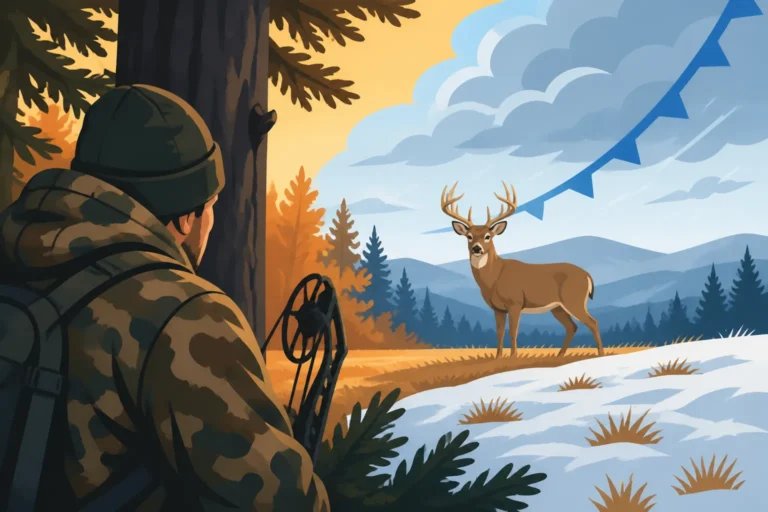
There's nothing quite like the crisp air and hushed quiet of the White Mountains after a fresh snowfall. For deer hunters, that pristine white blanket can be both a blessing and a curse. While it makes deer sign incredibly clear, knowing how to interpret those subtle marks and follow a trail effectively can be the difference between a successful recovery and a frustrating, lost deer. This guide is all about equipping you with the knowledge and tactics to confidently track a deer in fresh New Hampshire snow, transforming a potentially daunting task into a rewarding pursuit.
Understanding the Language of Snow: Interpreting Tracks and Signs
When the White Mountains are covered in fresh snow, the landscape becomes an open book, if you know how to read it. Every impression, every disturbance, tells a story about the deer that passed through. Learning to interpret these signs is the first crucial step in tracking.
Deciphering Deer Tracks
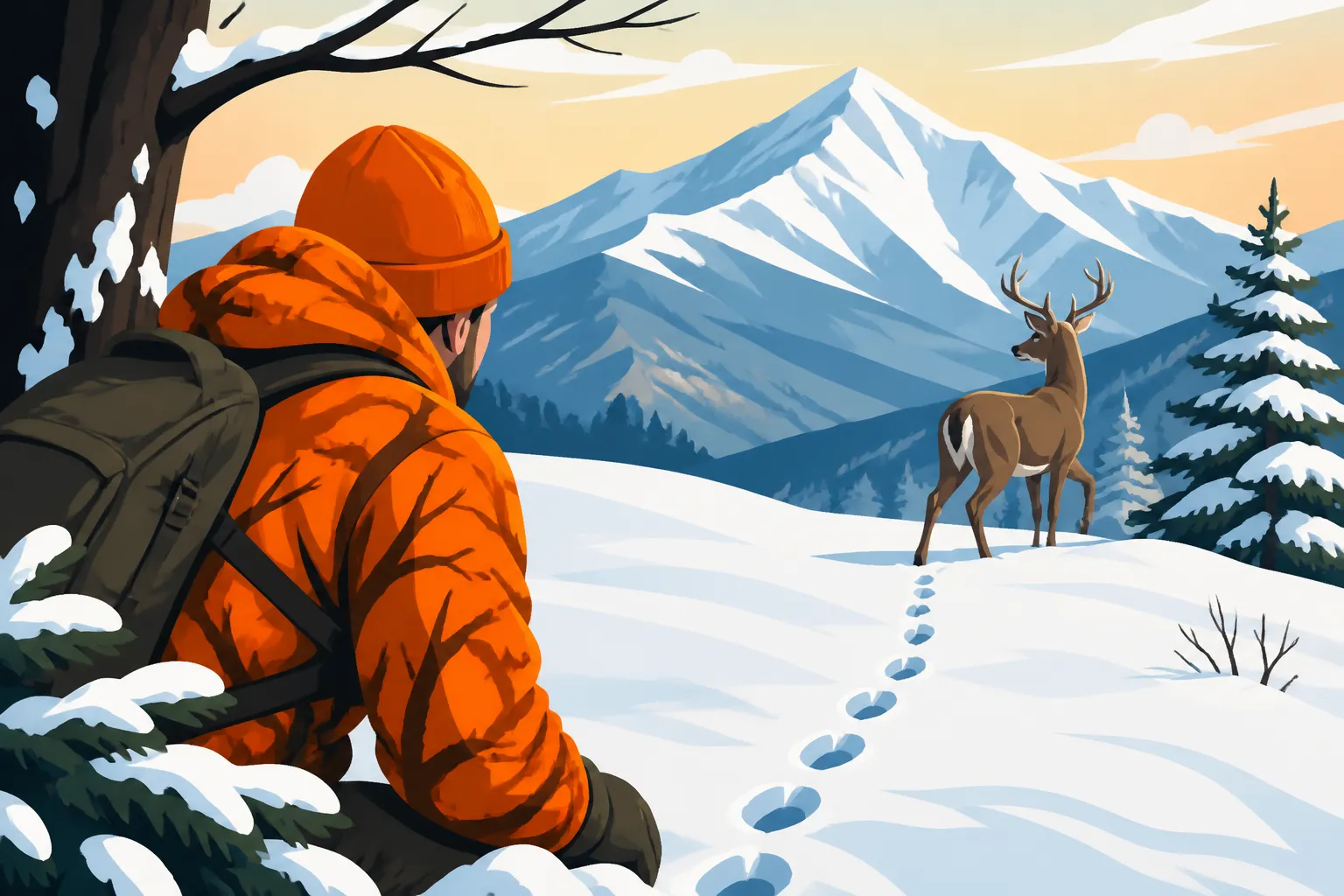
The most obvious sign, of course, are the tracks themselves. A fresh layer of snow provides an unparalleled canvas for deer hoof prints. You're not just looking for a general shape; you're looking for details. How deep are the prints? Deeper prints often indicate a heavier deer or softer snow. Are the dew claws showing? If the dew claws – those small vestigial toes higher up on the leg – are consistently making impressions, it often means the deer is moving quickly, is heavily muscled, or carrying significant weight, which can be a good indicator of a mature buck. Sometimes, the snow cover can even help differentiate between bucks and does, as a mature buck’s tracks tend to be larger and more splayed, with a wider gait.
Pay attention to the general size and shape. A buck's hooves are typically blunter and more rounded at the front, while a doe's tend to be more pointed and daintier. The stride length – the distance between prints – also speaks volumes. A short, hesitant stride might mean the deer is feeding or slowly walking, while a long, even stride suggests it's on a purpose, possibly undisturbed.
Beyond the Hoof Print: Subtle Cues
While tracks are primary, they are far from the only clues. Deer leave a wealth of other information in the snow. Look for disturbed leaves, broken twigs, or scraped bark where a deer has browsed. Fresh urine or droppings in the snow can tell you how recently a deer was in the area, and even give clues about its diet. A large, flattened area in the snow might be a bed where the deer rested, often indicating a calm, undisturbed animal.
Don't overlook rubs on small trees or saplings, or scrapes that have been reactivated and pawed clear, perhaps revealing fresh earth beneath the snow. These are especially telling during the rut when bucks are actively marking their territory. Sometimes, you'll even spot patches of hair where a deer has rubbed against a branch or walked under a low-hanging snow-laden bough. All these seemingly small details paint a fuller picture of the deer's behavior and recent activity. For more on how deer move in the cold, consider reading about Reading a White Mountain Deer Yard which explains their winter habitat choices.
Interpreting the Gait and Pace
The way a deer walks, trots, or bounds can tell you a great deal about its state of mind. A deer that is calmly walking will leave an even, somewhat deliberate set of tracks, often with the rear hoof falling close to or directly on top of the front hoof print. This "overstep" or "understep" pattern indicates a relaxed animal, often feeding or meandering. Their head is usually down, and they're not particularly alert. This is your ideal tracking scenario.
If the stride lengthens and the prints become more distinct, with clear gaps between front and back hooves, the deer might be trotting. This suggests it's moving with a bit more purpose, perhaps covering ground between feeding areas or responding to a slight disturbance, though not yet spooked. However, if the tracks show long leaps, widely splayed hooves, and deep, distinct dew claw impressions, the deer is bounding. This is a clear sign it's been spooked and is fleeing. In such a case, your approach will need to be much more cautious, if you continue the pursuit at all, as a spooked deer can cover ground rapidly. Knowing these gaits helps you gauge how close you might be and how much caution to employ.
Mastering the Art of Tracking: Methodical Approaches and Techniques
Once you've identified a promising trail, the real work of tracking begins. It’s a methodical, patient process, especially in the rugged, sometimes unforgiving terrain of the White Mountains. Rushing is almost always a mistake.
Methodical Tracking Techniques
Successful tracking isn't about speed; it's about precision and patience. Adopt a "shuffle step" or a "tracker's pace," moving slowly and deliberately, constantly scanning ahead for the next track and any changes in direction. Try to stay off the actual track itself, walking parallel to it, so you don't disturb future clues or obliterate the trail. Always keep your eyes moving, not just fixated on the ground directly in front of you. Look 10-20 yards ahead for the next series of prints or disturbances. This allows you to anticipate turns and observe the overall direction of travel.
If you lose the trail, don't panic. Mark your last confirmed print with a piece of flagging tape, a stick, or even your hat. Then, instead of walking aimlessly, circle around that last print in an ever-widening spiral, always looking for the next sign. Deer often make small detours to check their backtrail or investigate something off to the side. A good GPS mapping app, like those found on GoHunt, can be invaluable here. Mark your last known track on your map, which can help you establish a grid search pattern if necessary. This digital breadcrumb trail is a lifesaver in dense cover or when snow cover is inconsistent.
Patience and Persistence in the White Mountains
The White Mountains are beautiful, but they are also physically demanding, especially in winter. You'll encounter steep inclines, thick timber, and hidden ravines. Rushing through this terrain is not only inefficient for tracking but also dangerous. Take frequent breaks. Stop, breathe, and most importantly, listen. Sometimes, the soft crunch of hooves on snow, the rustle of a deer moving through brush, or even a snort will betray its location before you see it.
Deer in the White Mountains are accustomed to a tough existence, and they know their territory intimately. They'll often try to put obstacles between themselves and perceived threats. This means you might find them traversing thick spruce stands, climbing steep pitches, or using heavy blowdowns for cover. Persistence is key, but so is knowing when to hold back. If you jump a deer and it bolts, let it go. Sit down, catch your breath, and give the deer time to calm down and perhaps bed again. A good Cold-Weather Sitting Strategy in the North Country is essential for this. Pushing a spooked deer only makes for a longer, more difficult track, often ending in a lost animal.
Accounting for Terrain and Wind
Deer are masters of using the landscape to their advantage, and in the White Mountains, this becomes especially pronounced. They will often choose paths of least resistance when unpressured, but when fleeing, they'll pick the most difficult terrain for a pursuer. Expect them to climb to ridge tops to survey their backtrail or drop into thick, brushy ravines for cover. When hunting in steep granite terrain, understanding Wind and Thermals in Steep Granite Terrain is critical. Deer rely heavily on their sense of smell. They will almost always try to move uphill into the wind, allowing their nose to detect anything above and ahead, while their eyes scan downhill and behind them.
As you track, anticipate where the deer might go next based on the wind direction and topography. If the wind is coming from your left, expect the deer to quarter away to the right, using the wind to detect you. Use the terrain to your advantage as well. If the deer is heading up a ridge, you might be able to circle around on a slightly lower contour to get ahead or flank its likely path, without making direct eye contact. This strategic thinking, informed by local conditions, is vital for success in this challenging environment.
The Moment of Truth: Approaching and Recovering Your Deer
All the hard work of tracking culminates in this moment: finding your deer. This stage requires heightened awareness, patience, and a commitment to ethical recovery.
Reading Blood Sign
When you're tracking a wounded deer, blood sign becomes paramount. Fresh snow makes blood remarkably visible, but you need to know what you're looking for. Bright red, frothy blood often indicates a lung hit – an excellent sign. Dark red blood, sometimes mixed with partially digested food, points to a gut shot, which requires a much longer waiting period before continuing the track. Streaky blood on both sides of the trail suggests an exit wound, meaning the arrow or bullet passed through. If you only see blood on one side, it might be an entry wound with no exit.
The quantity and consistency of the blood trail are also important. A consistent, heavy trail is encouraging. Sparse, inconsistent drops mean the wound might be superficial or clotted quickly. In cases of a gut shot, waiting at least 6-8 hours, or even overnight if conditions allow, is usually recommended before continuing the trail to prevent pushing the deer further. This is where a resource like Blood Trailing After Dark in New Hampshire can be extremely helpful if you find yourself tracking as daylight fades. Always mark the spot of the shot and the last good blood sign you find.
The Final Stalk
As the blood trail becomes heavier, or you start seeing other clear signs that you're getting very close (like a sudden change in track pace, or the deer slowing down considerably), slow down even more. This is the "final stalk." Move with agonizing slowness, placing each foot carefully. Use every bit of available cover – dense evergreens, large boulders, rises in the terrain. Keep your rifle or bow ready. The deer might be bedded just ahead, still alive and alert.
Scan ahead constantly, looking for any horizontal line or patch of brown that seems out of place against the snow and vertical trees. A flick of an ear, a patch of hide, or even the steam of breath in the cold air can give it away. If you spot the deer, assess its condition. If it's still alive, try to get another shot into the vitals to ensure a quick, ethical kill. Do not rush in. Approach from behind or the side if possible, using cover.
Ethical Recovery
Once you find the deer, even if it appears to be down, approach cautiously from behind, with your weapon at the ready. Nudge it with a long stick or your boot. If there's any sign of life, deliver another shot to the vitals or the head. It's far better to be safe than sorry and ensure a humane end. Once you've confirmed the deer is expired, take a moment. Reflect on the hunt, the tracking effort, and the animal. It's a powerful experience.
Next comes field dressing. In the cold White Mountain air, this is critical for preserving the meat. Getting the entrails out quickly helps the carcass cool down and prevents spoilage. For detailed instructions on this, particularly in chilly conditions, refer to Field Dressing a Deer in Cold Weather. If you're deep in the backcountry, you might need to quarter the animal to pack it out. Always register your deer according to New Hampshire Fish and Game regulations.
When the Trail Gets Tricky: Troubleshooting and Persistence
Not every track in the snow is a clear, easy path. The White Mountains are notorious for throwing curveballs at hunters, and knowing how to troubleshoot difficult situations is part of becoming a skilled tracker.
Losing the Trail
It happens to the best of us: you're following a clear trail, you look up for a moment, and when you look back down, the tracks are gone. This is where those methodical techniques come back into play. As mentioned, mark your last known track. Then, start by carefully circling the area in ever-widening rings, typically 10-20 yards at a time. Deer will sometimes walk along a fallen log, or step onto a patch of bare rock, temporarily disappearing. They might also make a sharp turn or backtrack a short distance to check for predators.
If circling doesn't work, try expanding your search in a grid pattern from your last known point. Use your GoHunt app or other GPS device to mark your search perimeter and ensure you don't miss any ground. Think like a deer: where would it go to hide? Where would it go to gain an advantage? Sometimes, a brief moment of patience, allowing your eyes to adjust and process the subtle disturbances, is all it takes to pick up the trail again. Don't be afraid to backtrack a hundred yards to re-establish the pattern if you're really stuck.
Weather Changes and Melting Snow
New Hampshire weather is notoriously unpredictable, especially in the mountains. A pristine blanket of fresh snow can quickly become a slushy mess or be covered by new snow, complicating your tracking efforts. If the sun comes out strong, tracks on south-facing slopes can melt rapidly, becoming distorted or disappearing entirely. Rain can wash away subtle signs and fill prints, making them impossible to read.
If the weather turns against you, you have a tough decision to make. If the trail is completely washed out or melting too quickly, continuing might be futile. It's sometimes best to acknowledge defeat for that particular track, especially if there wasn't much blood. If it's a gut-shot deer, and you've given it sufficient time, a heavy snowfall might make it impossible to continue. Always prioritize ethical recovery, but also recognize when conditions make it impossible to proceed effectively. This is where knowing the deer population trends and densities, which you can research in topics like New Hampshire Deer Population Estimate, can give you perspective on the odds of finding another deer.
Difficult Terrain Challenges
Tracking in the White Mountains isn't like tracking across flat farmland. You'll encounter dense spruce thickets where snow barely reaches the ground, leaving no clear prints. You'll cross large expanses of bare granite ledge, especially on higher elevations, where tracks vanish completely. You might also have to deal with the challenge of Recovering a Deer From a Beaver Flowage, which means navigating icy water or mucky banks.
When tracks disappear on rock, look for disturbed lichen, mud smeared on the rock face, or even faint scrapes. When you hit thick brush, look for broken twigs, rubbed hair on branches, or disturbed snow beneath the canopy. Again, anticipation and thinking like a deer are key. Where would the deer enter the thicket? Where would it likely exit? Look for a less dense path, a natural funnel, or a game trail. Your Best Boots for White Mountain Granite Trails will be invaluable here, providing the grip and support needed to traverse challenging terrain safely and quietly.
Tracking a deer in fresh White Mountain snow is a skill honed over time, demanding patience, keen observation, and an understanding of both the deer and the environment. Embrace the challenge, learn from every track, and with practice, you'll find yourself much more capable of turning a fresh snowfall into a successful hunt.
Disclaimer
Hunting is an inherently dangerous activity. Always prioritize safety, follow all local, state, and federal regulations, and obtain proper licensing. This guide is for informational purposes only and does not replace professional instruction or local wildlife authority guidance. Always hunt with a clear understanding of the law and respect for wildlife and the environment.