Best Boots for White Mountain Granite Trails
Stepping onto New Hampshire's White Mountain trails, especially in the rugged backcountry, can be a humbling experience. That iconic granite, those slippery roots, and the ever-present threat of a rolled ankle can quickly turn a hopeful hunting expedition into a painful ordeal if you're not properly shod. This guide is all about helping you navigate those unforgiving paths with confidence, exploring the best boots specifically designed to tackle the unique challenges presented by New Hampshire's granite trails.
The Unique Challenges of White Mountain Granite Trails
Hunting in the White Mountains isn't like strolling through a manicured park. It's a demanding environment that tests every piece of your gear, and your boots are arguably the most critical. You're not just dealing with elevation changes; you're facing a constantly shifting landscape that requires a special kind of protection and performance from your footwear.
The Unforgiving Terrain: Rocks, Roots, and Scrambles
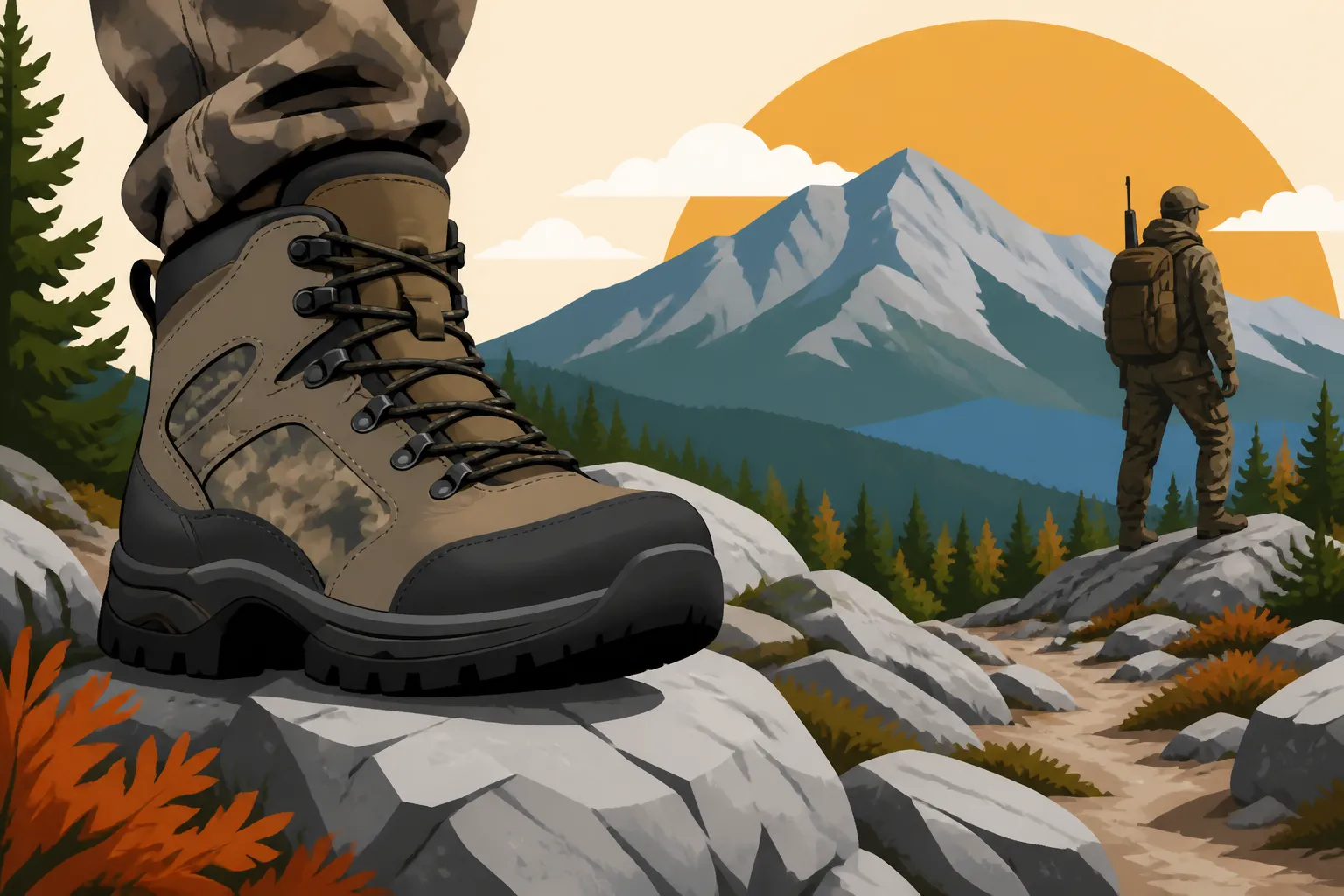
The very name "White Mountains" conjures images of rocky peaks, and for good reason. The trails are often a jumble of granite slabs, loose scree, and tangled root systems, especially once you get off the more popular hiking paths and into the timber where the deer and moose roam. Every step demands precision, and a boot that can't handle sharp edges or provide stable footing on uneven ground is a liability. You’ll be scrambling up steep sections, navigating boulder fields, and trying to move silently over surfaces that seem designed to make noise. This kind of terrain puts immense stress on your feet, ankles, and the boots themselves, leading to premature wear and potential injury if your footwear isn't up to the task.
Think about still-hunting in these areas: you need to place each footfall deliberately, testing the ground before committing your weight. A flimsy sole will let every sharp rock poke through, causing discomfort and fatigue. Moreover, the sheer abrasiveness of granite can chew through inferior boot materials in a single season. The granite isn't just hard; it's often coarse and sharp, like sandpaper mixed with razor blades. If your boots aren't built with robust uppers and protective rands, they won't last long against this constant friction.
Water Crossings and Muddy Sections
Even on the driest days, the White Mountains have a way of throwing wet challenges at you. Seeps, small brooks, beaver flowages, and sudden rain showers mean your feet are constantly at risk of getting soaked. Nothing saps morale or leads to blisters faster than wet feet, especially when you're miles into the backcountry. A momentary lapse in waterproofing can mean hours of discomfort, affecting your focus and ability to hunt effectively.
It's not just the planned stream crossings; it's the unexpected mud holes hidden beneath a layer of fallen leaves, or the soggy ground around a spring. You need boots that can shed water reliably, keeping the interior dry while still allowing your feet to breathe. This balance is crucial because while absolute waterproofing is appealing, a boot that doesn't breathe will trap sweat, leading to its own set of problems. Many a hunting trip has been cut short because of blistered, pruned feet from inadequate moisture management.
Weather Variability: From Sunshine to Sudden Downpours
New Hampshire weather, particularly in the mountains, is famously fickle. You can start the day with clear skies and crisp air, only to be caught in a driving rain or even an early-season snow squall by afternoon. These rapid shifts demand versatility from your gear. A boot that performs well in dry, cool conditions might become a slippery death trap on wet rocks, or fail to keep your feet warm when the temperature suddenly plummets.
Imagine being halfway up a ridge, moving into position for a morning sit, when a thick fog rolls in, followed by a cold drizzle. Your boots need to transition seamlessly from providing grip on dry leaves to maintaining traction on slick, wet granite. Layering for a Wet White Mountain Day is something every hunter needs to consider, and your footwear is an integral part of that system. This constant battle with unpredictable elements makes choosing the right boot less about a single feature and more about a holistic approach to protection and performance.
Key Features to Look For in Granite Trail Boots
When you're out there, miles from the truck, your boots are your best friends. They're the critical link between you and the brutal terrain. So, what exactly makes a boot truly suitable for New Hampshire's granite trails? It boils down to a few core elements that simply cannot be compromised.
Sole Construction and Grip: What Keeps You Upright
This is arguably the most critical feature. The sole of your boot needs to be a warrior, providing exceptional traction on everything from wet granite slabs to loose dirt and slippery pine needles. Look for aggressive lug patterns that are deep and widely spaced to shed mud and debris. Vibram soles are a common benchmark in high-quality outdoor footwear, known for their durability and grip, but the specific compound and lug design matter. Some soles are softer and stickier, excellent for rock climbing, but might wear faster. Others are harder, offering superior durability, but can be slick on wet surfaces. For the diverse White Mountain terrain, a balanced approach is best.
Beyond the lugs, consider the stiffness of the sole. A stiffer sole, often reinforced with a shank or rock plate, provides excellent protection against sharp rocks and distributes pressure more evenly across your foot. This dramatically reduces fatigue over long, rocky traverses. Imagine stepping on a jagged rock – a stiff sole prevents it from digging into your arch or ball of your foot. While a super flexible sole might feel comfortable initially, it offers little protection and can lead to foot pain and instability when carrying a pack over uneven ground. Think about the added weight of gear or a harvested animal; a sturdy sole is paramount for stability and comfort.
Ankle Support and Stability: Preventing the Roll
A rolled ankle in the backcountry isn't just painful; it can be dangerous. New Hampshire's granite trails are rife with hidden hazards – roots, loose rocks, and sudden drops – all eager to twist an unsuspecting foot. High-cut boots that lace up well above the ankle bone offer crucial support, acting like a brace to prevent lateral movement. This support is not just about the height of the boot; it’s about how securely it locks your heel in place and how well the lacing system can be cinched down to hug your ankle.
However, ankle support isn't just about stiffness. A well-designed boot provides flexibility where you need it (for walking naturally) and rigidity where you need it (to prevent twists). Look for a snug fit around the heel and ankle without feeling restrictive. Some boots feature internal ankle padding or specialized lacing hardware that helps customize the fit for maximum stability. When you're Hunting a Granite Ridge Saddle or descending a steep, rocky slope with a pack, that extra bit of ankle support can mean the difference between making it back to camp safely and a painful extraction. It’s an investment in your safety and endurance.
Waterproofing and Breathability: Dry Feet, Happy Hunter
The constant dance between keeping water out and letting moisture (sweat) escape is vital. A boot that boasts "waterproof" yet leaves your feet clammy and pruney isn't doing its job. Gore-Tex and similar proprietary waterproof-breathable membranes are the industry standard for a reason. They create a barrier against external moisture while allowing water vapor from your foot to escape, preventing that unpleasant swampy feeling. However, it's not just the membrane; the boot's construction, how the seams are sealed, and the quality of the DWR (Durable Water Repellent) coating on the outer materials all contribute to its overall wet-weather performance.
Even with the best membrane, repeated exposure to deep puddles or prolonged rain can eventually overwhelm a boot. This is why material choice also plays a role. Full-grain leather, when properly treated and maintained, offers excellent natural water resistance in addition to any membrane. Synthetic materials can also be highly water-resistant, but typically rely more heavily on the membrane. For hunting in New Hampshire, where you're often Hunting a Beaver Flowage Edge or crossing streams, a robust waterproofing system is non-negotiable. Don't underestimate the power of dry feet to keep your spirits high and your focus sharp throughout a long day in the mountains.
Durability and Materials: Built to Last Against the Granite
The White Mountains will chew up inferior boots faster than almost anywhere else. Granite is notoriously abrasive, and sharp rocks can easily cut and scrape through flimsy materials. This is where durable full-grain leather, reinforced synthetic fabrics, and protective rubber rands come into play. A rubber rand, which is a protective strip of rubber wrapping around the base of the boot, is a fantastic feature for fending off impacts and abrasion from rocks, especially in scree fields or when kicking steps.
Consider the construction method as well. Stitch-down or Norwegian welt construction can be incredibly durable and often resoleable, though they tend to be heavier and less flexible. More modern adhesive construction methods can also be very strong if done well, often resulting in lighter boots. The quality of the stitching, hardware (like D-rings and eyelets), and laces all contribute to the overall longevity. You want a boot that feels substantial, not flimsy, because it's going to take a beating. Investing in a boot that can withstand the rigors of years of Still-Hunting White Mountain National Forest Timber will save you money and discomfort in the long run.
Understanding Different Boot Types for Mountain Hunting
The world of hunting boots is vast, and it can be confusing to pick the right one for New Hampshire's unique terrain. It's not a one-size-fits-all situation; what works for a quick scouting trip might not cut it for a multi-day backcountry hunt. Understanding the nuances of different boot types can guide you to your perfect pair.
Lightweight Hikers vs. Heavy-Duty Backpacking Boots
This is a classic dilemma. Lightweight hiking boots, often resembling athletic shoes, are designed for speed and comfort on well-maintained trails. They offer excellent flexibility and minimal break-in time. However, for serious White Mountain hunting, especially off-trail or with a heavy pack, they often lack the crucial support, protection, and durability needed. Their soles tend to be less stiff, offering less protection from sharp rocks, and their ankle support is typically minimal, increasing the risk of sprains on uneven ground. While they might be fine for a short jaunt on a relatively smooth trail, they aren't built for the rigors of Hunting the White Mountains High Country.
On the other end of the spectrum are heavy-duty backpacking boots, often referred to as mountain hunting boots. These are beasts of burden, built to handle heavy loads, brutal terrain, and extreme conditions. They feature stiff soles, robust ankle support, durable uppers (often full-grain leather), and comprehensive protective rands. While they require a significant break-in period and are heavier, their stability, protection, and longevity are unmatched for the kind of abuse New Hampshire's granite trails dish out. When you're Packing for a Nine-Day Moose Hunt or any extended backcountry trip, these are the boots that will save your feet and potentially your hunt.
The choice largely depends on your specific hunt type. For quick, day hunts on less aggressive terrain, a medium-duty boot that bridges the gap might suffice. But if you're serious about tackling the granite, opting for something closer to the backpacking boot end of the spectrum is usually the wiser choice.
Leather vs. Synthetic Uppers: Pros and Cons
The material of the boot's upper affects everything from durability and weight to breathability and break-in time. Traditionalists often swear by full-grain leather, and for good reason. It's incredibly durable, molds to your foot over time for a custom fit, and with proper care, offers excellent natural water resistance. Leather boots tend to be heavier and require a longer break-in, but they offer unparalleled abrasion resistance against granite and can often be re-soled, extending their lifespan considerably.
Synthetic materials, on the other hand, are typically lighter, more breathable, and require less break-in. They can also be highly durable, especially when reinforced with Cordura or other tough fabrics. However, synthetic materials often don't offer the same puncture or abrasion resistance as thick leather against sharp rocks, and they may not mold to your foot in the same way. Many modern boots combine both – a synthetic base with leather reinforcements in high-wear areas – to get the best of both worlds. When looking at options, consider the weight versus durability trade-off. For the White Mountains, a combination often works best, prioritizing durability in key areas while keeping weight reasonable.
Insulation Needs for New Hampshire Seasons
New Hampshire's hunting seasons span a wide range of temperatures, from mild early archery days to frigid late-season muzzleloader hunts. Your boot's insulation (or lack thereof) needs to match the conditions. For early archery season (September/October), uninsulated or lightly insulated boots (100-200g Thinsulate equivalent) are often preferred for breathability, preventing your feet from overheating during active hunting. Overheating leads to sweat, and sweat leads to cold feet when you eventually stop moving.
As you push into late fall and early winter, for firearms and muzzleloader seasons, increased insulation becomes essential. Boots with 400g to 800g of insulation are common for these colder months. The key is to avoid over-insulating for active hunts, as generating too much sweat can still lead to cold feet once you're stationary. When considering Cold-Weather Sitting Strategy in the North Country, your boots are a primary defense against the chill. Some hunters opt for two pairs of boots: a lighter, uninsulated pair for early season, and a heavily insulated pair for late season sits. This approach offers the most versatility and comfort across New Hampshire's diverse hunting calendar.
Fitting and Preparing Your Boots for the Trails
Having the best boots in the world won't do you any good if they don't fit correctly or aren't properly prepared for the abuse you're about to put them through. This stage is just as important as the selection itself.
The Importance of Proper Fit and Break-In
I can't stress this enough: fit is everything. A boot that’s too tight will pinch, too loose will cause blisters and instability. When trying on boots, wear the same thick hunting socks you'd use in the field. Test them at the end of the day when your feet are slightly swollen. Ensure there's about a thumb's width of space between your longest toe and the end of the boot, but your heel should be locked in place with minimal slippage. Walk up and down inclines if possible – your toes shouldn't jam into the front on descents, and your heel shouldn't lift excessively on ascents.
Once you’ve bought them, the break-in period is non-negotiable, especially for more rigid mountain boots. Don't, I repeat, do not take new boots straight from the box to a multi-day hunt in the White Mountains. Start with short walks around the neighborhood, then graduate to longer hikes on local trails, gradually increasing the distance and elevation. This allows the boots to mold to your feet and softens the materials, preventing hot spots and blisters when it really counts. Many hunters make the mistake of rushing this process, only to pay the price in painful blisters miles into the woods. A thorough break-in period can be weeks, even months, depending on the boot's stiffness.
Sock Selection: The Unsung Hero of Foot Comfort
Often overlooked, the right socks are just as crucial as the boots themselves. They manage moisture, provide cushioning, and can make or break your foot comfort. Avoid cotton at all costs; it absorbs moisture and stays wet, leading to blisters and cold feet. Instead, invest in high-quality wool or synthetic socks. Merino wool is an excellent choice: it wicks moisture, regulates temperature, and resists odor. Synthetic blends offer similar moisture-wicking properties and dry quickly.
Consider layering your socks. A thin liner sock can reduce friction between your foot and the thicker outer sock, further preventing blisters. The outer sock should provide cushioning and fit snugly without bunching. Different thicknesses are available for varying temperatures and boot fits. Just like with boots, choose socks that match the season and your activity level. Proper sock choice, combined with a well-fitting boot, creates a formidable defense against foot misery.
Maintenance for Longevity
Your boots are an investment, and proper care will extend their life and performance significantly. After every hunt, especially after wet or muddy conditions, clean your boots. Remove laces and insoles, brush off mud and dirt, and wipe them down. If they're leather, use a suitable leather conditioner to keep the material supple and prevent cracking. For waterproof membranes, periodically clean the outer fabric and reapply a DWR spray to help water bead off.
Always allow your boots to air dry naturally, away from direct heat sources like fires or heaters, which can damage materials and adhesives. Stuffing them with newspaper can help absorb internal moisture and maintain their shape. Pay attention to the soles; check for excessive wear or damage, as a compromised sole can lead to slips and falls. For those using GoHunt to scout new terrain or plan an ambitious multi-day hunt, taking the time for thorough boot maintenance before and after each trip ensures your footwear is always ready for the next challenge the White Mountains throw your way.
By taking these steps, from selecting the right boot features to meticulous break-in and consistent maintenance, you'll ensure your feet are your greatest asset, not your biggest liability, when pursuing game on New Hampshire's rugged granite trails.
Disclaimer
This article is for general informational purposes only and does not constitute professional advice. Laws, prices and regulations vary by location and change over time. Consult a qualified professional for guidance on your specific situation.