Best Boots for North Country Bog Hunting
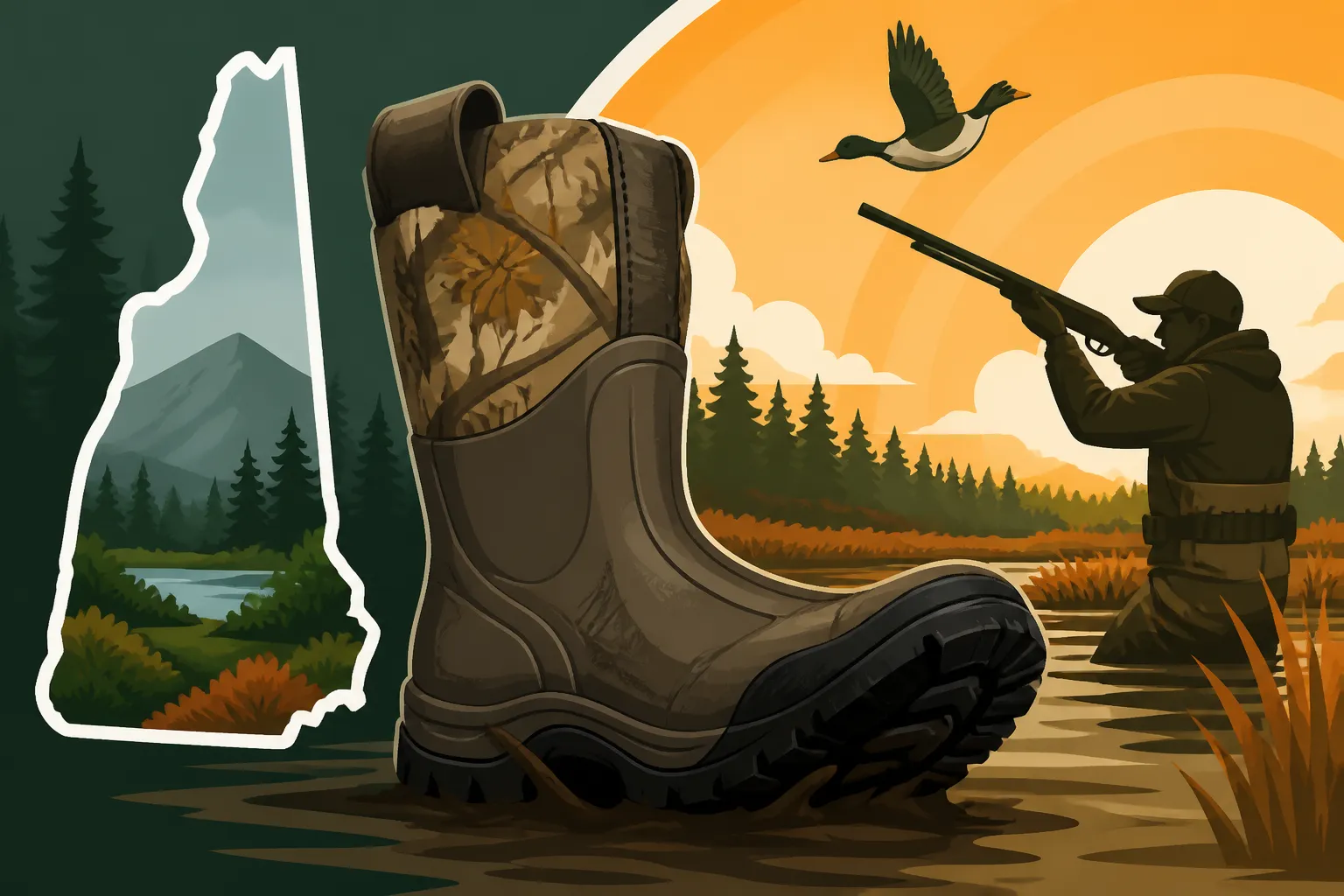
Oh, the North Country bog hunt! If you've spent any time chasing a deer or a moose through New Hampshire's wilder tracts, especially up north, you know exactly what I'm talking about. That deceptive ground that looks solid but quickly swallows your foot, the cold water seeping in, the sheer exhaustion of slogging through mud and muck – it can absolutely make or break a hunt. This isn't just about keeping your feet dry; it's about comfort, safety, and ultimately, success in some of the most challenging terrain our state has to offer. This guide is going to dig deep into what makes a great boot for bog hunting, helping you choose footwear that stands up to the task and keeps you comfortable when the conditions are anything but.
Understanding the North Country Bog Challenge
Let's face it, hunting in the New Hampshire North Country isn't a stroll through a manicured park. It's an adventure, a test of will, and often, a battle against the elements and the terrain itself. And when that terrain includes bogs, things get real messy, real fast. We're talking about conditions that humble even the most seasoned hunters and demand specific gear choices if you want to come out on top – or at least, not with soaking wet feet.
The Unique Terrain of New Hampshire Bogs
New Hampshire's North Country is a mosaic of dense timber, granite ridges, and, yes, those infamous bogs and wetlands. These aren't just puddles; they're intricate ecosystems often characterized by sphagnum moss, sedges, cranberries, and even stunted black spruce and tamarack. Beneath that spongy, often deceptively solid-looking surface lies a mucky, watery abyss. You might take a step and sink six inches, or you might hit a soft spot and go knee-deep in freezing cold water and mud. The ground itself is rarely firm. You're dealing with uneven surfaces, hidden roots, submerged logs, and patches of deep, cloying mud that can try to suck the boot right off your foot. It's not just wet; it's a dynamic, shifting environment that requires constant attention and, crucially, the right kind of support and protection from your footwear. Whether you're carefully Hunting a Beaver Flowage Edge or pushing through dense cover in pursuit of a moose, a bog will test every piece of your gear, starting with your boots.
The challenge isn't just the wetness, either. Bogs are often situated in low-lying areas that stay colder, longer. The water can be frigid, even on a mild fall day, and if you're standing in it for any length of time, that cold will leach into your feet, quickly leading to discomfort, loss of sensation, and even dangerous conditions like frostnip if you're not careful. The ground underfoot also has limited insulation value, meaning your body is constantly battling the cold from the earth and water. Navigating these areas is a full-body workout, and every step needs to be secure to prevent slips, falls, and ankle twists that can easily end a hunt.
Why Regular Boots Just Won't Cut It
You might be thinking, "My regular waterproof hiking boots are fine, right?" And for a typical hike on a dry trail or even through some shallow puddles, they probably are. But a New Hampshire bog is an entirely different beast. Those "waterproof" membranes in many hiking boots are often designed for rain or splashing, not for being submerged in several inches of water and mud for hours on end. The seams might eventually fail, the material might wick moisture from the outside, or water might simply slosh over the top. Once your feet get wet, especially in cold temperatures, the game changes dramatically.
Beyond waterproofing, regular boots often lack the specific features needed for bog terrain. The outsoles might not have aggressive enough lugs to grip slick mud and moss. The ankle support might be insufficient for the constantly shifting, uneven ground, putting you at risk of injury. And insulation? Many general-purpose hiking boots are built for active hiking, where your body generates its own heat. Standing still, glassing a bog for a bull moose, your feet will quickly get cold if your boots aren't adequately insulated. The constant battle against cold, wet feet will sap your energy, diminish your focus, and make what should be an exciting hunt feel like a miserable chore. Trust me, I've made the mistake of underestimating a bog. It's a lesson you only need to learn once to understand the critical importance of specialized footwear.
Key Features to Look for in Bog Hunting Boots
When you're equipping yourself for the unique demands of Moose Hunting New Hampshire's North Country or pursuing deer in the dense lowlands, your boots become one of your most critical tools. Skimping here is just inviting misery. Let's break down the non-negotiable features.
Waterproofing – Beyond "Water-Resistant"
This isn't about keeping out a light drizzle; it's about full immersion. When you step into a bog, you're not just walking through water – you're often sinking into it. This means your boots need to be truly, absolutely waterproof up to a significant height. We're talking about boots that are either fully rubber construction or have a robust, high-performance waterproof membrane (like Gore-Tex, though many brands have their own fantastic versions) that extends well up the shaft.
Many hunting boots boast "waterproof" claims, but for bog conditions, you need to scrutinize what that really means. Are the seams sealed? Is the material inherently non-absorbent? Is the construction such that water can't simply seep in through stitching holes or lace eyelets? For me, the peace of mind that comes from a completely sealed, high-top rubber boot is often unmatched when wading through truly wet ground. You want to be confident that if you step into a foot of muck, your socks will still be bone dry when you pull your foot out. This is where brands like Lacrosse or Muck Boot Company really shine, as their entire design philosophy is built around keeping water out. Don't settle for "water-resistant" when you're facing a bog; demand absolute waterproofing.
Traction and Support for Unstable Ground
Bog terrain is notoriously unstable. Between slick moss, wet mud, hidden roots, and submerged rocks, every step is a balancing act. Your boots need an aggressive outsole pattern designed to grip in these conditions. Look for deep, widely spaced lugs that can shed mud and provide purchase on soft, slippery surfaces. A flat, shallow tread will quickly clog and turn your boots into ice skates, increasing your risk of a slip or a nasty fall.
Beyond traction, proper support is paramount. Ankle support is crucial for navigating uneven ground and preventing twists or sprains. Look for boots with a stiff midsole that resists twisting and a supportive shaft that cradles your ankle. This isn't just about comfort; it's about safety. When you're carrying a pack, or even worse, when you're Packing Meat Out of a North Country Bog, a rolled ankle can turn a successful hunt into a real emergency. A solid, stable platform underfoot helps distribute your weight and provides confidence with every step, even when the ground feels like a trampoline. Some hunters prefer taller boots for the added stability and protection against brush, which can be a real benefit in dense bog cover.
Insulation for Cold, Wet Conditions
As I mentioned, bogs are cold. The water, the ground, and the air itself can quickly chill your feet to the bone, even in early fall. Adequate insulation is absolutely vital. You'll want to look for boots with a significant amount of insulation, often measured in grams (e.g., 800g, 1200g, 2000g). The colder the temperatures you expect and the longer you anticipate being stationary, the more insulation you'll need.
However, it's a balancing act. Too much insulation can lead to sweaty feet if you're moving vigorously, which ironically can also lead to cold feet once you stop. Consider the kind of activity you'll be doing. If you're primarily still-hunting or sitting in a blind near a bog, lean towards higher insulation. If you're doing a lot of active stalking, you might opt for a slightly lower insulation level and compensate with good wool socks. The key is to find that sweet spot that keeps your feet warm without making them sweat excessively. Remember, cold weather layering applies to your feet too; a good pair of moisture-wicking wool socks, like those found on the GoHunt Gear Shop, can make a huge difference, even in an insulated boot. Best Boot Insulation for Late-Season Cold is a topic unto itself, but for bogs, always err on the side of warmth.
Durability and Materials That Last
Bog hunting is rough on gear. The abrasive nature of mud, sand, and sharp vegetation, combined with constant exposure to water, can quickly break down inferior materials. You need boots built tough. Look for high-quality rubber, durable neoprene, or robust synthetic materials that can withstand punctures, abrasions, and repeated flexing without cracking or degrading. Reinforced toe and heel areas are a huge plus, as these are often high-wear zones.
Stitching and seams are critical failure points. Ensure they are robust, ideally double-stitched or heat-sealed, and protected from abrasion. The lifespan of your bog boots will depend heavily on the quality of their construction. Investing in a durable pair upfront will save you money and headaches in the long run. There's nothing worse than having a boot fail mid-hunt, leaving you with a soaking foot far from the truck. Think of them as an investment in your comfort and success, not just another piece of gear.
| Feature | Importance in Bog Hunting | Key Considerations |
|---|---|---|
| Waterproofing | Critical | Full rubber or high-quality membrane to high shaft. Absolutely no leaks. |
| Traction | High | Deep, aggressive, widely spaced lugs that shed mud. |
| Ankle Support | High | Stiff midsole, supportive shaft to prevent twists on uneven, soft ground. |
| Insulation | High | Grams of insulation (800g-2000g) appropriate for temperatures and activity level. Avoid overheating. |
| Durability | High | Puncture-resistant rubber/neoprene, reinforced toe/heel, strong, sealed seams. |
| Weight | Moderate | Lighter is better for long treks, but not at expense of other critical features. |
| Fit | Critical | Snug but not tight, allows for thick socks. Prevents rubbing and blisters, ensures stability. |
Types of Boots Best Suited for Bog Hunting
When you're slogging through the North Country's wettest spots, not all boots are created equal. It's not just about a "hunting boot" anymore; it's about a specialized tool for a specialized environment. Different styles offer different advantages, and understanding them will help you pick the perfect pair for your bog-trotting adventures.
Rubber Boots: The Go-To for Many
If you ask most seasoned New Hampshire bog hunters what they wear, chances are a good percentage will point to a pair of knee-high or even chest-high rubber boots. And for good reason! Rubber boots are, by design, inherently waterproof. There are no seams to fail below the waterline (if constructed properly), and the material itself is impermeable. This means you can step into deep water, mud, or even a shallow stream, and as long as the water doesn't come over the top, your feet stay dry.
Brands like Muck Boot Company and Lacrosse have perfected the art of the rubber hunting boot. Many models incorporate neoprene into the shaft, which adds flexibility, comfort, and crucial insulation. For instance, a quality Muck Boot might offer 800 grams or more of insulation, making it suitable for cold late-season hunts where you're Hunting into the December Muzzleloader Close. The aggressive tread patterns on these boots are specifically designed to grip in sloppy conditions, reducing slips and providing stability on soft ground.
The primary drawback of traditional rubber boots can be breathability. While they keep water out, they can also keep sweat in, leading to clammy feet if you're walking long distances or if the weather is milder. However, for those quick forays into notoriously wet areas, or for situations like Hunting a Beaver Flowage Edge where you know you'll be wading, rubber boots are often the absolute best choice. They’re also surprisingly durable against punctures from brush and thorns, making them excellent companions in dense undergrowth.
Hybrid Boots: Blending Protection with Comfort
For hunters who cover a lot of ground but still anticipate significant wetness, hybrid boots offer a compelling compromise. These boots often feature a rubber lower section, extending up past the ankle and sometimes even mid-calf, combined with a leather or synthetic upper that is treated with a high-performance waterproof membrane (like Gore-Tex or similar proprietary technologies).
The idea here is to get the guaranteed waterproofing of rubber where you need it most (around the foot and lower leg) while gaining the breathability, lighter weight, and more athletic fit often associated with traditional hiking or hunting boots in the upper section. This design can be particularly appealing for mobile hunters who might be hiking a few miles through varied terrain to reach a Hunting a Ridge-Top Saddle for Rutting Bucks that also involves crossing a marshy lowland. A good pair of hybrid boots will give you excellent ankle support, which is critical when navigating both rocky uplands and squishy bogs.
However, the "waterproof" claims on the upper part of hybrid boots need careful consideration. While the membranes are highly effective against rain and splashes, they generally aren't designed for sustained submersion. If you sink too deep, water can eventually breach the membrane, especially at flex points or through lace eyelets. So, while they offer a fantastic all-around solution for many New Hampshire hunts, if your primary goal is deep bog slogging, a full rubber boot might still be the superior choice. But for a balance of protection and trekking comfort, a quality hybrid boot, perhaps from a brand you often see on GoHunt's gear reviews, can be a great option.
Specialty Waders for Deep Water Crossings
Sometimes, "bog" is an understatement. Sometimes, you're looking at truly deep water, marshy areas, or river crossings that go well above your knees, maybe even to your waist. In these situations, regular boots, even the tallest rubber ones, simply won't cut it. This is when specialty waders come into play.
While often associated with waterfowl hunting (think Decoying Ducks on New Hampshire's Connecticut River), chest waders can be invaluable for accessing remote hunting spots that require deep water crossings, or for retrieving game that has fallen into significant water. They offer full-body waterproof protection, allowing you to walk through water that would inundate any boot.
Waders come in different materials, from traditional neoprene (which offers warmth and durability) to more breathable, lighter nylons with waterproof membranes (great for active walking in milder weather). Many models come with integrated boots, often insulated, making them a complete system.
The downside? Waders are not designed for long-distance, dry-land hiking. They can be cumbersome, hot, and less supportive than dedicated boots when walking on solid ground. They are a tool for a specific job: navigating deep water. So, while not your everyday bog boot, they are an essential piece of gear for specific deep-water scenarios in the North Country, providing access to areas that would otherwise be unreachable. Consider them for scouting those tricky areas where you might be Hunting the Umbagog Lake Wetlands.
Fitting and Maintenance for Longevity
Getting the right boots for North Country bog hunting is only half the battle. Just as important are making sure they fit correctly and taking proper care of them. Neglecting these steps can lead to discomfort, premature wear, and a very unhappy hunting experience.
The Importance of a Proper Fit
A well-fitting boot isn't just about comfort; it's about performance and safety. An ill-fitting boot, especially in challenging terrain like a bog, can lead to blisters, chafing, foot fatigue, and even instability that increases your risk of injury. This is especially true when your feet are battling damp, cold conditions.
Here's what to look for:
- Try them on with your hunting socks: Don't wear thin dress socks. Put on the thick wool or synthetic socks you'd actually wear in the field. This ensures the fit accounts for the extra bulk. Many hunters rave about the performance of merino wool socks, which GoHunt often features in its cold-weather gear guides.
- Ample toe room: Your toes shouldn't be crammed against the front. You should have about a thumb's width of space between your longest toe and the end of the boot. This prevents discomfort on descents and allows for proper circulation, crucial in cold conditions.
- Snug heel fit: Your heel should feel secure and not slip excessively when you walk. A little lift is okay, but significant heel movement will cause blisters and reduce stability.
- No pressure points: Walk around in the boots for a good 10-15 minutes, ideally on an incline if you can. Pay attention to any areas of pinching, rubbing, or excessive pressure. These will only get worse in the field.
- Consider arch support: If you have specific arch needs, look for boots with good built-in support or consider aftermarket insoles.
Remember that foot swelling can occur during a long day of hunting, so trying boots on later in the day when your feet are slightly swollen can give you a more accurate fit. A properly fitting boot will feel like an extension of your leg, not a clunky impediment.
Essential Boot Care in a Wet Environment
Your bog boots are going to get dirty, muddy, and wet – that's their job! But proper care after each hunt is crucial for extending their lifespan and ensuring they perform when you need them next. Ignoring maintenance is a quick way to destroy even the most expensive, high-quality boots.
Here are some non-negotiable care tips:
- Clean them immediately: As soon as you get home, rinse off all mud, dirt, and debris. A hose and a stiff brush work wonders. Pay special attention to the lugs on the sole, as caked-on mud can reduce traction. For rubber boots, a simple rinse is often enough, but a mild soap can remove stubborn grime.
- Dry them thoroughly (but gently): This is perhaps the most critical step. Never dry your boots by a direct heat source like a campfire, wood stove, or radiator. Excessive heat can crack rubber, dry out leather, and degrade glues and membranes. Instead, remove the insoles (if removable) and open up the boot shafts as wide as possible. Stuff them with newspaper or paper towels to absorb moisture, changing the paper every few hours. Better yet, invest in a boot dryer. These devices circulate warm air and can dry boots effectively and safely overnight.
- Condition if necessary: For hybrid boots with leather components, once dry, apply a leather conditioner to prevent cracking and maintain its integrity. Even some rubber boots can benefit from rubber protectants to prevent UV damage and cracking over time.
- Store them properly: Store your boots in a cool, dry place away from direct sunlight. Avoid cramming them into a tight space where they might lose their shape.
- Inspect regularly: Before and after each season, give your boots a thorough inspection. Look for any signs of cracking, separation of soles, loose stitching, or worn-down treads. Addressing minor issues early, like applying a seam sealer, can prevent them from becoming major problems in the field.
By dedicating a little time to fitting and maintenance, your bog hunting boots will be ready to tackle whatever the North Country throws at them, season after season. You'll thank yourself when your feet are warm and dry while your buddy is complaining about soggy socks!
Disclaimer
This article is for general informational purposes only and does not constitute professional advice. Laws, prices and regulations vary by location and change over time. Consult a qualified professional for guidance on your specific situation.