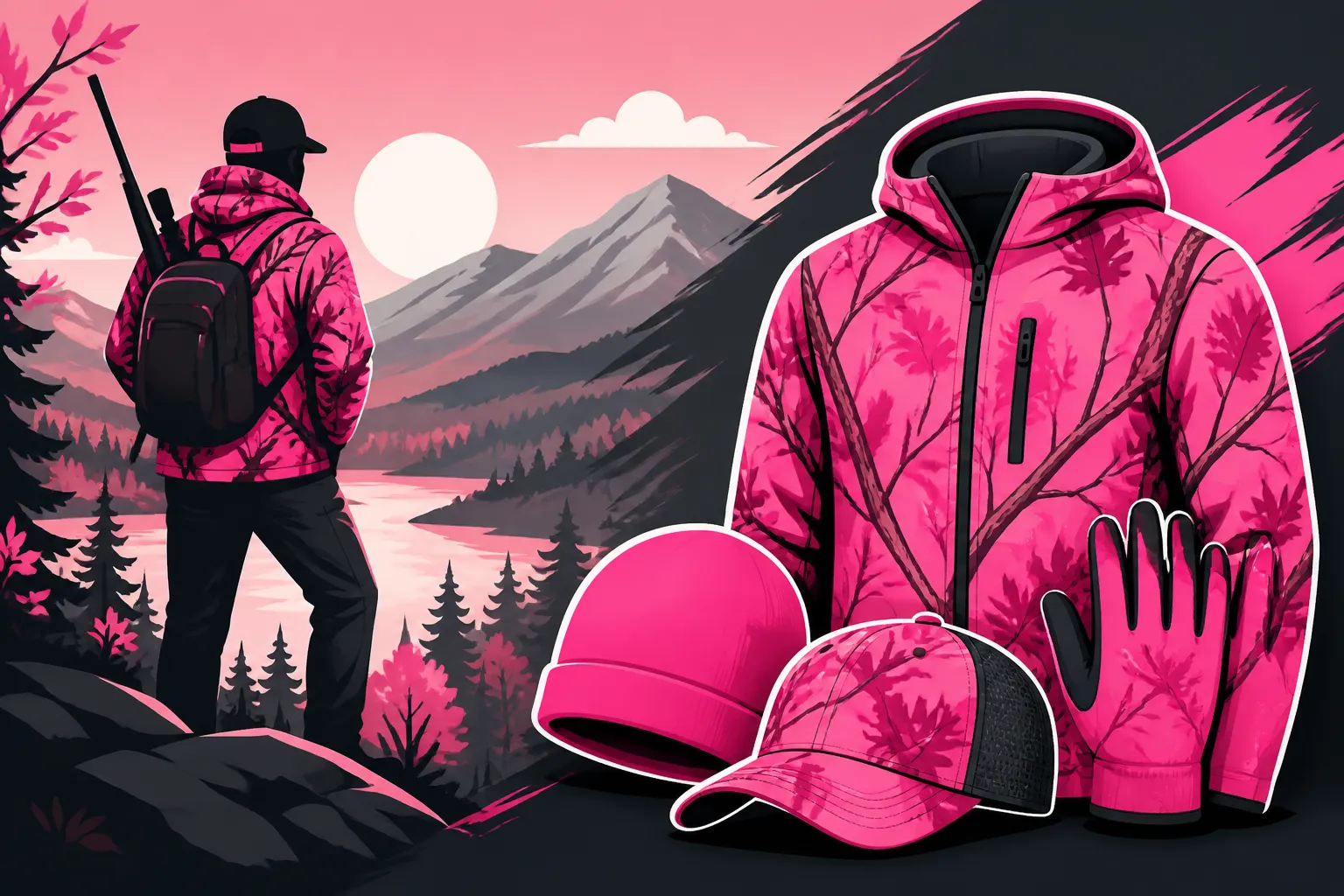
Best Blaze Pink Options for New Hampshire Hunters
It can be really frustrating trying to keep up with all the gear requirements for hunting in New Hampshire, especially when it comes to something as critical as visible safety colors. For years, blaze orange was the only game in town, but now blaze pink is an option, and many hunters, particularly women, are curious if it's truly effective, legal, and if it even makes sense for their hunting style. This guide is here to cut through the confusion and give you the real scoop on choosing the best blaze pink options for your New Hampshire hunts, ensuring you stay safe, visible, and comfortable in the woods.
Understanding New Hampshire's Blaze Orange and Pink Regulations
Before you even think about what shade of pink you want, it's absolutely vital to understand what New Hampshire law actually says about visible clothing for hunters. Nobody wants to get a violation simply because they misunderstood a regulation or made an assumption. The rules are in place for a good reason: hunter safety, and we all need to do our part to keep everyone safe in the woods. It's not just about what you like to wear, it's about what keeps you, and others, visible.
The Legal Requirements: What the Law Actually Says
For a long time, blaze orange was the undisputed king of hunter visibility. It was the only legal option for specific hunting seasons and locations in New Hampshire, and frankly, it was what everyone was used to. However, times change, and in recent years, New Hampshire joined several other states in recognizing blaze pink as a legal alternative. This was a welcome change for many hunters who wanted more options and perhaps a color that felt a bit more distinct.
The key thing to remember is that "blaze pink" isn't just any old shade of pink. It has to meet specific luminosity and hue requirements, similar to blaze orange. This isn't your pastel baby pink or a muted rose color. We're talking about a vibrant, fluorescent, eye-popping pink that stands out against the natural backdrop of the woods. The intent is to provide the same level of safety and visibility as blaze orange, ensuring that other hunters can easily spot you, especially during peak firearms seasons when hunting pressure can be higher. Always double-check the current New Hampshire Fish and Game Department regulations, which you can usually find in their annual digest or on their website, to confirm the exact specifications. You can often check these details using a mapping application like GoHunt, which frequently updates its information to keep you informed about specific regulations in different areas.
Minimum Visible Area: How Much is Enough?
It's one thing to know that blaze pink is legal, but it's another to know how much of it you actually need to wear. New Hampshire's regulations typically specify a minimum amount of material that must be visible from all sides. This isn't just a suggestion; it's a legal requirement designed to ensure you're seen from every angle, whether you're walking, sitting, or quartering game. Imagine you're still-hunting through a thick stand of pines or setting up on a Hunting a Ridge-Top Saddle for Rutting Bucks; having insufficient visible material could put you at risk if another hunter is moving through the area.
Often, this means a certain number of square inches of material that's visible, typically above the waist. This is why a simple hat isn't usually enough on its own. Most hunters opt for a vest or jacket, combined with a hat, to easily meet these requirements. The idea is to create a large, unmistakable block of color that signals "hunter" to anyone else in the vicinity. This is particularly crucial during the New Hampshire Firearms Season Opening Day when more hunters are in the woods and visibility is paramount. Don't skimp on this, thinking a small patch will do. Go for maximum visibility; your safety, and the safety of others, depends on it.
When and Where It's Required: Season Specifics
While many states have varying requirements, New Hampshire's blaze orange/pink rules are generally tied to specific hunting seasons, particularly those involving firearms. You'll usually find that during the regular firearms deer season, as well as during any overlap with muzzleloader season, blaze orange or pink is mandatory. However, during archery-only seasons, like when New Hampshire's Archery Season Opens, these requirements are often relaxed, though many archers still choose to wear a small amount for safety when walking in or out of their stand.
It's also important to consider where you're hunting. Public lands, especially areas like the White Mountain National Forest Camping Setback Rules or certain Wildlife Management Areas, might have specific local rules in addition to statewide regulations. While the state regulations are generally comprehensive, always be aware of any posted signs or additional guidance for specific parcels of land. If you're hunting on private land, while the state law still applies, your landowner might have additional requests for visibility. Always consult the current New Hampshire hunting digest for precise dates and requirements for each season and weapon type.
The Allure of Blaze Pink: Benefits and Considerations
So, why would a hunter choose blaze pink over the traditional blaze orange? It's more than just a fashion statement; there are genuine reasons hunters are embracing this color, alongside a few considerations to keep in mind. It really boils down to safety, personal preference, and understanding how different colors interact with animal vision.
Visibility and Hunter Safety: Is Pink as Safe as Orange?
This is the big question on everyone's mind: is blaze pink truly as effective for safety as blaze orange? The answer, according to color science and official regulations, is a resounding yes. Blaze pink, when manufactured to the correct specifications, is designed to be just as bright and attention-grabbing as blaze orange. The key is its fluorescent nature, which means it emits light in the visible spectrum, making it pop out against the muted greens, browns, and grays of the natural environment.
From a human vision perspective, both colors are highly conspicuous. They stand out sharply against almost any natural background, making it difficult for another hunter to mistake you for game. This is especially critical during those low-light periods at dawn and dusk, or on overcast, foggy days when visibility is naturally reduced. The goal is to avoid accidents by ensuring positive identification of other hunters, and blaze pink fulfills this role just as capably as orange. So, if you're concerned about whether choosing pink might compromise your safety, you can rest assured that, when compliant with regulations, it offers equivalent protection. Many hunters feel more confident knowing they're doing everything possible to be seen, whether that's through New Hampshire Blaze Orange Requirements or the new blaze pink alternative.
Breaking Tradition: Personal Preference and Acceptance
For many hunters, choosing blaze pink is a matter of personal preference, and frankly, a bit of breaking from tradition. Hunting has historically been a male-dominated pursuit, and with more women entering the field, gear that resonates with their preferences is a welcome change. It's about having options that make you feel comfortable and confident in the woods, without sacrificing safety. Perhaps you just like the color, or maybe you appreciate the statement it makes about inclusivity in hunting.
However, there can sometimes be a social aspect to consider. While acceptance of blaze pink is growing, some traditionalists might still raise an eyebrow. This is becoming less common as more states adopt it and more manufacturers offer it, but it's something to be aware of. Ultimately, your choice should be about what makes you feel safe and comfortable. The hunting community is diverse, and respecting individual choices, especially when they adhere to safety standards, is important. A big part of the appeal for many hunters is simply having an alternative that still meets all the functional requirements.
Color Perception by Deer: Does it Matter to the Game?
Here's where it gets interesting: while blaze pink and orange are highly visible to humans, deer (and most other game animals) see the world differently. Deer are dichromats, meaning they have two types of cone cells in their eyes, primarily sensitive to short (blue) and medium (yellow-green) wavelengths. They lack the red-sensitive cones that humans have. This means that red and orange colors, which stand out so vibrantly to us, appear as shades of gray or yellow to a deer.
Therefore, from a deer's perspective, both blaze orange and blaze pink appear as relatively dull, muted colors that blend into the background. They don't perceive these colors as bright or alarming. What does alert deer is movement and shape. So, whether you're wearing blaze orange or blaze pink, as long as you're still and your silhouette is broken up, the color itself is unlikely to spook the game. This scientific understanding gives hunters the freedom to choose a color that works for human safety without worrying that it will make them more detectable to the keen eyes of a New Hampshire whitetail. You can focus on skills like Still-Hunting White Mountain National Forest Timber or Rattling and Grunting New Hampshire Bucks without color being a factor in the deer's perception.
Choosing Your Blaze Pink Gear: Options for Every Hunter
Now that you're well-versed in the regulations and the science behind blaze pink, let's talk about the practical side of things: what gear options are out there? Just like with blaze orange, you'll find a wide array of clothing and accessories in blaze pink, designed to meet various needs and preferences.
Vests and Hats: The Essentials
When it comes to meeting New Hampshire's minimum visibility requirements, a vest and a hat are often the easiest and most practical starting points. They are generally the most affordable options and can be layered over your existing hunting clothes, making them incredibly versatile.
- Blaze Pink Vests: These are perhaps the most common piece of blaze pink gear. They're designed to be worn over your jacket or outer layer, providing a large, unobstructed block of color visible from all directions. Look for vests that are lightweight and breathable if you're hunting in milder early season conditions, or choose one with a more robust material if you anticipate colder weather or needing to brush through thick cover. Some vests come with extra pockets, which can be super handy for storing calls, a rangefinder, or even your phone. They're excellent for compliance during the New Hampshire Firearms Season Dates without needing to buy an entirely new hunting jacket.
- Blaze Pink Hats: A good blaze pink hat is a must-have, complementing your vest or jacket perfectly. Options range from simple baseball caps to warmer knit beanies or even full-brimmed hats for sun protection. Just ensure it's a true blaze pink that meets the legal luminosity standards. A hat ensures visibility from above and helps break up your head and shoulder silhouette. When hunting on public lands, using a mapping app like GoHunt can help you scout and locate prime areas, and having visible gear ensures your safety while doing so.
Outerwear and Layering Pieces: Beyond the Basics
For those who want more than just a vest, or who hunt in colder conditions, full outerwear pieces in blaze pink are an excellent choice. These integrate the safety color directly into your primary hunting garments, offering warmth, weather protection, and convenience.
- Blaze Pink Jackets: A full blaze pink hunting jacket eliminates the need for an additional vest and provides integrated warmth and weather resistance. You can find insulated jackets for late-season hunts where Layering for New Hampshire's Cold Hunting Season is paramount, or lighter shell jackets for active hunts in milder weather. Many brands offer blaze pink options in their popular hunting lines. When choosing a jacket, consider features like scent control technology, waterproof membranes, and quiet fabrics, especially if you're Still-Hunting White Mountain National Forest Timber where stealth is key. Remember, you might still need to consider Best Blaze Orange Vest for Layering Over a Coat if your primary jacket isn't fully blaze pink, or if you want an extra layer of visibility on specific hunts.
- Layering Options: While less common, some manufacturers offer fleece or softshell layers in blaze pink. These can be worn as mid-layers, offering warmth, but still showing the blaze pink when outer layers are removed, or if you prefer to have the color integrated more subtly into your system. Think about those crisp, early fall days when a heavy jacket isn't needed, but you still need to be compliant. These versatile pieces can be excellent for managing your body temperature while maintaining visibility.
Accessories and Specialty Items: Small But Mighty
Beyond the main garments, there are several accessories and specialty items that can incorporate blaze pink into your hunting setup, adding extra visibility or catering to specific needs.
- Armbands/Leg Bands: If you have a favorite camo jacket or pant that you don't want to cover with a full vest, blaze pink armbands or leg bands can be a convenient way to meet minimum area requirements. They're easy to put on and take off and pack down small. They're particularly useful for bowhunters during the archery season who might just want a touch of visibility when moving through thick brush, or during any overlap period.
- Backpack Covers: For those carrying a hunting pack, a blaze pink rain cover or specialized pack cover can add a significant amount of visible surface area, especially from behind. This is a smart choice for hunters who are often on the move or packing out game, ensuring their back remains highly visible. Imagine Packing Out a New Hampshire Moose – you want every bit of visibility you can get, especially if you're navigating uneven terrain.
- Dog Vests: If you hunt with a dog, especially for small game or retrieving waterfowl, a blaze pink vest for your canine companion is a fantastic safety measure. This protects your dog from being mistaken for game and makes them easier for you and other hunters to spot in the woods. Always prioritize your dog's safety as much as your own.
- Ground Blind Accents: While often not required when hunting from inside a fully enclosed blind, some hunters like to tie small strips of blaze pink material to the exterior of their ground blind, especially if it's placed close to a trail or in an area with high hunter traffic. This acts as an additional warning signal to anyone approaching, indicating "hunter present" without disturbing the camouflage of the blind itself. This is a subtle way to enhance safety.
When selecting any of these items, always prioritize quality and compliance. Look for brands that specifically state their blaze pink meets official safety standards. GoHunt, for instance, is a resource many hunters use to research and compare gear, often listing products that meet specific state requirements, so it's a good place to start your search for reputable options.
Here's a quick comparison of popular blaze pink gear types:
| Gear Type | Pros | Cons | Best Use Cases |
|---|---|---|---|
| Vests | Lightweight, affordable, easy to layer, covers significant area. | Can snag on brush, doesn't add warmth or weather protection. | General firearms season, layering over existing camo, early/mid-season hunts. |
| Hats (Caps/Beanies) | Simple, covers head, adds visibility from above, generally inexpensive. | Not enough visible area on its own for most regulations. | Always worn with a vest/jacket, crucial for head visibility. |
| Jackets | Integrated warmth/weather protection, full upper body coverage, convenient. | More expensive, less versatile if you need different warmth levels. | Cold weather firearms season, dedicated hunting outerwear, when maximum comfort/protection is desired. |
| Arm/Leg Bands | Minimalist, highly portable, good for specific, localized visibility. | Smallest coverage, can shift, might not meet full area requirements. | Archery season for walk-in/out safety, supplementing main blaze garment. |
| Pack Covers | High visibility from behind, protects pack from elements, easy to add. | Only covers back, does not provide front/side visibility for the hunter. | Carrying large packs, long treks in/out, additional safety when moving with a heavy load. |
| Dog Vests | Protects hunting dogs, makes them visible to other hunters. | Only for dogs, not human hunter compliance. | Hunting with retrievers or hounds, small game hunting with dogs. |
Ultimately, the best blaze pink options for you will depend on your personal hunting style, the specific seasons you hunt, and the weather conditions you typically face in New Hampshire. The important thing is that you have choices, and that those choices allow you to hunt safely and confidently in the beautiful New Hampshire woods.
Disclaimer
This article is for general informational purposes only and does not constitute professional advice. Laws, prices and regulations vary by location and change over time. Consult a qualified professional for guidance on your specific situation.