Best Blaze Orange Vest for Layering Over a Coat
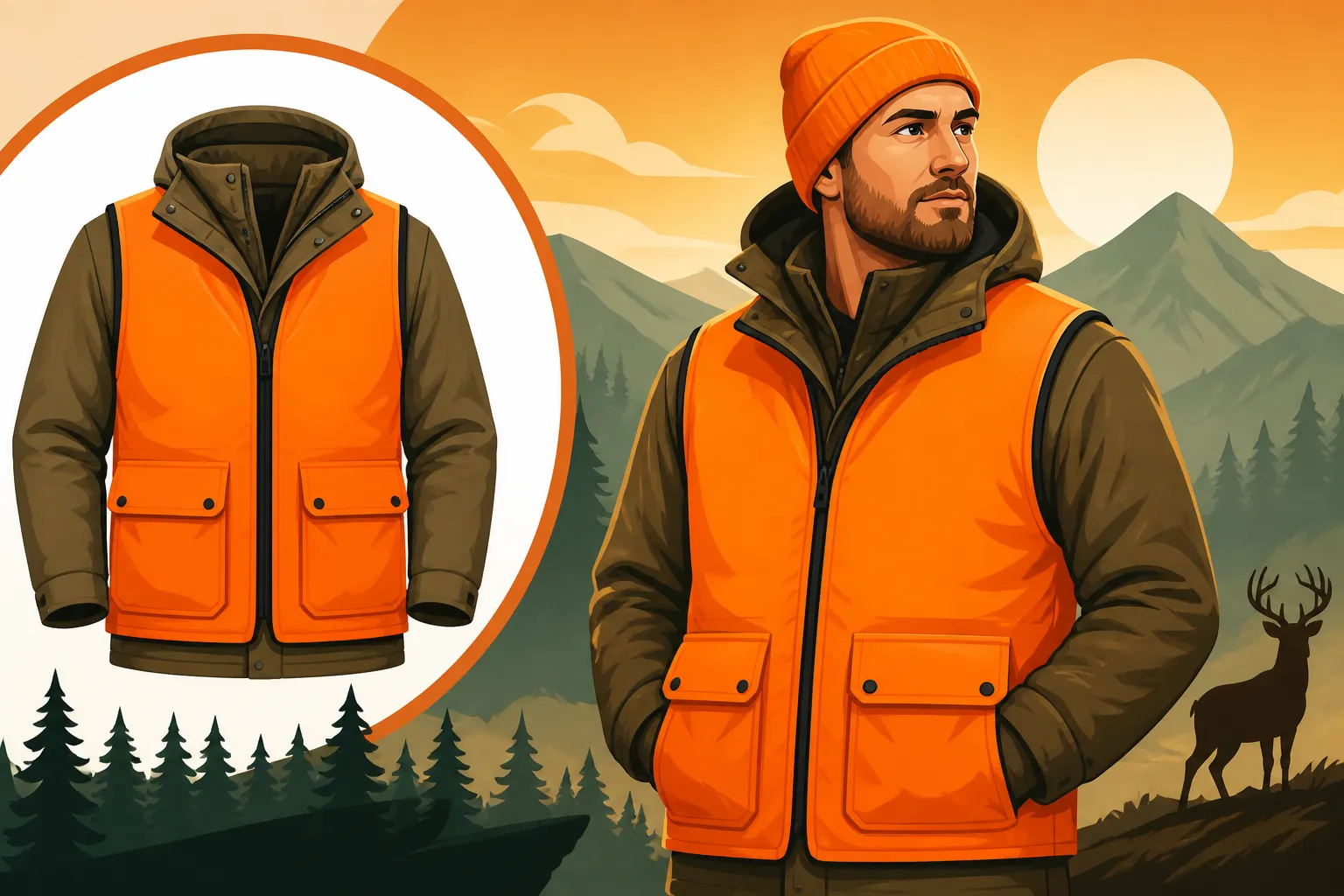
Ah, the crisp, cold air of a New Hampshire autumn morning. There's nothing quite like it, is there? But when you're gearing up for a serious hunt, whether it's the peak of the firearms season or the quiet chill of late-season muzzleloader, one challenge always seems to crop up: how do you stay visible and legal without feeling like a stuffed sausage? Trying to layer a blaze orange vest over your already bulky, insulated hunting coat can be a real headache, leading to restricted movement, bunched-up fabric, and a whole lot of frustration. This guide is all about helping you find that perfect blaze orange vest designed specifically for layering, ensuring you stay safe, compliant, and comfortable in the New Hampshire woods.
The Absolute Necessity of Blaze Orange in New Hampshire
Let's be honest, we all love the feeling of being truly camouflaged, melting into the landscape. But in New Hampshire, especially during certain seasons, that just isn't an option, nor should it be. Blaze orange isn't just a legal requirement; it's a critical safety measure that protects you and your fellow hunters. The dense cover of our state, from the thick spruce bogs of the North Country to the hardwood ridges of the Monadnock region, can make a hunter surprisingly hard to spot, even in broad daylight. Adding in low light conditions, inclement weather, or just the natural excitement of the hunt, and visibility becomes paramount.
The rules around blaze orange are very clear, particularly for seasons like the general New Hampshire's November Firearms Deer Season and during parts of New Hampshire's Muzzleloader Deer Hunting in New Hampshire. You absolutely need to meet the minimum requirements, usually a certain number of square inches visible from all sides. Skimping on this isn't just risking a fine; it's risking your safety. Think about the peace of mind knowing that someone else, perhaps a new hunter or someone less familiar with the area, can easily distinguish you from game. It’s an ethical obligation we all share to make sure everyone comes home safe.
Understanding New Hampshire's Blaze Orange Requirements for Hunters
Before you even start looking at vests, it’s crucial to understand what New Hampshire actually requires. Our state has specific laws regarding the amount and placement of blaze orange a hunter must display during certain seasons and for certain game species. This isn't a one-size-fits-all rule, and knowing the nuances can save you a lot of grief and keep you on the right side of the law.
For example, during the regular firearms deer season, hunters are required to wear a certain number of square inches of solid fluorescent orange material. This usually includes a hat and vest, ensuring visibility from all angles. It’s not enough to have a few orange patches on your camo coat; it needs to be substantial and visible. The same goes for the ten-day muzzleloader season, which often falls before the main firearms opener, where blaze orange is equally important. Even when you're Still-Hunting White Mountain National Forest Timber, where you might encounter other hunters, compliance is key.
Legal Minimums and Best Practices
While the law specifies a minimum, many seasoned New Hampshire hunters will tell you that meeting the minimum is just that – a minimum. Opting for more visibility is almost always a smarter move, especially when Hunting Pressure on New Hampshire Public Land. The requirement often specifies a visible hat and a vest that covers your torso. This ensures that even if you're bending over, kneeling, or partially obscured by brush, a significant portion of your body remains visible. For detailed information, always check the current New Hampshire Fish and Game digest, as regulations can sometimes see minor adjustments.
It's also worth noting that while some states have begun to allow blaze pink, New Hampshire primarily specifies blaze orange. So, stick with the tried-and-true orange to ensure full compliance. Beyond the legal aspect, think about the practical side. If you're tracking a deer in thick cover, or heading back to the truck at the end of New Hampshire Public Land Hunting Hours, that bright orange could literally be a lifesaver. You can also explore different Blaze Orange Layering Options to find what suits your hunting style best.
Key Features to Look for in an Over-Coat Vest
Now that we're clear on why we need it, let's talk about what makes a great blaze orange vest for layering over your warm coat. This isn't just about color; it's about functionality, fit, and material. You don't want a vest that feels like an afterthought; you want one that integrates seamlessly with your hunting system, keeping you safe without hindering your hunt.
Generous Sizing and Adjustable Straps
This is probably the single most critical feature. The whole point of an over-coat vest is that it needs to fit over your bulkiest hunting coat, not just a t-shirt. Look for vests explicitly advertised as "oversized," "one-size-fits-most with generous adjustments," or those that come in larger size ranges than typical apparel. Many hunters make the mistake of buying a vest in their regular clothing size, only to find it's far too snug over a heavy fleece or insulated jacket.
Adjustable shoulder straps and side closures are a game-changer. Velcro, buckles, or even simple ties can allow you to expand the vest to accommodate multiple layers underneath. This means you can wear it over a light fleece in early season or cinch it out to fit over your massive winter parka when the temperatures drop. This adaptability is key for hunters experiencing New Hampshire's wildly fluctuating weather, especially if you're practicing a Cold-Weather Sitting Strategy in the North Country where heavy insulation is a must.
Durable, Quiet, and Packable Materials
The material of your vest matters. While the primary function is visibility, it shouldn't detract from your hunt.
- Durability: New Hampshire's woods can be tough on gear. Think briars, sharp branches, and rubbing against tree bark. A flimsy mesh vest might be fine for a casual walk, but for serious hunting, you want something that can stand up to snags and tears. Look for robust polyester, canvas, or even heavier mesh blends that resist abrasion.
- Quietness: Nothing ruins a close encounter with a wary whitetail faster than a noisy vest. Avoid materials that crinkle, swish, or make loud rubbing sounds as you move. A soft, brushed polyester or a quiet canvas blend is usually a good choice. This is especially important when you're trying to move silently through the timber or get set up on a deer at close range.
- Packability: While not strictly for layering, a vest that can easily be folded or rolled up and stashed in your pack is a huge bonus. Sometimes you start a hunt in low light, needing the visibility, but as the sun comes up and you're moving, you might want to shed a layer. A compact vest is far less of a hassle to carry.
Integrated Pockets and Gear Loops
While not essential, these features can greatly enhance the functionality of your vest. Small pockets can be perfect for holding your deer tag, a small grunt tube, or even a couple of hand warmers. Gear loops are fantastic for clipping on a rangefinder, a GPS unit, or your license holder, keeping these critical items easily accessible without fumbling through your coat pockets. Having these quick-access points can be a real time-saver, preventing you from having to unzip your main coat and expose yourself to the cold just to grab something. Think about how much easier it is to check your GoHunt app for property boundaries if your phone is easily accessible in a vest pocket rather than buried under layers.
Reflective Strips for Enhanced Low-Light Visibility
While blaze orange is for daylight, reflective strips are invaluable during those transition times – dawn and dusk. Whether you're walking into your stand before legal shooting light or dragging a deer out after dark, reflective material can make you much more visible to other hunters, or even to vehicle traffic if your access involves roads. This is a simple addition that adds a significant layer of safety, especially when you're hunting in areas where New Hampshire Public Land Hunting Hours mean you're in the woods before sunrise or after sunset.
Here's a quick comparison of popular vest styles for layering:
| Vest Style | Key Features | Pros | Cons | Best For |
|---|---|---|---|---|
| Oversized Mesh Vest | Lightweight, elastic or strap adjustments | Highly breathable, very packable, affordable | Less durable, can snag easily, limited pockets | Early season, active hunting, mild weather |
| Adjustable Canvas/Poly | Durable fabric, buckle/Velcro side adjustments | Very durable, quiet, often has pockets | Can be heavier/bulkier, less breathable | Mid to late season, treestand hunting, rugged terrain |
| High-Visibility Harness | Minimalist design, reflective piping, straps | Maximum adjustment, extremely packable | No pockets, can feel less substantial | Hunters with specific harness/pack needs, minimalist approach |
| Full Zip-Front Vest | Zippered front, often with pockets, sizing | Easy on/off, good pocket capacity | Fit can be trickier over bulky coats, may ride up | General purpose, less extreme layering, comfort priority |
Sizing and Fit: Avoiding the Bulk Battle
Finding a blaze orange vest that fits well over your primary hunting coat is a common struggle. We've all been there: you try on a vest in the store, it seems fine, then you get it home, layer it over your heavy November coat, and suddenly your arms are pinned, or it's riding up around your ears. The "bulk battle" is real, and it can seriously impact your comfort and ability to make a clean shot.
The goal is to achieve full visibility without sacrificing your range of motion or creating uncomfortable pressure points. Your vest should allow you to raise your arms, shoulder your rifle or bow, and turn freely without feeling restricted. It shouldn't bunch up under your pack straps or ride up excessively when you sit down. A poorly fitting vest isn't just annoying; it can actively hinder your hunt and even compromise safety if it's constantly distracting you or making movement difficult. This attention to detail applies whether you're working a Hunting a Funnel Between Two Woodlots or trying to remain perfectly still in a treestand.
The "Over Everything" Test
When you're shopping for a blaze orange vest for layering, you absolutely must perform the "over everything" test. Don't just try it on over a light shirt. Grab your bulkiest, warmest, most insulated hunting coat—the one you'd wear on a truly frigid December morning during the muzzleloader season—and try the vest on over that. Better yet, put on your coat and your hunting pack, then try the vest on. This is the only way to truly gauge how it will perform in the field.
Once you have it on over your full kit, go through some common hunting motions:
- Raise your arms as if you're shouldering a rifle or drawing a bow.
- Bend over to simulate picking something up off the ground.
- Twist your torso from side to side.
- Sit down, if possible, to see if it rides up uncomfortably.
Pay attention to any pulling, binding, or uncomfortable bunching. Does it restrict your movement? Does it feel like it will snag on your pack? These are all red flags. A good layered vest will feel secure but not tight, allowing for a full range of motion. If you're using a specific mapping tool like GoHunt to mark your stands and plan your routes, you want your gear to allow you to maneuver freely when you get there.
Material Stretch and Cut
Beyond adjustability, the inherent stretch and cut of the vest's material can also play a huge role. Some technical fabrics offer a slight stretch that allows them to conform to layers without feeling restrictive. Additionally, consider the cut of the armholes and shoulders. Deep, wide armholes are often better for layering as they reduce binding around the armpits and allow for easier shoulder articulation.
A vest that's cut longer in the back can also be beneficial, helping to prevent it from riding up when you're sitting or bending. This ensures that the required blaze orange coverage remains intact, even when you're in various hunting positions.
Making Your Blaze Orange Vest Last Through New Hampshire Seasons
Investing in a good blaze orange vest means you want it to last, not just for one season, but for many. Our New Hampshire hunting seasons, from the earliest archery days to the latest muzzleloader closes, can be tough on gear with all the weather extremes, brush, and general wear and tear. Proper care and smart choices can ensure your vest stays visible and functional year after year.
Durability isn't just about the initial quality; it's about how you treat it. A vest that's constantly being washed incorrectly, exposed to harsh chemicals, or stored poorly will degrade much faster. You want that vibrant orange to stay bright, not fade into a dull, questionable shade that might barely meet the legal requirements. This goes for all your gear, whether you're preparing for Bowhunting New Hampshire's Long Archery Season or gearing up for the firearms opener.
Washing and Storage Tips
Most blaze orange vests are made of synthetic materials like polyester, which are relatively easy to care for. However, a few tips can help preserve their lifespan and their critical visibility.
- Follow Care Labels: Always, always check the manufacturer's washing instructions. Some vests can go in the machine, while others might recommend hand washing.
- Gentle Cycle and Cold Water: If machine washing, use a gentle cycle with cold water. Hot water can degrade synthetic fibers and cause colors to fade prematurely.
- Use Scent-Free Detergent: Just like your other hunting clothes, use a scent-free detergent. While the vest is primarily for visibility, you don't want it broadcasting your presence through artificial smells.
- Air Dry: Tumble drying, especially on high heat, can damage the fabric and any reflective elements. Air drying is always the safest bet. Hang it out of direct sunlight to prevent fading.
- Avoid Harsh Bleaches or Stain Removers: These can strip the color and weaken the fabric. For tough stains, try a gentle, scent-free spot treatment.
- Proper Storage: When the season is over, clean your vest thoroughly and store it in a cool, dry place away from direct sunlight. Avoid cramming it into a tight bag where it might get creased or damaged. Keeping it loosely folded in a tote or hung in a closet will help it retain its shape and color.
Inspecting for Wear and Tear
Before each season, and periodically throughout, give your blaze orange vest a thorough inspection. Look for:
- Fading: Is the orange still bright and vibrant? If it's starting to look dull or washed out, it might be time for a replacement. Faded orange simply isn't as effective.
- Tears or Holes: Even small tears can grow, and they compromise the structural integrity and sometimes the required coverage. Repair small tears with heavy-duty thread or patch kits if possible.
- Damaged Reflective Strips: If your vest has reflective elements, check to see if they are still intact and reflective. If they're peeling or scratched, their effectiveness in low light will be reduced.
- Functioning Adjustments: Ensure all Velcro, buckles, or zippers are still working correctly. A vest that can't be properly secured or adjusted won't offer the best fit or safety.
By being mindful of these details, you can ensure that your blaze orange vest remains a reliable and highly visible piece of your hunting gear, keeping you safe and compliant year after year in the beautiful New Hampshire woods.
Disclaimer
This article is for general informational purposes only and does not constitute professional advice. Laws, prices and regulations vary by location and change over time. Consult a qualified professional for guidance on your specific situation.