Hunting the Umbagog Lake Wetlands
The vast, wild expanse of the Umbagog Lake Wetlands can feel like a labyrinth, especially for hunters unfamiliar with its unique blend of open water, dense bogs, and tricky islands. It's easy to get turned around, misjudge access points, or simply feel overwhelmed by the sheer scale and remoteness of it all. This comprehensive guide is designed to cut through that confusion, helping you understand this incredible New Hampshire hunting area, navigate its challenges, and plan a successful and safe hunt in the heart of the Umbagog Lake region.
Understanding the Umbagog Lake Wetlands Ecosystem
The Umbagog Lake region, straddling the New Hampshire and Maine border, is a truly special place. It’s not your typical New Hampshire hardwood forest or granite ridge country. This is a vast, interconnected system of wetlands, rivers, and shallow lakes that offers a completely different hunting experience, presenting both incredible opportunities and unique challenges.
The Unique Landscape of Umbagog
Imagine a mosaic where open water gives way to sprawling marshes, which in turn blend into dense, impenetrable cedar swamps and boggy spruce thickets. This is the heart of Umbagog. The lake itself is relatively shallow, with numerous islands, channels, and coves that provide incredible cover and habitat. The Androscoggin River feeds into it, bringing with it a rich ecosystem of its own, while countless smaller streams and flowages weave through the landscape. This intricate network means navigating isn't just about walking; it often involves boating, wading, or even bushwhacking through extremely challenging terrain.
The ground here is rarely firm. You'll encounter everything from ankle-deep mud to waist-deep water, often covered by a thick layer of vegetation that can make footing treacherous. There are drier islands and pockets of higher ground, but they are often isolated and surrounded by significant wet areas. The dominant tree species lean towards softwoods like spruce, fir, and cedar, creating dense, dark cover that can feel incredibly wild and remote. For those used to the open hardwoods of the southern part of the state, Umbagog is a complete shift, demanding a different approach and a different set of skills. It's a place where a small, flat-bottomed boat can be as important as your hunting boots.
Key Game Species and Their Habitat Preferences
The wetland environment of Umbagog naturally draws certain game species, making it a prime destination for specific types of hunting. Waterfowl, in particular, thrive here. The shallow waters, abundant aquatic vegetation, and numerous resting and feeding areas make it a magnet for migrating ducks and geese. You'll find mallards, black ducks, wood ducks, and various diving ducks using the lake, rivers, and secluded flowages. Geese often utilize any nearby agricultural fields or open grassy areas, flying into the wetlands for water and safety. If you're passionate about Waterfowl Hunting New Hampshire's Two Zones, Umbagog offers some excellent opportunities.
Beyond the feathered game, Umbagog is also renowned for its big game potential, especially moose and bear. Moose are perfectly adapted to this environment, often found browsing on aquatic vegetation in the bogs and dense cover of spruce swamps. They use the thickets for bedding and sanctuary, and the extensive water sources are vital. Bear are also prevalent, drawn to the abundant berry bushes, natural mast crops, and the security of the dense, nearly impenetrable cover. They can be found moving along the edges of the wetlands, through the thick timber, and near any available food sources. While deer are present, their density is often lower in the deepest, wettest areas compared to more upland regions. However, they will utilize the drier edges, islands, and transition zones where food and cover are accessible without constantly slogging through deep muck. Smaller furbearers like beaver and muskrat are also abundant, making it a truly wild and diverse hunting landscape.
Planning Your Hunt: Access and Regulations for Umbagog
Hunting in the Umbagog Lake Wetlands isn't something you just "show up" for. It requires meticulous planning, a solid understanding of the area's unique access challenges, and a thorough review of specific regulations. This isn't your average woodlot hunt.
Navigating Public and Private Land
The Umbagog Lake region is a patchwork of ownership, with significant portions falling within the Umbagog National Wildlife Refuge, managed by the U.S. Fish and Wildlife Service. While hunting is permitted in designated areas of the refuge, it's crucial to understand the specific regulations and boundaries, which can differ from statewide rules. There are also state-owned lands, such as portions of New Hampshire Wildlife Management Areas, and, of course, private parcels. Discerning these boundaries accurately is paramount to avoid trespassing or violating refuge-specific rules.
This is where modern mapping tools become absolutely essential. Services like onX Hunt or even tools within the GoHunt platform can overlay property lines and land ownership information directly onto a topographical map on your phone or GPS device. Relying solely on physical maps in such a complex, water-dominated area can be incredibly difficult, as landmarks might be subtle or obscured. Access points are limited, often requiring boat launches to reach the most productive areas. Roads are few and far between, especially once you venture beyond the main access points. Expect to cover significant distances by water, and plan your route carefully. Knocking on doors for private land permission might be an option on the periphery, but the core wetland hunting will rely heavily on understanding and utilizing public access.
Essential Permits, Seasons, and WMU Considerations
Before you even think about setting foot (or paddle) in the Umbagog Wetlands, you need to ensure all your permits and licenses are in order. A valid New Hampshire hunting license is a given, but specific game animals require additional stamps or permits. Waterfowl hunters, for example, will need a federal duck stamp and must be HIP (Harvest Information Program) certified. For those dreaming of a moose, the New Hampshire Moose Permit Lottery is a once-in-a-lifetime draw that you must apply for well in advance. Bear hunting often has WMU-specific seasons and regulations, including rules around baiting, so always check the latest digest for the Wildlife Management Units (WMUs) that encompass the Umbagog region (primarily WMUs B and C, though always verify).
New Hampshire's hunting seasons are defined by WMU, so understanding which unit you are in is critical for accurate season dates and bag limits. For example, while the general archery season might be statewide, specific WMUs might have slightly different opening or closing dates, or antlerless permit availability. Pay close attention to these details, as they can differ for deer, bear, and turkey. Don't assume. The terrain itself makes scouting and game recovery challenging, so having all your legal ducks in a row ensures you can focus on the hunt itself. Remember, regulations are in place to ensure sustainable wildlife populations and hunter safety, so taking the time to understand them fully is a mark of a responsible hunter.
Watercraft and Navigation Challenges
Hunting the Umbagog Lake Wetlands almost always involves a boat, and not just any boat. A shallow-draft vessel like a canoe, kayak, or a small jon boat with an outboard is often the only way to effectively navigate the intricate network of shallow channels, boggy sloughs, and open water. Deeper-hulled boats might struggle or get stuck in the shallower sections. The Umbagog waters are notoriously challenging to navigate, even with a map. Channels can be narrow, winding, and sometimes obscured by reeds or emergent vegetation. Hidden stumps and rocks are common hazards, especially in areas where water levels fluctuate.
Retrieving game, particularly a large deer or a massive moose, from the water or deep muck of the wetlands presents its own set of logistical hurdles. A large moose quartered in a bog can be an incredibly arduous task, requiring teamwork, specialized gear like game carts or robust sleds, and plenty of patience. Even a duck that falls into a thick marsh can be tough to locate and retrieve without a good dog or a determined effort. Always scout your intended routes in advance, if possible, and be prepared for your vessel to be your primary means of transport and game recovery. Having a reliable GPS unit with detailed maps (like those from onX Hunt) is not just a convenience; it's a safety essential, especially when fog rolls in or darkness falls, making familiar landmarks disappear.
Strategies for Hunting Different Game in the Wetlands
The diverse landscape of Umbagog calls for a variety of hunting strategies, tailored to the specific game you're after and the unique challenges of the wetland environment. You can't just apply a standard "woods" hunting approach here.
Waterfowl Tactics for Umbagog's Unique Layout
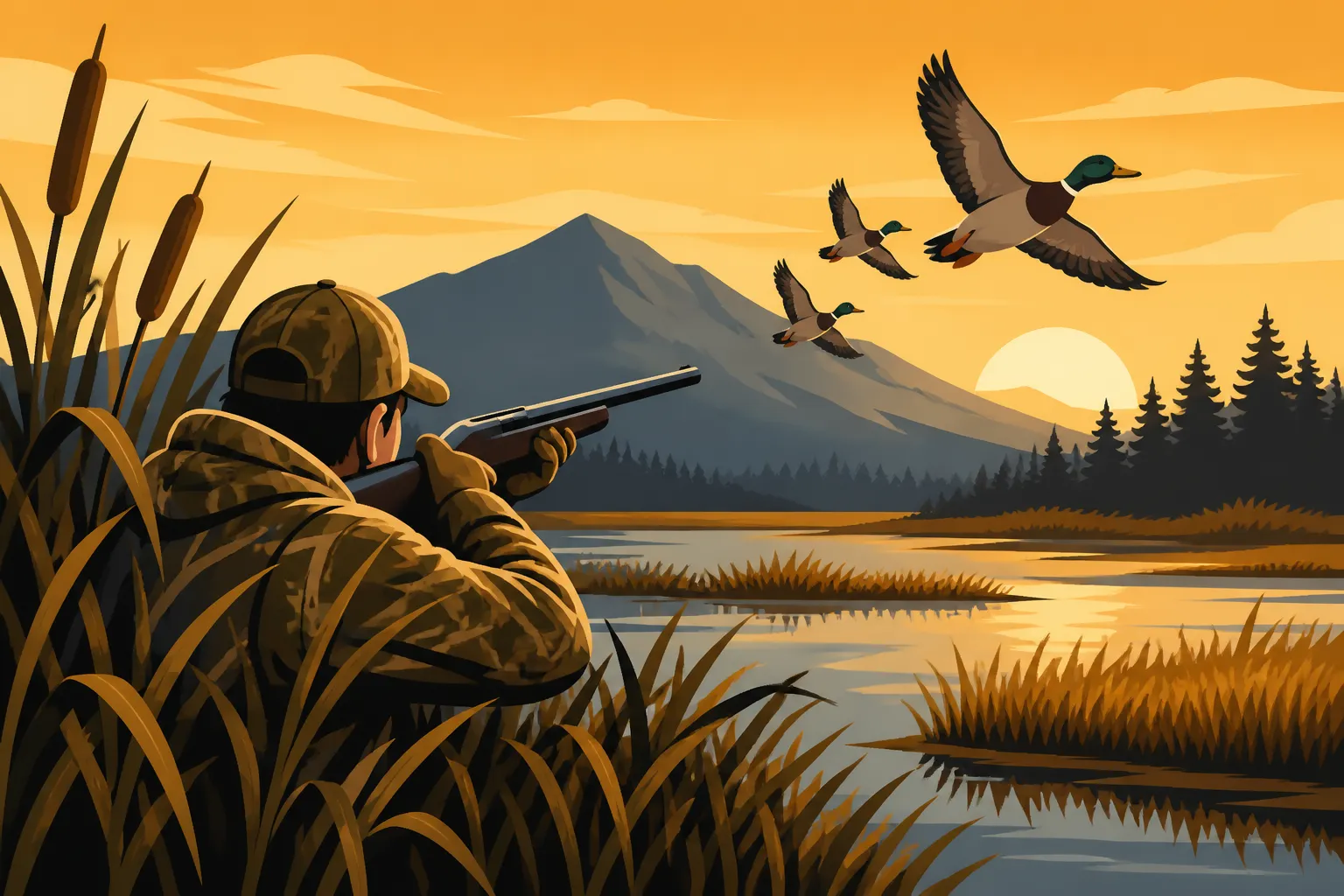
For many, Umbagog is synonymous with waterfowl hunting, and for good reason. The sheer amount of water and natural food sources create prime habitat. Successful waterfowl hunting here hinges on understanding bird movement and setting up effectively in a dynamic environment. Decoy spreads are your bread and butter for ducks and geese. On open water or wider channels, a varied spread of mallards, black ducks, and divers can be effective. Utilize the natural cover of cattails, reeds, or submerged vegetation to hide your blind or boat. Small islands or peninsulas within the wetlands make excellent ambush points, especially if they catch birds moving between feeding and resting areas.
Jump-shooting smaller creeks and secluded ponds can also be productive, particularly for wood ducks and mallards. This often involves careful, quiet wading or paddling down a waterway, surprising birds as you round a bend. For geese, if there are any accessible agricultural fields adjacent to the wetlands, setting up a layout blind in a cut cornfield or similar stubble can be highly effective, especially for morning or evening flights. The key is thorough scouting. Spend time observing flight paths, identifying preferred feeding and resting areas, and understanding how wind and weather affect bird movement. A good call can help seal the deal, but proper placement and concealment are paramount when Decoying Ducks on New Hampshire's Connecticut River or any large body of water like Umbagog.
Still-Hunting and Calling for Moose and Bear
Hunting big game like moose and bear in the Umbagog Wetlands demands patience, stealth, and a deep understanding of their behavior in this specific habitat. Moose, often found deep within the boggy areas and dense spruce thickets, are best approached by still-hunting very slowly, paying close attention to fresh tracks, rubs, and droppings. They often utilize the edges of bogs and water bodies, so focusing on these transition zones can be productive. During the rut, calling can be incredibly effective. Mimicking a cow moose's plaintive cry or a bull's grunt can draw in an eager bull. Knowledge of Calling a Bull Moose in Late October is a huge advantage. Be prepared for a close encounter and a formidable recovery challenge if successful.
Bear hunting in Umbagog often centers around identifying areas with abundant food sources, such as berry patches (blueberries, raspberries) or mast crops like beech nuts or acorns, especially as the season progresses. Still-hunting through dense cover, focusing on recent sign like scat, torn-up logs, or tracks, can yield results. Some WMUs within the Umbagog area allow baiting, which can be an effective method if done legally and ethically. If you choose this route, understand all the specific regulations regarding bait placement, type, and timing. Always refer to the most current digest for rules on Baiting New Hampshire Bears Legally by WMU. The dense cover means shots will likely be close, so practice quick target acquisition and be prepared for a tough retrieve.
Deer Hunting the Wetland Edges and Islands
While Umbagog isn't primarily a deer destination for most, healthy deer populations do exist, particularly along the drier edges of the wetlands, on the numerous islands, and in the transition zones where wetlands meet more upland forest. These areas provide both cover and access to varied food sources. Scouting for deer sign like tracks, rubs, scrapes, and bedding areas on these higher grounds is critical. Look for natural funnels created by fingers of land or narrow strips of dense cover that deer might use to travel between feeding and bedding areas.
Hunting these edges often involves setting up a treestand or ground blind in a strategic location that overlooks known travel routes or feeding areas. Scent control is absolutely critical, as the variable winds around large bodies of water and through dense cover can easily betray your presence. Pay close attention to wind direction, especially near water, as thermals can be tricky. Consider utilizing islands as natural sanctuaries for deer, and if you can access them discreetly, they can hold some solid bucks. Hunters who are willing to penetrate deeper into these marginal areas, perhaps even Hunting a Beaver Flowage Edge, will often find less pressured deer. The deer here are masters of concealment, so patience and keen observation are your greatest assets.
Essential Gear and Safety Considerations for Wetland Hunting
Hunting the Umbagog Lake Wetlands is an immersive experience that demands specialized gear and a rigorous approach to safety. The unique environment poses challenges that extend beyond typical forest hunting, and being unprepared can quickly turn an adventure into a dangerous situation.
Specialized Gear for Wet and Rugged Terrain
The single most crucial piece of gear for Umbagog is reliable, waterproof footwear, specifically waders. Chest waders are almost a necessity, allowing you to traverse varying water depths and muddy sections comfortably and safely. Layer them over warm clothing, as cold water can quickly leach body heat. Paired with your waders, sturdy, insulated, and waterproof boots are essential for those moments you're out of the boat and slogging through the muck or crossing islands. You might consider specific footwear like Best Waders for Connecticut River Duck Hunting which often provides guidance on suitable options for similar wet environments.
Beyond footwear, total waterproofing for your outer layers is non-negotiable. Rain gear that can withstand hours of precipitation is a must, as you'll be exposed to the elements constantly. A reliable GPS unit with pre-loaded maps (like onX Hunt or detailed topo maps from GoHunt's resources) is vital for navigation, especially with the intricate waterways and potentially dense fog that can roll in quickly. A powerful headlamp with extra batteries is crucial for early morning setups and late-night recoveries. For game recovery, especially large animals like moose, consider carrying a robust rope, a lightweight game cart (if terrain allows on higher ground), or even a heavy-duty sled to help haul quarters out of deep mud or water. Game bags are also essential for protecting meat quality during extraction.
Cold Weather and Water Safety Protocols
Hunting in a wetland environment, particularly in New Hampshire's shoulder seasons or late fall, carries significant risks related to cold weather and water. Hypothermia is a very real threat if you accidentally fall into the water or get soaked in cold rain. Dressing in layers, with a focus on moisture-wicking base layers and insulating mid-layers, is critical. Always carry a dry bag with spare warm clothes, a fire-starting kit, and emergency rations.
Personal flotation devices (PFDs) are not optional if you're on the water, regardless of how calm it seems. Hidden obstacles, sudden gusts of wind, or unexpected boat malfunctions can quickly put you in the water. Always inform someone of your exact hunting plan, including your intended route, where you're launching, and when you expect to return. Consider carrying a satellite communication device for emergencies, as cell service can be spotty or non-existent in remote areas of Umbagog. If hunting late into the season, always be acutely aware of ice conditions. Ice is never 100% safe, and conditions can change rapidly. Avoid thin ice at all costs, especially when carrying heavy gear or game.
Understanding Wildlife and Environmental Hazards
While focused on the hunt, always maintain an awareness of your surroundings and potential non-game wildlife hazards. Bears are present in Umbagog, and while generally shy, unexpected encounters can happen, especially if you're stalking in thick cover or dealing with a downed animal. Carrying bear spray, knowing how to use it, and making noise as you move can mitigate risks. Coyotes are also common predators in the region, and while not typically a direct threat to hunters, their presence highlights the wild nature of the environment.
Beyond wildlife, the terrain itself presents hazards. Slippery mud, submerged logs, hidden holes, and uneven ground can lead to falls and injuries. Always move slowly and deliberately. Be aware of dense insect populations during warmer months; ticks, mosquitoes, and black flies can be relentless. Carry appropriate repellents and take precautions to prevent bites. Finally, respect the sensitive ecosystem of the wetlands. Pack out everything you pack in, avoid disturbing nesting areas, and minimize your impact on the delicate balance of this wild and precious New Hampshire gem. New Hampshire Hunter Education Requirements covers many of these safety principles, and a refresher is always a good idea.
Umbagog Lake Wetlands Hunting Overview
| Feature / Aspect | Description | Key Considerations |
|---|---|---|
| Primary Game | Waterfowl (ducks, geese), Moose, Black Bear, some Deer | Focus on species adapted to wet, dense environments. |
| Terrain | Shallow lake, rivers, dense marshes, bogs, cedar swamps, wooded islands, limited upland fringes | Extremely wet, muddy, challenging footing; requires specialized navigation. |
| Access | Primarily by boat (canoe, kayak, shallow-draft jon boat); limited road access to launch points | Understand public/refuge boundaries; use mapping apps like onX Hunt. |
| WMUs | Primarily WMU B, potentially fringes of WMU C (always verify specific location in latest digest) | Check specific season dates and regulations for each game species within the WMU. |
| Key Gear | Chest waders, waterproof outerwear, PFD, GPS/mapping app, headlamp, game retrieval tools, insect repellent | Prioritize safety and comfort in wet, cold conditions. |
| Hunting Style | Decoying/jump-shooting for waterfowl; slow still-hunting/calling for moose/bear; edge hunting for deer | Patience and adaptability are crucial; strategies differ greatly by species. |
| Environmental Risks | Hypothermia, getting lost, hidden obstacles in water/mud, biting insects, encounters with large wildlife | Always have emergency plans, inform others of your whereabouts, and be prepared for anything. |
Disclaimer
This article is for general informational purposes only and does not constitute professional advice. Laws, prices and regulations vary by location and change over time. Consult a qualified professional for guidance on your specific situation.