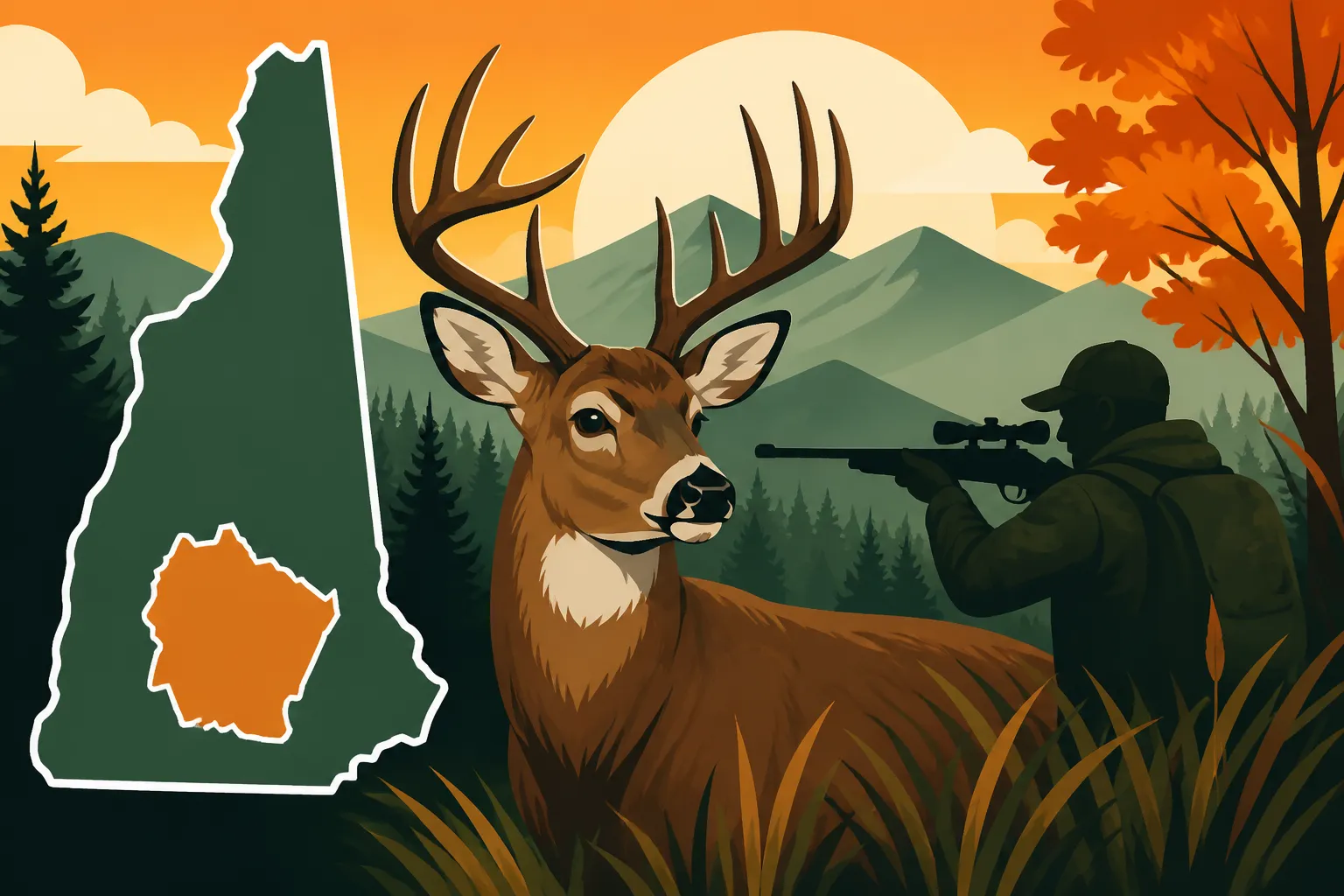
Cheshire County Public Hunting Ground
Finding quality public hunting land in New Hampshire, especially in the more populated southern regions like Cheshire County, can feel like trying to decipher a secret code. Many hunters get discouraged, thinking all the good spots are locked up in private hands or require a long drive north. This guide is here to tell you that there are viable public hunting opportunities right in Cheshire County, and we'll walk through how to find them, understand the rules, and maximize your chances for success.
Understanding Cheshire County's Unique Hunting Landscape
Cheshire County, tucked away in New Hampshire's southwest corner, isn't the vast, unbroken wilderness you might picture when thinking of the state's North Country. It's a fascinating mix of rolling hills, dense forests, scattered farmlands, and a growing population. This landscape presents both challenges and distinct advantages for the public land hunter.
The Blend of Urban, Suburban, and Rural Pockets
Unlike the expansive timberlands further north, Cheshire County often features a mosaic of land ownership. You'll find bustling towns, quiet rural communities, and suburban fringes that transition into thick woodlands or agricultural fields. This means that public hunting parcels might be smaller, more fragmented, and often bordered by private property. It can be a real head-scratcher trying to figure out where one ends and the other begins, leading to a lot of frustration if you're not prepared.
However, this checkerboard pattern can also work to your advantage. Smaller, overlooked woodlots, often adjacent to more developed areas, can become havens for deer and other game seeking refuge from pressure. These spots might not scream "hunting paradise" at first glance, but with careful scouting and respect for property lines, they can yield surprising results. The key is to shift your mindset from expecting vast tracts of pristine wilderness to appreciating the smaller, more accessible pockets.
Key Public Land Types to Look For
When you're hunting in Cheshire County, you'll generally be looking for a few main categories of public land. These include State Forests, Wildlife Management Areas (WMAs), and in some cases, town-owned conservation lands or easements. Each type has its own nuances regarding access and regulations.
State Forests, managed by the New Hampshire Division of Forests and Lands, are typically open to hunting unless otherwise posted. These can range from smaller parcels to significant acreage and often have established trail systems, which can be both a blessing for access and a curse due to increased human activity. Wildlife Management Areas, managed by New Hampshire Fish and Game, are specifically set aside for wildlife habitat and public recreation, including hunting. These are often prime targets, as their primary purpose aligns directly with a hunter's goals. Finally, don't overlook local town forests or conservation lands. These smaller parcels might require a bit more legwork to understand local ordinances, but they can be genuine hidden gems for Hunting Small Private Tracts in New Hampshire. It's crucial to always check the most current regulations for any specific area you plan to hunt.
Navigating Public Access Points and Regulations
Once you have an idea of where to look, the next step is figuring out how to access these lands legally and ethically, and what rules you need to follow. This is where modern tools and a good understanding of New Hampshire's hunting laws become your best friends.
Leveraging Digital Tools for Scouting
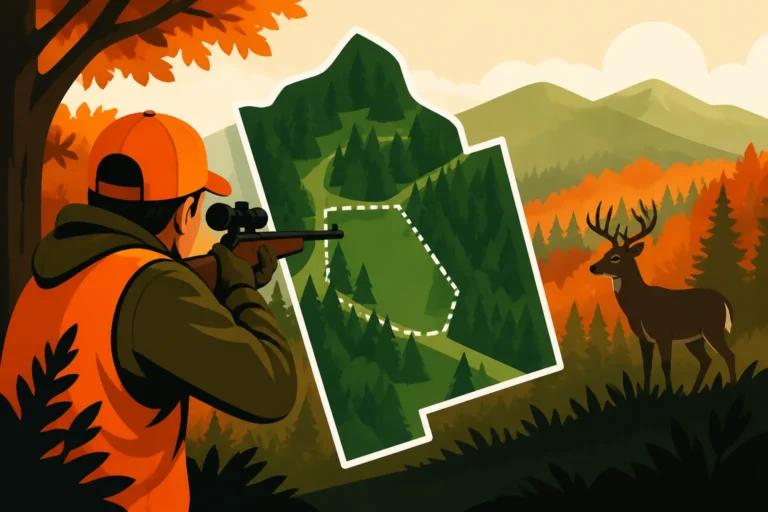
In today's hunting world, digital mapping applications are absolutely indispensable, especially when dealing with the fragmented land ownership patterns of Cheshire County. Platforms like onX Hunt are game-changers for identifying property lines, public land boundaries, and potential access points. You can layer satellite imagery with property ownership data to instantly see where public land begins and private land ends, helping you avoid costly and embarrassing trespass mistakes. This is far superior to relying on outdated paper maps or trying to guess in the field.
Beyond just identifying boundaries, these apps allow you to mark potential pinch points, food sources, bedding areas, and access trails from the comfort of your home. You can often see logging roads, clear-cuts, and water features that might not be obvious from a simple highway drive-by. Similarly, while GoHunt is excellent for broader Western hunting applications, its general mapping and intelligence features can still be useful for conceptualizing habitat and terrain, though onX Hunt will likely be your primary tool for pinpoint property line details here in New Hampshire. Getting comfortable with these tools before you ever step foot in the woods can save you countless hours and frustrations.
Understanding New Hampshire's Public Land Rules
New Hampshire has a set of general rules that apply to most public lands, but it's important to remember that specific Wildlife Management Areas or State Parks might have additional regulations. For instance, knowing the Treestand Rules on New Hampshire Public Land is vital, as not all lands allow screw-in steps or permanent stands. Many public areas require that stands be removed at the end of the season.
Similarly, if you plan on using a ground blind, understanding Using a Ground Blind on Public Land guidelines, especially concerning how long they can be left unattended, is important. Vehicle access on public land is another common point of confusion. Many state forests and WMAs have gated roads, prohibiting motorized vehicles beyond a certain point. Always assume gates mean no vehicle access unless explicitly stated otherwise. Beyond these, general safety rules like blaze orange requirements, legal shooting hours, and ethical field dressing practices are always paramount. Always carry a copy of the current New Hampshire Hunting Digest, either physically or digitally, and consult it frequently.
Popular Public Hunting Areas in Cheshire County
Now for the meat and potatoes: where can you actually go hunting in Cheshire County? While it might not have the sweeping wilderness of the North Country, there are significant public tracts that offer excellent opportunities if you know where to look.
Pisgah State Park and Surrounding Areas
One of the crown jewels of public hunting in Cheshire County, and indeed southern New Hampshire, is Pisgah State Park. This is New Hampshire's largest state park, encompassing thousands of acres of rugged forestland, wetlands, and rolling terrain. It's a genuine backcountry experience right in the southwest corner of the state, offering fantastic opportunities for deer, bear, and turkey. The sheer size of Pisgah means you can get away from the roads and find areas that see far less pressure.
However, hunting within any state park can sometimes come with specific rules, so it's critical to verify the current regulations for Pisgah. Historically, Pisgah has been one of the more hunter-friendly state parks in New Hampshire. You'll find a mix of hardwoods, softwoods, and plenty of beaver flowages and swamps, which can be excellent spots for finding deer sign. Access points are numerous but often require a good walk, which is exactly what can filter out casual hunters and lead to more secluded hunting. Don't just stick to the parking lot edges; really dig deep into the maps with Scouting New Hampshire Public Land Before Season to find those hidden pockets within the park or its adjacent state forest lands.
Other State Forests and Town Forests
Beyond Pisgah, Cheshire County boasts a collection of other State Forests and numerous town forests or conservation easements that can offer surprisingly good hunting. State Forests like Chesterfield Gorge Natural Area (though smaller, it connects to other tracts) and those managed as part of the Pisgah complex itself are important. These areas often blend seamlessly with private timberlands, so using your onX Layers for New Hampshire Land Status is crucial to stay on the right side of the line.
Town forests are another category not to be overlooked. Many towns in Cheshire County manage forest lands for timber, recreation, and conservation. While these might be smaller in acreage, their proximity to agricultural fields or suburban development can make them prime corridors for deer movement. The catch is that rules can vary significantly from town to town. Some may have very restrictive firearm discharge setbacks or even prohibit hunting entirely, while others are wide open. Your best bet is to contact the town clerk or conservation commission directly for the most up-to-date information before planning a hunt. This local research can often uncover overlooked honey holes.
A Table of Public Land Types in Cheshire County
| Public Land Type | Typical Size | Primary Management | Key Considerations for Hunting | Access Notes |
|---|---|---|---|---|
| Pisgah State Park | Large | NH Division of Forests and Lands | Largest state park, offers diverse terrain, good for deer, bear, turkey. Less pressure off main trails. | Multiple trailheads, often requires significant walking from parking. |
| Other State Forests | Medium | NH Division of Forests and Lands | Vary in size, generally open to hunting. May have more active timber operations. Good habitat diversity. | Usually well-marked access points, often with parking areas. |
| Wildlife Management Areas | Medium | NH Fish and Game Department | Managed specifically for wildlife. Often have excellent habitat features. Regulations are generally consistent. | Marked entrances, designated parking. Rules are usually clearly posted. |
| Town Forests / Conservation | Small to Medium | Local Town or Conservation Commission | Rules vary widely by municipality. Can be excellent hidden gems due to proximity to development/agriculture. | May have limited parking, check local ordinances for specific access rules. |
Strategies for Success on Cheshire County Public Land
Hunting public land successfully in Cheshire County isn't just about finding a piece of ground; it's about how you approach it. The nature of these lands often requires a different strategy than hunting vast, remote private parcels.
Scouting Beyond the Obvious
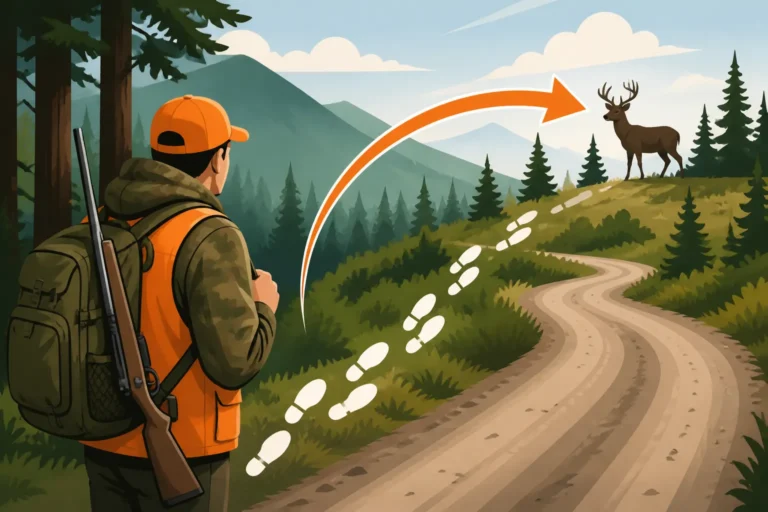
The biggest mistake hunters make on public land, especially in more accessible areas like Cheshire County, is sticking to the edges or well-worn trails. If you pull into a public parking lot and only walk 200 yards from your truck, you're likely hunting ground that every other person has already picked over. To truly find success, you need to go where others aren't willing to go. This means donning your boots and really getting into the thick of it.
Start by using mapping tools to identify potential access points that aren't obvious. Look for those small, unmaintained dirt roads or old logging trails that might not even be marked as official trails. Then, once you're on the ground, don't just follow the path of least resistance. Look for terrain features that naturally funnel deer, like saddles, draws, or the edges of dense swamps. Pay attention to changes in elevation and how they affect wind and thermals, especially in the Hunting the Monadnock Region Hills. This often means walking further, climbing higher, or pushing through thicker cover than most people are willing to endure. The reward is often finding deer sign that's fresh and less disturbed, indicating an animal that feels secure.
Adapting to Varied Habitat and Pressure
The habitat in Cheshire County can be incredibly diverse, from mature hardwoods on ridge tops to thick, brushy clear-cuts and swampy lowlands. Each type of habitat will hold deer differently, and understanding these patterns is key. For example, a clear-cut, while incredibly thick and hard to navigate, can be an absolute magnet for deer looking for browse and bedding cover. Similarly, the edges of agricultural fields, even small ones, can be major food sources, especially during the late season.
Furthermore, you must account for human pressure. Public land deer in Cheshire County often become extremely wary very quickly once the season opens. They'll adjust their patterns, becoming more nocturnal or seeking out the densest, nastiest cover during daylight hours. This means your strategy needs to adapt. Consider still-hunting through thick cover rather than sitting in a static stand, especially during the peak of firearms season. Or, if you prefer a static approach, focus on finding those overlooked pockets of thick timber or overlooked terrain features where deer feel safe. Utilizing tools like Reading Aerial Photos for North Country Deer can help you spot these sanctuaries from above, even if the "North Country" isn't your direct hunting grounds. Remember, a deer's need for security will always trump its desire for food, especially once hunters are in the woods.
Disclaimer
This article is for general informational purposes only and does not constitute professional advice. Laws, prices and regulations vary by location and change over time. Consult a qualified professional for guidance on your specific situation.