Hunting the Second College Grant Timber
The Second College Grant in northern New Hampshire calls to many of us with its promise of vast, wild timberland, but let's be honest, it can feel overwhelmingly huge and intimidating. It's a place where you can truly get lost, and knowing where to start, or even how to effectively hunt its unique terrain, can be a real headache. This guide is here to help you unravel the mysteries of hunting this incredible timber, offering practical advice to make your next trip more successful and less daunting.
Understanding the Second College Grant's Unique Landscape
The Second College Grant isn't just another patch of woods; it's a living, breathing testament to New Hampshire's wild character, and understanding its nature is the first step to hunting it effectively. It's a place steeped in history and purpose, which directly impacts the hunting experience.
A Brief History and Purpose of the Grant
Picture this: hundreds of years ago, Dartmouth College was granted a massive tract of land in northern New Hampshire, not as a recreational park, but as a working forest. This is the Second College Grant, and it still operates today with a strong focus on sustainable timber management. It's not a state park or a federal wilderness area in the traditional sense; it's a dynamic landscape where logging operations are ongoing, shaping the very habitat you'll be hunting. This means you'll encounter a mix of freshly cut areas, young regenerating growth, and mature stands, all contributing to a diverse ecosystem.
The sheer scale of the Grant, stretching over 27,000 acres, is incredible. It’s remote, rugged, and offers an immersion into true North Country wilderness that's hard to find elsewhere. But that remoteness is a double-edged sword; it provides incredible hunting opportunities for those willing to work for it, yet it demands a high level of self-sufficiency and preparation. You won't find convenience stores or even consistent cell service out here. It's just you, the timber, and the game.
Key Terrain Features and Habitat
The terrain within the Grant is classic northern New Hampshire: rolling hills, steep ridges in places, winding drainages, and plenty of lowland bogs and beaver flowages. The forest itself is a mosaic of mixed hardwoods like maple, birch, and beech, alongside softwoods such as spruce, fir, and hemlock. Because it's an actively managed timber forest, the habitat is incredibly diverse.
You'll find clearcuts that are several years old now, choked with dense, young growth that provides excellent browse and cover for deer and moose. These areas, while tough to walk through, can be magnets for game. Then there are pole stands, where trees are still young but growing taller, offering different types of cover. And, of course, mature timber stands, which might lack dense undergrowth but provide mast crops (if hardwoods) or thermal cover (if softwoods). The key here is diversity. Game animals have a smorgasbord of options, and understanding how they use these different stages of timber regeneration is crucial. Look for the edges where different timber types meet – these transition zones are often high-traffic areas. You might find deer bedding in a thick spruce stand and then moving to a regenerating clear-cut to feed. Moose, on the other hand, often favor the wetter areas, the bogs, and the thick, young growth found after a timber harvest. Hunting a Beaver Flowage Edge can be incredibly productive, especially during the rut.
Navigating and Accessing the Grant
Navigating the Second College Grant is probably the biggest challenge for many hunters. It’s not like hunting a small woodlot behind your house; this is vast country, and getting turned around is easier than you think.
Entry Points and Road Systems
Access to the Second College Grant is primarily via a network of logging roads, many of which are gated. The main entry points are generally off the main routes in the North Country. You'll often find a main artery road that provides access, but from there, it branches into numerous secondary logging roads, skid trails, and old two-tracks. It's essential to understand that some of these roads might be actively used by logging trucks during the week, so paying attention to signage and exercising extreme caution is non-negotiable.
Many of the more remote sections require foot access beyond a gate, which means you'll be putting in the miles. This is where your planning truly begins. Consider where you'll park, how far you're willing to walk, and what areas are accessible to you without risking trespass or disturbing active operations. Some of the internal roads might be open seasonally or for specific purposes, so always check the latest rules and regulations, often posted near the main gates or on the Dartmouth College website, before you head out. Don't assume anything.
The Importance of Topographic Maps and GPS
I cannot stress this enough: reliable navigation is paramount when hunting the Second College Grant. Cell service is spotty at best, and often non-existent, so relying solely on your phone's mapping app is a recipe for trouble. You absolutely need to carry a physical map (a good topographic map is your best friend) and a dedicated GPS unit or a smartphone with offline mapping capabilities.
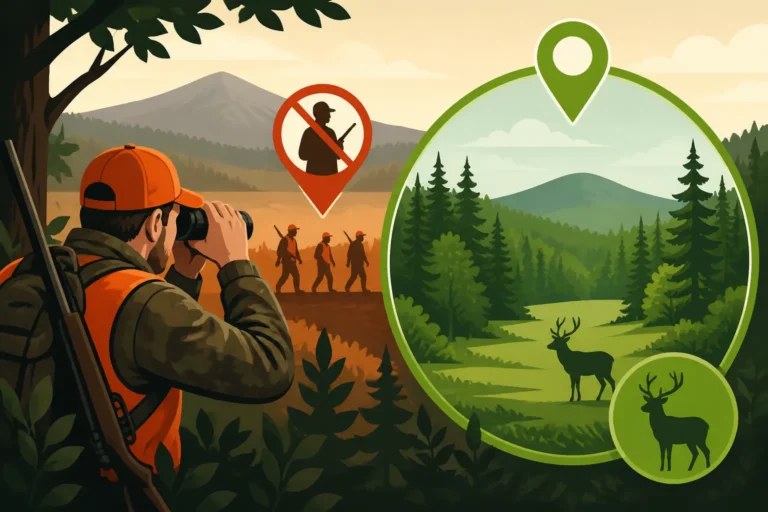
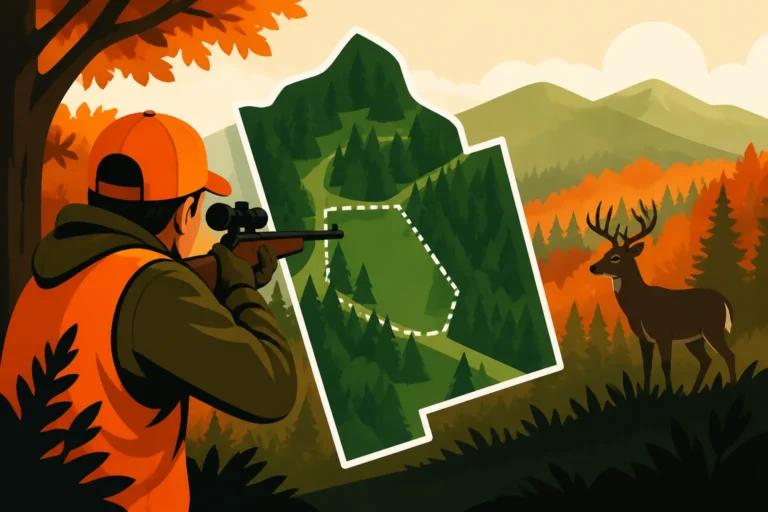
This is where tools like onX Hunt truly shine. You can download the maps for the entire area before you leave home, giving you detailed satellite imagery, topo lines, property boundaries (which are vital even on public access land to ensure you're in the right spot), and the intricate network of logging roads and trails. You can mark your truck, your planned route, potential stand locations, and even areas where you've seen fresh sign. Similarly, while GoHunt offers fantastic resources for researching Western hunts, for the ground-level detail and offline functionality needed in the Grant, onX Hunt is often the go-to for many hunters trying to navigate these dense timberlands. Being able to see your exact location on a detailed map, even without cell service, provides an invaluable layer of safety and confidence. Learning to Reading Aerial Photos for North Country Deer before you go can help you identify clearcuts and dense cover from afar, giving you a head start on scouting.
Strategies for Hunting Deer and Moose in the Timber
Hunting the Second College Grant isn't about sitting on a field edge and waiting. It’s about understanding vast timber, adapting to ever-changing conditions, and often, covering a lot of ground.
Deer Movement in Managed Timber
Deer in the Grant are incredibly attuned to the timber management cycles. Those young clearcuts, choked with raspberry canes and regenerating saplings, are deer cafeterias. But they also offer incredible security cover, making it tough to spot deer unless you're right on top of them. Mature hardwood stands, especially if they're producing acorns or beech nuts, will draw deer in the early season. As the season progresses and food sources dwindle, deer will shift their focus to evergreens for thermal cover and any remaining browse.
Your strategy needs to be dynamic. During the archery season, focus on those edges where thick cover meets more open timber, or along logging roads that serve as travel corridors. During firearms season, consider still-hunting through those regenerating clearcuts, moving slowly, glassing ahead, and picking apart the cover. Funnels created by changes in elevation or timber type are always worth investigating. Look for scrape lines along a logging road or rubs on young trees indicating buck activity. Knowing Where New Hampshire Bucks Bed in Thick Cover will help you target your efforts.
Moose in the Bogs and Hardwoods
The Second College Grant is prime moose country, particularly in the bogs and low-lying areas with abundant browse. Moose are browsers, meaning they prefer to munch on twigs and leaves, and the young regenerating timber from logging operations provides a feast for them. They'll also frequent cedar swamps and thick spruce stands for cover, especially as the weather turns colder.
If you're lucky enough to draw a moose tag, focus your efforts around beaver flowages, marshy areas, and clearcuts that are 5-15 years old. These offer the best combination of food and cover. Calling can be incredibly effective, especially during the peak of the rut in late September and early October. A cow call can bring a bull charging in, but be prepared for them to circle downwind. During late October, you might find success by Calling a Bull Moose in Late October near known boggy areas. Moose, being so large, create very distinct trails, and finding a well-used moose run near water is a golden ticket. Remember, moose density has seen a New Hampshire Moose Population Decline Since the 1990s due to various factors, making a tag truly special.
Scouting and Stand Placement Considerations
Scouting in the Grant is less about finding a perfect single tree and more about understanding the macro movements of game across the landscape. Because of its vastness, you'll want to focus your pre-season efforts on identifying promising areas from aerial maps first. Look for changes in timber type, pinch points, natural funnels, and access points that other hunters might overlook. Scouting New Hampshire Public Land Before Season is not just a suggestion, it's a necessity.
When it comes to stand placement, flexibility is key. Given the active logging, a prime spot one year might be a freshly cut wasteland the next. Often, ground blinds or portable treestands that can be moved easily are more practical than permanent setups. Focus on overlooked edges, subtle saddles in ridges, or benches where deer might travel. For moose, often it's about finding a good vantage point overlooking a bog or a recent clearcut edge where you can call and watch. Patience is a virtue here; you might not see deer or moose every hour, but if you're in a good area with fresh sign, your chances are good. Finding Sign in White Mountain Timber will guide your stand placement choices.
Essential Gear and Safety for Remote Hunts
Hunting the Second College Grant is a rugged endeavor, and your gear list needs to reflect that. Being unprepared here isn't just uncomfortable; it can be genuinely dangerous.
Packing for Self-Sufficiency
Because of the Grant's remote nature and lack of amenities, you must pack for self-sufficiency. This isn't a place to forget your headlamp or a first-aid kit. You should always carry enough food and water for longer than you expect to be out, especially if you're venturing deep into the timber. A good quality backpack capable of carrying extra layers, emergency supplies, and perhaps even some field-dressed game is essential.
Think about reliable navigation tools (as mentioned, onX Hunt offline maps are a lifesaver, but always back it up with a physical compass and map), a fire-starting kit, a sturdy knife, and cordage. If you're going deep, a satellite communicator is a smart investment, allowing you to send emergency messages even without cell service. Temperatures can drop quickly, even in early fall, and a Best Headlamp for a Pre-Dawn Granite Climb is crucial. For those long treks through challenging terrain, investing in Best Boots for North Country Bog Hunting will make a huge difference in your comfort and ability to cover ground.
Safety Considerations in Remote Timber
Hunting solo in the Grant can be an incredible experience, but it comes with significant risks. Always, always let someone know exactly where you're going and when you expect to be back. Share your mapping pins or a screenshot of your intended hunting area. Consider carrying a Best Satellite Communicator for North Country Land like a Garmin inReach or a Zoleo for emergency communication.
Beyond navigation, firearm safety is paramount. Be aware of your surroundings, especially during firearms season when other hunters might be in the area. Wear sufficient blaze orange (or pink, where legal) as required by New Hampshire law, even if you think you're alone. Encounters with wildlife, particularly black bears, are common. While generally shy, bears can be unpredictable, so carry bear spray if it makes you feel more secure. Understand how to react calmly and safely. And remember, active logging operations mean there could be heavy machinery or falling trees, so avoid marked active zones.
Here's a quick look at some key differences when preparing for a hunt in the Second College Grant:
| Feature/Consideration | Typical Accessible Public Land | Second College Grant Timber |
|---|---|---|
| Accessibility | Paved roads, marked trails, designated parking. | Gated logging roads, foot access, limited parking, active logging. |
| Cell Service | Often reliable in many areas. | Extremely limited to non-existent. |
| Navigation | Smartphone apps often suffice, familiar landmarks. | Essential: GPS with offline maps (e.g., onX Hunt), physical topo map, compass. Easy to get lost. |
| Terrain | Varies, but often well-worn paths, gentler slopes. | Rugged, rolling hills, dense regenerating clearcuts, bogs, unmaintained trails. |
| Hunting Pressure | Often higher, especially near access points. | Generally lower due to remoteness and difficulty of access. |
| Game Density | Varies, but deer might be pressured. | Good potential for deer and moose; less human disturbance. |
| Emergency Preparedness | Easier to get help, quicker response times. | Self-reliance critical: first-aid, shelter, communication device (satellite communicator). |
| Habitat Diversity | Can be uniform in some areas. | High diversity due to active timber management (clearcuts, young growth, mature timber). |
Always do your homework, scout remotely with maps, and prepare for a challenging but incredibly rewarding hunting experience in the wild timber of the Second College Grant. Good luck out there!
Disclaimer
This article is for general informational purposes only and does not constitute professional advice. Laws, prices and regulations vary by location and change over time. Consult a qualified professional for guidance on your specific situation.