Hunting a Granite State Fire Tower Trail
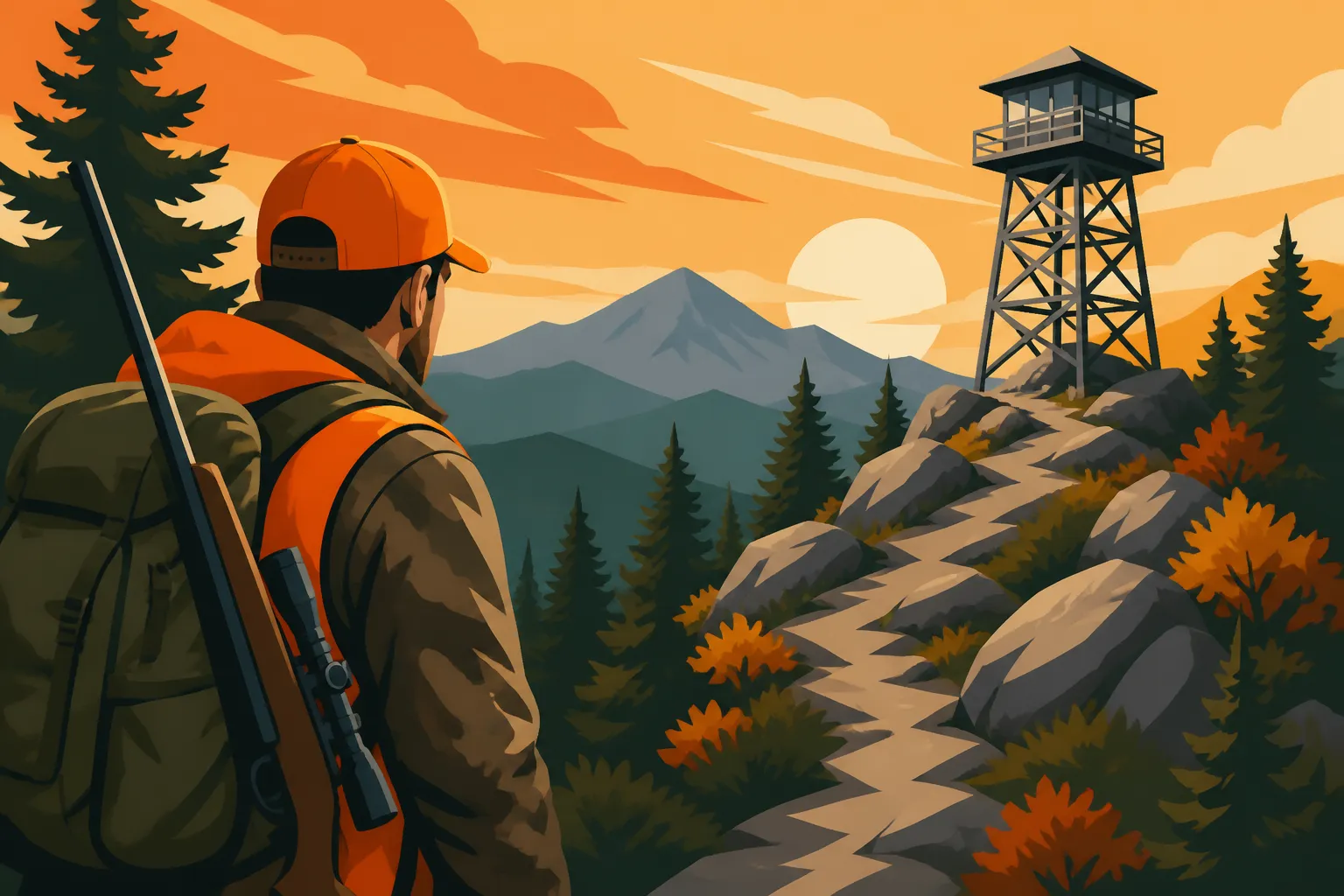
The idea of hunting near a New Hampshire fire tower trail can be both exciting and a little intimidating. On one hand, these trails often lead to high points with incredible views, hinting at overlooked pockets of game. On the other, they're popular with hikers, making a successful hunt seem like an impossible balancing act. This guide will walk you through how to navigate these unique hunting grounds, helping you understand the terrain, manage public interaction, and ultimately, increase your chances of finding game in these often-rugged landscapes.
The Allure and Challenge of Fire Tower Trails
Fire tower trails in New Hampshire, often snaking their way up granite peaks and through dense timber, represent a unique opportunity for the persistent hunter. However, their very nature also presents a distinct set of challenges that need to be understood and respected. It's not just about finding a deer; it's about doing so responsibly and effectively in a shared space.
Why Fire Tower Trails Attract Hunters
There's a certain draw to these trails that goes beyond just the physical path. For starters, they offer access, often into areas that might otherwise be incredibly difficult to penetrate. Think about those steep, rocky ascents where a trail provides a relatively graded path through otherwise impassable terrain. This access can lead to remote basins, high benches, and timbered saddles that hold deer, bear, and turkey who are trying to escape pressure closer to roads.
The elevation factor is also huge. Gaining altitude means you can scout more effectively. From a fire tower summit (once you've made the climb and are off-season or just observing, of course), you can often see vast tracts of land, identifying potential bedding areas, feeding zones, and natural funnels far below. This bird's-eye view can inform your hunting strategy for subsequent trips, even if you never hunt right on the trail itself. It's about understanding the lay of the land, something that's paramount when trying to pattern elusive game. The long lines of sight can be a gift, letting you pick out distant stands of mast trees or thick, dark cover that might otherwise go unnoticed.
Furthermore, these trails often traverse a variety of habitats. You might start in a mixed hardwood stand at the base, climb through dense softwood thickets, and emerge onto open, rocky ledges higher up. Each of these zones can hold different game at different times of the season. Deer might be feeding on acorns in the hardwoods early season, then move into the dense softwoods for cover as pressure increases. Bear might frequent berry patches along the trail's edges or seek out mast crops on higher slopes. The sheer diversity of habitat ensures that there's always something to be found, provided you know how to look and when to adapt.
Navigating the Unique Challenges
Despite the advantages, hunting fire tower trails isn't without its hurdles. The most obvious, and perhaps the most significant, is the presence of other users. These trails are magnets for hikers, especially during leaf-peeping season or on pleasant weekend days. While you have every legal right to hunt public land, you also have an ethical responsibility to ensure safety and minimize conflict. This often means planning your hunts for weekdays, early mornings, or late evenings when foot traffic is at its lowest. Knowing that a quiet morning can quickly become a bustling thoroughfare means your tactics have to be flexible and considerate. You simply cannot expect to rattle in a buck with a dozen hikers passing by every hour.
The terrain itself, while providing access, can be incredibly steep and demanding. Dragging a deer out of a ravine off a fire tower trail, especially on one of New Hampshire's granite mountains, is a challenge you need to plan for. Dragging a Deer Out of a Granite Ravine is a whole different ballgame than pulling one out of a flat woodlot. You'll need appropriate footwear, like the Best Boots for White Mountain Granite Trails, and a sturdy pack, perhaps even a game cart if the terrain allows for any sections of easier travel. The relentless climb can also wear you out, making it harder to stay focused and move quietly when you finally get to your desired hunting area.
Finally, while the trails offer access, the immediate vicinity of the trail itself might not always be the best place to set up a stand or actively still-hunt. Game animals, especially pressured ones, often learn to avoid these high-traffic corridors. You'll likely need to venture some distance off the beaten path to find undisturbed areas. This means using the trail primarily as an entry and exit route, then dedicating your hunting efforts to the less-traveled woods beyond. It's a delicate balance: using the convenience of the trail without letting it dictate your entire hunting strategy.
Scouting and Strategy for Fire Tower Trails
Success on a fire tower trail hunt begins long before you ever step foot on the path with your rifle or bow. It's a combination of diligent digital reconnaissance and careful on-the-ground scouting, all informed by a smart, adaptable strategy.
Pre-Season Digital Reconnaissance
Before you even tie your boots, your best friend will be a good mapping application like onX Hunt or GoHunt. These tools are invaluable for dissecting the landscape around a fire tower trail. Start by looking at topo maps. Identify changes in elevation, saddles, ridges, and draws. These features often act as natural funnels for deer movement, especially when they're traveling between bedding areas and food sources. A slight dip in a ridge might be a consistent crossing point for a buck moving from a thick north-facing slope to a south-facing, sun-drenched feeding area. Pay close attention to the contours – even subtle benches on a steep hillside can be prime bedding locations.
Next, switch to satellite imagery. Look for variations in canopy cover. Dense conifer stands often provide thermal cover in winter and security cover year-round. More open hardwoods might indicate prime feeding areas, especially if you can spot oak or beech trees. Reading Aerial Photos for North Country Deer can reveal hidden clearings, old logging roads, or even subtle changes in vegetation that attract game. Water sources are also critical; identify any small springs, seeps, or beaver flowages that animals might be utilizing. Deer need water daily, and these spots can be great ambush points, particularly in drier periods. Use the layering features on your mapping app to check land ownership and ensure you're aware of the public land boundaries. This is especially crucial when you plan to venture off the main trail.
Another key piece of information is understanding the prevailing wind directions and how they interact with the terrain. A ridge line can create unpredictable thermals, especially in the early morning and late evening. What seems like a consistent westerly wind at ground level might be swirling wildly higher up the mountain or in a secluded draw. Tools like onX Hunt can often provide wind direction overlays, helping you anticipate these shifts. Combine this with your knowledge of how game animals typically approach feeding or bedding areas based on wind, and you can start to form a plan.
On-the-Ground Scouting: Reading the Sign
Once you've done your digital homework, it's time to hit the ground. When Scouting New Hampshire Public Land Before Season, focus your efforts off the main fire tower trail. While the trail offers a convenient route up the mountain, the actual hunting will likely happen in the adjacent woods. Look for classic deer sign: tracks, droppings, rub lines, and scrapes. Rub lines, particularly fresh ones, indicate a buck has been in the area. Follow them to see if they lead to bedding areas or connect feeding zones. Scrapes are often found along travel corridors or near preferred cover, signaling activity.
Beyond deer, keep an eye out for other game. Bear often leave claw marks on trees, especially beech, as they climb for nuts. Turkey droppings and scratch marks in leaf litter can tell you if a flock is frequenting an area. Pay attention to the understory vegetation. Are there browse lines on saplings? What kind of mast crops are present? Acorns, beechnuts, and wild apples are all high-value food sources that will attract deer and bear. Look for these less obvious indicators, not just the obvious big oak in the middle of a field.
Focus your scouting on transition zones. These are the edges where two different habitat types meet – for example, where a dense conifer stand meets an open hardwood ridge, or where a steep slope transitions to a more level bench. These edges often serve as travel corridors or staging areas for deer before they move into more open feeding grounds. Also, consider water sources. Even small, hidden seeps can be magnets for game, especially during dry spells. If you find good sign around one of these, it's worth noting for a potential setup during the season.
Planning Your Hunt Approach
With your digital and ground scouting complete, it's time to refine your hunt plan. This is where you connect the dots. You've identified potential bedding areas on a north-facing slope, a feeding area down in a hardwood basin, and a saddle on the fire tower trail ridge that connects them. Now, how do you get there without spooking every animal in the woods?
Your entry and exit points are critical. Ideally, you want to approach your chosen hunting area from a direction that puts the wind in your favor, blowing your scent away from where you expect game to be. This might mean starting your hike on the fire tower trail, then veering off well before your target area, circling around to get the wind right. Plan your route carefully, considering both wind direction and topography. Using the early morning darkness can also help mask your approach. Wind and Thermals in Steep Granite Terrain will play a significant role here, so always be mindful of how the air currents are moving.
Consider the time of day and week. If you're hunting during peak hiking season, try to schedule your hunts for weekdays or very early mornings. If you plan to set up near the trail, ensure you understand and adhere to all setback rules regarding public paths and residences. Your goal is to be invisible, or as close to it as possible, to both game and other people. This might mean getting to your spot an hour or two before legal light, settling in, and waiting for the woods to wake up. Conversely, if you're hunting an evening sit, make sure you have a good Best Headlamp for a Pre-Dawn Granite Climb or similar light for a safe and quiet exit after dark.
Hunting Tactics and Considerations
Now that you've done your homework and planned your approach, it's time to implement your hunting tactics. Fire tower trails demand a nuanced approach, often requiring you to adapt traditional hunting methods to suit the unique environment.
Still-Hunting the Edges and Beyond
Still-hunting is perhaps one of the most effective strategies when hunting near fire tower trails. Instead of sitting stationary for long periods right on the trail, you'll use the trail as an access point, then quietly slip into the surrounding timber. The key is to move slowly, often taking only a few steps every minute, pausing frequently to observe, listen, and glass your surroundings. This methodical approach allows you to cover ground, investigate areas you scouted, and be ready for a shot at any moment.
Focus on moving through the transition zones you identified during scouting. These include the edges where different timber types meet, subtle changes in elevation, or areas with dense cover. Game often uses these edges for travel, feeling secure in the cover while still having access to potential food sources. When you venture off the trail, ensure you have a good sense of direction and are constantly checking your mapping app. It's easy to get disoriented in thick New Hampshire timber, especially on steep slopes. You don't want to rely on the sound of hikers on the fire tower trail to guide you back.
When still-hunting, keep your eyes peeled not just for whole animals, but for parts of them: a flick of an ear, a patch of hide, or a horizontal line that shouldn't be there in a vertical forest. Use your binoculars regularly to scan ahead and verify what you're seeing. Quality optics, even small, lightweight ones, can make a huge difference in spotting game before it spots you, particularly in the varied terrain these trails traverse. GoHunt users often emphasize the importance of good optics for covering ground effectively and identifying game at a distance.
Setting Up for Success
If you prefer a more stationary approach, choosing the right spot for a ground blind or portable stand is critical. Remember, the fire tower trail itself is generally not the place to set up. You need to be off the trail, usually a good distance, to find undisturbed game. Look for areas with dense cover that provide good concealment and offer a clear shooting lane into a known travel corridor or feeding area. This might be a saddle between two peaks, a bench on a steep hillside, or a hidden basin where deer are known to bed.
When Using a Ground Blind on Public Land, consider how it blends into the natural surroundings. You want it to be part of the landscape, not an obvious foreign object. Brush it in with natural vegetation if permitted, and make sure it's positioned to take advantage of the prevailing wind for that particular spot. For treestands, check specific public land regulations regarding their use, including how long they can remain in place. Always use a safety harness, no matter how quick or easy the climb seems. Safety is paramount, especially when hunting alone in rugged terrain.
Consider the sightlines. Even if you're off the main trail, you need to be aware of where other users might be. Position your setup so that you have a clear shot at game, but your backdrop is a hillside or dense timber, not an open view of the trail or another access point. This minimizes any potential risk to others and ensures a responsible hunting experience. Always have a clear understanding of your surroundings, your target, and what lies beyond it.
Respecting Other Trail Users
This point cannot be stressed enough: when hunting near fire tower trails, you will encounter other outdoor enthusiasts. Our public lands are for everyone. Your legal right to hunt comes with an ethical obligation to be a good steward and respectful co-user. This means being visible when necessary and having a plan for encountering non-hunters.
Always wear your blaze orange, even if the regulations for your specific season don't strictly require it. During firearms season, New Hampshire Blaze Orange Requirements are clear, but wearing it year-round when walking in and out of your hunting spot, even during archery, is a smart safety measure and a clear signal to hikers that you are a hunter. When you see hikers approaching, make eye contact, offer a friendly greeting, and if carrying a firearm, sling it over your shoulder with the muzzle pointed safely away from the trail. If using archery equipment, keep your arrow in your quiver. A simple "Good morning!" or "Beautiful day out here!" goes a long way.
Avoid any actions that might cause alarm. Don't call aggressively or make loud noises when people are nearby. If you harvest an animal, try to do so discreetly and get it off the trail as quickly as possible. If you need to bring it back to the trail for transport, be prepared for questions or curious onlookers. Use a game cart or sled to minimize visible blood if possible, and be ready to explain what you're doing calmly and politely. We are ambassadors for hunting, and these interactions can either reinforce negative stereotypes or build understanding and respect.
Ethical Hunting and Safety Near Trails
Hunting fire tower trails demands a heightened sense of ethics and safety awareness. You're not just hunting in the wilderness; you're often sharing that wilderness with a diverse group of outdoor enthusiasts.
Understanding Regulations and Public Etiquette
Before you even plan your trip, thoroughly review the current New Hampshire Hunting Licenses and What They Cost and the most recent New Hampshire Fish and Game digest. Pay close attention to any specific regulations for the area you plan to hunt, especially if it's within Hunting New Hampshire's White Mountain National Forest or a Wildlife Management Area. These areas might have unique rules regarding weapon types, discharge setbacks, or even restricted access during certain times of the year. For example, some trails might have specific closures or rules about where firearms can be discharged near high-use areas or structures.
| Aspect of Hunting Fire Tower Trails | Pros for Hunters | Cons/Challenges for Hunters |
|---|---|---|
| Access & Terrain | Provides entry to remote, high-elevation areas; varied habitat zones (hardwoods, softwoods, ledges). | Often steep, rugged climbs; difficult game retrieval (Dragging a Deer Out of a Granite Ravine); limited flat spots. |
| Scouting Opportunities | High vantage points for broad views; digital maps (onX Hunt) reveal hidden features. | Game sign near trail often stale due to pressure; distant features hard to verify without close inspection. |
| Game Pressure | Potentially less pressured game further off-trail; game accustomed to human presence (but cautious). | High human traffic (hikers) can push game deeper; requires hunting well off-trail to avoid disturbance. |
| Safety & Ethics | Enhanced visibility and caution due to other users; opportunity to showcase responsible hunting. | Need to manage interactions with non-hunters; strict adherence to discharge setbacks and blaze orange is crucial. |
| Logistics | Defined trail for navigation (initially); can offer quicker entry than bushwhacking. | Long, strenuous walks to reach remote spots; limited cell service in many areas; heavy pack for gear. |
The concept of "Leave No Trace" is not just for backpackers; it applies equally to hunters. Pack out everything you pack in, including spent shell casings, food wrappers, and any flagging tape you might use for marking a blood trail. If you build a ground blind, use natural materials that blend in and dismantle it when you're done. New Hampshire Hunter Education Requirements emphasize these principles for a reason. Maintaining a positive image for hunters benefits us all.
Be aware of firearm discharge setbacks. New Hampshire has specific rules about how close you can discharge a firearm to a dwelling or public road. While a fire tower trail isn't usually a dwelling, some might pass close to private property or other structures. Always verify these distances and ensure your shot is safe and directed away from any potential structures or people, even if they're not visible. Err on the side of caution.
Being Prepared for the Backcountry
Hunting near fire tower trails, especially when you venture off them, is essentially backcountry hunting. You need to be self-sufficient and prepared for unexpected situations. Cell service can be spotty or non-existent in many of New Hampshire's higher elevations and remote areas. This means you can't rely on your phone for navigation or emergency communication. Invest in a reliable GPS device or use a mapping app like onX Hunt that allows for offline map downloads. Always carry a physical map and compass, and know how to use them.
Your emergency kit should be robust. Beyond the usual first aid supplies, consider items like a fire starter, extra layers of clothing, a headlamp with spare batteries (Best Headlamp for a Pre-Dawn Granite Climb), and plenty of water or a water filter. Injuries, getting lost, or unexpected weather changes are all more serious when you're miles from the nearest road, especially on steep, rocky terrain. Tell someone your exact hunting plan, including where you'll be, your planned route, and when you expect to return. This "trip plan" can be a lifesaver if you don't check in on time.
Finally, understand your own physical limits. These hunts can be incredibly demanding. If you're not used to climbing steep terrain with a pack, start with shorter trips and gradually increase your endurance. Trying to push yourself too hard can lead to mistakes, injuries, or simply an unenjoyable and unsuccessful hunt. Hunting a Granite State fire tower trail is a rewarding experience, but it's one that demands preparation, respect, and a commitment to safety and ethical conduct.
Disclaimer
This article is for general informational purposes only and does not constitute professional advice. Laws, prices and regulations vary by location and change over time. Consult a qualified professional for guidance on your specific situation.