WMU I2 Reaches Into the Suburban Fringe
Hunting in New Hampshire's WMU I2 can feel like a contradiction—you're looking for wild game right on the edge of bustling towns. Many hunters get discouraged by the thought of homes and roads, assuming there's no real opportunity. But this region, reaching right into the state's suburban fringe, holds unique challenges and surprisingly rewarding possibilities for those willing to adapt their approach. This guide is all about helping you understand, navigate, and ultimately succeed in hunting these often-overlooked areas.
Understanding WMU I2's Unique Landscape for Hunters
WMU I2 isn't your sprawling North Country wilderness. It's a patchwork, a transition zone where the deep woods give way to rural homes, then subdivisions, and eventually commercial centers. This dynamic landscape means you can't approach hunting here with the same mindset you'd use for more remote regions; it requires a different kind of strategy and a sharper awareness of your surroundings.
Defining the "Suburban Fringe" in New Hampshire
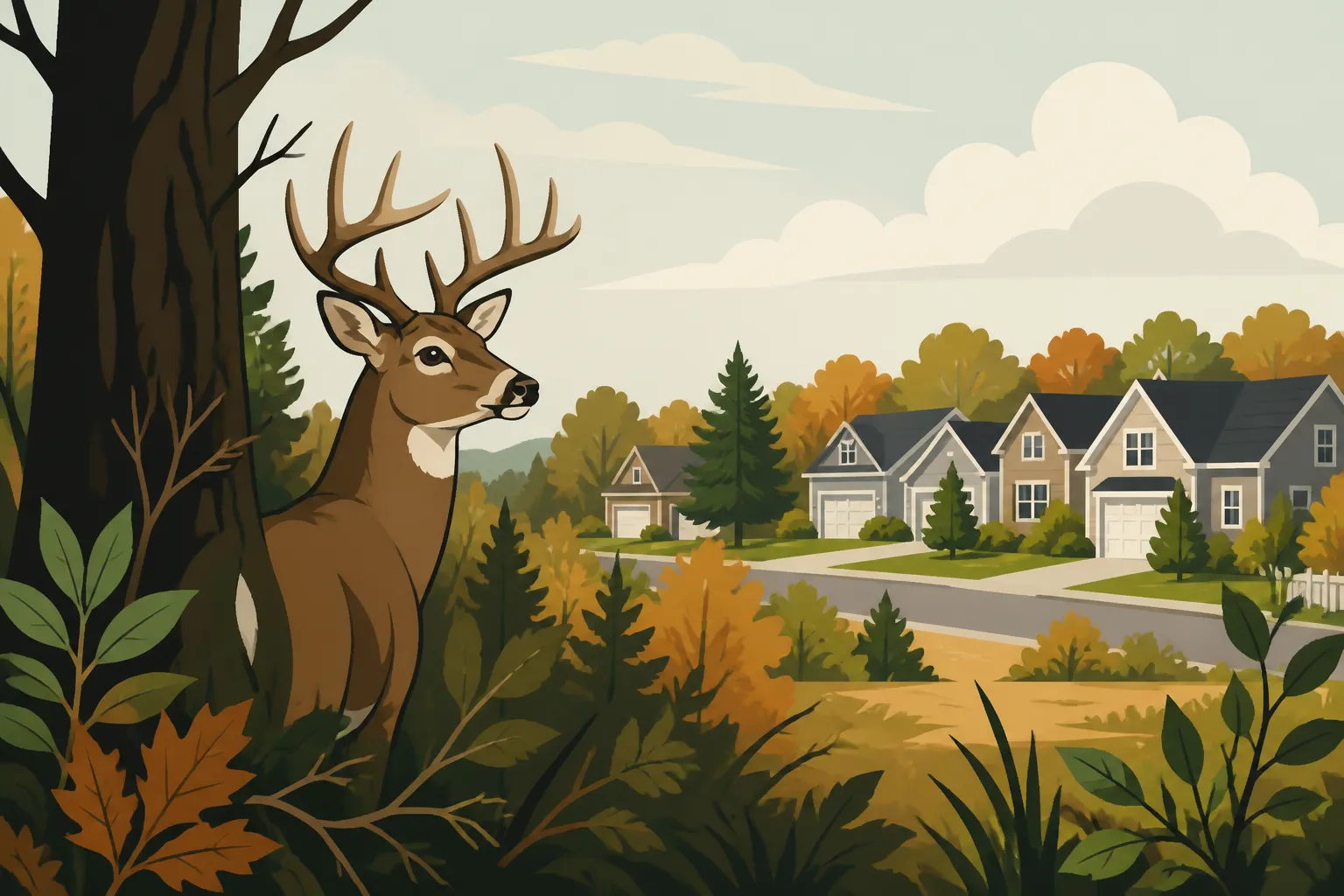
When we talk about the "suburban fringe" in New Hampshire, particularly within WMU I2, we're looking at areas that are neither fully wild nor completely urbanized. You'll find mixed forests, small woodlots, agricultural fields, and wetlands, but they're often interrupted by roads, houses, businesses, and managed properties. This means habitat is fragmented, but often rich. Deer, turkeys, and even some small game adapt incredibly well to these conditions, often thriving on diverse food sources like residential landscaping, small farm plots, and overlooked pockets of natural forage.
The impact on wildlife is profound. Deer, for instance, learn to navigate human presence, becoming more nocturnal in some areas and using dense cover close to homes for bedding. Turkeys might roost in backyard trees or feed in open fields bordering residential zones. Small game like squirrels and rabbits can find abundant food and cover in overgrown fence rows, brush piles, and small, forgotten woodlots. While the sheer acreage of continuous habitat is less, the quality of these fragmented patches can be surprisingly high, leading to healthy and often larger animals that are less pressured than their deep-woods counterparts.
This contrast with more remote areas, like the White Mountain National Forest, is stark. In the high country, you're often battling elevation, vast unbroken timber, and sparse food sources. Here in WMU I2, you're dealing with different pressures: shorter sight lines, more sound, and the constant awareness of property lines and safety zones. But the upside can be significant. Deer don't have to travel miles for food, and often, the hunting pressure in these "tight" spots is considerably less because many hunters simply write them off. It's a game of precision and patience, not necessarily miles covered.
Navigating Increased Human Presence and Safety Concerns
Hunting in WMU I2 inherently means you're operating closer to people and their property. This isn't just about good manners; it's about legal requirements and ensuring everyone's safety, including your own. The density of homes means understanding legal discharge distances for firearms and archery equipment is paramount. You need to know the specific setback rules from occupied dwellings and other structures, and always, always have a clear understanding of what lies beyond your target.
Safety zones, which are areas around occupied buildings where discharge of a firearm or bow is prohibited, are critical in these environments. These distances can vary, and it's your responsibility to be intimately familiar with them. Using tools like onX Hunt can be invaluable here, as they often layer property lines and sometimes even building footprints, helping you visualize these zones before you even step foot in the woods. Always err on the side of caution; if there's any doubt about a shot's safety or trajectory, don't take it.
Being a good ambassador for hunting in these suburban fringes isn't just a suggestion; it's vital for the future of our sport. Non-hunters and even some landowners in these areas may have preconceived notions about hunters. Your behavior directly influences how they perceive all of us. This means parking respectfully, retrieving game discreetly, being visible with appropriate blaze orange during firearms seasons, and always being polite and approachable if you encounter someone. A simple "hello" and a respectful demeanor can go a long way in fostering understanding and maintaining access, especially when you're seeking Getting Private Land Permission in New Hampshire.
Public Land Opportunities and Hidden Gems within WMU I2
While WMU I2 might not boast vast tracts of unbroken public land like some other regions, it does hold a collection of smaller, often overlooked parcels that can offer fantastic hunting opportunities. The key is knowing where to look and being willing to put in the effort to scout these less obvious spots.
Identifying State Parks, Forests, and WMAs
Within WMU I2, you'll find a smattering of public lands: some state parks, state forests, and smaller Wildlife Management Areas (WMAs). The trick is that these aren't always prominently advertised as hunting destinations, and some state parks may have specific regulations or even limited hunting seasons or quotas. It's crucial to check the New Hampshire Fish and Game Department's website and the current hunting digest for specific rules pertaining to each parcel. Don't assume anything. Some areas might only allow archery, or might have specific access points and parking rules.
What these smaller parcels lack in size, they often make up for in strategic location. They can act as critical travel corridors or isolated bedding areas for game that largely lives on surrounding private land. Think about a small WMA that follows a creek bottom, or a town forest that connects two larger woodlots. Deer will use these pockets of cover to move between feeding areas, especially under the cover of darkness. Mapping applications like onX Hunt and GoHunt are indispensable here. They allow you to layer public and private land boundaries, identify overlooked access points, and pinpoint areas of dense cover or water sources that might concentrate game. Don't forget town forests and conservation lands, which can also offer surprising access if you do your homework on local ordinances.
For example, a small, overgrown parcel of state forest land, perhaps only 50 acres, might seem insignificant. But if it's surrounded by residential properties with lush landscaping and small backyard gardens, it can become an irresistible bedding area during the day and a safe haven when hunting pressure builds. Deer might slip into these tiny sanctuaries and never leave until well after dark. Identifying these "island" habitats on your maps and then scouting them carefully can reveal fantastic, low-pressure opportunities.
The Art of Scouting Smaller, Pressured Public Parcels
Scouting these smaller public parcels in WMU I2 requires a different mindset than glassing a vast clear-cut or traversing endless timber. Here, you're looking for subtle clues, hidden access, and areas that other hunters might simply walk past. The goal is to find those overlooked pockets where game feels secure despite human proximity.
Start by looking for sign away from obvious trailheads or parking areas. Most hunters will enter public land from the easiest, most accessible points. If you can find a slightly harder-to-reach corner, or identify a natural barrier that funnels human traffic away from a section, that's where you might find less pressured game. Focus on dense, almost impenetrable cover—thick softwoods, tangled briar patches, or areas of regenerating clear-cut. Deer will use these spots for bedding, feeling secure knowing hunters are less likely to push through them. You're trying to find the "path of least resistance" for the deer, not necessarily for yourself.
Utilizing your mapping tools like onX Hunt for property lines and access cannot be overstated. With these apps, you can easily identify narrow strips of public land, small fingers of forest that extend into residential areas, or isolated swampy areas that are difficult to access. These are often the places that hold deer. Look for natural funnels created by terrain, water bodies, or even man-made features like old stone walls or unkempt fencerows. These features dictate how deer move through fragmented landscapes. A detailed map can also help you identify bedding areas versus feeding areas and the most discreet entry and exit routes that minimize disturbance. Remember, in these tighter spots, every little detail matters. Scouting New Hampshire Public Land Before Season is even more critical here.
The Critical Role of Private Land Access in WMU I2
In a region like WMU I2, where public land can be scarce or heavily pressured, gaining permission to hunt private land is often the golden ticket. It unlocks new opportunities and can lead to incredibly rewarding experiences, but it requires a respectful approach and a commitment to building trust with landowners.
Gaining Permission: Strategies for Knocking on Doors
Asking for permission can feel intimidating, but it's a skill that pays dividends. The first step is always respect. Dress presentably—not in full camo, but neatly, perhaps in casual outdoor wear. Have a clear, concise request. "Hello, my name is [Your Name], and I was hoping to speak with you about the possibility of hunting deer on your property this season." Be polite, even if the answer is no. Remember, you're a guest.
Come prepared with a small folder that includes your hunting license details, a copy of your insurance (if you have a general liability policy, some hunters do), and a simple written permission slip you can offer for them to sign. Many landowners appreciate this level of professionalism. Be specific about what you want to hunt (e.g., "I'm primarily interested in bowhunting for deer, as it's very quiet"), and outline your approach (e.g., "I'd only be hunting from a treestand, far from any homes, and I'd be very careful about quiet entry and exit"). Offer to provide references if you have them. Focus on smaller landowners who might not be approached often, or those who have had deer problems in their gardens. Sometimes, offering to help with a chore or two, like clearing brush or stacking firewood, can be a great icebreaker and demonstrate your respect for their property.
Understanding Landowner Concerns and Building Trust
Landowners, especially in suburban areas, often have legitimate concerns about allowing hunting on their property. Safety is usually at the top of the list – they worry about stray bullets, property damage, or even personal injury. Address these directly and proactively. Explain your commitment to safe hunting practices, your knowledge of setback laws, and how you plan to hunt safely away from homes or structures. Show them a map (perhaps on onX Hunt) of how you envision hunting their property, highlighting safe shooting lanes.
Another common concern is liability. While New Hampshire has laws that limit landowner liability for recreational users, many landowners are still unaware or nervous. Having your own insurance, or simply being able to speak confidently about the state's protections, can ease their mind. Property damage, such as trampled gardens, broken fences, or litter, is also a concern. Assure them you will be meticulous about leaving no trace and respecting their property. Offer to share venison if you're successful, or even help manage their deer population if they've experienced damage to landscaping.
Building trust is an ongoing process, not a one-time conversation. If you get permission, follow through on every promise you make. Keep lines of communication open. Send a thank-you note. If you harvest an animal, inform them promptly and perhaps share a picture. If you see something amiss on their property while hunting (e.g., trespassers, downed trees), let them know. By consistently demonstrating respect, responsibility, and gratitude, you not only ensure your own continued access but also open doors for other hunters in the future. Remember to understand New Hampshire Posted Land Rules and how they apply to any property you wish to access.
Species-Specific Strategies for the Suburban Fringe Hunter
Hunting successfully in WMU I2's suburban fringe requires tailoring your approach to the specific game species and the unique environment. What works for deer might not work for turkeys, and both require careful consideration of human activity.
Deer Hunting: Adaptations for Smaller Parcels and Archery Zones
Deer hunting in WMU I2 is often an exercise in stealth and precision, particularly during archery season. Many areas in the suburban fringe are either designated as archery-only or are more conducive to bowhunting due to proximity to homes and roads. This means understanding and adhering to regulations regarding Crossbow Hunting New Hampshire's Twelve WMUs if you choose to use one. Archery offers a quieter, lower-impact hunting method that often sits better with landowners and local residents.
When hunting smaller parcels, treestand placement becomes paramount. You need to identify tight travel corridors, pinch points, and secluded bedding areas within these limited spaces. Deer in these areas are highly sensitive to pressure, so quiet entry and exit routes are critical. Approach your stand well before legal light, taking great care to minimize noise. Think about prevailing winds and thermals; even a slight thermal drop in a small valley can carry your scent directly into a bedding area. Food sources are often diverse, including natural forage, agricultural scraps from small farms, and even ornamental plants from residential yards. Hunting a Funnel Between Two Woodlots is a classic strategy that works incredibly well in these fragmented landscapes. Identify where deer are moving between these varied food sources and their secure bedding cover. They often use overgrown fencerows, creek bottoms, and thickets as safe travel lanes.
For example, I remember scouting a tiny, five-acre woodlot tucked behind a golf course and a row of houses in Merrimack County. It looked too small to hold anything, but aerial maps on GoHunt showed it was surrounded by gardens and had a thick, wet bottomland that was almost impossible for humans to navigate. The deer used this small patch for bedding almost exclusively, slipping out at dusk to feed. By setting a stand quietly on the very edge, with a clear shooting lane into a subtle funnel, I was able to observe deer regularly, and eventually tag a respectable buck that had grown old by avoiding larger, more pressured areas.
Turkey and Small Game: Leveraging Habitat Patches
Wild turkeys have made an incredible comeback in New Hampshire, and WMU I2 is no exception. They thrive in the mix of agricultural fields, open woodlands, and fragmented forests found in these areas. You'll often find turkeys roosting in large mature trees along river corridors, woodlot edges, or even in scattered oaks close to residential properties. Their daily routine involves moving from roosts to feeding areas, which can include open fields, agricultural plots, and even residential lawns where they might peck for insects or seeds.
For spring gobblers, calling tactics need to be sensitive to the environment. Aggressive calling might work in deep woods, but in the fringe, a softer, more subtle approach can be more effective. You don't want to draw undue attention to your location, either from other hunters or from non-hunters. Focus on setting up quietly and using realistic calls to bring a gobbler into range. Decoy placement is also key; often, a single hen decoy placed in a visible but discreet spot can be enough to lure in a wary tom. For fall turkey hunting, which is allowed in specific WMUs within I2, locating flocks by driving backroads at dawn or dusk, then breaking them up and calling them back, can be highly effective. Just be sure to check Which WMUs Allow Fall Turkey Hunting as not all do.
Small game, like squirrels and rabbits, are also abundant in WMU I2. These species thrive in fragmented habitats with plenty of edge cover. Squirrels will use mature hardwoods found in small woodlots, along fencerows, and even in older residential areas with abundant oak and hickory trees. Rabbit populations can be found in brushy thickets, overgrown fields, and dense regenerating clear-cuts. Hunting these animals can be a great way to introduce new hunters to the sport or to simply enjoy a day afield when big game seasons are closed. Be especially mindful of local ordinances regarding firearms discharge, as many towns in I2 may have specific rules that favor air rifles or archery for small game. It's always best to check with the local police department or town clerk's office before heading out.
WMU I2 Hunting Considerations
Hunting in WMU I2 presents a unique blend of challenges and opportunities. Being prepared for these specifics can make all the difference in your success and enjoyment.
| Aspect | Challenges | Opportunities |
|---|---|---|
| Public Land | Smaller parcels, higher human activity, potential for more pressure. | Overlooked pockets of cover, critical travel corridors, less overall competition from hunters overlooking "small" spots. |
| Private Land | Requires permission, landowner concerns about safety/liability. | Access to prime habitat, less hunting pressure, potentially larger game. |
| Human Presence | Noise, safety zones, non-hunters, local ordinances. | Deer/turkeys accustomed to human activity, may be less wary of subtle noises. |
| Habitat | Fragmented, interrupted by development, limited continuous cover. | Diverse food sources (natural + cultivated), dense thickets for bedding, good edge habitat. |
| Species Behavior | More nocturnal, wary of overt human interaction. | Can be patterned around suburban food sources, consistent travel routes. |
| Hunting Method | Often favors archery due to proximity to homes; quiet firearms. | Stealth, patience, and adapting to close-quarters hunting pays off. |
| Season Dates | May have specific archery-only periods, or different rules by WMU. | Extended seasons for certain game, particularly archery deer. |
Hunting these suburban fringe zones isn't about brute force or covering vast distances; it's about observation, nuance, and building relationships. The rewards, when they come, are often deeply satisfying because you've learned to unlock the secrets of an environment many hunters pass by.
In conclusion, hunting in New Hampshire's WMU I2 and its suburban fringe is far from impossible. It's a unique opportunity for resourceful, respectful, and adaptable hunters. By thoroughly scouting, understanding local regulations, prioritizing safety, and building strong relationships with private landowners, you can discover hidden gems and experience rewarding hunts close to home. It might not be the remote wilderness hunt you envision, but the strategic challenge and the quality of game in these overlooked pockets can be incredibly satisfying.
Disclaimer
This article is for general informational purposes only and does not constitute professional advice. Laws, prices and regulations vary by location and change over time. Consult a qualified professional for guidance on your specific situation.