Packing Meat Out of a North Country Bog
So, you've done it. After hours, maybe days, of still-hunting through the remote North Country timber or sitting patiently overlooking a hidden bog, that bull moose finally presented itself. The shot was true, the animal is down. A wave of elation washes over you, quickly followed by a cold, hard dose of reality: the moose is in a bog. And now, the real work begins. Recovering a massive animal like a New Hampshire moose, especially when it's decided to expire in the deepest, wettest, most unforgiving terrain you can imagine, is one of the ultimate tests of a hunter's resolve, preparation, and sheer physical endurance. This guide isn't here to sugarcoat it; it's going to walk you through the nitty-gritty, muddy details of how to conquer that bog and get your hard-earned meat back to civilization.
Understanding the North Country Bog Challenge
Let's be real: New Hampshire's North Country is absolutely stunning, but it's also wild and untamed. When you're dreaming of that moose hunt, you're picturing crisp fall air, changing leaves, and perhaps a majestic bull stepping out of the hardwoods. What often gets overlooked in those daydreams is the harsh reality of the terrain itself, especially those infamous bogs. These aren't just puddles; they are deep, mucky, waterlogged nightmares that can swallow a boot whole and make every step a monumental effort.
The Unique Obstacles of Bog Terrain
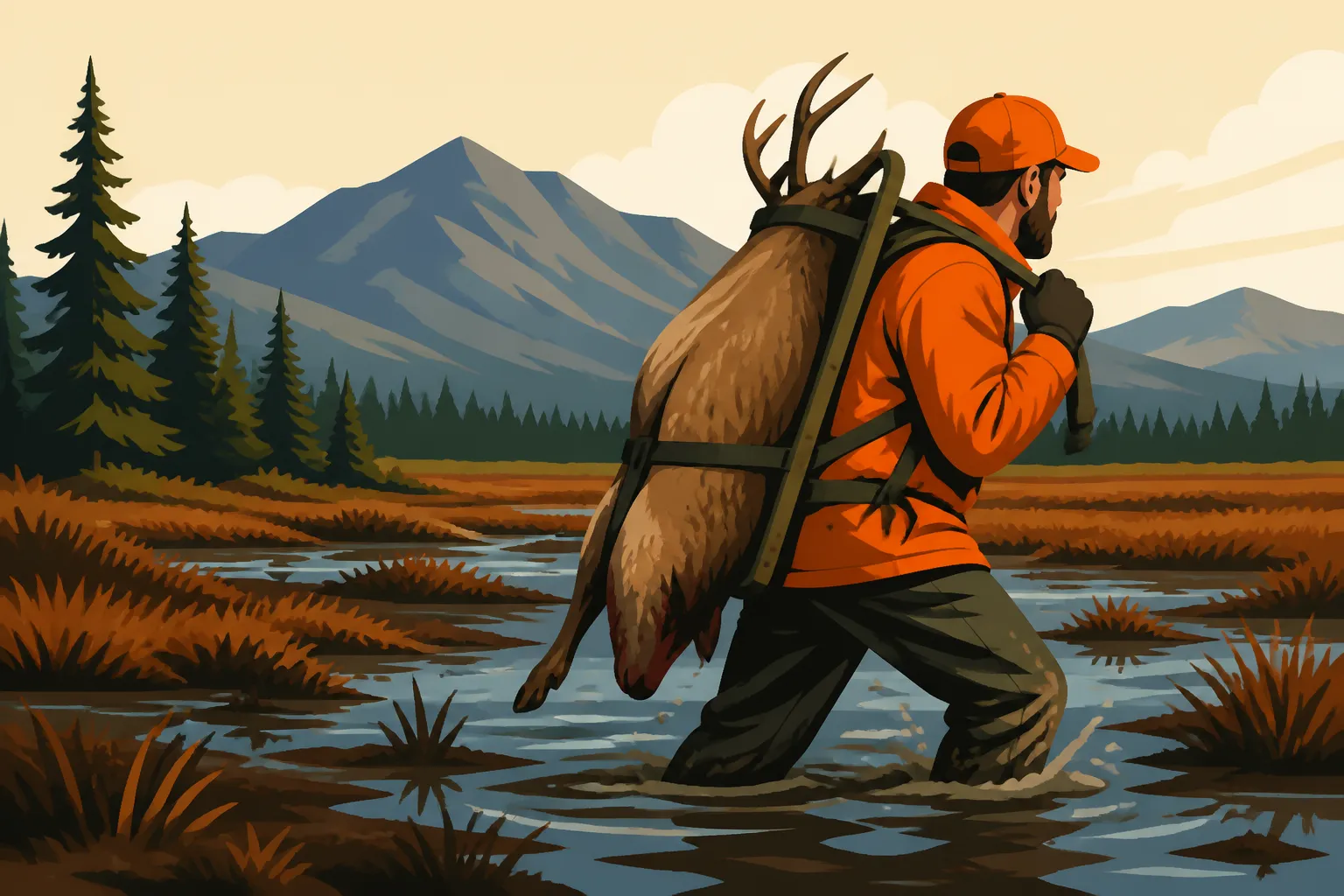
Imagine this: you're standing knee-deep in water and organic matter, with dense, interwoven roots and tussocks of grass barely holding your weight. Alder thickets, almost impenetrable, surround you, grabbing at your clothing and gear. This is the typical scene when you've got to retrieve an animal from a North Country bog. The ground itself is unstable, a treacherous mix of mud, sphagnum moss, and standing water, often deceptively deep. It's not uncommon to punch through what looks like solid ground and find yourself chest-deep in frigid muck. For a moose, which can easily weigh over a thousand pounds, moving even a few feet in this environment is incredibly difficult, let alone quartering and extracting it. The sheer weight of the animal combined with the sucking power of the mud means you're fighting gravity and friction with every single cut and pull.
The physical toll of working in a bog cannot be overstated. Every step is an exhausting battle, draining your energy faster than you thought possible. Your boots, no matter how good, will likely get wet, and your hands will be cold and covered in mud. The thick vegetation isn't just an annoyance; it's a physical barrier that makes dragging, even small quarters, a Herculean task. You’re not just recovering meat; you’re wrestling with the very landscape, and it often feels like the bog is actively working against you. This is why thorough preparation, both in terms of gear and mental fortitude, is paramount. You might have even used a service like GoHunt to scout the terrain digitally, but the reality on the ground is often far more daunting than any satellite image can convey.
Time Is Not Your Friend in the Bog
The clock starts ticking the moment your animal hits the ground. This isn't just about getting home; it's critically about preserving the quality of your meat. A moose is an immense animal, generating a significant amount of internal heat, and if it's lying in warm, still water, that heat can quickly lead to spoilage. Even in cooler New Hampshire autumn temperatures, trapped body heat is a major concern. Breaking down and cooling the meat becomes an immediate priority, but the bog itself often impedes this process.
Consider a scenario where the moose is down in a deep section of the bog, largely submerged. Field dressing can be incredibly difficult, and getting it completely opened up and elevated to promote air circulation might be impossible until you can get it to slightly firmer ground. The longer the meat stays warm, especially if it’s insulated by water or dense vegetation, the higher the risk of bacterial growth. You're working against the setting sun, potentially dropping temperatures that make your hands numb, and the ever-present gnawing anxiety of meat spoilage. This pressure adds another layer of mental and physical strain to an already demanding situation.
Essential Gear for Bog Meat Extraction
You wouldn't go to war without the right armor, and you certainly shouldn't tackle a bog moose recovery without the best possible gear. This isn't the time to skimp or bring along your lighter, fair-weather equipment. Every item you bring needs to be robust, reliable, and designed to perform under the most adverse conditions.
Specialized Packs and Bags
When it comes to hauling out hundreds of pounds of moose meat, your everyday daypack simply won't cut it. You need a serious, heavy-duty pack system designed for extreme loads.
Frame Packs: An external frame pack is often the preferred choice for this kind of work. Unlike internal frame packs that distribute weight closer to your body, external frames allow for very large, awkward loads to be strapped directly to the frame. This means you can often secure a moose quarter, or a heavy portion of deboned meat, to the rigid frame, distributing the weight effectively across your hips and shoulders. Look for frames made of durable aluminum or carbon fiber, with wide, padded hip belts and shoulder straps that can handle immense pressure without digging in. The ability to customize how the load sits on the frame is critical when you're navigating unstable bog terrain, where balance is everything. Many hunters use a robust external frame pack purely for packing out meat, leaving their hunting daypack at the vehicle or camp. This is where researching options on a platform like GoHunt can really pay off, helping you identify durable and high-capacity pack systems.
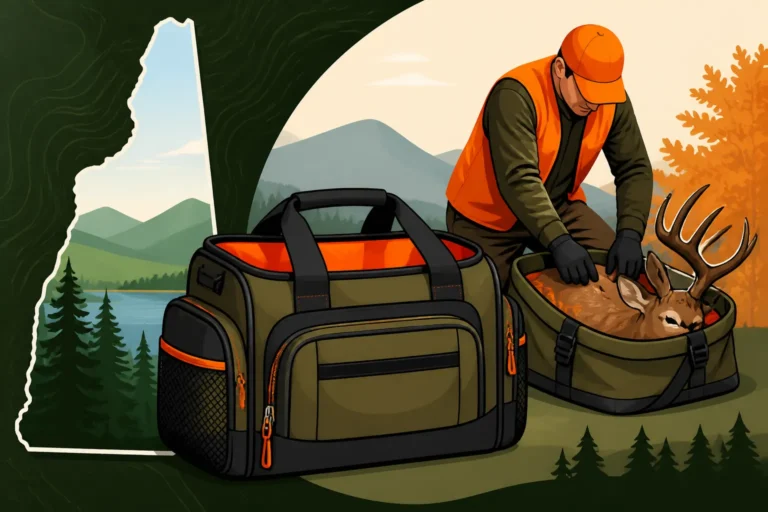
Meat Bags: Once you’ve quartered or deboned your animal, you absolutely need proper meat bags. Forget plastic garbage bags; they don't breathe, and they promote spoilage. High-quality, breathable game bags made from sturdy, washable material are essential. These bags allow air to circulate around the meat, which is crucial for cooling, while also protecting it from flies, dirt, and debris. For a moose, you'll need several large bags—think sturdy canvas or synthetic mesh bags designed specifically for large game. You'll want to bone out as much as possible to reduce weight, and having multiple bags allows you to separate quarters and keep them clean. Make sure they are durable enough to withstand being dragged over rough ground or being crammed into a pack frame without tearing.
Tools for Breaking Down and Moving
The right cutting tools and leverage aids are just as critical as your pack. A dull knife or a flimsy saw will turn an already tough job into an impossible one.
Knives and Bone Saws: You’ll need a sharp, sturdy hunting knife (or two) for skinning and deboning. A replaceable blade knife system can be invaluable here, as a fresh, razor-sharp edge makes the work significantly easier and safer. For splitting the pelvis or sternum, or even separating major joints, a compact, aggressive bone saw is indispensable. Hand saws specifically designed for game processing are lightweight and can make quick work of bone, saving you immense effort compared to trying to hack through with a knife. Consider a folding saw for ease of carry. Don't forget a sharpening steel or small field sharpener; even the best blades will dull after working on a large animal.
Game Carts and Sleds: While game carts are fantastic for flat, relatively clear terrain, their utility in a true bog is limited, often to non-existent. Wheels simply don't function well in deep mud or over dense tussocks and fallen logs. However, if you can get the meat to the very edge of the bog, where the ground starts to firm up or a faint game trail emerges, a robust, all-terrain game cart can become a lifesaver for the rest of the journey. For within the bog itself, a heavy-duty plastic sled or toboggan can sometimes be more effective if you're able to drag it over relatively consistent surfaces, like frozen ground or matted vegetation, but even then, it's a struggle. More often than not, in a deep bog, you're looking at human power, leveraging ropes, and backpack frames to get the job done.
Here’s a quick comparison of meat extraction gear:
| Gear Item | Primary Use | Pros | Cons | Best for |
|---|---|---|---|---|
| External Frame Pack | Hauling large, awkward, heavy loads | Superior weight distribution, customizable | Can be bulky, requires careful loading | Quartered moose, heavy deboned meat |
| Breathable Meat Bags | Protecting meat, promoting cooling | Allows air flow, prevents contamination | Can be heavy when wet, need multiple large ones | All meat, especially in warmer conditions |
| Sharp Hunting Knife | Skinning, deboning, fine cuts | Essential for clean work, precise cuts | Can dull quickly, requires resharpening | Detailed meat processing |
| Bone Saw | Cutting bone, splitting pelvis/sternum | Faster and safer than a knife for bone | Adds weight, another tool to carry | Large game carcass breakdown |
| Game Cart | Hauling over relatively flat terrain | Reduces physical strain over distance | Useless in deep mud, thick brush, or steep grades | Bog edge to vehicle, firm ground |
| Plastic Sled/Toboggan | Dragging over snow or matted ground | Distributes weight, slides over obstacles | Can get stuck in mud, awkward in dense brush | Frozen bogs, matted vegetation |
Strategic Approaches to Bog Recovery
Successfully recovering game from a bog isn't just about having the right gear; it's about having a solid strategy, a plan of attack, and the willingness to adapt when things inevitably go sideways.
Quartering the Animal In-Situ
For an animal the size of a moose, getting it out whole is almost certainly impossible in a bog. The only realistic approach is to break it down where it lies. This means field dressing, skinning, and quartering or deboning the animal right there in the muck. It's a messy, physically demanding job, but it’s absolutely necessary.
Start by field dressing the animal quickly to remove internal organs and allow some initial cooling. If the moose is lying in water, try your best to get it onto any available hummock or relatively drier ground, even if it's just to elevate a portion of the carcass. This minimizes water contamination. Once field dressed, begin skinning. You'll likely need to skin the animal in sections, especially if it’s partially submerged, rather than trying to roll the entire carcass. Cut the hide along the spine and then work down each side, separating it from the muscle. As you skin, try to keep the meat as clean as possible, even though it feels like a losing battle in the bog.
Next, you'll need to quarter the animal. For a moose, this typically means separating the four legs, the backstraps, tenderloins, neck meat, and any other salvageable portions. Many hunters will debone everything possible to reduce weight, leaving the bones behind. The front shoulders can often be separated at the joint, while the hindquarters require cutting through the hip joint. A sturdy knife and bone saw are your best friends here. Each quarter, even deboned, will be incredibly heavy, easily 50-100 pounds or more. This is where your team, if you have one, becomes invaluable. Expect multiple trips back and forth, each one slow and arduous. If you're tackling a moose, a thorough understanding of Field Dressing a Moose in the North Country is essential. You’ll be essentially performing a remote, emergency butchering, and the principles you'd apply when Butchering a Deer at Camp translate well, even if the scale is different.
Utilizing Natural Terrain and Manpower
Bogs might seem uniformly hostile, but often there are subtle features you can exploit to your advantage. Look for downed logs, large rocks, or patches of firmer ground (hummocks or raised moss beds). These can serve as temporary platforms to work on the animal, or as leverage points to pull quarters over. If there’s a slight incline, even a barely perceptible one, you might be able to use a rope to slide quarters to higher ground.
Having hunting partners with you is perhaps the single biggest advantage you can have in this situation. Two or more people can distribute the load, help navigate treacherous footing, and simply provide moral support when you’re utterly exhausted. A team can work together to clear small paths through dense alders, or to create a human chain to pass heavy meat bags. If you planned your hunt using a resource like GoHunt, perhaps you had a chance to identify potential egress points or areas of slightly higher ground which could serve as mini-staging areas. Think strategically about how to move the meat even a few feet at a time to reach a better working surface or a slightly less difficult route.
Planning Your Extraction Route
Ideally, you would have considered potential extraction routes before you even took the shot, especially if you were targeting a specific boggy area. However, that’s not always how it works out. Once the animal is down, take a moment to assess the best path out. Look for the path of least resistance: areas with less standing water, fewer dense thickets, or a slight rise in elevation.
Marking your route, especially in the thick North Country woods, is crucial. Use flagging tape, bright ribbon, or even break branches in a recognizable pattern. This ensures you can find your way back to the main trail or logging road, especially if you're making multiple trips in diminishing light. Consider setting up a temporary staging area at the edge of the bog where you can consolidate quarters, organize your packs, and perhaps take a much-needed break before the final push out. For the actual haul, knowing your route, even if it's slow-going, prevents wasted energy on dead ends or even more difficult patches. Being prepared for Getting a Moose Out on a Logging Road once you hit solid ground is one thing, but the in-between bog journey is often the true challenge. Tools like the Best GPS App for New Hampshire Public Land can be invaluable for pinpointing your location and mapping your exit, especially when visibility is low or you’re disoriented by the demanding task.
Post-Extraction Care and Legality
Getting the meat out of the bog is a huge victory, but the work isn't over. Proper care once it's out, and ensuring you comply with all New Hampshire regulations, are the final crucial steps.
Immediate Meat Care
Once your precious cargo is finally out of the bog and onto firmer ground, the priority shifts to rapid cooling and clean transportation. Even if you've done your best to keep the meat clean in the bog, assume some level of contamination from mud, water, or leaves. Trim away any heavily soiled areas, rinse if you have clean water available (and if conditions allow for proper drying afterward), and then focus on air circulation. Hang the meat if possible, or spread it out on a clean tarp or game bags to allow air to flow around each piece.
For transportation, ensure your vehicle is ready. Have large coolers, especially if the weather is warm, packed with ice. Place the meat in breathable game bags inside the coolers, ensuring it's not submerged directly in water. If you're dealing with cooler temperatures, simply getting the quarters into the back of a truck, covered with a tarp, and driven quickly to a processing facility or your camp for hanging can suffice. The goal is to reduce the internal temperature of the meat as quickly as possible to prevent spoilage. Think about all aspects of Packing for a Nine-Day Moose Hunt well in advance, and that includes your plan for getting the meat home safely and hygienically. Having the Best Backpack Frame for a Quartered Moose can help prevent crushing and bruising during the final carry out to your vehicle.
Registration and Regulations
New Hampshire has clear requirements for registering harvested game, and it’s critical to follow them. For moose, this often involves a physical check at a Fish and Game station or an authorized agent. You'll need to present your permit and the animal, or its parts, for inspection and tagging. Always check the current regulations in the New Hampshire hunting digest, as rules can change. Be mindful of deadlines for reporting. While you'll typically be focused on the immediate task of meat recovery, remember that the official steps for legal harvest reporting are just as important. Knowing the process for something like Registering a New Hampshire Deer Online can give you a baseline, but specific rules apply to moose.
Furthermore, New Hampshire takes Chronic Wasting Disease (CWD) prevention seriously. While New Hampshire's deer herd remains New Hampshire's CWD-Free Deer Herd, there are rules about carcass import and potentially for testing, especially for deer and moose. Be aware of any restrictions on bringing certain parts of the animal across state lines if you are a non-resident. This is another area where a quick check on the GoHunt platform or the New Hampshire Fish and Game website can provide up-to-date information. Understanding the New Hampshire Moose Permit Lottery process means you've already jumped through one hoop, don't let registration trip you up at the finish line.
Disclaimer
This article is for general informational purposes only and does not constitute professional advice. Laws, prices and regulations vary by location and change over time. Consult a qualified professional for guidance on your specific situation.