Best Game Bags for Field Care
You’ve just put in the hard work, made a clean shot, and now you’re standing over your hard-earned deer, bear, or maybe even a once-in-a-lifetime moose in the rugged New Hampshire woods. The adrenaline is still coursing, but the clock is ticking on that precious meat. The biggest fear for any successful hunter is spoilage or contamination. This guide is all about choosing and using the best game bags to protect your harvest, ensuring every ounce makes it from the field to your freezer.
Why Game Bags Are Non-Negotiable for New Hampshire Hunters
Picture this: it's a mild October day, unusually warm for the season, and you've just taken down a beautiful buck deep in the White Mountain National Forest. You're hours from the truck, and even further from a cooler. Or perhaps you've pulled your moose tag and find yourself in a remote North Country bog, facing a monumental task of quartering and packing out. In these very real New Hampshire scenarios, game bags aren't just a nice-to-have; they are absolutely essential for protecting your hard-won meat.
The Threat of Spoilage in the Backcountry
Spoilage is the silent enemy of every hunter. Bacteria thrive in warmth and moisture, and without proper airflow, the warm internal temperature of an animal can quickly lead to ruined meat. Even a slight rise in temperature on an otherwise cool day can accelerate bacterial growth, especially if the carcass isn't field-dressed quickly and efficiently. New Hampshire's weather can be notoriously unpredictable; a crisp morning can turn into a warm, still afternoon, creating prime conditions for rapid meat degradation.
The challenge is amplified when you're hunting in remote areas. A deer taken on a White Mountain Ridgeline Public Access might require hours of packing out, exposing the meat to ambient temperatures for an extended period. Without proper protection, flies, dust, and other contaminants can adhere to the exposed meat, providing more opportunities for bacterial invasion. It’s a race against time and environment, and a good set of game bags is your primary defense.
Keeping Meat Clean and Critter-Free
Beyond just temperature control, game bags serve as a critical barrier against external threats. As soon as you open up an animal, it becomes a beacon for insects, particularly flies, which can lay eggs almost immediately. These eggs can hatch into maggots, rendering large portions of your meat undesirable or unsafe. Dust, dirt, leaves, and pine needles – all common elements of the New Hampshire woods – can also stick to the wet surface of the meat, making cleaning a painstaking process later on.
Furthermore, small critters like mice, squirrels, or even larger scavengers can be attracted to a carcass left unattended, even for a short time. While you might be off dragging another quarter or retrieving your gear, these animals could be sampling your hard-earned harvest. A properly bagged and hung quarter not only protects against insects and debris but also acts as a deterrent, at least for smaller pests. This protective layer ensures that when you finally get the meat to camp or the truck, it's as clean as possible, simplifying the processing ahead.
Beyond the Initial Field Dress: Transport and Aging
The utility of game bags extends well beyond the moment of the kill. Once an animal is field-dressed and quartered, the bags facilitate easier transport. Instead of wrestling with bloody, awkward quarters, placing them in game bags makes them much easier to handle, whether you're loading them onto a game cart, strapping them to a Best Backpack Frame for a Quartered Moose, or carrying them by hand through challenging terrain. The bags keep your pack or vehicle cleaner, too, containing blood and making cleanup simpler.
Moreover, game bags play a role in the crucial process of aging meat. If you plan to hang your meat for a period to tenderize it, breathable game bags allow for air circulation while still protecting the meat from insects and drying out too quickly on the surface. They prevent a hard crust from forming, which can sometimes happen with unprotected meat, while still permitting the necessary airflow for proper dry aging. Many hunters, referencing guides like those found on GoHunt, understand the subtle art of aging, and good bags are a cornerstone of that process.
Understanding Different Types of Game Bags
Just like there's no single perfect rifle for every New Hampshire hunting scenario, there isn't one universal game bag that fits all needs. The best choice depends on the size of your game, the environment you're hunting in, and your personal preferences for reusability and material. Understanding the distinctions will help you make an informed decision before you head into the woods.
Material Matters: Cotton, Synthetic, and Specialized Blends
Historically, cotton game bags were the go-to. They are often inexpensive and breathable, but they come with significant drawbacks. Cotton is heavy, especially when wet, and it tends to absorb blood, making it difficult to clean and a potential breeding ground for bacteria if not meticulously washed. For a big job like a Field Dressing a Moose in the North Country, a set of cotton bags would be cumbersome and soak up a lot of moisture.
Today, the market is dominated by synthetic materials, often specialized blends of polyester or nylon. These modern fabrics are a game-changer. They are lightweight, highly breathable, and most importantly, they shed blood and moisture rather than absorbing it. This makes them much easier to clean and dry, which is critical for preventing bacterial growth and ensuring they're ready for the next hunt. Brands like GoHunt often highlight the advanced material science behind their offerings, emphasizing durability and hygiene. Some bags even incorporate antimicrobial treatments to further inhibit bacterial growth, offering an extra layer of protection for your meat.
Sizing Up Your Quarry: From Small Game to Moose
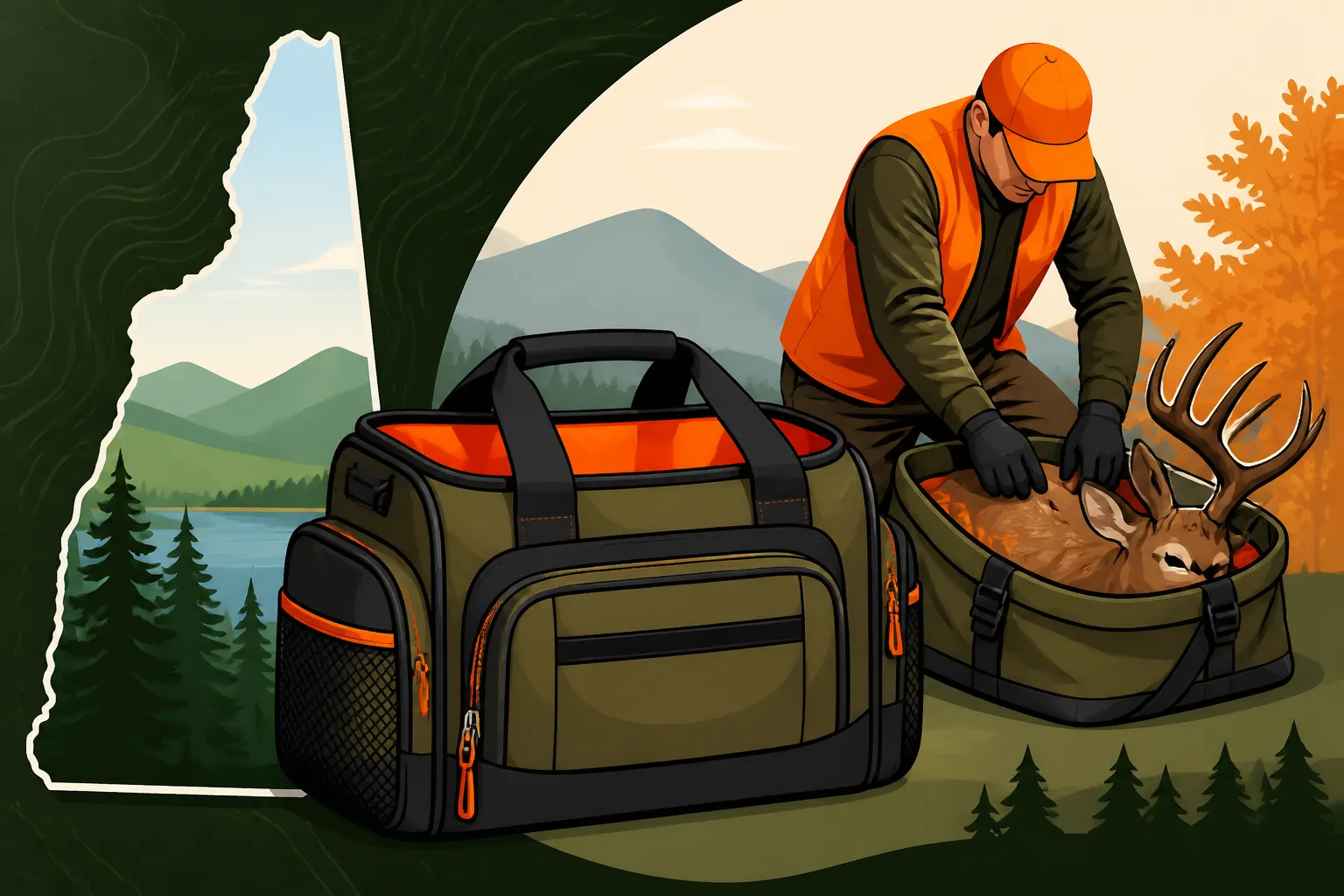
The size of your game dictates the size and type of bags you'll need. For small game like rabbits or grouse, a simple pillowcase-sized cotton or synthetic bag might suffice to keep them clean on the walk back to the truck. When you move up to white-tailed deer, you'll typically want a set of four quarter bags, one for each leg and one for the backstraps and other loose cuts. These bags are usually designed to accommodate the full bone-in quarter.
For larger animals, like New Hampshire black bears or the majestic moose, dedicated large quarter bags are essential. These are built to withstand the weight and bulk of a moose hindquarter, which can be surprisingly heavy, and often come with reinforced seams and tie straps. Some hunters also prefer a separate "meat sack" for the tenderloins, backstraps, and other choice cuts to keep them isolated and protected. Planning your bag sizes according to the species you're pursuing, whether it's White-Tailed Deer Across New Hampshire or Moose in New Hampshire's North Country, is a critical part of pre-hunt preparation.
Reusable Versus Disposable: What Fits Your Hunting Style
The choice between reusable and disposable game bags often comes down to personal preference and hunting frequency. Disposable bags, typically made of lighter, less durable material, are convenient for one-time use. They can be a good option if you hunt infrequently or don't want the hassle of cleaning bags after a successful trip. However, they can be less robust and might tear more easily, especially when dragging quarters through brush or over jagged rocks.
Reusable game bags, on the other hand, are an investment. They are generally made from tougher, higher-quality synthetic materials designed to withstand multiple uses and rigorous washing. While the initial cost is higher, they prove more economical over time for regular hunters. Many modern synthetic bags are machine washable, making cleanup a breeze, though air-drying is usually recommended. The choice often reflects a hunter's commitment to sustainability and a desire for reliable gear that will last season after season. For those who hunt multiple species, from Fall Turkey Hunting New Hampshire's Eight WMUs to big game, reusable bags offer consistent performance.
Here's a quick comparison of common game bag types:
| Feature | Traditional Cotton Bags | Synthetic Reusable Bags | Disposable Synthetic Bags |
|---|---|---|---|
| Material | Cotton | Polyester/Nylon blends | Lightweight Polyester/Nylon |
| Breathability | Good | Excellent | Good |
| Durability | Low (can tear/absorb) | High (reinforced) | Moderate |
| Weight (dry) | Moderate | Low | Very Low |
| Weight (wet) | High | Low | Low |
| Cleanup | Difficult (stains) | Easy (machine washable) | None (discard) |
| Cost | Low | High (initial) | Low (per use) |
| Blood Retention | High | Low | Low |
| Best For | Traditionalists, short hauls | Regular hunters, all game | Emergency, infrequent use |
Key Features to Look For in Quality Game Bags
When you're out there, miles from the nearest road, battling insects and trying to get your meat cooled down, the last thing you want is a game bag that fails. Investing in quality bags is investing in the integrity of your harvest. There are several key features that separate the good from the great, especially when considering the demanding conditions of New Hampshire hunting.
Breathability and Airflow are Paramount
This is arguably the most crucial feature of any game bag. While it might seem counterintuitive to want air to circulate around meat, it's essential for rapid cooling and preventing bacterial growth. A bag that seals tightly, trapping moisture and heat, is a recipe for disaster. Quality game bags are designed with a weave or mesh pattern that allows air to flow freely over the meat, facilitating evaporative cooling and preventing the moist, stagnant conditions that bacteria adore. This airflow also helps to form a protective "rind" on the meat, which can further protect against spoilage and make it easier to clean later.
When you hang a quartered deer, for example, in a proper game bag, the air passing over the surface helps to quickly drop the core temperature of the meat. This is particularly vital in situations where you can't immediately get the meat into a cooler, such as when Packing Meat Out of a North Country Bog or after a late afternoon kill. Brands that prioritize material science, like those often reviewed on GoHunt, focus heavily on achieving the optimal balance between protection and breathability, ensuring your meat cools down efficiently even when ambient temperatures aren't ideal.
Durability for Rugged New Hampshire Terrain
New Hampshire's landscape is beautiful but unforgiving. From the jagged granite ledges of the White Mountains to the thick, thorny underbrush of a beaver flowage, your gear takes a beating. Game bags need to be tough enough to withstand being dragged, jostled, and perhaps even briefly snagged without tearing. A ripped bag not only exposes your meat to contamination but can also make handling a heavy quarter incredibly difficult.
Look for bags made from rip-resistant synthetic fabrics with reinforced seams. Double-stitched edges and robust tie strings or drawcords are indicators of quality. If you're quartering a large animal like a moose, the bags will be holding significant weight, so the strength of the material and construction is paramount. Imagine finally getting a large bear quarter onto your pack frame, only for the bag to give out half a mile from the truck – a nightmare scenario that proper durability can prevent. Whether you're navigating New Hampshire's White Mountain Granite Terrain or working through a dense Cedar Thicket for Late-Season Deer, your game bags need to be as rugged as the environment.
Easy to Clean and Maintain for Future Hunts
For reusable game bags, the ease of cleaning is a major consideration. Nobody wants to spend hours scrubbing dried blood and bits of tissue from a porous cotton bag after a long hunt. Modern synthetic bags excel here. Many are designed to be hosed off, soaked, and then thrown into a washing machine. The non-absorbent properties of these materials mean blood and grime tend to rinse away much more easily.
After washing, quick drying is also a benefit, especially if you plan to reuse them soon or store them away without risking mildew. Synthetic materials typically air dry much faster than cotton. Proper cleaning and maintenance not only extends the life of your bags but is absolutely critical for hygiene. Residual blood or meat particles can harbor bacteria, which could contaminate future harvests. A clean bag means a clean start for every animal you take, from a spring gobbler during Spring Turkey Hunting in New Hampshire to a late-season deer.
Field Care Best Practices with Game Bags in New Hampshire
Having the best game bags is only half the battle; knowing how to use them effectively in the field is just as important. From the moment your animal is down until it reaches your cooler or processing station, every step plays a role in preserving the quality of the meat. New Hampshire's varied conditions demand a thoughtful approach to field care.
Preparing Your Game for Bagging
The process begins immediately after the animal is dispatched. Rapid and thorough field dressing is the first and most critical step. Remove all internal organs as quickly as possible to allow the body cavity to cool. If the weather is warm, consider skinning the animal in the field if practical, as the hide acts as an insulator, trapping heat. For larger animals like deer or moose, quartering in the field is often necessary for easier transport, especially if you’re deep in the backcountry.
Once quartered, trim away any blood-shot meat, dirt, hair, or external contaminants. Don't rinse the meat with water in the field, as this can introduce bacteria and moisture, which actually speeds up spoilage. Instead, wipe it clean with a dry cloth or paper towels. If you're quartering, ensure each major muscle group is separated cleanly. For hunters who practice the gutless method, which can be advantageous when Packing Out a New Hampshire Moose from a remote location, having your game bags readily accessible is key as you remove each piece of meat.
Proper Storage and Cooling in the Field
After your meat is cleaned and placed into individual game bags, the next priority is cooling. If you’re able, find a shaded, breezy spot to hang the bagged quarters. Air circulation is your best friend here. Hanging the meat off the ground prevents access by ground-dwelling scavengers and further promotes airflow around all sides of the quarter. For smaller game or a single deer, you might be able to find a suitable branch. For a moose, you might need to get creative with ropes and multiple trees to hoist those massive quarters.
In warmer conditions, consider ways to further cool the meat. If you have ice available and can get it to the quarters quickly, placing ice directly on or inside the bags (ensuring drainage) can dramatically drop the temperature. However, often in the New Hampshire backcountry, ice isn't an option. In such cases, spreading the quarters out, elevating them, and letting them air out for as long as possible before packing out is the best strategy. Keep a close eye on the weather; a sudden rain shower can soak bags and introduce moisture, so consider a tarp or cover if conditions turn. For late-season hunts during Hunting the December Archery Close or Hunting Into the December Muzzleloader Close, cold temperatures are often your greatest ally, naturally aiding in cooling.
Transporting Your Harvest Home
Once the meat has cooled sufficiently and you're ready to head out, the game bags truly shine in protecting your meat during transport. Whether you're using a pack frame, a deer cart, or loading into a vehicle, the bags keep the meat clean and contained. This is where the durability you looked for in your bags pays off, protecting against tears from rubbing against branches or rough vehicle surfaces.
When loading into a vehicle, ensure there’s still good airflow around the bags. Avoid stacking quarters directly on top of each other in a closed trunk, which can trap heat and undo all your hard work. If possible, keep windows cracked or use a truck bed with a light cover rather than an airtight shell. For long drives, having a cooler packed with ice ready at the truck to transfer the bagged meat into is ideal. This ensures a consistent, cold temperature all the way to your processing facility or home. Utilizing resources like those provided by GoHunt can also offer valuable tips on efficient packing and transport methods, ensuring your trophy makes it home in prime condition.
Disclaimer
This article is for general informational purposes only and does not constitute professional advice. Laws, prices and regulations vary by location and change over time. Consult a qualified professional for guidance on your specific situation.