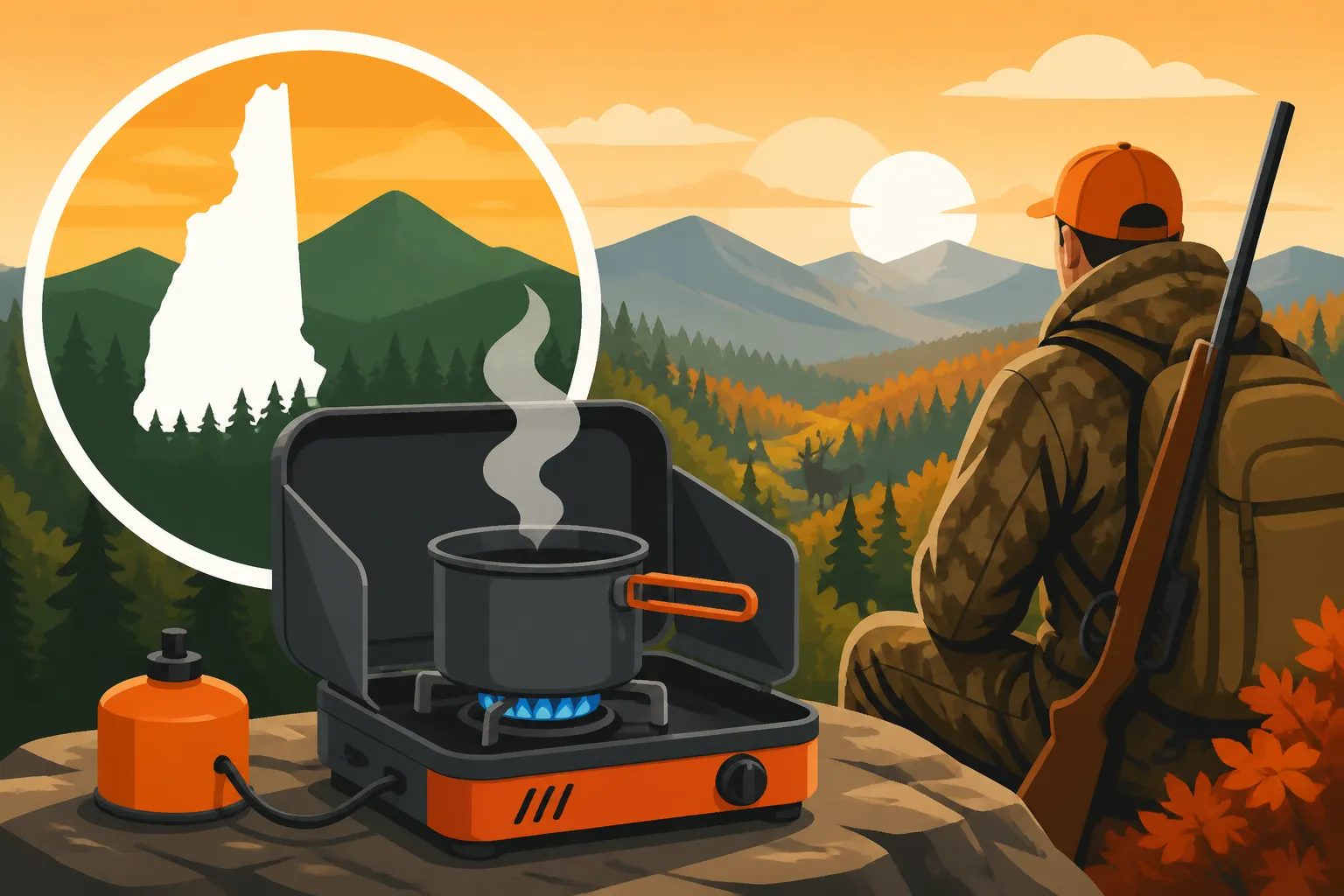
Best Camp Stove for a Backcountry Hunt
There’s nothing quite like the crisp, cold air of a New Hampshire autumn or winter hunt, but that chill can really make a hot meal or a warm cup of coffee feel like a luxury. Trying to cook a proper meal when your fingers are numb, and the wind is whipping can be a real challenge, leaving you shivering and relying on cold snacks. This guide will help you navigate the world of backcountry camp stoves, so you can pick the perfect one to keep you fueled and comfortable on your next Granite State adventure.
Why a Reliable Camp Stove is Crucial for New Hampshire Backcountry Hunts
When you're out deep in the New Hampshire woods, whether it's still-hunting for deer in the White Mountain National Forest Timber or sitting in a blind for a late-season muzzleloader hunt, your gear isn't just about comfort—it's about survival and success. A dependable camp stove might not seem like the most exciting piece of equipment, but it quickly becomes an indispensable ally when the mercury drops or you've been putting in serious miles.
The Harsh Realities of New Hampshire Weather
Let's face it, New Hampshire weather can be fickle and unforgiving, especially during hunting season. You might start the day with clear skies and a gentle breeze, only for a cold front to blow in by afternoon, bringing biting winds or even an unexpected snow squall. Trying to start a fire for cooking in those conditions is often a losing battle. Wet wood, strong gusts, and limited visibility make traditional fire cooking inefficient and sometimes impossible.
Imagine you're deep in the North Country, after a long day of scouting for moose, and a damp, chilly fog rolls in. All you want is a hot meal to warm your core and lift your spirits. Without a reliable stove, you're left with cold granola bars and lukewarm water, which can quickly lead to diminished morale and even increase your susceptibility to the cold. A good camp stove cuts through all that, providing a consistent, controllable heat source regardless of how temperamental the weather decides to be. It’s not just about cooking; it's about having a functional piece of gear that performs when you need it most, allowing you to focus on the hunt itself, not struggling with basic camp chores.
Fueling Your Body for Peak Performance
Hunting in New Hampshire demands a lot from your body. Whether you're slogging through thick cover, climbing steep granite ridges, or packing out a deer from a beaver flowage, you're burning serious calories. Hot food and warm drinks aren't just a treat; they're essential for replenishing energy, maintaining core body temperature, and keeping your mind sharp. Dehydration and inadequate nutrition can quickly lead to fatigue, poor decision-making, and even hypothermia in extreme conditions.
Think about waking up before dawn for an early archery sit in October. A hot cup of coffee or tea can make all the difference in shaking off the morning chill and getting your head in the game. After a successful day, a hearty rehydrated meal—like a rich stew or chili—provides the sustained energy you need to recover and be ready for the next day's efforts. Beyond the physical benefits, there’s a psychological boost that comes with a warm meal. It’s a moment of comfort, a chance to relax and recharge, making the overall backcountry experience more enjoyable and sustainable. You’ll find yourself more capable of facing the physical and mental demands of the hunt if you’re properly fueled.
Types of Camp Stoves for Backcountry Hunting in New Hampshire
Choosing the right camp stove for your New Hampshire backcountry hunt really comes down to balancing weight, fuel efficiency, cooking needs, and the specific conditions you anticipate. There are a few main types, each with its own set of advantages and drawbacks. Understanding these can help you narrow down the best option for your style of hunting.
Canister Stoves: Lightweight and Convenient
Canister stoves are incredibly popular among backpackers and hunters who prioritize light weight and ease of use. These stoves typically screw directly onto a threaded fuel canister, usually a blend of isobutane and propane. They are often very compact, sometimes fitting in the palm of your hand, and set up in a matter of seconds.
The main draw here is simplicity. You twist it on, open the valve, light it, and you're cooking. There's no priming, no pumping, and very little fuss, which is a huge bonus when you're tired and cold. Many models, especially integrated systems like those from brands such as Jetboil or MSR, are designed to boil water incredibly fast, making them perfect for rehydrating meals or brewing coffee quickly. However, canister stoves can struggle in very cold temperatures. As the fuel in the canister cools, the pressure drops, and performance can suffer. You might find yourself cuddling your fuel canister in your sleeping bag to warm it up before a pre-dawn boil. They also produce non-refillable canisters, which means more waste to pack out. For a hunter who values minimal weight and quick, simple meals on a solo hunt or a shorter trip, a canister stove is often an excellent choice.
Liquid Fuel Stoves: Robust and Versatile
Liquid fuel stoves, often burning white gas (naphtha), but sometimes capable of burning kerosene or even unleaded gasoline, are the workhorses of backcountry cooking. Brands like MSR and Coleman have long been staples for a reason. These stoves require a bit more ritual to get going—you usually have to pump them to pressurize the fuel tank and prime them (which often involves a small flare-up) before they settle into a steady burn. This might sound intimidating, but it's a simple skill to learn.
The big advantage of liquid fuel stoves is their incredible performance in cold weather and at high altitudes, which can be a real consideration if you're Hunting the White Mountain's High-Elevation Basins. They maintain consistent pressure and output even when the temperature plunges, making them far more reliable than canister stoves in sub-freezing conditions. Fuel is also more readily available in some remote areas, and you can see exactly how much you have left in the bottle. They tend to be heavier and bulkier than canister stoves and can be a bit messier to refill, but their durability and cold-weather prowess make them ideal for longer trips, group hunts, or any time absolute reliability is paramount. If you're heading out for an extended hunt into December or facing truly harsh conditions, a liquid fuel stove offers peace of mind.
Wood-Burning Stoves: Primitive Skills and Local Fuel
For the minimalist, the traditionalist, or the hunter who loves the self-sufficiency of using local resources, a small portable wood-burning stove can be an intriguing option. These stoves, like those from Solo Stove or Lixada, rely on twigs, pinecones, and other small bits of combustible material found in the forest. They are essentially small, efficient combustion chambers designed to create a hot, sustained flame.
The most appealing aspect is that you don't need to pack in any fuel, reducing your pack weight significantly. This can be a game-changer if you’re already loading up on heavy gear for a multi-day hunt, like when you’re Packing for a Nine-Day Moose Hunt. There’s also a certain satisfaction that comes from cooking over a natural flame you've built yourself. However, wood-burning stoves have significant drawbacks for a practical backcountry hunt. They require a constant supply of dry fuel, which can be hard to find in wet conditions or above the tree line. They are also much slower to boil water than gas stoves and can leave pots sooty. Smoke can be an issue, giving away your position to wary game. For a quick solo brew or a minimalist overnight stay in ideal conditions, they can work, but for consistent cooking or when stealth is critical, they are less practical for many hunters. They are also restricted in areas with fire bans, so always check the local regulations for New Hampshire's public lands before relying on one.
Key Features to Consider When Choosing Your Backcountry Camp Stove
Deciding on the best camp stove for your New Hampshire backcountry hunting adventures involves more than just picking a type. You need to dig into the specifics of each model and consider how its features align with your unique hunting style and the rugged demands of the Granite State. Brands like GoHunt often review gear with these very considerations in mind, providing insights into what truly performs in the field.
Weight and Packability
Every ounce counts when you're humping a pack through the Pemi Wilderness or trying to move silently through timber. A heavy stove, even if it's incredibly powerful, might not be the right choice if it means sacrificing other essential gear or adding unnecessary fatigue to your journey. Think about your typical hunt duration and the distance you cover. For day hunts or quick overnighters, a compact, ultralight canister stove might be ideal, easily slipping into a side pocket of your pack. For longer expeditions, or if you're sharing the load with a partner, a slightly heavier but more robust liquid fuel stove might be worth the extra weight for its reliability and fuel efficiency over several days.
Consider not just the stove unit itself, but also the fuel. Canisters are compact but add up if you need several. Liquid fuel bottles are refillable and often more efficient per ounce of fuel, but the bottle itself adds weight. When you're trying to figure out how much gear to take for something as intense as packing a moose out of a North Country bog, minimizing bulk and weight is always a priority. It's a careful balance between having enough cooking power and keeping your load manageable so you can focus on the hunt, not your aching shoulders.
Fuel Type and Availability
The type of fuel your stove uses is a critical consideration, especially when hunting in remote corners of New Hampshire. We've touched on this with stove types, but it's worth a deeper dive. Canister stoves use proprietary gas blends that, while widely available in outdoor stores, might be harder to find in a small town gas station near a less-traveled hunting area. Running out of a specific canister size or brand can leave you in a bind.
Liquid fuel stoves, typically running on white gas, offer broader availability since white gas is common, and many models can even run on unleaded gasoline in a pinch (though this isn't recommended for long-term use due to soot buildup). If you're planning an extended trip or traveling to a very remote trailhead, knowing you can resupply your fuel from multiple sources offers a lot of security. GoHunt emphasizes preparing for the unexpected, and fuel availability definitely falls into that category. Also, remember the cold weather performance. White gas excels in freezing temperatures, providing consistent heat. Canisters struggle more, as the gas contracts. Always factor in the lowest temperatures you expect to encounter during your New Hampshire hunt.
Boil Time and Wind Resistance
When you're chilled to the bone or just eager to get back to scouting, waiting forever for water to boil can be incredibly frustrating. A stove's boil time is a measure of its efficiency and power. Fast boil times mean less waiting, less fuel consumed, and quicker meals, which is a big advantage when you're trying to keep a Cold-Weather Sitting Strategy in the North Country going without losing precious body heat.
Beyond raw power, a stove's ability to resist wind is paramount in New Hampshire. Gusts can steal heat away from your pot, drastically increasing boil times and wasting fuel. Some stoves feature integrated windscreens or clever burner designs to minimize this effect. Others might require you to carry a separate windscreen, which adds a little more bulk but can significantly improve performance. Look for stoves that are designed to perform reliably in windy conditions, or be prepared to create a natural windbreak with your pack or a rock wall. An efficient stove that can shrug off a blustery ridge-top wind means you're not burning through your precious fuel just to boil a cup of water.
Durability and Maintenance
New Hampshire's backcountry is tough on gear. You'll be throwing your pack in and out of trucks, traversing rocky terrain, and setting up camp in all sorts of conditions. Your camp stove needs to be built to withstand this abuse. Flimsy plastic components or delicate burners won't last long when jostled around with hunting knives, optics, and other rugged equipment. Look for stoves made with durable materials like stainless steel, brass, or robust aluminum.
Maintenance is another key factor. While canister stoves are generally very low maintenance, liquid fuel stoves, with their pumps and valves, might require occasional cleaning or replacement of O-rings. Understanding how to field-strip and clean your stove is a valuable skill, especially if you're on a multi-day trip far from civilization. A stove that’s easy to maintain and repair in the field can save your hunt if a minor issue arises. Researching gear reviews, perhaps from a trusted source like GoHunt, can often give you insights into the real-world durability and common maintenance needs of different stove models. A well-built stove that you can rely on year after year is an investment in countless future successful hunts.
Practical Tips for Using Your Camp Stove in New Hampshire's Backcountry
Having the right camp stove is only half the battle; knowing how to use it safely and efficiently in New Hampshire's varied terrain and unpredictable weather is just as important. From picking the perfect spot to managing your fuel, these tips will help ensure your stove is always a source of warmth and sustenance, not a headache.
Site Selection and Safety
Choosing where to set up your stove is paramount for both efficiency and safety. In New Hampshire, whether you're camping deep in the White Mountain National Forest or tucked away in a remote corner of a Wildlife Management Area, you must be hyper-aware of your surroundings. Always pick a flat, stable surface for your stove to prevent spills. Clear away any dry leaves, pine needles, or other flammable debris from a generous area around your cooking spot. A small spark or an unexpected flare-up can quickly turn into a dangerous situation, especially during dry periods when the forest floor is like tinder.
Avoid setting up your stove too close to your tent, sleeping bag, or any overhanging branches. Good ventilation is key, not just to disperse fumes but also to prevent accidental ignition of overhead materials. If it’s windy, try to find natural cover like a large rock, a thick stand of evergreens, or even use your pack as a makeshift windbreak to shelter your stove. Never leave a lit stove unattended, and always make sure it's completely cooled down before packing it away. Understanding and respecting fire safety isn't just a rule; it's a fundamental part of being a responsible hunter in our precious New Hampshire wilderness.
Fuel Management and Cold Weather Tricks
Efficiently managing your fuel is crucial, especially on longer hunts where resupply isn't an option. Before you head out, calculate how much fuel you'll need based on your planned meals and how many hot drinks you anticipate. A good rule of thumb is to allow for one liter of boiled water per person per day, plus extra for cooking time. It's always better to carry a little too much than to run out.
For canister stoves in cold New Hampshire weather, keeping your fuel warm is essential. Cold temperatures reduce the pressure inside the canister, leading to poor performance. You can store your fuel canister in your sleeping bag overnight, or keep it in an inside pocket of your jacket during the day. When actively cooking, placing the canister on a small piece of insulating foam can help prevent heat loss from the ground. With liquid fuel stoves, pump the fuel tank until you feel good resistance, but don't over-pressurize it. If your stove seems to be sputtering, a few more pumps can sometimes revive it. Knowing these small tricks can make a huge difference between a quick, hot meal and a frustrating, cold cooking experience.
Integrating Your Stove with Your Hunt Plan
Your camp stove isn't just a kitchen appliance; it's a tactical piece of gear that should be integrated into your overall hunt plan. For example, if you're planning on Still-Hunting White Mountain National Forest Timber all day, you might opt for a super-light canister stove that allows you to quickly boil water for a hot lunch or coffee break on the move, without setting up a full camp. If you're basecamping for several days and planning more elaborate meals, a robust liquid fuel stove that can handle larger pots and simmering might be a better fit.
Consider your meal planning carefully. Dehydrated meals are lightweight and require only boiled water, which most stoves excel at. If you plan to cook fresh food, ensure your stove has decent flame control to prevent burning. Remember that a hot meal can be a huge morale booster after a tough day, so factor in the time and effort required to prepare it. By planning your meals and stove use in conjunction with your hunting strategy, you can maximize your comfort and efficiency in the field. This forethought, much like carefully planning your Entry Routes Through a Cut Cornfield or where to Hanging a Stand on a Granite Ridge, is a hallmark of a prepared and successful New Hampshire hunter. GoHunt articles often stress this kind of comprehensive preparation, reminding us that every piece of gear has a role to play in the bigger picture.
Camp Stove Comparison for Backcountry Hunters
To help you visualize the differences and make an informed decision, here's a quick comparison of the three main types of camp stoves often considered for backcountry hunting.
| Feature | Canister Stoves | Liquid Fuel Stoves | Wood-Burning Stoves |
|---|---|---|---|
| Weight | Very Light to Light | Medium to Heavy | Light (no fuel carried) |
| Packability | Very Compact | Moderate | Compact |
| Fuel Type | Isobutane/Propane Canisters | White Gas, Kerosene, Unleaded | Twigs, Pinecones, Biomass |
| Fuel Availability | Good (Outdoor Stores) | Excellent (Hardware, Gas Stations) | Found On-Site (conditions dependent) |
| Cold Weather Perf. | Poor to Moderate (can struggle) | Excellent (reliable) | N/A (requires dry fuel) |
| Boil Time | Very Fast | Fast | Slow to Moderate |
| Wind Resistance | Varies (better with integrated shield) | Good (robust burner) | Poor (open flame) |
| Ease of Use | Very Easy (ignite & go) | Moderate (priming, pumping) | Moderate (fuel gathering, constant feeding) |
| Maintenance | Very Low | Moderate (occurs occasionally) | Low (soot cleaning) |
| Best For | Solo, weekend trips, fast & light | Extended trips, groups, harsh cold | Minimalist, survival, ideal conditions |
Disclaimer
This article is for general informational purposes only and does not constitute professional advice. Laws, prices and regulations vary by location and change over time. Consult a qualified professional for guidance on your specific situation.