Bear Bait Site Gear and Containers
Setting up a bear bait site in New Hampshire might seem straightforward on the surface, but anyone who's actually done it knows it's a whole different ballgame. It's not just about dumping some old donuts in the woods; it's about strategizing, adhering to strict regulations, and having the right gear to ensure your efforts are both legal and effective. This guide is going to walk you through all the essential gear and container options you'll need to successfully establish and maintain a bear bait site, saving you from common pitfalls and wasted effort.
The Foundation of a Legal Bear Bait Site
Before you even think about what kind of barrel to use or how many pastries to haul, you've got to lay a solid foundation. This means knowing the rules inside and out and picking the absolute best spot for your efforts. Trust me, ignoring these first steps is a recipe for frustration, or worse, a violation.
Understanding New Hampshire's Baiting Regulations
New Hampshire has very specific rules when it comes to baiting bears, and these aren't just suggestions – they're laws designed to ensure fair chase, public safety, and ethical hunting practices. It's not enough to generally know "you can bait bears." You need to know the nuances. For instance, the timing of baiting season is crucial, and it varies depending on whether you're in the North Country or closer to the populated southern regions. There are also strict rules about how far a bait site must be from a public road or a dwelling, and these distances can feel quite restrictive when you're trying to find a truly secluded spot.
Beyond distances, the type of bait you can use is also regulated. You can't just toss out anything. There are rules about using non-food items, and obviously, anything that could be considered a hazardous substance is out. The idea is to attract bears naturally, not to introduce harmful materials into their environment. It’s also incredibly important to understand the specific rules for your Wildlife Management Unit (WMU). What’s legal in WMU A might have slightly different stipulations than in WMU L, so always double-check the latest New Hampshire Fish and Game digest for your exact area. Skipping this step is asking for trouble, and frankly, it shows disrespect for the resource and other hunters. You can dive deeper into these specifics by checking out Baiting New Hampshire Bears Legally by WMU.
Scouting and Site Selection for Baiting Success
Once you're armed with the regulations, it's time to hit the woods and find the perfect spot. This isn't a random dart toss on a map; it's a meticulous process. You're looking for an area that not only offers good bear habitat but also provides you with strategic advantages for hunting. Start by identifying potential bear travel corridors – these could be old logging roads, natural funnels between thick cover, or game trails along a ridge. Bears are creatures of habit, and they'll often use the path of least resistance.
Water sources are another key component. Bears need water daily, especially in warmer weather, so a bait site near a stream, bog, or even a beaver pond can be incredibly effective. Look for areas with existing bear sign: scat, claw marks on trees, or overturned rocks. This tells you there are already bears in the vicinity, which drastically improves your chances. Remember, you want a spot that offers concealment for your stand or blind, but also allows for a clear shot at the bait. Consider prevailing winds and thermals in your chosen location; you don't want your scent blowing directly over the bait. A good mapping application like one found on GoHunt can be invaluable here, allowing you to mark potential sites, check topography, and even identify access points. Think about how you'll get the bait in and out without disturbing the area too much, and how you'll approach your stand on hunting days. For more on general scouting, check out Scouting New Hampshire Public Land Before Season.
Essential Bait Containers and Delivery Systems
Okay, you've got the regulations down and a prime location picked out. Now, how do you actually present that delectable bear buffet? The container isn't just a bucket; it's a key piece of engineering that controls how quickly bears consume the bait, how long it lasts, and how secure it remains.
The Workhorse: Steel Barrels and Culverts
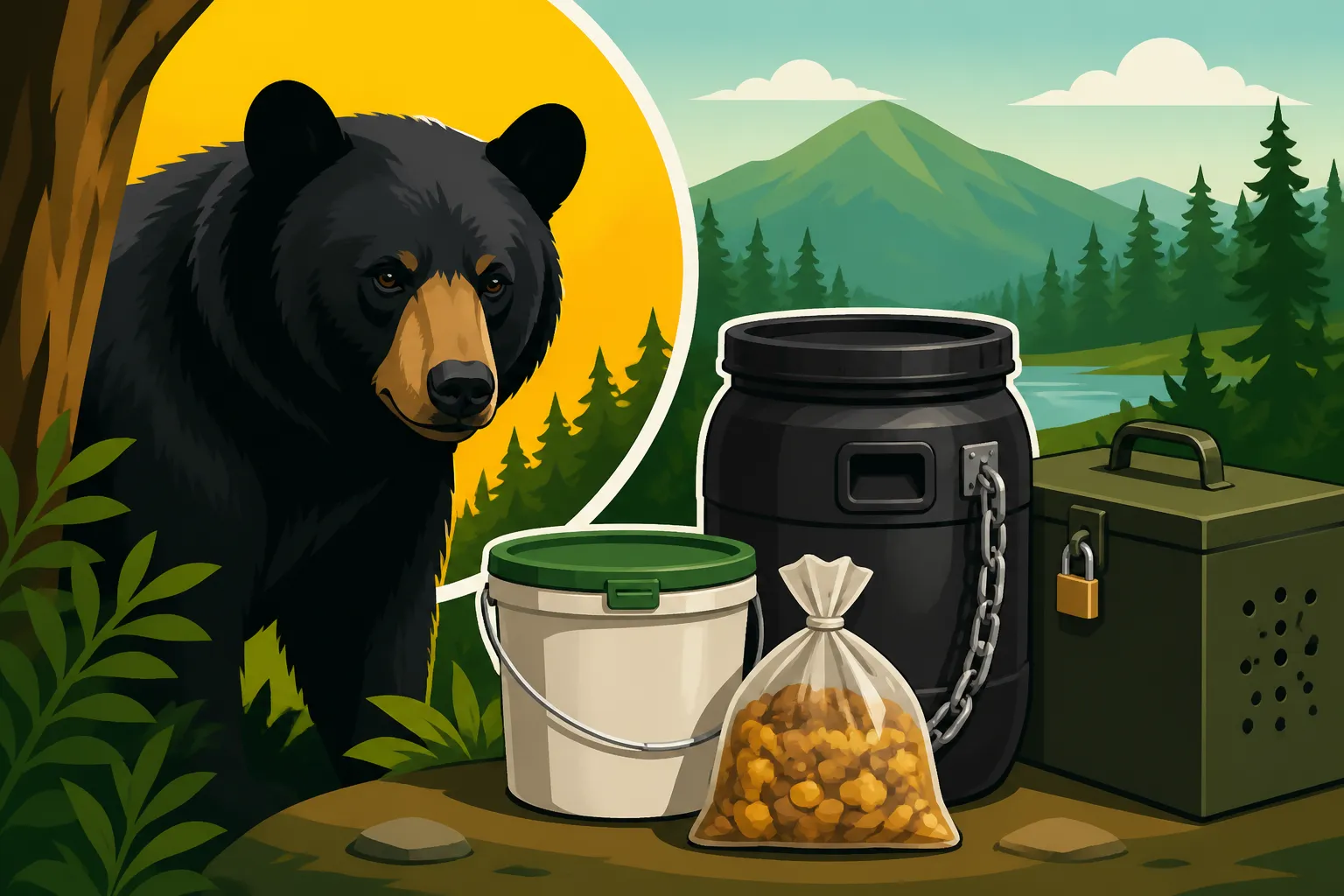
When you picture a bear bait site, you're probably imagining a steel barrel. And for good reason – they are truly the workhorses of bear baiting. These aren't just any old drums; typically, we're talking about heavy-gauge steel barrels, often 55-gallon, that are incredibly robust. They're designed to withstand the immense strength of a bear. The real magic, though, comes in how you modify and secure them. Many hunters drill several 1-2 inch holes around the bottom half of the barrel. This forces the bear to roll, toss, and manipulate the barrel to get at the bait, making them work for every morsel. This "work-to-eat" approach keeps them at the site longer and encourages repeated visits, as they can't just gorge themselves in one sitting.
Securing these barrels is paramount. A bear can easily push a loose 55-gallon drum a good distance, scattering your bait and potentially making a mess. Common methods include chaining the barrel to a sturdy tree with heavy-duty chains and lag bolts, or even burying half of the barrel to anchor it. Some hunters use large metal culverts, which are even heavier and more difficult for a bear to move. Transporting these behemoths is a challenge in itself, often requiring an ATV, a sturdy game cart, or a lot of brute force, especially if your chosen site is deep in the New Hampshire woods. The sheer weight and durability are their biggest advantages, but they demand significant effort in setup and maintenance.
Innovative and Improvised Containers
While steel barrels are popular, they aren't the only option. Hunters, being the resourceful folks they are, have come up with a variety of creative ways to present bait. Heavy-duty plastic drums, often 30 or 55-gallon, can be used, but they need to be much thicker and more robust than your standard rain barrel. These can be lighter to transport, but a truly determined bear can sometimes breach them if they're not reinforced. Just like steel barrels, they should be secured to a tree or buried.
Other ingenious methods include using old truck or tractor tires. Filling the center of a large tire with bait and then covering it with another tire or a heavy log forces bears to engage with the bait, pushing and pulling to get at it. This provides similar resistance to a drilled barrel. Some hunters even create natural bait stations by hollowing out a large, fallen log or creating a makeshift "crib" out of smaller logs. While these might not offer the same level of containment or durability, they can be incredibly effective in certain situations and blend more seamlessly into the natural environment. The key, regardless of the container, is to ensure it's robust enough to slow consumption and keep the bait relatively protected from smaller scavengers, and that it adheres to all local regulations regarding bait exposure. Need more ideas? Have a look at Choosing a Bear Bait Container.
Delivering the Bait: From Bulk to Smaller Portions
Getting the bait to your site is often half the battle, especially if your perfect location is a mile or two off the nearest logging road. Bear bait isn't light; we're often talking about hundreds of pounds of pastries, corn, or other attractants. For initial setup, large, heavy-duty plastic buckets with lids, durable contractor bags, or even dedicated bait bags are essential for transport. Some hunters use modified sleds or heavy-duty game carts to haul multiple buckets or bags at once. An ATV, if permitted on the access trails, can be a game-changer for speed and efficiency.
Once you're at the site, the "delivery" system within the container matters. You're not just pouring it all in. Often, you'll put in a portion of solid bait like corn or dog food, then layer it with a strong-smelling liquid attractant or molasses. You might mix softer baits like pastries with harder ones to create a varied texture that requires more effort from the bear. The goal is to make the bait last as long as possible between visits, keeping the bears coming back. This means resisting the urge to just dump a massive pile they can clear out in one night. Strategic layering and presentation within the container encourage bears to spend more time working the site, reinforcing the habit.
Security and Longevity for Your Bait Site
You've put in the hard work to scout and set up your bait container. Now, how do you make sure it stays put, stays fresh, and stays effective without you having to be there every single day? This is where security and longevity come into play.
Securing Containers from Bears (and Humans)
Bears are incredibly strong and surprisingly clever. If your container isn't properly secured, you'll often return to find it flipped, dragged, or even completely missing. As mentioned, heavy chains and lag bolts are your best friends for steel barrels, anchoring them to large, immovable trees. For plastic drums or tire setups, consider using rebar stakes driven deep into the ground through the bottom of the container, or running heavy cables through them and around surrounding trees. The goal is to make it as difficult as possible for a bear to move or flip the entire setup.
Beyond bears, unfortunately, you also need to consider other humans. While most hunters respect each other's efforts, interference can happen. Camouflaging your bait site, making it less obvious from main trails or roads, can deter curious passersby. This might involve setting up your stand or blind in a way that provides natural screening or placing the bait in a slightly less visible pocket of cover. It's a fine line between making it accessible for you and hidden from others. Building a good, defensible site from the start will save you countless headaches and ensure your bait lasts as intended. For more ideas on securing your setup, read Best Bear Bait Site Setup.
Weatherproofing Your Bait Supply
New Hampshire weather is, to put it mildly, unpredictable, especially during the fall hunting season. Rain, snow, and even just prolonged dampness can quickly ruin your bait, turning it into a soggy, moldy mess that bears won't touch. Keeping your bait fresh and appealing is critical for maintaining consistent bear visits. If you're using barrels, investing in a tight-fitting lid is a must. Many hunters will even place a heavy rock or log on top of the lid to prevent bears from easily prying it off and gorging on the bait.
For other types of containers or if you're just storing extra bait on site, tarps are invaluable. A heavy-duty tarp, securely tied down over your bait storage area, can protect against rain and snow. Some hunters even dig a shallow pit and line it before placing bait, then cover it with logs and dirt to keep it cool and dry, especially for specific types of bait. This also helps reduce strong odors from wafting too far, which can attract unwanted attention from smaller, non-target critters like raccoons or even skunks. Planning for the elements is just as important as planning for the bears themselves. Remember, once the bait gets moldy or excessively wet, its effectiveness drops dramatically. Making sure you are abiding by local regulations that might specify how bait must be contained and removed is also part of maintaining a legal bait site. Before the season officially closes, you need to ensure all bait is removed, so consider Baiting a Bear Site Before Your WMU Closes.
Monitoring Your Site: Trail Cameras and Visit Frequency
You can't sit on your bait site 24/7, and you shouldn't. That's where trail cameras become your absolute best friend. These devices allow you to monitor bear activity around the clock without introducing human scent or disturbing the area. Placement is key: position cameras about 10-15 yards from the bait, angled to capture the entire feeding area. Make sure there are no obstructions like branches that could trigger false alarms or block the view. Consider security measures for your cameras too, like Python locks or screw-in mounts, to deter theft in accessible areas.
Modern cellular trail cameras can even send photos directly to your phone, giving you real-time updates on when bears are hitting the bait, what size they are, and how often they're visiting. This data is invaluable for planning your hunting schedule. If you're using a standard trail camera, plan your visits to retrieve SD cards strategically – just enough to gather intel without over-pressuring the site. A mapping app that includes trail camera management features, such as those integrated within GoHunt, can help you keep track of multiple cameras, battery life, and activity patterns, optimizing your visits. Understanding bear patterns at your specific site allows you to determine the ideal frequency for re-baiting, ensuring the bait is always fresh but not overused. For a deep dive into choosing the right camera, check out Choosing a Trail Camera for New Hampshire Terrain.
Bait Types and Their Presentation
So, what exactly are you putting in those carefully chosen, well-secured containers? Not all bait is created equal, and understanding what bears crave, and how to present it, can make all the difference.
High-Energy Bear Bait Choices
Bears are looking for calories, pure and simple. They're trying to pack on weight for hibernation, so high-energy foods are incredibly attractive to them. Think about anything sweet, fatty, or carbohydrate-rich. Some of the most popular and effective bear baits include:
- Pastries and Donuts: These are often available in bulk from bakeries, grocery stores, or specialty bait suppliers. They're packed with sugar and fat, making them a bear favorite. Their strong scent also helps draw bears in.
- Candy and Sweets: Hard candy, jelly beans, even stale chocolate can be excellent attractants. Again, it's all about the sugar content.
- Corn: A staple for many baiters, shelled corn is relatively inexpensive in bulk, easy to transport, and a reliable energy source. It's often mixed with other baits.
- Dog Food or Cat Food: High-protein and high-fat kibble is very appealing to bears. Its strong aroma also helps. Look for large bags of cheaper brands for bulk use.
- Molasses or Anise Oil: These aren't usually primary baits but are powerful scent attractants. Molasses can be poured over other baits to add sweetness and stickiness, making it harder for bears to quickly consume everything. Anise oil is a well-known bear attractant and can be sprayed on trees around the site.
The key is variety and consistency. Bears get used to a specific buffet, so try to keep some core items consistent, but don't be afraid to experiment. Sourcing these items often involves building relationships with local businesses or finding bulk suppliers.
Scent Attractants and Lures
While the bait itself draws bears in, sometimes you need a little extra something to pique their interest from a distance, or to make your site irresistible. This is where scent attractants and lures come in. These aren't designed to be eaten in large quantities, but rather to broadcast a powerful odor that signals "food here!"
- Liquid Attractants: These can range from concentrated fruit essences to specialized bear lures with musky or sweet smells. They are typically sprayed on trees around the bait site, ensuring the scent disperses with the wind. The higher on a tree you spray, the farther the scent can carry.
- Oils and Pastes: Anise oil, often mixed with a carrier like vegetable oil, is a classic. Bacon grease or rendered animal fats can also be used. These can be smeared on bark or logs, slowly releasing their aroma over time.
- Natural Scents: Some hunters will use fish scraps or other natural, pungent items, but you need to be cautious with these. While effective, they can quickly rot, create a foul odor that deters rather than attracts, and potentially draw in non-target predators if not managed properly. Always be aware of New Hampshire's Natural Lure Restrictions when considering certain types of attractants.
When using any scent, remember to be mindful of your own scent. Always handle lures and attractants with gloves, and try to apply them from downwind to avoid contaminating the area with human odor. The goal is to make the bear focus on the bait, not on your recent visit.
Personal Gear for Maintaining Your Bait Site
Maintaining a bear bait site isn't a passive activity. It requires regular visits, hauling heavy loads, and sometimes navigating challenging terrain. Having the right personal gear can make these tasks safer, more comfortable, and ultimately more efficient.
Personal Protection and Comfort
Spending hours in the New Hampshire woods, often off-trail, means you need to be prepared for anything. First and foremost, protect yourself from the elements and the critters:
- Sturdy Boots: You'll be walking through uneven terrain, potentially mud, and wet leaves. Waterproof, ankle-supporting boots are non-negotiable. Think about the conditions you'll face – early season might mean light hikers, but late season demands serious insulation. For those boggy North Country spots, check out Boots for North Country Bog Hunting.
- Work Gloves: You'll be handling chains, bait, and possibly rough containers. A good pair of durable work gloves will protect your hands from cuts, scrapes, and sticky bait.
- Appropriate Clothing: Dress in layers. Even if it's warm when you start, walking in and out of the woods, often carrying heavy loads, can lead to sweating, followed by chilling. Choose quick-drying fabrics. Blaze orange or pink is required during certain seasons and in specific areas, even when just checking bait, so always consult the regulations.
- Bug Spray/Head Net: New Hampshire's black flies and mosquitoes are legendary. A strong insect repellent or even a head net can be a sanity-saver, especially during warmer months.
- Small Backpack or Daypack: For carrying water, snacks, extra layers, and small tools.
Remember, you're doing manual labor in the woods. Comfort and protection directly impact how consistently and effectively you can maintain your site.
Tools for Setup and Maintenance
Setting up and maintaining a bait site involves a bit of carpentry, a bit of mechanics, and a lot of elbow grease. Don't show up unprepared.
- Wire Cutters/Bolt Cutters: For securing chains, making adjustments, or cutting zip ties.
- Hand Saw or Small Chainsaw: Useful for clearing shooting lanes, cutting small logs for natural bait cribs, or clearing access paths. Always exercise extreme caution when using cutting tools.
- Drill and Bits: If you're modifying steel barrels, you'll need a powerful drill with metal-specific bits to create those "work-to-eat" holes. A portable battery-powered drill is ideal.
- Hammer: For driving rebar stakes or making minor adjustments.
- Rope and Chains: Essential for securing containers, hanging scent wicks, or even for emergency dragging of supplies.
- Small Shovel or Trowel: For burying bait, digging out mud, or creating minor ground cover.
- Buckets with Lids: For transporting smaller amounts of bait, mixing attractants, or collecting trash.
- Trash Bags: Always, always pack out everything you pack in, and then some. Leave no trace.
Think of it as carrying a basic toolkit for minor construction and repair. You never know what you'll encounter or what might need adjustment when you're deep in the woods.
Navigation and Safety
Even if you know your chosen bait site like the back of your hand, things can change quickly in the woods – a sudden fog, darkness, or simply getting disoriented while focusing on a task. Navigation and safety gear are non-negotiable.
- GPS Device or Mapping App: A dedicated handheld GPS unit or a robust mapping application on your smartphone (such as GoHunt's detailed maps) is crucial. Mark your vehicle, your bait site, and any access trails. These apps often allow you to download maps for offline use, which is vital in areas with no cell service in the remote North Country. For more on this, check out Best GPS App for New Hampshire Public Land.
- Compass and Map: Always carry a physical compass and a paper map of the area as a backup. Batteries die, screens break, but a compass and map will always work.
- First-Aid Kit: Minor cuts, scrapes, insect bites, or even a twisted ankle can happen. A well-stocked first-aid kit is essential, especially when you're alone in a remote area.
- Communication Device: A fully charged cell phone (though service can be spotty), or better yet, a satellite communicator like a Garmin inReach or a Zoleo, especially if you're venturing deep into the White Mountain National Forest or other remote regions. Always let someone know where you're going and when you expect to return.
- Headlamp or Flashlight: For those pre-dawn or post-dusk visits. A good headlamp keeps your hands free.
- Water and Snacks: Dehydration and low blood sugar can impair judgment. Always carry more water than you think you'll need, and some high-energy snacks.
Prioritizing your safety means you can focus on the task at hand – establishing and maintaining an effective bear bait site – without unnecessary worry.
Here's a quick comparison of common bait container types to help you decide:
| Container Type | Pros | Cons | Best Use Case |
|---|---|---|---|
| Steel Barrel | Highly durable, very bear-resistant, long-lasting | Heavy to transport, often requires modification (drilling) | Long-term, high-volume bait sites where durability is key |
| Plastic Drum | Lighter than steel, easier to modify, less prone to rust | Less durable than steel, can be breached by determined bears if not reinforced | More accessible sites, where weight is a primary concern |
| Natural Log | Blends into environment, low cost (if logs available) | Less contained, bait more exposed to elements/scavengers, less control over consumption speed | Stealthy, natural-looking sites, or as a secondary attractant |
| Old Tires | Very durable, forces bears to work for bait, low cost | Can be bulky to transport, limited bait capacity, less appealing aesthetically | Sites where maximum "work-to-eat" and bear engagement are desired |
Disclaimer
This article is for general informational purposes only and does not constitute professional advice. Laws, prices and regulations vary by location and change over time. Consult a qualified professional for guidance on your specific situation.