Baiting a Bear Site Before Your WMU Closes
The clock is ticking. You’ve put in the sweat equity, hauled the bait, and watched those trail camera pictures come alive, only to realize your Wildlife Management Unit (WMU) for bear baiting is about to close. That feeling of urgency, mixed with the pressure to make every last effort count, is something every New Hampshire bear hunter knows. This guide is here to walk you through optimizing your bait site in those critical final days, ensuring you’re fully compliant with regulations, and handling the all-important post-season cleanup.
Understanding New Hampshire's WMU System and Bear Season Dates
Navigating New Hampshire's bear hunting season, especially when baiting, requires a keen understanding of our WMU system. These units aren't just lines on a map; they dictate everything from season length to legal methods, and their closing dates can sneak up on you faster than a bear on a fresh doughnut.
Why WMU Boundaries Matter for Baiting
Imagine spending weeks establishing the perfect bait site, only to discover it's just a few hundred yards from a WMU boundary with an earlier closing date. It's a frustrating scenario many hunters have faced. New Hampshire's diverse landscape, from the dense North Country forests to the more suburban fringes, means that wildlife populations and hunting pressure vary significantly. To manage this, the New Hampshire Fish and Game Department divides the state into WMUs, each with its own set of regulations. For bear baiting, this often translates into different start and end dates for the baiting season itself, as well as the hunting season over bait.
Knowing your specific WMU and its exact boundaries is paramount. Tools like the GoHunt app or detailed topographic maps are invaluable for this. They allow you to pinpoint your location accurately and ensure your bait site is firmly within the correct WMU and not inadvertently crossing into one with different rules or an earlier closure. Remember, ignorance of the law is no excuse, and a simple miscalculation could cost you your season, or worse. For a broader look at how these units influence hunting, check out our article on New Hampshire's WMU-Based Deer Season Structure.
Key Dates and Regulations for Bear Baiters
New Hampshire's bear baiting season typically kicks off in early September, but those critical closing dates are what we're focused on here. These dates vary by WMU and are explicitly outlined in the annual New Hampshire Hunting Digest. Some WMUs, particularly in the northern parts of the state where bear populations are denser and hunting pressure can be higher, might have slightly shorter baiting windows compared to others.
It’s not just about the last day you can hunt over bait; it’s also about the last day you can maintain a bait site and, crucially, the deadline for removing all bait and associated materials. These dates are non-negotiable. Missing the removal deadline can lead to fines and legal trouble, as unattended bait sites can cause problems for other wildlife, domestic animals, and even humans. The table below gives a generalized overview, but always, always consult the current year's New Hampshire Hunting Digest for precise dates for your specific WMU.
| WMU (Wildlife Management Unit) | Typical Baiting Season Start | Typical Baiting Season End (approx.) | Bait & Material Removal Deadline |
|---|---|---|---|
| A, B, C | Early September | Mid-September | Within 5 days of season end |
| D1, D2, E, F, G, H1, H2 | Early September | Late September/Early October | Within 5 days of season end |
| I1, I2, J1, J2, K, L, M | Early September | Late September/Early October | Within 5 days of season end |
| Note: These dates are general and vary annually. Always verify with the current New Hampshire Hunting Digest. |
Understanding these dates is your first line of defense against disappointment. Planning your final bait drops and hunts around these deadlines will make all the difference. Knowing Checking Your WMU's Bear Season Dates is crucial for every hunter.
Strategic Baiting Practices as Season Nears End
As the bear baiting season in your WMU draws to a close, your strategy needs to shift. The goal transitions from merely attracting bears to maximizing their visits and encouraging them to spend more time at your site. Every single calorie counts for these animals as they prepare for hibernation, and you can leverage that instinct in the final stretch.
Maximizing Attraction and Consumption Before Closing
In those last few days or week before the season closes, you want your bait site to be the most irresistible buffet in the woods. Bears are naturally driven by scent, and during this pre-hibernation phase, they are particularly motivated by high-calorie, easily digestible foods. This is not the time to skimp on quality or quantity.
Focus on rich, fatty, and sweet baits. Pastries, molasses, expired candy, and high-fat dog food mixed with oil or grease are excellent choices. Many experienced baiters will ramp up the volume of bait in the final week, sometimes doubling or tripling their usual offering. The idea is to create a constant, overwhelming scent cone that pulls in every bear within range and keeps them coming back. Don't be afraid to experiment with scent lures, too. Anise oil, bacon grease, or even commercially available bear attractants can be sprayed liberally around the site and on nearby trees to amplify the appeal. Think of it as a last-call siren for hungry bears.
Also, consider the timing of your bait drops. While earlier in the season you might have maintained a more spaced-out schedule, closer to the end, more frequent, smaller drops might keep the scent fresher and the interest piqued. If you can make a drop just a day or two before your final planned hunt, that fresh scent can often be the clincher.
Maintaining and Monitoring Your Bait Site Effectively
Effective maintenance and diligent monitoring become even more critical when the season is winding down. You need to know exactly what's hitting your site, when, and how much they're consuming. This intelligence will inform your final hunting efforts.
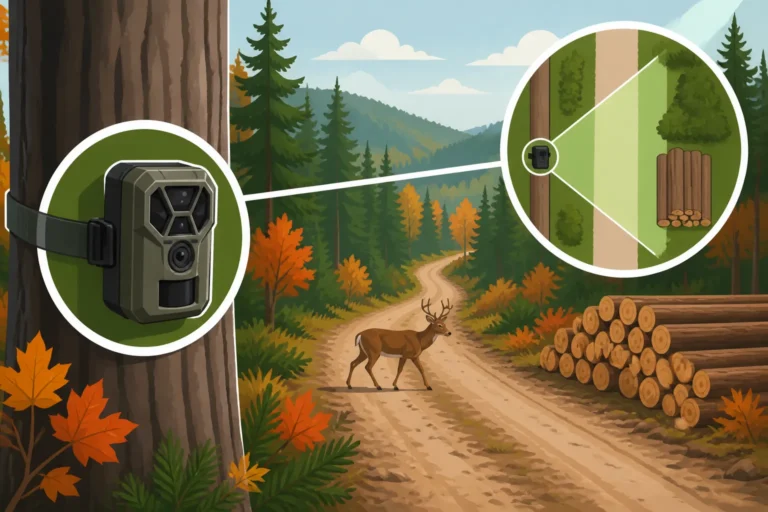
Regularly check your trail cameras. These devices are your eyes and ears in the woods, providing invaluable data on bear activity patterns. Are they coming in during legal shooting light? Are specific bears showing up consistently? Are the smaller bears cleaning out the bait before the larger ones arrive? This information is crucial for planning your final sits. A mapping application like GoHunt can help you plot out camera locations and track activity logs, making it easier to analyze patterns.
When you refresh the bait, take note of what's been eaten and how. Are the bears pawing through certain types of bait to get to others? This can give you clues on what to emphasize in your final offerings. Also, be mindful of other wildlife. While bears are your target, you might be feeding other animals too. If smaller critters are dominating your bait, consider using heavier containers or spreading out the bait to make it less accessible to them, preserving it for the bears.
Finally, keep an eye on the weather. A sudden cold snap can trigger increased feeding activity as bears rush to put on weight. Conversely, heavy rain can wash away scent, making it harder for bears to locate the site. Adjust your baiting and hunting schedule accordingly, aiming for periods of stable weather or post-rain freshness when the woods come alive with scent. For more on preparing for the elements, read our guide on Layering for New Hampshire's Cold Hunting Season.
Legal Compliance and Ethical Considerations for Late-Season Baiting
Operating a bear bait site in New Hampshire isn't just about attracting bears; it's about doing so legally and ethically. As the season nears its end, the temptation to bend the rules might arise, but adhering strictly to regulations protects both you and the privilege of baiting for all hunters.
Adhering to New Hampshire's Baiting Laws
New Hampshire Fish and Game has specific, detailed regulations governing bear baiting, and these are enforced rigorously. Beyond the WMU-specific closing dates, there are crucial rules that every baiter must follow:
- Registration: Every bear bait site must be registered with NH Fish and Game, and you must carry proof of registration.
- Signage: Each site needs to be clearly marked with signs indicating it's an active bear bait site, including your name and address.
- Setbacks: There are minimum distances your bait must be from paved roads, dwellings, and property lines. Typically, bait cannot be placed within 300 feet of a dwelling or 200 feet of a paved road. It's also critical to ensure your bait is on land where you have permission to hunt and bait, and that it's not within 25 feet of a public trail. Using a GPS-enabled mapping app like GoHunt to confirm these distances is a smart move, especially if you're near a boundary.
- Bait Type: Only specific types of bait are allowed. Generally, meat or fish products are prohibited. Focus on grains, sweets, and oils.
- Removal: As mentioned earlier, all bait and any associated materials (containers, barrels, camera stands, etc.) must be removed by the specified deadline for your WMU. This is one of the most commonly violated regulations, and wildlife officials take it very seriously.
Failing to comply with any of these rules can result in significant fines, loss of hunting privileges, and even confiscation of equipment. Always refer to the most recent New Hampshire Hunting Digest for the exact, up-to-date language of these laws. Remember, the privilege of baiting is contingent on responsible behavior, and one hunter's violation can jeopardize the method for everyone. You can learn more about specific rules when you read Baiting New Hampshire Bears Legally by WMU.
Responsible Bear Hunting Ethics and Wildlife Management
Beyond the letter of the law, there's the spirit of ethical hunting. As the season winds down, you might feel pressure to harvest a bear. This doesn't mean compromising your ethics.
- Shot Placement: Always strive for a clean, ethical shot. Bears are incredibly tough animals. If you have any doubt about shot placement, pass on the shot. A wounded bear can travel far and suffer needlessly, and tracking them can be dangerous.
- Fair Chase: While baiting is a legal method, the principles of fair chase still apply. Don't manipulate the situation in a way that creates an unfair advantage beyond the intent of the regulations.
- Respect for the Resource: Bear management in New Hampshire is a complex effort, balancing population health with hunting opportunities. Your ethical behavior contributes to the overall perception and continuation of bear hunting. By cleaning up your site thoroughly and respecting the closing dates, you're doing your part.
- Interaction with Other Hunters: If you encounter other hunters near your bait site, maintain respectful communication. The woods are large, but popular areas can get crowded. Shared courtesy ensures a positive experience for everyone.
The New Hampshire Fish and Game Department monitors bear populations closely. Your responsible hunting practices contribute to the data they collect, which in turn helps them make informed decisions about future seasons and regulations. Every bear harvested legally and ethically is a part of that larger management picture.
Post-Season Responsibilities and Site Cleanup
Once your WMU's baiting season closes, your work isn't done. In fact, one of the most critical aspects of responsible bear baiting is the comprehensive cleanup of your site. This isn't just a recommendation; it's a legal requirement and an ethical imperative that protects wildlife, the environment, and the future of bear baiting in New Hampshire.
Removing All Bait and Materials
The deadline for removing all bait and associated materials is just as important as the season closing itself. Typically, this is within five days of the baiting season's official close in your WMU, but as always, confirm this in the current hunting digest. This means a thorough sweep of your entire bait site and the surrounding area.
Think beyond just the large containers. You need to gather every scrap, every piece of spilled pastry, every candy wrapper, every last kernel of corn. Bears have an incredible sense of smell, and even a small amount of residual bait can continue to attract them, as well as other wildlife. This can lead to problem bears becoming habituated to human-provided food sources outside of hunting season, creating dangerous situations for themselves and people.
This clean-up also includes any physical infrastructure you've set up:
- Barrels and Containers: All bait barrels, buckets, and feeders must be removed.
- Stands and Blinds: If you've used a ground blind or any temporary stand specific to the bait site, take it down and pack it out. This also goes for any makeshift seats or camouflage netting.
- Trail Cameras: Retrieve all your trail cameras. Leaving them out not only makes them vulnerable to theft or damage but also creates unnecessary litter. Ensure no batteries or SD cards are left behind.
- Scent Dispensers/Lures: Any devices or materials used for scent dispersal should be collected and removed.
The goal is to leave the site as you found it, or even better. A clean site reflects positively on you as a hunter and respects the land you've been granted access to. This responsible approach is vital for the long-term health of our hunting traditions.
Minimizing Environmental Impact
Beyond legal compliance, a thorough cleanup minimizes your environmental footprint. Leaving foreign materials in the woods, even biodegradable ones, can disrupt natural processes and spoil the experience for others who use the land.
Consider the potential impacts:
- Wildlife Habituation: As mentioned, leftover bait can habituate bears and other animals, leading to conflicts with humans or changes in their natural foraging behaviors. It also provides an unnatural food source that isn't always healthy for them.
- Litter and Pollution: Non-biodegradable items like plastics, metals, and even some fabrics can persist for decades, polluting the environment. Even "natural" baits, if left in large quantities, can alter soil chemistry or attract pests beyond what is natural for the area.
- Aesthetics: Hunters are stewards of the land. Leaving a messy bait site is disrespectful to the landowner (if on private land) and other outdoor enthusiasts (if on public land). It can create a negative image of hunting in general.
- Disease Spread: Unremoved bait can become a vector for disease among wildlife, especially if it spoils or is consumed by multiple animals.
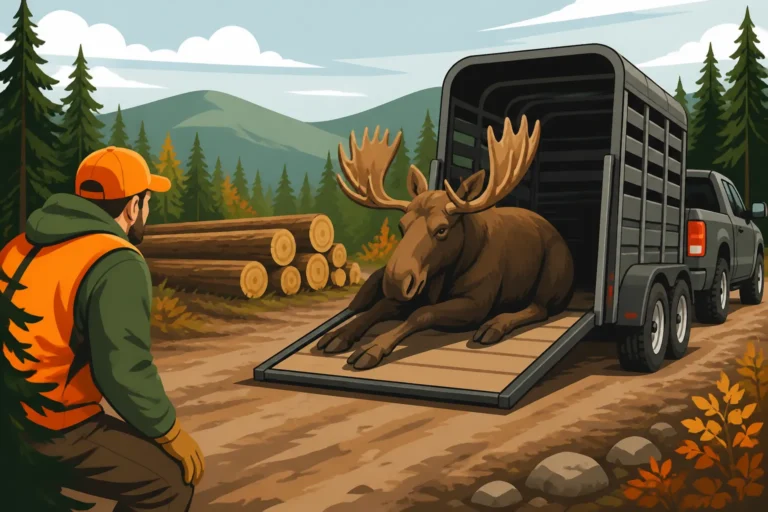
Taking the time to remove every trace of your bait site demonstrates respect for the wildlife, the habitat, and the non-hunting public. It’s a vital part of the hunting experience and ensures that future generations will have the same opportunities we do. Thinking ahead about how to efficiently remove your gear and bait can save you a lot of hassle. For instance, planning your entry and exit routes for carrying heavy items, much like you would for Packing Out a New Hampshire Moose, can make the cleanup process smoother.
The closing of the bear baiting season isn't the end of your responsibilities; it's a transition to ensuring the health and integrity of our natural resources. By understanding WMU deadlines, optimizing your late-season baiting, adhering to all laws, and meticulously cleaning up your site, you contribute to the sustainable future of New Hampshire hunting.
Disclaimer
The information provided in this article is for general guidance only and is not a substitute for official regulations. Hunting laws and dates, particularly concerning bear baiting, are subject to change annually. Always consult the most current New Hampshire Fish and Game Hunting Digest or contact the department directly for the precise and up-to-date rules and regulations specific to your Wildlife Management Unit (WMU) before engaging in any hunting activities.