Deer Drives With Three or Four Hunters
Hunting New Hampshire's dense timber and rolling terrain can feel like an impossible task when you're going it alone, especially when deer seem to vanish into thin air just as hunting pressure ramps up. Solo still-hunting is a beautiful art, but sometimes, bringing a few trusted friends into the woods can completely change your odds, especially when targeting those elusive whitetails that are masters of escape. This guide will walk you through the nitty-gritty of successfully executing deer drives with just three or four hunters, focusing on strategy, safety, and maximizing your chances in the Granite State's challenging environment.
Why Small-Group Deer Drives Work in New Hampshire
The idea of a "deer drive" often conjures images of a dozen or more hunters spread across a vast property, shouting and pushing. But in New Hampshire, where public land parcels can be broken up and terrain is frequently rugged, a smaller, more tactical approach often yields better results. With three or four hunters, you can be more agile, quieter when needed, and focus your efforts on smaller, high-potential areas that larger groups might overlook or struggle to manage effectively. It’s about precision over brute force.
Overcoming Pressure and Terrain Challenges
New Hampshire deer become incredibly wary once the season kicks into gear, especially after the initial rush of the firearms opener. They learn quickly where safe havens are, where to slip away unnoticed, and how to use the varied landscape to their advantage. From the steep, rocky slopes of the White Mountains to the swampy lowlands of the Seacoast, deer country here is anything but flat and open.
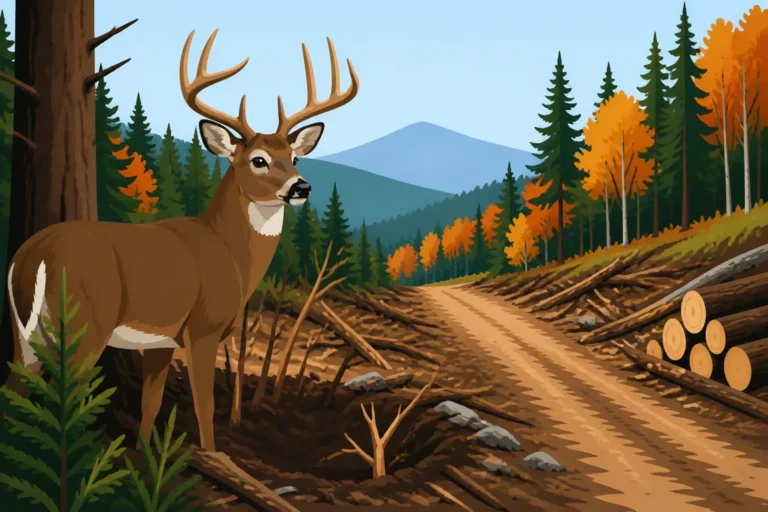
A small group drive allows you to apply concentrated pressure to a specific piece of cover, whether it’s a thick cedar swamp, a dense clear-cut, or a brushy finger of timber leading to a larger woodlot. Instead of hoping a deer stumbles into a stand, you're actively, yet carefully, moving deer from their bedding areas or feeding zones towards strategically placed standers. This becomes particularly effective when deer are holed up in thick cover, unwilling to move during still-hunting. The pressure from even two pushers can be enough to dislodge them, especially if you've done your homework scouting. This method can be incredibly effective when you are Hunting the November Firearms Opener, when deer are starting to feel the pressure and become more nocturnal.
Maximizing Limited Manpower
Let's face it, getting a large group of hunters together with conflicting schedules, different ideas on strategy, and varying levels of commitment can be a logistical nightmare. That's why the three- or four-person drive is so appealing. It's manageable. You can coordinate easily, communicate effectively, and maintain a higher level of trust and safety. Each person's role becomes critical, and the success of the drive hinges on everyone understanding their part and executing it flawlessly.
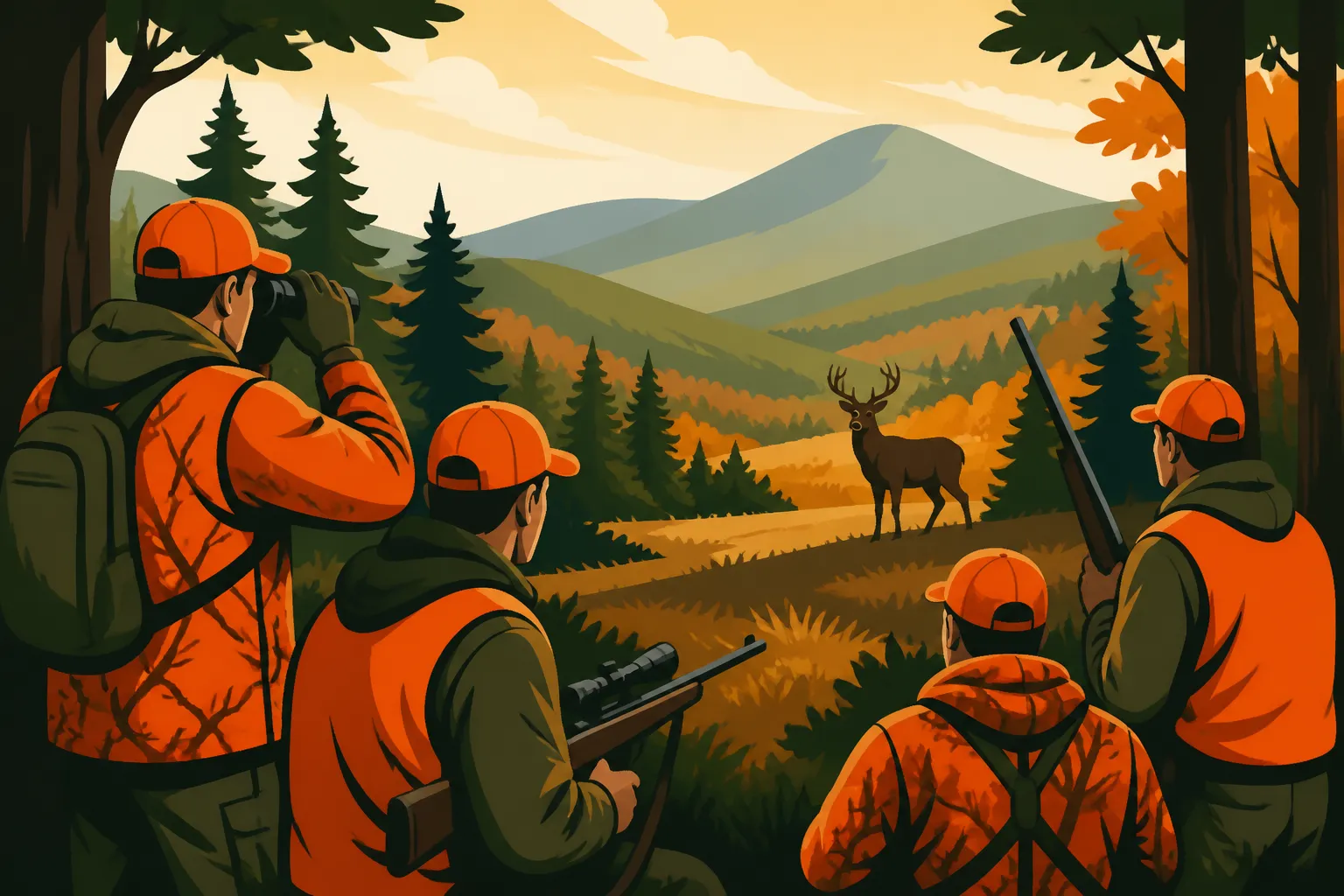
With three hunters, you might have one primary pusher and two standers, or two pushers and one stander, depending on the shape and size of the cover. With four, you gain a lot more flexibility – perhaps two pushers and two standers, allowing you to cover more escape routes or apply broader pressure. This small-scale cooperation means fewer variables and a tighter operation, which is often exactly what you need to coax a smart New Hampshire whitetail into range.
Planning Your Three- or Four-Hunter Drive
A successful deer drive isn't about aimlessly walking through the woods; it's a meticulously planned operation. This is where your off-season scouting and understanding of local deer habits truly pay off. Before you even set foot in the woods with your buddies, you need a clear, agreed-upon plan.
Scouting and Identifying Drive Lines
The foundation of any good drive is knowing the terrain and knowing the deer. Spend time before the season, or even the day before a planned drive, walking the area. Look for fresh deer sign: tracks, rubs, scrapes, and especially well-used trails leading in and out of thick cover. This is where a robust mapping tool like GoHunt or other digital scouting apps can be invaluable. Use it to identify potential bedding areas, escape routes, and natural funnels.
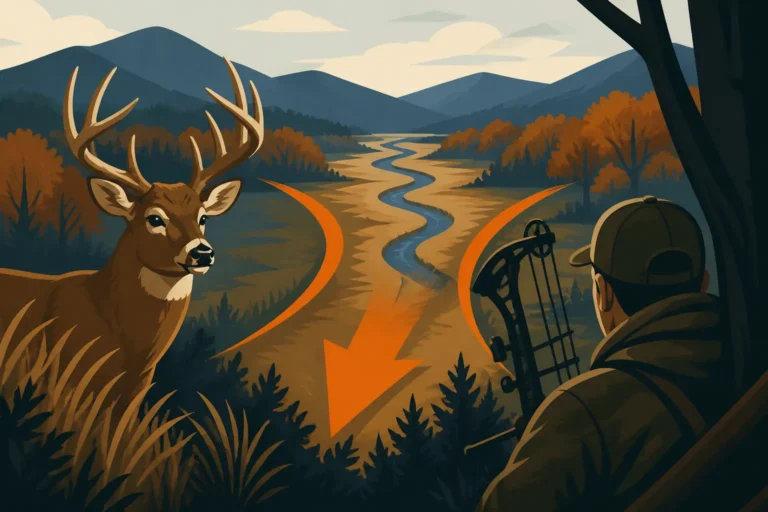
When scouting, mentally map out the "drive lines." These are the paths your pushers will take and the areas your standers will cover. Look for natural boundaries like logging roads, stone walls, creeks, or distinct changes in timber type that deer often follow. These boundaries can help funnel deer towards your standers. A great example of this is Posting a Drive Around a Woodlot where you use the woodlot's edges to your advantage. Consider factors like prevailing wind direction, which will influence both the pushers' approach and the standers' concealment. If you're targeting a specific ridge, understanding Wind and Thermals in Steep Granite Terrain is crucial for proper stander placement.
Look for key features:
- Thick Bedding Areas: These are your primary targets. Think dense pines, overgrown clear-cuts, or beaver swamps.
- Escape Routes: Deer will have preferred ways to exit these areas when pressured. Identify these well-worn paths.
- Natural Funnels: Narrow strips of cover, saddles between ridges, or crossings over natural barriers. These are prime locations for standers.
Communicating Roles and Safety Protocols
Clear communication is paramount for a safe and effective drive. Before heading into the woods, everyone needs to know their exact role. Who are the pushers? Who are the standers? What are the boundaries of the drive? What are the shooting lanes?
Roles:
- Pushers: Their job is to move slowly and deliberately, creating just enough disturbance to get deer moving. They should understand the boundaries they need to stay within and the direction they are pushing. They are often the ones who need to read the terrain in real-time, adapting their pace to the cover and potential deer movement.
- Standers: Their job is to remain absolutely still, quiet, and alert. They need to know where the pushers are coming from and what escape routes the deer are most likely to use. Their primary responsibility is to be ready for a shot at a moving deer while maintaining a safe shooting lane.
Safety Protocols (Non-Negotiables):
- Blaze Orange: Everyone must wear adequate blaze orange. Check the New Hampshire Fish and Game regulations for minimum requirements. This is not just a legal requirement; it's a life-saving measure.
- Pre-Determined Shooting Lanes: Standers must identify safe shooting lanes. Never shoot towards another hunter's position or an unknown area. Know what's beyond your target.
- Radio Communication (Optional but Recommended): Small, two-way radios can be incredibly useful for coordinating the start and end of a drive, or for alerting others to deer movement, but they must be used responsibly and sparingly to avoid spooking deer or becoming a distraction.
- "All Clear" Signal: Establish a clear signal (e.g., a specific number of shouts or a pre-determined radio phrase) that means the drive is over and it's safe for pushers to move into the stander's area.
- Know Your Target: This is critical. Ensure positive identification of your target, its sex, and legality before taking a shot. In the chaos of a drive, mistakes can happen if you're not disciplined.
- Weapon Safety: Always keep your firearm pointed in a safe direction and finger off the trigger until ready to shoot.
- Emergency Plan: Discuss what to do if someone gets lost or injured. Have a first-aid kit readily available and know basic emergency procedures.
Executing the Drive Effectively
With a solid plan and clear communication, the execution phase is where the magic happens. Remember, small-group drives are often about subtle pressure, not a full-on charge.
The Pushers: Making Intentional Noise and Movement
The goal of the pushers isn't to scare deer into a full sprint right off the bat. It's to subtly dislodge them from their beds and guide them towards the standers. Depending on the cover, this might involve a slow, deliberate walk, occasionally kicking brush, or a soft, consistent vocalization. If you find yourself in a thicket that deer love to bed in, say, an old New Hampshire Deer Wintering Yards Explained or a dense patch of hemlocks, a bit more purposeful noise might be needed.
- Pace: Start slow. Allow deer to get up and begin to walk or trot, rather than bolt. If they run full speed, they're harder to hit and more likely to blow past standers or break out of the intended funnel.
- Coverage: Pushers should maintain a consistent line, ensuring they cover the entire width of the drive area. Gaps allow deer to slip through undetected.
- Flanking: If you have two pushers, they might spread out to cover more ground or even angle slightly inward to "pinch" deer towards the middle, where standers are located.
- Reading the Woods: Pay attention to deer trails, fresh tracks, and any natural obstacles. Adjust your path to maintain pressure. If you jump a deer, try to observe its escape route and communicate it (if safe and quiet to do so) to the standers.
- Be Ready for a Shot: Pushers are also hunters. While their primary role is to move deer, they should always be alert for a deer that might try to circle back or present a quick shot within safe parameters.
The Standers: Positioning for Success
The standers are the key to the drive's success. Their patience, quietness, and keen observation skills are critical. Once in position, they should become part of the landscape. Whether you choose to be on the ground, potentially utilizing a ground blind you've brushed in, or up in a treestand, perhaps Hanging a Stand on a Granite Ridge, stillness is paramount.
- Concealment: Choose a position that offers good cover and breaks up your silhouette. Blend in with your surroundings. Use natural vegetation or, if permitted, a well-placed ground blind.
- Shooting Lanes: Have several clear shooting lanes identified in different directions. Trim small branches if absolutely necessary, but do so well before the drive starts.
- Wind Direction: Position yourself so the wind is in your face or quartering to you. Deer have an incredible sense of smell, and a shift in wind can betray your presence instantly.
- Patience and Stillness: This is perhaps the hardest part. Deer will often pause, look, and listen before committing to crossing an opening or funnel. Any sudden movement will send them packing. Resist the urge to fidget or check your phone.
- Identify Escape Routes: Mentally mark the most likely paths deer will take when approaching your position. These are often the same funnels you identified during scouting.
- Shoot Safely and Decisively: When a deer appears, take your time (but not too much time) to identify it, align your shot, and make a clean kill. In a drive situation, deer are often moving, so practice shooting at moving targets on the range.
Key Considerations for Success
Even with the best planning, deer drives have variables. Understanding these can help you adapt and increase your odds.
Understanding Deer Movement and Escape Routes
Deer are creatures of habit, but they are also incredibly adaptable. When pressured, they will often try to circle back, use thick cover to hide, or exploit any perceived weakness in your drive line. Being able to anticipate these moves is a huge advantage.
- Circling Back: Deer, especially mature bucks, will often try to circle behind the pushers and sneak out the back. Pushers need to be aware of this and maintain a consistent line.
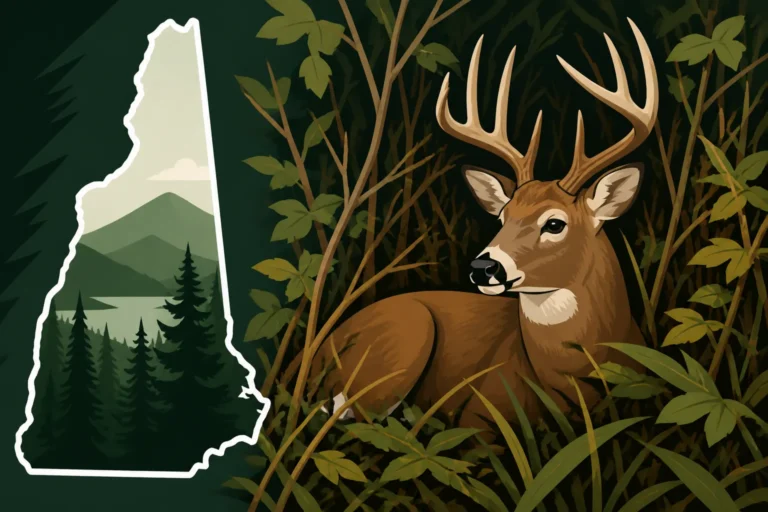
- Holding Tight: Sometimes, a deer will just "lie down" in thick cover and let the pushers walk right past. This is where patience on the part of the pushers, and a willingness to slowly work through dense areas, can pay off.
- Unforeseen Escape Routes: Deer might use a less obvious route if their primary escape paths are blocked or if they detect a stander. This is why having standers cover multiple angles and pushers maintain a wide, steady front is important. Knowing how to Reading New Hampshire Mud for Fresh Deer Movement can give you clues about these routes.
A successful small-group drive relies on continuous assessment. If a deer slips through, learn from it. Adjust your tactics for the next push. Perhaps you need an extra stander on a certain flank, or the pushers need to move through a specific thicket more slowly.
Weather, Wind, and Post-Drive Strategy
The elements always play a role in hunting, and deer drives are no exception.
- Weather: Overcast, damp, or lightly snowing days are often ideal. They mute sounds, make tracks easier to read, and can keep deer moving. Heavy rain or strong winds can make it hard to hear deer approaching and reduce visibility. Snow, however, can be a huge asset for tracking. If you successfully get a deer down, knowing how to Tracking a Deer in Fresh White Mountain Snow can be a game-changer.
- Wind: We've mentioned it, but it bears repeating: wind direction is critical. Pushers should generally work with the wind (or cross-wind) to carry their scent away from the deer they are trying to move, while standers need the wind in their face to conceal their scent from approaching deer. Use a wind checker often.
- Post-Drive Strategy: Once the drive is complete, gather safely. Discuss what happened. Did you see deer? Did they break out? Where? This feedback is invaluable. If a shot was taken, immediately begin to track. Always assume a hit and follow up thoroughly. Knowing how to Blood Trailing After Dark in New Hampshire is a skill every hunter should possess. If you're fortunate enough to take a deer, the work continues with processing. For those successful in colder weather, knowing how to Field Dressing a Deer in Cold Weather is essential. Afterward, don't forget to report your harvest, whether it's Registering a New Hampshire Deer Online or at a physical station if you're in the New Hampshire Firearms Blackout Registration Days.
| Role | Primary Responsibility | Key Tactics | Safety Focus |
|---|---|---|---|
| Pusher | Move deer from bedding areas towards standers | Slow, consistent pace; intentional noise/movement; maintain line; adapt to terrain; observe escapees | Blaze orange, safe weapon carry, "all clear" communication |
| Stander | Remain concealed and stationary; intercept deer | Stillness; wind awareness; identify shooting lanes; positive target ID; quick, decisive shot | Blaze orange, clear shooting lanes, never shoot towards pushers |
With careful planning, clear communication, and a disciplined approach, a small deer drive with three or four hunters can be an incredibly effective and rewarding way to pursue whitetails in the diverse and challenging landscapes of New Hampshire.
Disclaimer
Please ensure you are fully aware of and adhere to all current New Hampshire Fish and Game Department regulations, including licensing, season dates, bag limits, blaze orange requirements, and any specific rules for public or private land. Hunting safety should always be your top priority. This guide is for informational purposes only and does not supersede official state hunting regulations.