Best Bear Spray for North Country Backcountry
Heading into New Hampshire's vast North Country backcountry, whether you're chasing deer, calling in moose, or simply enjoying the rugged beauty, the thought of an unexpected bear encounter can be a very real and unsettling concern for many. It's a land where bears truly roam, and while most encounters are fleeting glimpses of a disappearing backside, sometimes a situation can escalate rapidly, leaving you scrambling for a solution. This comprehensive guide will walk you through everything you need to know about selecting, carrying, and effectively using bear spray to keep yourself safe in the Granite State's wild places.
The Unwelcome Truth: Why Bear Spray Matters in New Hampshire's North Country
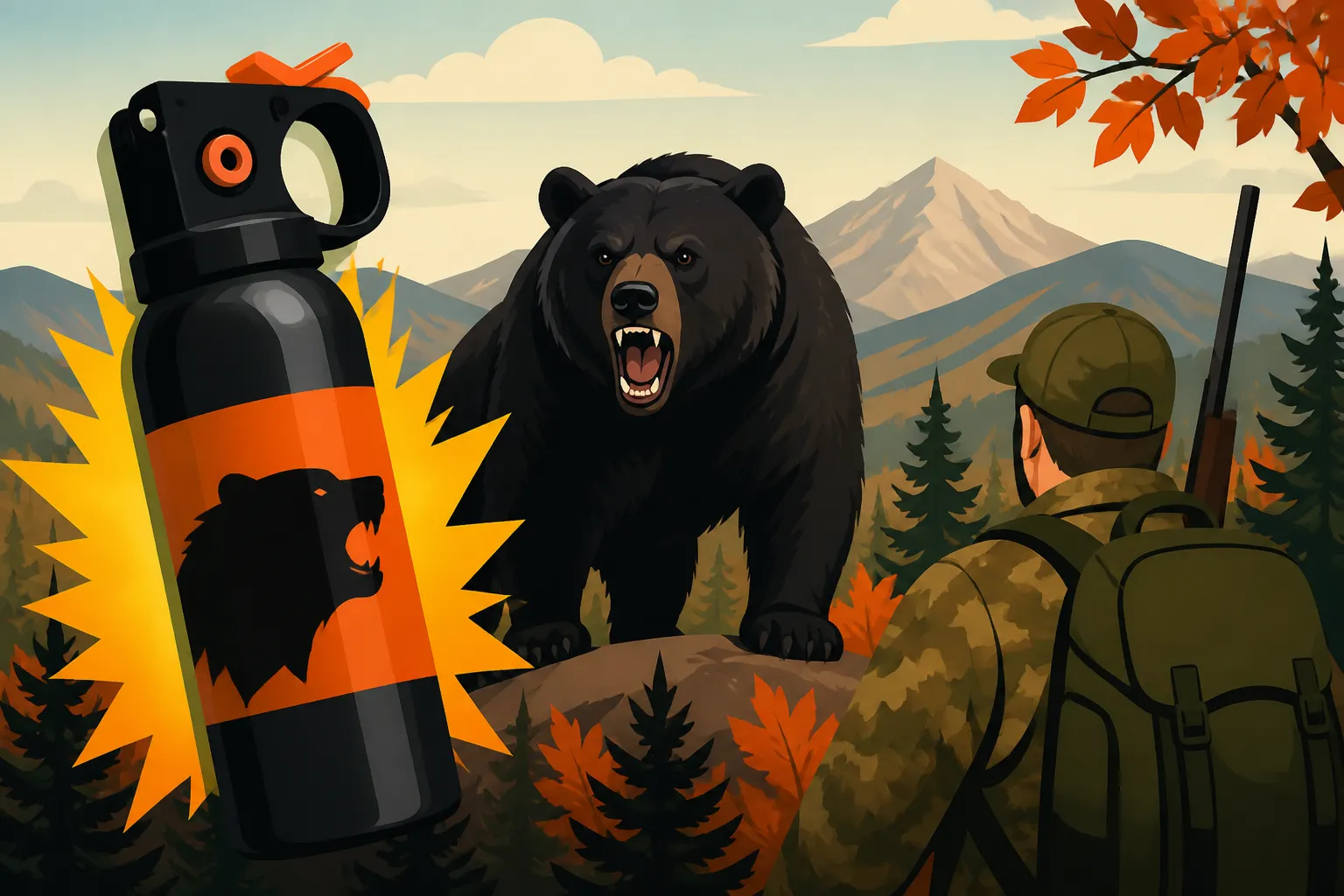
Let's face it, when you're out in the deep woods of the North Country, the last thing you want to think about is a confrontation with a bear. But ignoring the possibility doesn't make it go away. New Hampshire has a healthy and growing black bear population, and while black bears are generally shy, they are still powerful wild animals. They can be unpredictable, especially if surprised, if they have cubs, or if they're habituated to human presence and food. Carrying bear spray isn't about being paranoid; it's about being prepared for those rare, high-stress moments when mere deterrence isn't enough. It's a tool, much like your first aid kit or a reliable compass, that you hope you never have to use but are profoundly grateful to have if the moment calls for it.
Understanding Bear Behavior and Encounter Scenarios
Black bears in New Hampshire typically want nothing to do with people, but sometimes circumstances can put you in a tough spot. Imagine you're still-hunting quietly through a dense spruce thicket in Pittsburg and suddenly round a bend to find a sow and her cubs digging for grubs. Or perhaps you're packing out a quartered moose from deep in the woods near the Connecticut Lakes and a curious bear, drawn by the scent, decides to investigate your hard-earned game. These are the scenarios where a bear's natural instinct to protect its young or its food source can override its shyness.
Sometimes, a bear might simply stand its ground out of curiosity or a lack of fear, especially if it's encountered humans frequently. It's crucial to understand the difference between a curious bear and a defensive one. A defensive bear might huff, swat the ground, or make short bluff charges. These are warnings, and knowing how to react – speaking firmly, making yourself look big, and having your bear spray ready – can de-escalate the situation. Panicking, running, or turning your back can often trigger a chase instinct, which is exactly what you want to avoid.
Bear Spray vs. Firearms: A Critical Decision
This is a discussion many hunters have, and it's important to approach it with a clear head. While many of us carry firearms for hunting, their effectiveness as a defensive tool against an attacking bear is often misunderstood. In a sudden, close-range bear encounter, deploying a firearm accurately and effectively under extreme stress is incredibly difficult. Studies and real-world incidents have shown that bear spray has a higher success rate in deterring bear attacks and causing less injury to both human and bear.
Think about it: in a chaotic, fast-moving situation, you need a tool that creates a large, immediate barrier. Bear spray disperses a powerful cloud of capsaicin and related capsaicinoids (the active ingredient in chili peppers) that irritates a bear's eyes, nose, and respiratory system. This gives you precious seconds to escape, and it does so without causing permanent harm to the animal. A firearm, on the other hand, requires precise shot placement to stop a charging animal, and even then, a wounded bear can be incredibly dangerous. For many, including wildlife professionals, bear spray is considered the primary and most effective deterrent against aggressive bears, especially when you're looking for a non-lethal solution that prioritizes safety for everyone involved. For specific regulations around firearms in the backcountry, resources like New Hampshire Legal Firearms for Deer Hunting can be helpful.
Decoding Bear Spray: Ingredients, Range, and Effectiveness
Bear spray isn't just a bigger version of personal pepper spray. It's specifically formulated and regulated for use against bears, with higher concentrations of active ingredients and a greater spray volume and range. Understanding these specifics can make all the difference when you're trying to choose the right product and rely on it in a critical situation.
The Potent Power of Capsaicin and Related Capsaicinoids
The "heat" in bear spray comes from capsaicin and related capsaicinoids (CRCs). These are the compounds found naturally in chili peppers that give them their spicy kick. Bear spray typically contains a concentration of CRCs between 1.0% and 2.0%, which is significantly higher than most human-grade pepper sprays. When dispersed, these compounds irritate the bear's mucous membranes (eyes, nose, mouth) and respiratory system, causing temporary blindness, difficulty breathing, and an intense burning sensation.
It's this immediate, overwhelming sensory assault that causes the bear to disengage and retreat. The key here is temporary and non-lethal. The goal isn't to permanently injure the bear, but to create enough discomfort and confusion for it to break off its charge and allow you to get away safely. While checking specific product details, remember that a higher CRC concentration within the legal and recommended range generally means more effective determent.
Spray Patterns and Effective Ranges
Bear spray canisters come designed to deliver their potent payload in one of two main patterns: a fog/cone or a stream. For defensive use against a moving, charging bear, a cone-shaped spray is generally preferred. This wide dispersion pattern creates a "wall" of irritant that is easier to hit a moving target with, especially when you're under immense stress and adrenaline is pumping. You don't need pinpoint accuracy; you're creating a barrier.
The effective range is also critical. Most bear sprays have a range of 25 to 35 feet, giving you a crucial buffer zone. This range allows you to deploy the spray before the bear is right on top of you, providing those few extra seconds needed to create distance. A shorter range means you have less time to react and less margin for error. When you're thinking about Best Backpack Frame for a Quartered Moose or Packing Meat Out of a North Country Bog, also consider where your bear spray will be for quick access.
Shelf Life and Storage Considerations
Like any chemical product, bear spray has a shelf life, typically around 3-4 years. The active ingredients can degrade over time, making the spray less effective. Always check the expiration date stamped on the canister and replace it before it expires. This isn't a piece of gear you want to skimp on or take chances with.
Proper storage is also vital. Extreme temperatures can affect the canister's pressure and the spray's effectiveness. Avoid leaving your bear spray in direct sunlight, in a hot car, or exposed to freezing temperatures for extended periods. When not in use, store it in a cool, dry place. In the backcountry, keep it protected from the elements, but always readily accessible. You can often find durable holsters or cases that offer some protection while keeping it handy.
Choosing Your Lifeline: Selecting the Right Bear Spray Canister
With a better understanding of how bear spray works, you're ready to think about what kind of canister is best suited for your adventures in New Hampshire's backcountry. This isn't just about grabbing the first one you see; it's about choosing a reliable tool that fits your needs and can be deployed when seconds count. Many outdoor enthusiasts use resources like the GoHunt app to research gear and read reviews, helping them make informed choices about everything from optics to safety equipment.
Canister Size and Carrying Options
Bear spray typically comes in canisters ranging from about 7.9 to 10.2 ounces (or 225-290 grams). A larger canister usually means more spray duration, giving you more bursts or a longer continuous spray, which can be reassuring in a high-stakes scenario. However, bigger also means heavier and bulkier.
The most important factor is accessibility. The best bear spray in the world won't help you if it's buried in your backpack. You need a carrying system that keeps it instantly accessible. Common options include:
- Chest Holsters: These are popular among hikers and hunters as they keep the canister front and center, allowing for quick, one-handed deployment. It's often worn over your jacket or backpack straps.
- Belt Holsters: These attach to your belt or the hip belt of your backpack. While accessible, they can sometimes be obstructed by pack straps or clothing layers.
- Handlebar Mounts: For those on ATVs or bikes, specific mounts keep the spray within easy reach.
Think about how you'll be traveling in the backcountry. If you're backpacking, a chest holster might be ideal. If you're on shorter day trips, a belt holster might suffice. The GoHunt app can sometimes provide insights into popular carrying methods among hunters and adventurers in different regions, offering practical advice on gear setup.
Safety Mechanisms and Ease of Deployment
Every bear spray canister has a safety mechanism designed to prevent accidental discharge. These usually involve a small plastic clip or tab that must be removed or flipped before the spray can be deployed. While crucial for safety during transport, this mechanism must be easy to disengage quickly under immense pressure.
When you're choosing a canister, practice removing the safety (without pressing the trigger!) to get a feel for it. Can you do it with one hand? In the dark? With gloves on? The ideal safety mechanism is intuitive and quick, allowing you to deploy the spray in a fraction of a second when a bear is charging. Look for designs that are bright, easy to grip, and simple to manipulate, even if your hands are shaking with adrenaline.
Brands and Reputation
While I can't recommend specific brands, it's wise to look for bear spray products that are widely recognized and have a strong reputation for reliability and effectiveness. These products are typically subject to rigorous testing and meet specific criteria for active ingredient concentration and spray performance. Always ensure the product you choose is EPA-approved and clearly labeled for use against bears.
Reading reviews from other backcountry users, particularly those who recreate in similar environments like New Hampshire's White Mountain National Forest or the expansive public lands of the North Country, can provide valuable insights. Look for comments on ease of use, durability of the canister and holster, and real-world performance (even if it's just about having it ready). Organizations focused on wildlife safety often provide guidance on choosing effective bear spray, emphasizing the importance of a proven product.
Beyond the Purchase: Mastering Bear Spray Deployment and Preparedness
Buying bear spray is only the first step. To truly be prepared for a bear encounter, you need to understand how to use it, practice deploying it, and know what to do immediately afterward. This kind of preparedness is essential for anyone venturing into areas like the North Country where encounters are a possibility, and for anyone considering options like Best First Aid Kit for a Remote Hunt or Best Satellite Communicator for North Country Land for their general safety plan.
Practicing for the Moment of Truth
You wouldn't head out on a New Hampshire's November Firearms Deer Season hunt without sighting in your rifle, right? The same principle applies to bear spray. While you shouldn't discharge a full canister for practice (it's expensive and wasteful, not to mention hazardous), you can and should practice the motion of deployment.
- Dry Drills: With an expired or inert practice canister (some brands sell these, or you can use an empty, cleaned one), practice pulling it from your holster, removing the safety, aiming, and going through the motion of spraying.
- Wind Assessment: Crucially, always be aware of wind direction. When a bear is charging, you need to spray with the wind at your back, or at least across you, not into your face. In a real encounter, quickly assess the wind. If the wind is blowing towards you, you might need to try to reposition slightly or aim lower to avoid getting a backsplash.
- Target Practice: If you can get an inert canister, practice aiming at a specific spot on a simulated charging target (like a cardboard cutout). The goal isn't necessarily to hit the bear directly in the face, but to create a cloud that the bear will run into. Aim slightly low, for the bear's chest area, as it closes the distance. The spray should create a large, irritating cloud directly in its path.
Remember, the moment a bear decides to charge, your adrenaline will spike. Muscle memory from practice will be your best friend.
Post-Deployment Actions and Clean-up
If you've had to deploy your bear spray, the immediate priority is to escape the area as quickly and calmly as possible. Once the bear has disengaged and you have a clear path, retreat while continuing to monitor the bear's behavior. Do not run, but move briskly and deliberately away from the encounter zone.
Once you are safely away, you'll need to think about the used canister. It's now empty or partially empty, but still contains residual capsaicinoids.
| Item | Action Before Use | Action During Use | Action After Use |
|---|---|---|---|
| Canister | Check expiration date, ensure proper storage. | Deploy quickly, aim for charging bear's chest/face. | Dispose of responsibly, monitor area for bear activity. |
| Holster | Secure to chest/belt for quick access. | Keep bear spray in holster until needed. | Re-holster (if safe) or secure empty canister. |
| Safety Clip | Practice quick removal with one hand. | Remove swiftly in the moment of attack. | Re-engage (if possible) for safe transport of empty can. |
| Personal Gear | Keep pack secured, avoid strong food odors. | Create distance, back away calmly. | Clean any contaminated gear, change clothes if necessary. |
| Awareness | Scan surroundings, know wind direction. | Yell loudly while spraying, maintain eye contact. | Report encounter to authorities if aggressive behavior. |
Do not just toss it aside. The remnants can attract wildlife. If possible, seal it in a scent-proof bag and pack it out to dispose of it properly. If any spray got on your clothing or gear, it's best to isolate those items and clean them thoroughly when you return home, as the scent could potentially attract curious animals. Consider carrying a small, sealed bag specifically for a used canister.
Legalities and Regulations
It's important to understand that bear spray is generally legal to carry in New Hampshire for self-defense against animals. Unlike pepper spray intended for human assailants, bear spray is classified as a pesticide by the EPA, and its sale and use are regulated under that framework.
However, rules can always vary. It's always a good idea to consult the New Hampshire Fish and Game Department's official regulations or website for the most current information regarding carrying defensive sprays in hunting or backcountry areas. When using resources like the GoHunt app for trip planning, it's always a good practice to double-check local regulations. Never assume that regulations for one type of defensive spray are the same for another. Furthermore, remember that using bear spray on a human is illegal and could lead to serious legal consequences, so it must only be used as a last resort in a genuine bear attack scenario. This guide focuses on its intended use as a deterrent for wildlife.
Navigating the vastness of New Hampshire's backcountry means being prepared for all possibilities, and a thoughtful approach to bear safety is part of that preparedness. Knowing your gear, practicing its use, and understanding bear behavior will make you a more confident and responsible outdoors enthusiast.
Disclaimer
This article is for general informational purposes only and does not constitute professional advice. Laws, prices and regulations vary by location and change over time. Consult a qualified professional for guidance on your specific situation.