Sabot Choices for a Ten-Day Muzzleloader Season
Stepping into New Hampshire's ten-day muzzleloader season, you know every single detail matters. From the damp chill of late fall to the crunch of fallen leaves underfoot, it's a short, intense window where you're trying to outwit a Big Woods whitetail with a single, well-placed shot. The frustration isn't just about finding the deer; it's about making absolutely sure your gear is dialed in, and nothing causes more head-scratching than choosing the right sabot. This guide is all about cutting through the confusion, helping you understand the nuances of sabot choices, and confidently select the perfect projectile for your New Hampshire muzzleloader hunt.
Understanding the New Hampshire Muzzleloader Season's Unique Demands
The Granite State's muzzleloader season is a special time, often bridging the gap between archery and the full-on firearms season, or sometimes even extending after it. It’s a period characterized by changing weather, potentially deeper woods, and often, more wary deer. Choosing your sabot isn't just about what's available on the shelf; it's about understanding the specific conditions and regulations of hunting here in New Hampshire.
The Ten-Day Window: Why Every Shot Counts
New Hampshire's muzzleloader season is often a tight window, usually about ten days. This isn't a long, drawn-out affair where you have weeks to refine loads or endlessly re-sight. You've got to be ready to go, and your confidence in your projectile is paramount. Think about those crisp mornings when the air is still, and you've been sitting for hours. Suddenly, a mature buck slips through the timber at 70 yards. That's your moment. There's no second shot with a traditional muzzleloader setup in the same quick timeframe as a repeater. The pressure is on, and if you're questioning whether your sabot will fly true or perform reliably, that hesitation can cost you. It's why meticulous preparation, especially concerning your ammunition, is so incredibly important for this brief, yet exciting, hunting opportunity. You want to ensure that when that opportunity presents itself, your single shot is as accurate and effective as possible. For more on maximizing this short timeframe, check out Hunting New Hampshire's Muzzleloader-Only Ten Days.
Weapon Restrictions and Muzzleloader Types
New Hampshire has specific regulations regarding what constitutes a legal muzzleloader for deer hunting. Generally, we're talking about firearms that are loaded from the muzzle, using a single projectile and black powder or a safe substitute. This usually means no modern inline muzzleloaders that can use 209 primers and smokeless powder, as those would effectively turn them into single-shot rifles, blurring the lines with the regular firearms season. You need to verify your specific setup with the current New Hampshire Fish and Game Department digest, but typically, percussion caps, flintlocks, or musket caps are the ignition systems. This focus on traditional or near-traditional muzzleloading means that ballistic performance and sabot fit become even more critical. You're not pushing bullets at incredibly high velocities, so efficient energy transfer and precise accuracy from a lower velocity projectile are absolutely essential for a clean, ethical harvest. Understanding these restrictions is the first step in narrowing down your sabot options.
Terrain and Target: What Are You Hunting?
New Hampshire offers incredibly diverse hunting terrain, from the thick, dark softwoods of the North Country to the hardwood ridges of the Monadnock Region, and even agricultural fringes further south. Each presents its own challenges. Are you hoping for a close-range shot in dense cedar swamp cover, where a heavy, slow-moving bullet might be perfect for punching through light brush? Or are you hunting an open logging cut where a 100-yard shot isn't out of the question, demanding a sabot-bullet combination known for its flat trajectory and accuracy? And let's not forget the target itself: white-tailed deer. While New Hampshire deer aren't bears or moose, they are incredibly tough animals. You need a sabot and bullet that will reliably expand or mushroom, creating a quick, humane kill. The ideal sabot for a big, rutting buck in a hardwood bottom might be different from what you'd choose for a doe in a more open field setting. It's about tailoring your choice to the conditions you expect to encounter and the game you're pursuing.
The Anatomy of a Muzzleloader Sabot
Before we dive into specific types, let's get a solid understanding of what a sabot actually is and why it's so fundamental to modern muzzleloading, especially with projectile choices that weren't traditionally designed for these firearms.
What Exactly is a Sabot?
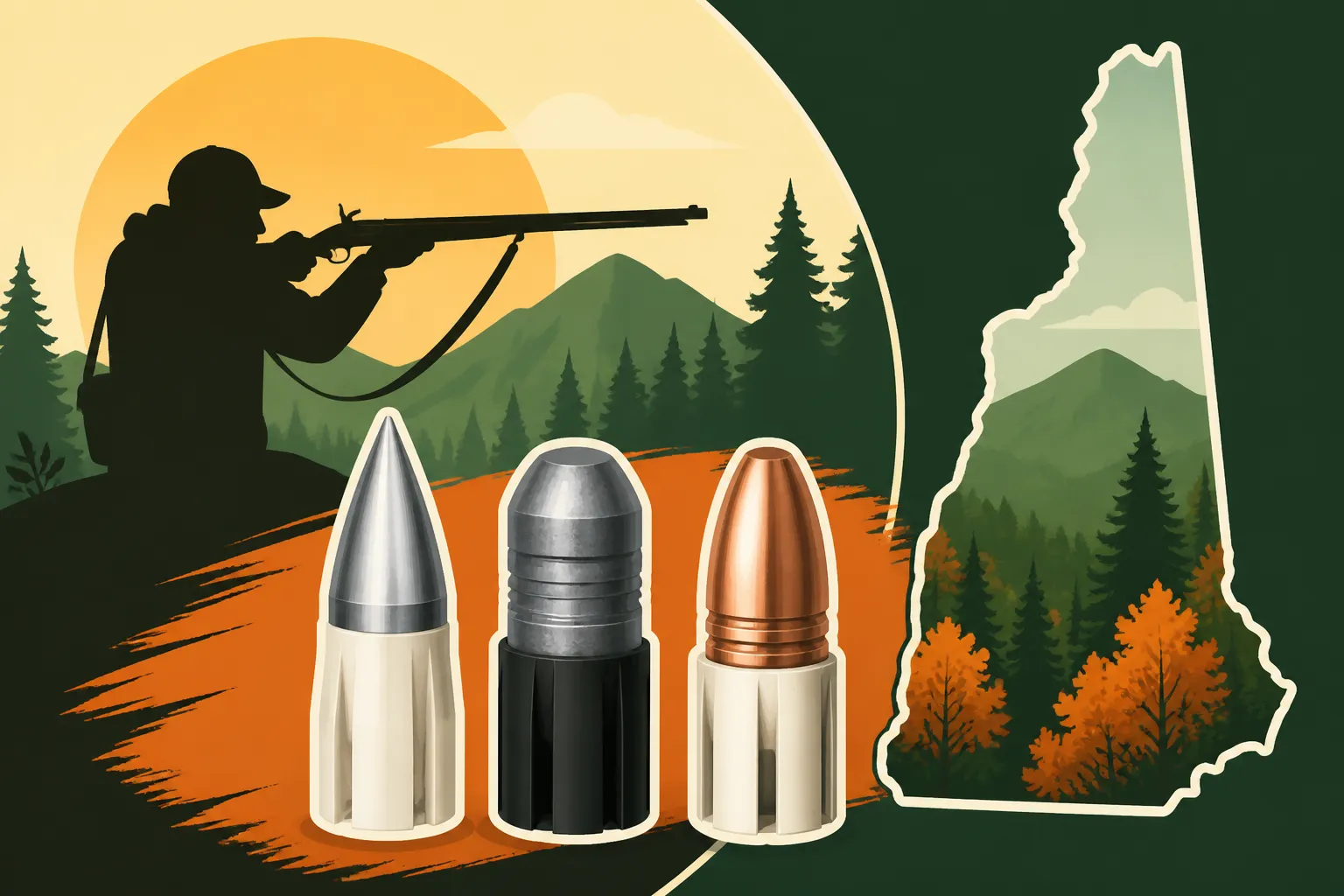
The word "sabot" comes from a French word meaning a shoe or clog, and it perfectly describes its function. In muzzleloading, a sabot is typically a plastic sleeve or cup that encases a smaller-diameter projectile. Imagine a .45 caliber muzzleloader barrel, but you want to shoot a .40 or .429 caliber bullet designed for a handgun or rifle. A sabot fills that space. It allows you to use sleek, aerodynamic bullets that wouldn't otherwise fit snugly in your barrel. The sabot acts as a gas seal, preventing propellant gases from escaping past the bullet, which is crucial for maximizing velocity and consistency. Upon exiting the barrel, the sabot peels away due to air resistance and centrifugal force, allowing the smaller, more ballistically efficient bullet to continue its flight path. Without sabots, you'd be largely limited to traditional patched round balls or full-bore conical bullets, which have their place, but don't offer the same modern ballistic performance.
The Importance of Fit and Material
The fit of your sabot in your muzzleloader barrel is absolutely paramount. It needs to be snug enough to create a tight gas seal and engage the rifling, but not so tight that it's nearly impossible to load consistently in hunting conditions, especially if your barrel fouls quickly. A proper fit ensures maximum velocity, prevents gas blow-by, and stabilizes the projectile as it travels down the bore. Too loose, and you'll get poor accuracy and reduced velocity. Too tight, and you'll struggle to load quickly and efficiently, a major drawback when seconds count, or in a cold, gloved hand.
The material of the sabot also plays a role. Most are made from various types of plastic polymers. Some are softer, designed to deform and seal easily, while others are stiffer for heavier bullets or higher pressures. You might find two sabots of the same diameter from different manufacturers that feel completely different during loading. This is where testing at the range comes in; what loads easily for one hunter might be a bear for another, even with the same gun. Remember, consistency in loading is directly tied to consistency in accuracy.
Common Sabot Types
While the basic function is the same, sabots come in a few common configurations, mainly determined by the type of bullet they are designed to hold.
- Cup Sabots: These are perhaps the most common, featuring a cup-like base that holds the bullet's rear. They often have petals that open up to release the bullet. These are versatile and work with a wide range of bullet designs.
- Split Sabots: These sabots are already split into two or four "petals" along their length. When the powder ignites, the petals expand to seal the bore, and then peel away easily once the projectile leaves the muzzle.
- "Crush Rib" Sabots: Some sabots feature small ribs or rings around their circumference. These ribs are designed to "crush" or compress slightly as they are loaded, providing a tight fit without requiring excessive force. This can be particularly helpful for consistency and ease of loading, especially in barrels with slightly varying bore dimensions.
- Full-Form Sabots: Less common with modern rifle bullets, these are essentially a plastic sleeve that completely encases a conical bullet, often designed for specific proprietary bullets. For most hunters, the cup or split sabot designed for standard pistol/rifle bullets will be the primary focus. The material is almost universally a high-density plastic, engineered to withstand the pressure of ignition and then shed quickly.
Popular Sabot-Bullet Combinations for New Hampshire Deer
Now that we understand what a sabot is, let's look at the types of projectiles you'll likely be pairing with them for your New Hampshire hunt. The goal is always the same: accuracy, sufficient energy, and reliable expansion for an ethical kill.
Conical Bullets with Sabots
Before the widespread use of sabots, conical bullets were the go-to for many muzzleloaders who wanted something more substantial than a round ball. However, many modern conical bullets, particularly those made of pure lead or lead alloys, are still very effective, and some can be used with sabots to improve accuracy or to load a slightly undersized conical.
One of the main benefits of heavy, traditional conical bullets is their weight. A heavy lead conical carries a lot of momentum, which translates to excellent penetration, even at lower muzzleloader velocities. When paired with a sabot, if designed correctly, you can achieve better gas sealing and potentially more consistent flight than with a traditional patched conical. For example, some hunters might use a lighter, jacketed conical designed for pistol use, but "sabot" it up to fit their larger muzzleloader bore. The downside can sometimes be a less aerodynamic shape compared to modern spire-point bullets, leading to a more pronounced trajectory drop at longer ranges. However, for the typical New Hampshire woods shot, often within 100 yards, a properly saboted conical can be incredibly deadly, providing deep penetration and significant energy transfer.
Jacketed Hollow Points and Polymer Tips
This is where sabots truly shine, allowing muzzleloader hunters to harness the incredible terminal ballistics of modern rifle and handgun bullets. Manufacturers like Hornady, Barnes, and Nosler produce bullets specifically designed for rapid, controlled expansion, and many of these are available in calibers perfectly suited for saboting in a .50 or .45 caliber muzzleloader.
- Jacketed Hollow Points (JHPs): These bullets feature a soft lead core encased in a copper jacket, with an exposed lead cavity at the tip. They are designed to expand dramatically upon impact, creating a wide wound channel. For New Hampshire deer, a .40 or .429 caliber JHP (like a .40 S&W or .44 Magnum bullet) saboted into a .50 caliber muzzleloader can be devastatingly effective. The expansion creates rapid energy transfer, often resulting in a quick, humane harvest.
- Polymer-Tipped Bullets: These are essentially jacketed bullets with a ballistic polymer tip that fills the hollow point cavity. The tip improves aerodynamics, leading to a flatter trajectory, and also initiates expansion reliably upon impact. Bullets like the Hornady SST or Barnes T-EZ are prime examples. These bullets offer the best of both worlds: good ballistics for potential longer shots (though "long" is relative in muzzleloading) and consistent, controlled expansion. They are often a top choice for hunters looking for maximum performance and accuracy from their muzzleloader. When researching options, a resource like GoHunt can provide useful comparisons on bullet types and their characteristics.
Saboted Lead and Copper Projectiles
Beyond jacketed options, solid lead and copper bullets are also popular choices, each with their own merits.
- Pure Lead or Lead Alloy Saboted Bullets: Some companies offer pure lead or lead alloy bullets specifically designed to be saboted. These often have different profiles than traditional conicals and are engineered for reliable expansion at muzzleloader velocities. The advantage of lead is its density and ability to deform readily. However, lead-based bullets can sometimes fragment more, or retain less weight than copper or jacketed options, depending on the design. For hunters in areas where lead-free projectiles are preferred or required, these might not be the primary choice.
- All-Copper Saboted Projectiles: Bullets like the Barnes Expander MZ are made from 100% copper. These are prized for their exceptional weight retention and deep penetration. Copper bullets mushroom beautifully without fragmenting, often retaining nearly 100% of their original weight. This means they punch through bone and tissue with authority, often creating two holes (entry and exit) for excellent blood trails. For New Hampshire hunters concerned with maximum penetration and reliable performance on a quartering-away shot or through heavy bone, all-copper saboted projectiles are an excellent, ethical choice. They also address concerns about lead in game meat, which is a growing consideration for many hunters.
Here's a quick comparison of common sabot-bullet types:
| Projectile Type | Characteristics | Pros | Cons | Typical Use Case |
|---|---|---|---|---|
| Traditional Conical (Saboted) | Heavy, often pure lead, generally blunt profile | Deep penetration, high momentum at close range, good energy transfer | Poorer aerodynamics, significant trajectory drop at range | Dense cover, close-to-medium range, heavy timber |
| Jacketed Hollow Point (JHP) | Lead core, copper jacket, exposed hollow tip | Rapid, wide expansion, good energy dump, reliable terminal performance | Can fragment at high velocities (less common in muzzleloaders) | General purpose, medium range, quick energy transfer |
| Polymer-Tipped | Lead core, copper jacket, polymer tip | Excellent aerodynamics, flat trajectory, controlled expansion | Slightly more expensive, can be velocity-dependent for expansion | Longer shots, open areas, maximum accuracy |
| All-Copper (e.g., Barnes) | Solid copper construction, designed for expansion | Exceptional weight retention, deep penetration, ethical exit wounds | Less energy dump than rapidly expanding JHPs, higher cost | Quartering shots, heavy bone, lead-free zones |
Matching Your Sabot to Your Muzzleloader and Conditions
Choosing a sabot isn't just about picking a fancy bullet; it's about a holistic approach that considers your specific firearm, the propellant you use, and the unpredictable New Hampshire weather. It's a system, and every component needs to work in harmony.
Bore Diameter and Twist Rate Considerations
Your muzzleloader's bore diameter and rifling twist rate are probably the two most critical factors in determining what sabot and bullet combination will perform best.
- Bore Diameter: Muzzleloaders aren't always perfectly uniform. A .50 caliber barrel from one manufacturer might have slightly different internal dimensions than another. This is why some sabots fit easily, and others are a struggle. The goal is a "thumb-push fit" or slightly more resistance when loading, not so loose it rattles, and not so tight you need a hammer. If a sabot is too small, you'll lose gas seal, velocity, and accuracy. If it's too large, you'll fight it every step of the way, making follow-up shots (should you need to reload) nearly impossible in a hunting scenario. It's often worth trying a few different brands of sabots and bullets to see what loads best in your specific barrel.
- Twist Rate: This refers to how quickly the rifling in your barrel makes one full rotation (e.g., 1:28 means one rotation in 28 inches). Slower twist rates (like 1:48 or 1:60) are often better suited for traditional round balls or shorter, heavier conical bullets. Faster twist rates (like 1:28 or 1:24) are generally required to stabilize longer, more aerodynamic modern bullets when used with sabots. Trying to shoot a long, polymer-tipped bullet from a slow-twist barrel will likely result in "keyholing" (bullets tumbling through the air) and terrible accuracy. Know your muzzleloader's twist rate, as it will significantly narrow down the optimal bullet length and weight that your rifle can stabilize. A resource like GoHunt can often help you research manufacturer specs if you're unsure about your specific rifle's twist rate.
Powder Charges and Velocity
The type and amount of propellant you use directly impact the velocity of your sabot-bullet combination, and consequently, its accuracy and terminal performance.
- Propellant Type: Are you using a traditional black powder, or a synthetic substitute like Pyrodex or Triple Seven? Each has different burn characteristics. Synthetic substitutes are generally cleaner and can produce higher velocities for a given volume. Consistency in your powder charge is just as crucial as sabot fit. Use a powder measure, not just pouring from the flask, to ensure each load is identical.
- Charge Weight: Always start with the manufacturer's recommended minimum loads and work up incrementally, never exceeding maximum recommendations. A higher powder charge can increase velocity, but it doesn't always improve accuracy. In fact, many muzzleloaders have a "sweet spot" where a certain powder charge provides the best groups. Too much powder can cause excessive recoil, increased fouling, and actually decrease accuracy by stressing the bullet-sabot combination. For modern saboted bullets, you often need sufficient velocity to ensure reliable expansion upon impact. If your bullet is designed to expand at 1500 fps, but your low powder charge only pushes it at 1200 fps, it might not perform as intended on a deer. Experimentation at the range with varying powder charges is essential.
Weather and Environmental Factors
New Hampshire's muzzleloader season is often held in late fall, which means you could encounter anything from crisp, sunny days to cold, driving rain or even early snow. These conditions absolutely impact your gear.
- Temperature: Cold weather can affect powder ignition and velocity, albeit subtly. More importantly, it can make plastics stiffer and more brittle. A sabot that loads fine in your warm garage might be a pain in the neck when the temperature drops into the teens.
- Moisture: Rain, snow, and even heavy dew can wreak havoc on black powder and ignition systems. While modern muzzleloaders are more weather-resistant than historical models, moisture can still get into your powder charge or cap, causing misfires or hangfires. A damp barrel can also affect sabot-to-bore friction. For this reason, many hunters specifically choose sabots that protect the bullet from moisture and load relatively easily, even when the barrel is slightly damp or fouled. Using a water-resistant powder, and ensuring your primer/cap is sealed, is critical. For tips on keeping your muzzleloader dry, you might find Keeping a Muzzleloader Dry in Late-Fall Rain very helpful.
- Fouling: Black powder and its substitutes leave a good amount of fouling in the barrel after each shot. This fouling can quickly build up, making successive shots harder to load and affecting accuracy. Some sabots, particularly those made of softer plastics, might be more forgiving with fouling. Others might become incredibly tight after just one or two shots, requiring a thorough swab between each shot for consistent accuracy. This is a huge consideration for the ten-day season where you might not have time for extensive cleaning between hunting days.
Testing and Fine-Tuning Your Sabot Load
You can read all the articles and watch all the videos, but there’s simply no substitute for getting out to the range and seeing what your specific muzzleloader, with your chosen sabot and powder combination, actually does. This is where confidence is built.
Range Practice: The Only Way to Know
Your range is your laboratory. Don't assume a load that works for your buddy's identical muzzleloader will work for yours. Every firearm is an individual. You'll want to purchase a few different brands and types of sabots and bullets. Start with modest powder charges and shoot groups at 50 yards, then 75, then 100. Pay close attention not just to where the bullets hit, but how they load. Is it a consistent, firm push, or does it feel "sticky" or overly tight? Are you struggling to seat the bullet fully? These are all indicators that need to be addressed. Note every detail: powder type and charge, sabot brand, bullet type and weight, and the ambient temperature. This information will be invaluable as you narrow down your choices. You can't truly be ready for Hunting the November Firearms Opener if you haven't put in the work at the range with your muzzleloader.
Grouping and Consistency
The ultimate goal of range practice is achieving consistent groups. For deer hunting, particularly in New Hampshire's often dense cover, if you can reliably put three shots within a 3-inch circle at 100 yards, you're in excellent shape. Consistency is key here. One great group followed by two poor ones isn't confidence-inspiring. Look for a combination that consistently performs. If you notice flyers (shots that significantly deviate from the group), try to diagnose the cause. Is it inconsistent loading? A loose sabot? Powder residue buildup?
A common mistake is trying too many variables at once. Change one thing at a time: either the powder charge, or the bullet type, or the sabot brand. Document your results meticulously. It's a process of elimination and refinement. Remember, your muzzleloader is a single-shot firearm, so every shot counts. Consistency at the range translates directly to confidence in the field.
Cleaning and Maintenance for Optimal Performance
Muzzleloaders are notorious for fouling, especially after shooting black powder or its substitutes. This fouling can dramatically affect subsequent shots, making loading difficult and accuracy suffer.
- Between Shots: For best accuracy during range sessions, and definitely if you plan to attempt a second shot while hunting (though typically only one is realistic in a quick hunting scenario), swabbing the bore clean between shots is crucial. A damp patch (with a specialized muzzleloader cleaner or even just rubbing alcohol) followed by a dry patch will remove most of the fouling. Some hunters even use a mixture of water and dish soap, followed by drying and oiling.
- Post-Shooting: After any shooting session, a thorough cleaning is non-negotiable. Black powder residues are corrosive and will quickly pit and damage your barrel if not removed. Take the time to disassemble your breech plug, clean all powder residue, and lightly oil all components. Pay special attention to the breech plug, as powder residue loves to build up in its nooks and crannies. A clean, well-maintained muzzleloader is a reliable muzzleloader, and reliability is what you need for New Hampshire's ten-day season. Proper cleaning also helps ensure that the sabot fits consistently every time you load it, preventing variations in accuracy.
Navigating Brands and Making Your Final Choice
The market is flooded with options, and it can feel overwhelming. Knowing what to look for and how to evaluate different products will save you time, money, and frustration.
What to Look for in a Quality Sabot
When you're evaluating sabots, here are some key things to consider:
- Consistent Fit: This is #1. It should load with firm, consistent pressure. Too loose, and it won't seal properly. Too tight, and you'll struggle, especially in cold or high-stress situations. You want a consistent 'feel' with every push down the barrel.
- Bullet Retention: The sabot needs to hold the bullet securely enough during loading and ignition, but release it cleanly upon exiting the barrel. If the bullet is rattling around in the sabot, or the sabot is damaging the bullet, accuracy will suffer.
- Clean Separation: A good sabot separates cleanly from the bullet shortly after leaving the muzzle. If it "stays with" the bullet too long, or separates erratically, it can negatively impact accuracy.
- Material Quality: Look for sabots made from durable, yet flexible plastics. Cheap, brittle sabots can break during loading or foul the barrel excessively. Some premium sabots are designed with special lubricants or compounds to reduce fouling.
- Manufacturer Reputation: Brands like Hornady, Barnes, Harvester, and Thompson/Center have spent years refining their sabot and bullet designs. Sticking with reputable manufacturers often increases your chances of success. When comparing different options, a platform like GoHunt can be invaluable for finding detailed specifications and user reviews, helping you to make informed decisions before you buy.
Reading Reviews and Hunter Experiences
One of the best ways to narrow down your choices is to tap into the collective experience of other New Hampshire hunters. Online forums, hunting blogs, and product reviews can offer invaluable insights. Look for patterns:
- Specific Muzzleloader Models: Does a particular sabot-bullet combination consistently get rave reviews for your make and model of muzzleloader?
- Loading Ease: Many reviews mention how easy or difficult a particular sabot is to load. This is a significant factor in the field.
- Accuracy: Hunters often share their group sizes at various distances. Look for consistent reports of good accuracy.
- Terminal Performance: Did the bullet expand reliably? Was there an exit wound? What kind of blood trail did it leave? This "real-world" feedback can be incredibly helpful.
However, always take individual experiences with a grain of salt. What works perfectly for one hunter might not for another due to variations in their firearm, cleaning regimen, or loading technique. Use reviews as a guide, not gospel.
Cost Versus Performance: Finding the Sweet Spot
Muzzleloader sabots and bullets aren't cheap, especially when you factor in the cost of propellant and primers. It's easy to get caught up in the idea that the most expensive option must be the best, but that's not always true.
- Initial Investment: You'll likely buy a few different boxes of sabots and bullets for testing. View this as an investment in your hunting success and ethical harvesting. It’s part of the preparation for Muzzleloader Deer Hunting in New Hampshire.
- Value for Money: Consider the cost per shot. A slightly more expensive sabot that consistently groups 1-inch tighter than a cheaper alternative is often worth the extra expense. What's the value of a confident, ethical shot? Far more than a few extra dollars on ammunition.
- Availability: While not directly about cost, if a sabot performs perfectly but is impossible to find, it's not a viable long-term solution. Factor in availability when making your final choice.
Ultimately, the "sweet spot" is the sabot-bullet combination that provides the best consistent accuracy and terminal performance for your specific muzzleloader, at a price point you can live with, and that you can readily acquire. Don't be afraid to try different options and spend a little extra on range time. The confidence you gain knowing your muzzleloader is dialed in is priceless when that New Hampshire buck steps into your shooting lane during the ten-day season.
Disclaimer
This article is for general informational purposes only and does not constitute professional advice. Laws, prices and regulations vary by location and change over time. Consult a qualified professional for guidance on your specific situation.