Best In-Line Muzzleloader for Wet Fall Weather
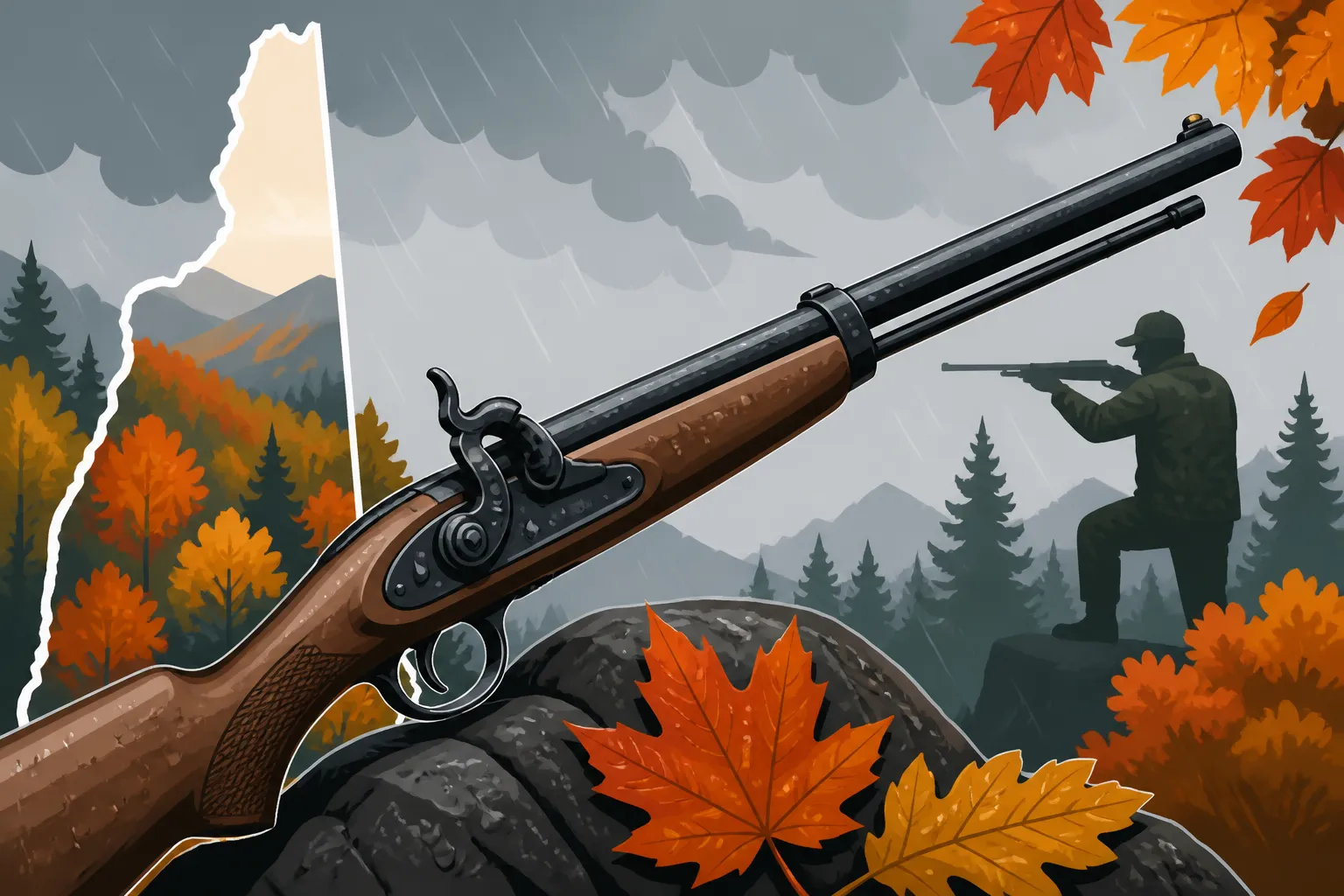
Hunting New Hampshire's unpredictable fall weather with a muzzleloader can be incredibly challenging. There's nothing quite like meticulously preparing for a long, cold sit, only to have a persistent drizzle or a sudden downpour turn your reliable inline into a finicky relic. The fear of a misfire when that big buck finally steps out is a real frustration that can haunt any hunter. This guide is all about equipping you with the knowledge to choose and prepare an inline muzzleloader that laughs in the face of wet New Hampshire fall weather, ensuring your hunt isn't ruined by a little moisture.
The Unique Challenges of Wet Weather Muzzleloader Hunting in New Hampshire
New Hampshire's fall weather is notoriously fickle. One day you might have crisp, clear skies, and the next you're facing a relentless, bone-chilling rain or even an early-season snowfall. For muzzleloader hunters, this isn't just an inconvenience; it's a direct threat to the reliability of their firearm. Understanding why wet weather is such a problem is the first step to overcoming it.
Moisture's Impact on Powder and Primers
The primary vulnerability of any muzzleloader in wet conditions lies with the black powder or its synthetic substitutes, and especially the primers. Modern inline muzzleloaders have come a long way in sealing these components, but they are not entirely foolproof. Even a tiny bit of moisture can wreak havoc, leading to heartbreaking scenarios in the field.
Imagine you've spent hours still-hunting a timber stand in the White Mountain National Forest, carefully navigating wet leaves and slick granite, when a persistent drizzle turns into a steady rain. You know a deer could appear at any moment. If that moisture infiltrates your powder charge, it can clump the powder, reduce its burn rate, or even render it inert. The same goes for primers; if water gets into the primer pocket or compromises the sealing around a 209 shotshell primer, you might hear a faint "click" instead of the powerful roar you expect. This isn't just a missed shot; it's a wasted opportunity, and for many, a year's worth of anticipation dashed in an instant. This is a common concern during Hunting New Hampshire's Muzzleloader-Only Ten Days, which often occurs during some of our nastiest weather.
Corrosion and Fouling from Exposure
Beyond the immediate concern of a misfire, prolonged exposure to moisture, especially without proper maintenance, can lead to more insidious problems: rust and increased fouling. Black powder and its substitutes are inherently corrosive, and when combined with moisture, they can accelerate rust formation on metal components. This is particularly true for carbon steel barrels and actions if they aren't adequately protected.
Even stainless steel, while more resistant, isn't immune if neglected. Rust can pit the bore, affecting accuracy, and can seize up moving parts, making loading and firing difficult. Furthermore, wet conditions can exacerbate fouling buildup. When powder residue gets damp, it can create a sticky, abrasive paste that's harder to clean and contributes to premature wear. The frustration isn't just in the field, but also back at camp or home, facing a firearm that needs significant, immediate attention to prevent lasting damage. This highlights why proper care, like that discussed in Keeping a Muzzleloader Dry in Late-Fall Rain, is paramount.
Essential Features for a Wet-Weather Inline Muzzleloader
When you're out there braving the elements, you need a muzzleloader that's built to withstand everything New Hampshire's fall can throw at it. It's not just about a pretty finish; it's about crucial design choices that ensure reliability when the skies open up.
Sealed Primer Systems
This is arguably the most critical feature for wet-weather performance. A truly effective sealed primer system keeps moisture away from the primer itself, ensuring consistent ignition. While traditional musket caps are quite exposed, modern inline muzzleloaders often utilize 209 shotshell primers, and how they are sealed makes all the difference.
Look for designs that completely encapsulate the 209 primer or feature a robust breech plug and firing pin assembly that creates a tight seal. Some systems use an O-ring or a cup that fits snugly over the primer, physically blocking water from reaching it. Others incorporate a specific "primer pocket" design that minimizes exposure. When you're dealing with a fine mist that seems to get everywhere, or a steady downpour, this seal is your first line of defense against a dreaded "click" instead of a "bang." A well-sealed primer system provides peace of mind, knowing that the most vulnerable part of your ignition chain is protected, allowing you to focus on the hunt, even when the weather is less than ideal. Choosing a Muzzleloader for the Ten-Day Season often comes down to these reliability factors.
Corrosion-Resistant Finishes and Materials
New Hampshire's wet climate demands materials and finishes that can stand up to moisture without succumbing to rust. While classic blued steel might look traditional, it requires meticulous care in wet conditions. For serious wet-weather hunting, you'll want something more robust.
Stainless steel barrels and receivers are a popular choice because of their inherent resistance to corrosion. They don't rust as easily as carbon steel, making them a much more forgiving option when moisture is unavoidable. Beyond stainless, many manufacturers now offer advanced protective coatings like Cerakote or similar polymer-ceramic finishes. These finishes are incredibly durable, providing an additional layer of protection over both carbon and stainless steel, effectively sealing the metal from moisture and chemicals. They come in various colors, including matte black, FDE, and even camo patterns, but their primary benefit is the enhanced corrosion resistance. When paired with a synthetic stock, these finishes create a muzzleloader that can truly shrug off rain, sleet, and even slush, making cleanup easier and extending the life of your firearm.
Synthetic Stocks and Ergonomics
While beautiful, traditional wood stocks can swell, warp, and absorb moisture, affecting accuracy and the overall fit of the rifle in wet conditions. For wet-weather hunting, a synthetic stock is the way to go. These stocks are typically made from durable polymers or composite materials that are impervious to moisture.
A synthetic stock won't swell and change point of impact when it gets wet, meaning your accuracy remains consistent regardless of the weather. They are also much lighter and often more robust than wood, able to withstand bumps and scrapes in the dense New Hampshire woods without showing significant damage. Furthermore, many synthetic stocks are designed with enhanced ergonomics in mind, featuring textured grip panels or rubberized overmolds. These features provide a much more secure and comfortable grip, even when your hands are cold, wet, or gloved. This improved handling is crucial when you're navigating slippery terrain or needing a steady hold for a shot, making the muzzleloader feel secure in your hands no matter how foul the weather gets.
Top Inline Muzzleloader Design Considerations for New Hampshire Hunts
Beyond specific features, the overall design and action type of an inline muzzleloader play a significant role in its wet-weather performance and ease of use in the field. When you're considering a new muzzleloader for New Hampshire, thinking about how these design elements work together is crucial.
Break-Action vs. Bolt-Action Designs
The action type of your inline muzzleloader greatly influences how well it handles wet weather and how easy it is to manage in the field. Both break-action and bolt-action designs have their proponents, and each offers distinct advantages and disadvantages when moisture is a factor.
Break-Action Muzzleloaders: These are often favored for their simplicity and quick access to the breech. To load or unload, you simply "break" the action open, much like a shotgun. This design allows for very easy cleaning of the breech plug and barrel, which is a huge plus after a wet hunt. Many break-actions also feature robust, enclosed primer systems that can be well-sealed against moisture. The downside can be that the breech area, when open, is more exposed to falling rain during loading, but with care, this can be mitigated. Their straightforward operation makes them intuitive, especially for those who appreciate a less complicated design.
Bolt-Action Muzzleloaders: These operate much like a centerfire rifle, with a bolt that cycles to open and close the breech. Bolt-actions often boast a very tight and secure breech seal, as the bolt completely encloses the primer area when closed, offering excellent protection against moisture intrusion. This can make them incredibly reliable in adverse conditions. However, cleaning the breech area can sometimes be a bit more involved compared to a break-action, requiring more attention to detail to ensure all powder residue is removed from the bolt and receiver recesses. Some hunters also find them a bit slower to load or unload compared to the immediate accessibility of a break-action.
Barrel Fluting and Length
The barrel of your muzzleloader isn't just about accuracy; its design can also play a role in how it handles wet conditions and how practical it is to carry through thick New Hampshire timber.
Fluting: Fluted barrels feature longitudinal grooves machined into the barrel's exterior. While primarily intended to reduce weight and increase surface area for cooling, fluting can also have a minor benefit in shedding water. The grooves allow water to run off the barrel more readily, rather than sheeting across the entire surface. This can help prevent water from pooling, especially if you're carrying the rifle horizontally. It's a small detail, but in persistent wet conditions, every little bit helps in keeping moisture off critical components and making the rifle a bit lighter to shoulder when trudging through deep snow or mud, potentially making a difference when Still-Hunting White Mountain National Forest Timber.
Length: Barrel length is a trade-off. Longer barrels can theoretically offer slightly better velocity and accuracy, but they are also more cumbersome in dense cover and can snag on branches, potentially knocking off rain covers or introducing moisture. Shorter, handier barrels (say, 24-26 inches) are often preferred for New Hampshire's thick woods. They are easier to maneuver through brush and can be brought to bear on a target more quickly, which is crucial when visibility is limited by rain or fog. The reduced length also means less exposed surface area for moisture to collect on, making them a more practical choice for hunters who spend a lot of time on the move in varied terrain.
Breech Plug Design for Easy Cleaning and Sealing
The breech plug is the heart of your inline muzzleloader's ignition system, and its design is paramount for both reliability in wet weather and ease of maintenance. A good breech plug will ensure consistent ignition and be easy to remove and clean after a hunt.
Sealed Designs: Modern inline muzzleloaders often feature breech plugs designed for 209 shotshell primers, and the interface between the primer and the plug is critical. Some plugs feature a recessed pocket that the primer seats into, providing a level of protection. Others might include an O-ring or a conical taper that creates a gas-tight seal when the action is closed. This seal is vital for preventing moisture from traveling down the firing pin channel and reaching the primer or powder charge. An inferior seal can be a source of constant frustration in damp conditions.
Ease of Removal and Cleaning: After a long day of hunting in the rain, the last thing you want is a breech plug that's difficult to remove due to fouling. Look for plugs that are designed for tool-less removal or require only a simple wrench. Some plugs have large, knurled surfaces for easy hand-removal, while others might use a T-handle wrench. A plug that can be quickly and easily removed facilitates thorough cleaning of the breech area and firing pin channel, which is essential for preventing corrosion and maintaining optimal performance. A well-designed plug will have fewer nooks and crannies for fouling to accumulate, simplifying the post-hunt ritual and ensuring your muzzleloader is ready for the next wet day.
Preparing Your Muzzleloader for New Hampshire's Wet Fall Weather
Even the best-designed muzzleloader needs proper preparation to perform reliably when the rain is coming down. It's not just about cleaning; it's about anticipating the challenges and taking proactive steps to safeguard your firearm.
Pre-Season Maintenance and Water Testing
Before you ever step foot into the soggy woods, a thorough pre-season check and some proactive measures can save you a world of trouble. Think of it as waterproofing your entire system.
Start by completely disassembling your muzzleloader, including removing the breech plug. Clean every component meticulously, ensuring there's no old fouling or corrosion. Pay special attention to the bore, the breech plug, and the firing pin channel. Once clean, apply a high-quality, corrosion-inhibiting lubricant or grease to all metal parts, especially the threads of the breech plug and any moving parts of the action. Don't forget to protect the exterior with a good gun oil or wax. Next, assemble the rifle and perform a "water test." This isn't about submerging it, but about simulating rainfall. Load a primer (no powder or bullet!) and then, using a spray bottle set to a fine mist, spray water over the breech area from various angles. After a few minutes, open the action and check the primer for any signs of moisture. If it's dry, your seals are likely good. If you see water, you know where to focus your attention for better sealing or consider component upgrades. Websites like GoHunt are great for researching user reviews on how different muzzleloaders fare in real-world wet conditions, offering insights you might not get from manufacturer specs alone.
Protecting Components During the Hunt
Once you're in the field, constant vigilance is key to keeping your muzzleloader dry. It’s easy to get complacent, but even a few minutes of exposure can be enough to compromise a shot.
A simple, yet highly effective method is to use a barrel cover. This could be a specialized muzzleloader cover, a piece of electrical tape over the muzzle (remove before firing, of course!), or even a balloon stretched over the end of the barrel. These prevent water from running down the bore, which is a common pathway for moisture to reach your powder. For the breech area, consider a sturdy action cover or even a piece of stretchable, waterproof fabric that can be easily pulled back when it's time to shoot. Many hunters also carry a small, waterproof pouch with extra, pre-primed breech plugs or a small container of dry primers, just in case. Always store your muzzleloader with the muzzle pointed down when leaning it against a tree or in your stand to allow water to run off rather than into the action. During heavy rain, keep your rifle tucked under your arm or inside your rain gear as much as possible, only exposing it when actively moving or expecting a shot.
| Component | Wet Weather Challenge | Solution |
|---|---|---|
| Powder | Clumping, reduced ignition | Sealed breech plug, barrel cover |
| Primer | Misfire, hangfire | Enclosed 209 primer system, O-rings |
| Bore/Barrel | Rust, increased fouling | Stainless steel, Cerakote, regular oil |
| Action | Rust, stiffness | Corrosion-resistant finish, frequent oil |
| Stock | Swelling, warping | Synthetic material, sealed wood |
| Hands/Grip | Slippery, cold | Textured synthetic stock, gloves |
Post-Hunt Cleaning and Drying Protocols
The hunt isn't over until your muzzleloader is properly cared for, especially after a wet outing. Neglecting post-hunt cleaning in damp conditions is a recipe for rust and long-term damage.
As soon as you return from the field, whether it's back to camp or home, initiate a thorough cleaning process. Don't wait until the next day. Start by removing the breech plug and completely disassembling the rifle. Use a cleaning solution specifically designed for black powder substitutes, as it's formulated to neutralize corrosive salts. Run patches through the bore until they come out clean, paying attention to the rifling. Clean the breech plug, firing pin, and all internal action components. After cleaning, ensure every part is completely dry. This is critical. Use compressed air, a hairdryer on a low setting, or simply allow components to air dry in a warm, dry environment. Once completely dry, reapply a protective layer of gun oil to all metal surfaces, inside and out. Reassemble your muzzleloader, and if you plan to store it for an extended period, consider wiping it down with a silicone-impregnated cloth or storing it in a dehumidified gun safe. This diligent post-hunt routine is just as important as your pre-season prep in ensuring your muzzleloader remains reliable for seasons to come.
Ammunition and Components for Consistent Wet-Weather Performance
The finest muzzleloader in the world is only as good as the components you load into it. When facing New Hampshire's wet fall weather, choosing the right primers, powder, and projectiles is crucial for maintaining consistent performance and ensuring a successful hunt.
Choosing Reliable Primers and Powder
The combination of your primer and powder is the ignition system of your muzzleloader, and both need to be impervious to moisture for reliable firing. Selecting high-quality, weather-resistant options can make a real difference.
Primers: For inline muzzleloaders, 209 shotshell primers are almost universally used. However, not all 209 primers are created equal in terms of their weather resistance. Some brands offer "magnum" or "waterproof" versions that feature a stronger crimp and a more robust sealing compound around the primer cup. These can offer an extra layer of protection against moisture. It's also wise to ensure your chosen primer fits snugly into your breech plug, creating a tight seal. Carry your primers in a waterproof container, like a small, sealed plastic box or a specific primer dispenser, to prevent them from absorbing ambient moisture, even if they seem well-sealed from the factory.
Powder: While traditional black powder is historically potent, many modern hunters opt for black powder substitutes like Hodgdon Triple Seven or IMR White Hots. These often come in granular or pelletized forms. For wet weather, pelletized powders (like Hodgdon Triple Seven Pellets or Pyrodex Pellets) can offer a slight advantage. They are typically more consistent in their charge weight and, because they are compressed, some hunters believe they are less susceptible to ambient moisture than loose powder. Regardless of your choice, ensure your powder is stored in its original, sealed container until immediately before loading. In the field, consider carrying single-use powder vials or charges that are pre-measured and sealed to prevent moisture exposure before loading.
Projectiles and Sabots for All-Weather Accuracy
Once your powder ignites, the projectile needs to fly true. Wet weather can sometimes affect projectile seating or the integrity of sabots, which can lead to accuracy issues.
Projectiles: Modern muzzleloader bullets come in a wide array of designs, from pure lead conicals to jacketed, polymer-tipped bullets. For wet weather, the key is consistency. Choose a bullet that loads smoothly but snugly into your bore. Any excessive friction or looseness can be exacerbated by moisture, affecting shot consistency. Jacketed bullets, like those found in Barnes or Hornady lines, tend to be less susceptible to moisture affecting their aerodynamics or integrity compared to exposed lead. However, many pure lead projectiles, especially those with lubricating grooves, also perform exceptionally well.
Sabots: If you're using sabots (the plastic cup that allows a smaller-diameter bullet to be fired from a larger bore), their quality is paramount. A high-quality sabot will create a tight gas seal and separate cleanly from the bullet after leaving the muzzle. Moisture can sometimes affect the flexibility or grip of cheaper sabots, potentially leading to inconsistent separation. Some sabots are designed with specific ribbing or materials to enhance gas sealing and consistent performance. When loading in wet conditions, take care to seat the bullet and sabot firmly and squarely, ensuring no water is trapped beneath. A consistent ramrod stroke is crucial to prevent powder compression issues, which can be further complicated by dampness. Best Sabot for a Wet-Weather Muzzleloader Hunt will often focus on these details.
Field Strategies for Muzzleloader Hunting in Inclement Weather
Having the right gear is only half the battle. Knowing how to effectively hunt with your muzzleloader when New Hampshire's weather turns sour is equally important. These strategies can help you maximize your chances of success and ensure your equipment remains functional.
Choosing Your Stand and Approach
When hunting with a muzzleloader in wet conditions, particularly in New Hampshire's diverse terrain, your approach and stand selection become even more critical. Every decision you make can impact your firearm's reliability and your ability to make an ethical shot.
Consider the prevailing wind and thermals, especially in the undulating hills of the Monadnock Region or along river bottoms. Rain often masks scent, but it also carries it. Positioning yourself downwind of likely travel corridors, pinch points, or food sources like old apple orchards is essential. When selecting a tree stand or ground blind, prioritize locations that offer some overhead cover. A thick pine, a dense hemlock grove, or even a rock overhang can provide a crucial reprieve from constant rain, keeping both you and your muzzleloader drier. If using a ground blind, ensure it's fully waterproof and consider brushing it in extra thick to shield against blowing rain. Access routes should be chosen to minimize noise on wet leaves and slick rocks, especially if you're navigating steep granite terrain. Use maps like those available through GoHunt to scout potential areas that offer natural cover and favorable wind currents, even in less-than-ideal weather.
Maintaining Your Shot Opportunity
The moment of truth with a muzzleloader is fleeting, and even more so in wet weather. Keeping your rifle ready and yourself prepared is key to capitalizing on a deer sighting.
Throughout your sit, keep your muzzleloader as protected as possible. A simple barrel condom or a piece of electrical tape over the muzzle is a must to prevent water from entering the bore. Some hunters carry a small, waterproof scope cover that can be quickly removed. If you're in a stand, keep the action protected under your rain gear or a dedicated cover. Periodically, especially after heavy rain, discreetly check your breech plug and primer area for moisture. A quick wipe down with a dry cloth can prevent issues. When a deer approaches, the process needs to be smooth and deliberate. Slowly and quietly remove any covers. Take extra care to ensure your scope lenses are clear; a quick swipe with a lens cloth can make all the difference. Practice this sequence beforehand so it becomes second nature. Remember that range estimation can be tricky in fog or rain, so having a good rangefinder is always wise. Making your single shot count in these conditions requires intense focus and preparation.
Tracking and Recovery in Wet Conditions
Making the shot is just the beginning; tracking and recovering your animal in wet New Hampshire weather presents its own set of challenges. Rain can quickly wash away blood trails, making diligence and persistence absolutely vital.
After the shot, pay very close attention to where the animal was standing and its direction of travel. Mark these spots mentally or physically. Resist the urge to immediately jump up and pursue; give the animal time to lie down, especially with a muzzleloader, which often has a slightly slower projectile speed than a modern centerfire rifle. Wait at least 30-45 minutes, longer if you have doubts about the shot placement. When you begin tracking, move slowly and deliberately. Rain can dilute and wash away blood, so look for disturbed leaves, broken twigs, turned-over moss, and tracks in soft earth or mud. Even small specks of blood on the underside of leaves can indicate a trail. Use a bright, high-quality headlamp, even during daylight hours, as it can often make blood stand out better against damp foliage. If the trail becomes sparse, expand your search in circles around the last confirmed sign. Consider bringing a tracking dog if legal and available, as their keen sense of smell can overcome a washed-out trail. Know your terrain, and be prepared for a difficult recovery, particularly if the animal heads towards a beaver flowage or a steep ravine. Tracking a Deer in Fresh White Mountain Snow is a different challenge, but the principles of persistence remain.
Disclaimer
This article is for general informational purposes only and does not constitute professional advice. Laws, prices and regulations vary by location and change over time. Consult a qualified professional for guidance on your specific situation.