Best Pack for a Nine-Day Moose Hunt
Embarking on a nine-day moose hunt in New Hampshire's rugged North Country is a dream for many, but the reality of spending more than a week deep in the wilderness brings with it a whole host of logistical challenges. One of the biggest hurdles hunters face is simply figuring out how to carry all the necessary gear, sustain themselves for an extended period, and, if successful, haul out hundreds of pounds of moose meat. This guide will walk you through the crucial considerations for choosing and preparing the absolute best pack to make your once-in-a-lifetime New Hampshire moose hunt a successful and manageable adventure.
The Unique Demands of a New Hampshire Moose Hunt Pack
A nine-day moose hunt isn't your typical day trip for whitetails. We're talking about serious time in the backcountry, often far from any roads or easy access. This means your pack isn't just carrying snacks and a thermos; it's your lifeline, your portable home, and potentially, your meat hauler.
Capacity for Extended Stays and Diverse Gear
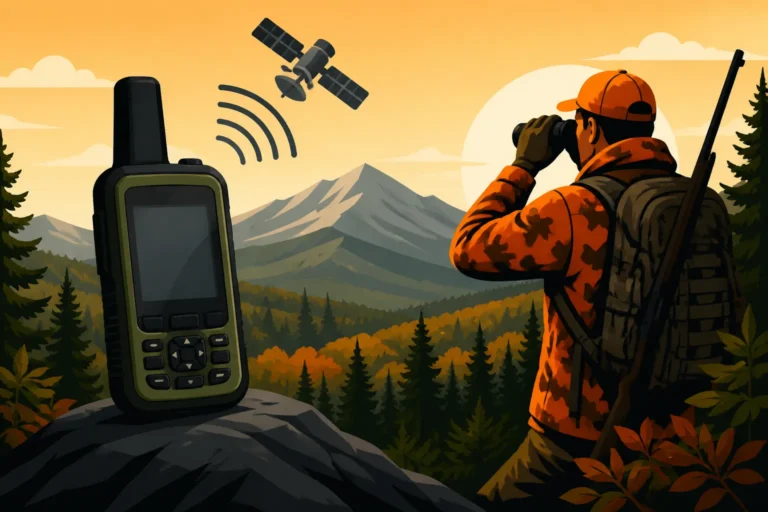
Think about everything you need to survive comfortably and effectively for nine days in the New Hampshire wilderness. It's a staggering amount of gear. You'll need a sleeping bag rated for cold nights, a pad, a tent or shelter system, cooking stove and fuel, dehydrated meals, snacks, a robust first-aid kit, fire-starting materials, and water purification. Then add your hunting-specific items: your rifle or bow, ammunition, optics like binoculars and a spotting scope, knife, game bags, and perhaps a satellite communicator for emergencies.
It's easy to get overwhelmed, but a good pack system acts as your mobile storage unit. You need ample main compartment space, but also thoughtful external pockets and lashing points. Imagine being three days deep in a remote Coos County bog when a cold rain settles in for 24 hours. You'll be incredibly grateful for that extra set of dry clothes and warm layers that your pack allowed you to carry. Without sufficient capacity, you'll be forced to make tough choices about what to leave behind, often sacrificing comfort or safety. For insights on managing all this gear, check out Packing for a Nine-Day Moose Hunt.
Durability and Weather Resistance in Harsh Terrain
New Hampshire's North Country is beautiful, but it's also incredibly unforgiving on gear. You’ll be pushing through dense spruce thickets, scrambling over granite outcroppings, navigating beaver flowages, and quite possibly dealing with rain, sleet, or even early snow in October. Your pack will be dragged, scraped, dropped, and soaked. This isn't the place for lightweight, minimalist packs designed for groomed trails.
Look for packs constructed from high-denier fabrics like Cordura or robust nylon, ideally 500D or higher. Pay close attention to stitching, especially at stress points like shoulder strap attachments and load lifters. Heavy-duty zippers, like YKK, are a must, as a blown zipper can render a compartment useless in an instant. Furthermore, weather resistance is paramount. While many packs offer some water repellency, a truly waterproof fabric or, at the very least, a dedicated rain cover is essential. There's nothing worse than pulling out a wet sleeping bag at the end of a long day. You want to ensure your critical gear, like a spare base layer or your GPS (perhaps even an offline map downloaded through a service like GoHunt), stays bone dry no matter what the weather throws at you.
Key Features to Look for in a Moose Hunting Pack
When selecting a pack for a nine-day moose hunt, certain features move from "nice-to-have" to "absolutely essential." These are the elements that will directly impact your comfort, your ability to carry heavy loads, and your overall success in the field.
Load-Hauling Frame and Suspension System
This is arguably the single most critical feature of a moose hunting pack. Unlike deer, which can often be quartered and dragged out, a moose presents a colossal challenge. A bull moose can weigh upwards of 1,000 pounds, and even a cow is a heavy lift. If you're successful, you'll be packing out hundreds of pounds of meat, hide, and antlers. Your pack must be designed to comfortably and efficiently handle these extreme loads.
You'll generally find two main frame types: internal and external. Internal frames are popular for their sleek profile and ability to hug your back, distributing weight evenly. Many modern internal frame packs have evolved to handle significant weight. However, for a moose hunt where you anticipate carrying truly monumental loads, often with an awkward shape, an external frame pack or a hybrid system with a dedicated meat shelf often shines. External frames excel at separating the load from your back, allowing better ventilation and often easier lashing of odd-shaped items like a quartered moose hindquarter. The suspension system – the hip belt, shoulder straps, and load lifters – needs to be robust, generously padded, and highly adjustable. A well-fitted pack, properly adjusted, transfers most of the weight to your hips, saving your shoulders and back from excessive strain. This is vital, as a poorly fitting pack, even empty, can cause discomfort, but when loaded with 100+ pounds, it can lead to debilitating pain or even injury. For specific recommendations, looking at reviews of different systems could be a good starting point, and resources like GoHunt often feature gear comparisons that delve into the specifics of frame designs and suspension systems.
| Feature | Internal Frame Pack (Heavy Duty) | External Frame Pack (Hybrid) |
|---|---|---|
| Load Capacity | Excellent for heavy camp loads & moderate meat loads | Superior for extremely heavy & awkward meat loads |
| Comfort | Hugs back, stable on uneven terrain, good for mobility | Good ventilation, can feel bulky, good stability |
| Meat Hauling | Often relies on internal bag, can be messy | Dedicated meat shelf, keeps meat separate |
| Versatility | More adaptable for backpacking and other uses | Specialized for hauling large, heavy game |
| Organization | Often multiple pockets & compartments | Frame allows for lashing external gear easily |
| Durability | Very good, dependent on material | Excellent, often more rugged designs |
| Weight (Empty) | Can be lighter than traditional external frames | Can be heavier, but built for brute strength |
Accessibility, Organization, and Versatility
Imagine needing your rain gear immediately during a sudden downpour, or wanting quick access to a rangefinder when a moose steps into a clearing. A pack with excellent accessibility and organization can make all the difference. Look for packs with multiple access points to the main compartment, such as top-loading and front-panel zippers. External pockets for water bottles, spotting scopes, or even a rifle scabbard are incredibly useful.
Internal dividers or removable compartments can help keep your gear organized, preventing a chaotic scramble every time you need something. Compression straps are vital for cinching down your load when the pack isn't full, keeping everything stable. When it comes to versatility, consider a pack that can expand or compress depending on your needs. Some packs feature a "meat shelf" or an expandable collar that allows you to carry quarters between the main pack bag and the frame, keeping your sleeping bag and dry clothes clean. A hydration sleeve and port for a water bladder is also a huge plus for staying hydrated on long treks. Think about how easy it is to quickly grab your GPS or a pair of binoculars when the action starts. Best Backpack Frame for a Quartered Moose delves into frames specifically designed for this type of heavy-duty hauling.
Comfort for Miles of Rugged Travel
A nine-day moose hunt involves a lot of walking, often across incredibly difficult terrain in places like the Connecticut Lakes Headwaters. You'll be navigating blowdowns, climbing steep hillsides, and picking your way through rocky streambeds. Even before you're hauling meat, an uncomfortable pack can drain your energy and spirit, turning an incredible experience into a miserable one.
Look for packs with ample padding on the shoulder straps and hip belt, made from breathable materials to prevent excessive sweating and chafing. A well-ventilated back panel can also make a significant difference, especially during active hunting or warmer early season days. The ability to fine-tune adjustments – load lifters to pull the pack closer to your body, sternum straps to stabilize the load – ensures a custom fit that minimizes hot spots and maximizes energy transfer. Before the hunt, always load your prospective pack with practice weight and take it for a few long hikes. This "shakedown" period will reveal any discomfort points that might become debilitating after a full day of travel. Don't underestimate the importance of this; your body will thank you when you're seven days into your hunt, still fresh and focused.
Preparing Your Pack for the Hunt of a Lifetime
Having the right pack is only half the battle. How you prepare it, load it, and train with it will directly impact your success and endurance during a nine-day moose hunt in New Hampshire.
Pre-Season Training and Pack Fitting
Your pack is a tool, and like any tool, it's only as effective as the person using it. A nine-day moose hunt demands physical fitness. Start conditioning long before the season opens. Incorporate exercises that strengthen your core, legs, and back, and, crucially, practice hiking with your fully loaded pack. Start with lighter weights and gradually increase, simulating the weight you expect to carry, both for your camp setup and, more importantly, for the potential meat haul.
Proper pack fitting is non-negotiable. Most quality packs are highly adjustable for torso length, hip belt size, and shoulder strap position. Spend time in front of a mirror or have a friend help you adjust the pack so that the hip belt sits correctly over your iliac crest (the top of your hip bones), transferring 70-80% of the weight to your hips. The shoulder straps should hug your shoulders without digging in, and the load lifters should pull the top of the pack slightly forward, stabilizing the load. Do not wait until opening day to dial in your fit; make adjustments and test them on multiple hikes. If you're serious about this, consider getting assistance from an outdoor gear specialist. This practice will not only build your endurance but also expose any issues with your pack's fit before you're miles deep in a New Hampshire bog. You can find more detailed information on physical preparation in Packing for a Nine-Day Moose Hunt.
Smart Packing Strategies for Efficiency and Success
How you load your pack can make a huge difference in comfort and accessibility. The general rule of thumb for backpacking is to place heavy items close to your back and between your shoulder blades, distributing the weight evenly from side to side. Lighter, bulkier items go toward the bottom and top. Items you need quick access to, such as rain gear, water, snacks, a headlamp, and your map or GPS (which GoHunt maps can provide offline access to), should be in easily accessible pockets or the top lid.
Always use dry bags or heavy-duty garbage bags to line your main compartment and protect sensitive items like your sleeping bag and spare clothing from moisture. Even with a rain cover, an internal layer of waterproofing is cheap insurance against a soaking wet kit. Create a system for organization, so you know exactly where everything is. For example, all cooking items in one stuff sack, all toiletries in another. This prevents endless rummaging when you're tired and cold. When considering how much food and water to bring, remember that water is heavy, so strategize around natural water sources and reliable filtration methods to lighten your load.
| Packing Zone | Items to Place Here | Rationale |
|---|---|---|
| Bottom | Sleeping bag, sleeping pad, camp clothes, spare shoes | Bulkier, lighter items. Accessed less frequently, provides soft base. |
| Middle/Core | Heaviest items: Food, stove/fuel, water reservoir, tent | Close to back, between shoulder blades, distributing weight for stability & comfort. |
| Top | Rain gear, first-aid kit, quick snacks, headlamp | Items needed quickly or frequently. Easy access without unpacking entire bag. |
| External | Water bottles, tripod, rifle/bow, game bags, optics | Items needing very fast access or awkward shapes. Lashing points are key. |
| Hip Belt | GPS, compass, small knife, phone, small snacks | Critical items for navigation and immediate needs. |
The Meat Haul: What Happens When Success Strikes
This is the moment every moose hunter dreams of, but also the most physically demanding aspect. When you finally have a magnificent New Hampshire bull on the ground, your pack transforms from a camp hauler to a serious meat transporter. The weight will be immense, and the terrain will likely be unforgiving, possibly deep in a remote area like the White Mountain National Forest or an expansive beaver flowage.
Your pack's ability to handle quarters of meat is paramount. Many dedicated hunting packs feature a load shelf or an expandable frame that allows you to sandwich meat quarters between the pack bag and the frame itself. This keeps the bloody, heavy meat separate from your dry gear, maintaining hygiene and balance. Always use good quality, breathable game bags to protect the meat from dirt, flies, and debris. Field Dressing a Moose in the North Country is a crucial step before you even think about packing it out.
Even with the best pack, a moose often requires multiple trips. Prioritize the most perishable meat first, and ensure you have enough friends or a well-planned strategy for extraction. Remember, a successful moose hunt is only truly successful when all the meat is recovered efficiently and respectfully. For specific challenges, read Packing Meat Out of a North Country Bog. If you're able to utilize a game cart or even an ATV on designated logging roads for part of the journey, it can be a huge relief, but you still need to get the meat to that point. This is where a truly robust pack and a solid plan, perhaps informed by scouting with tools available through GoHunt, make all the difference. Getting a Moose Out on a Logging Road offers more advice on the final stages of transport.
Disclaimer
This article is for general informational purposes only and does not constitute professional advice. Laws, prices and regulations vary by location and change over time. Consult a qualified professional for guidance on your specific situation.